Full Article
about Bédar
Hilltop village with a mining past; panoramic views of the Mediterranean from the sierra.
Hide article Read full article
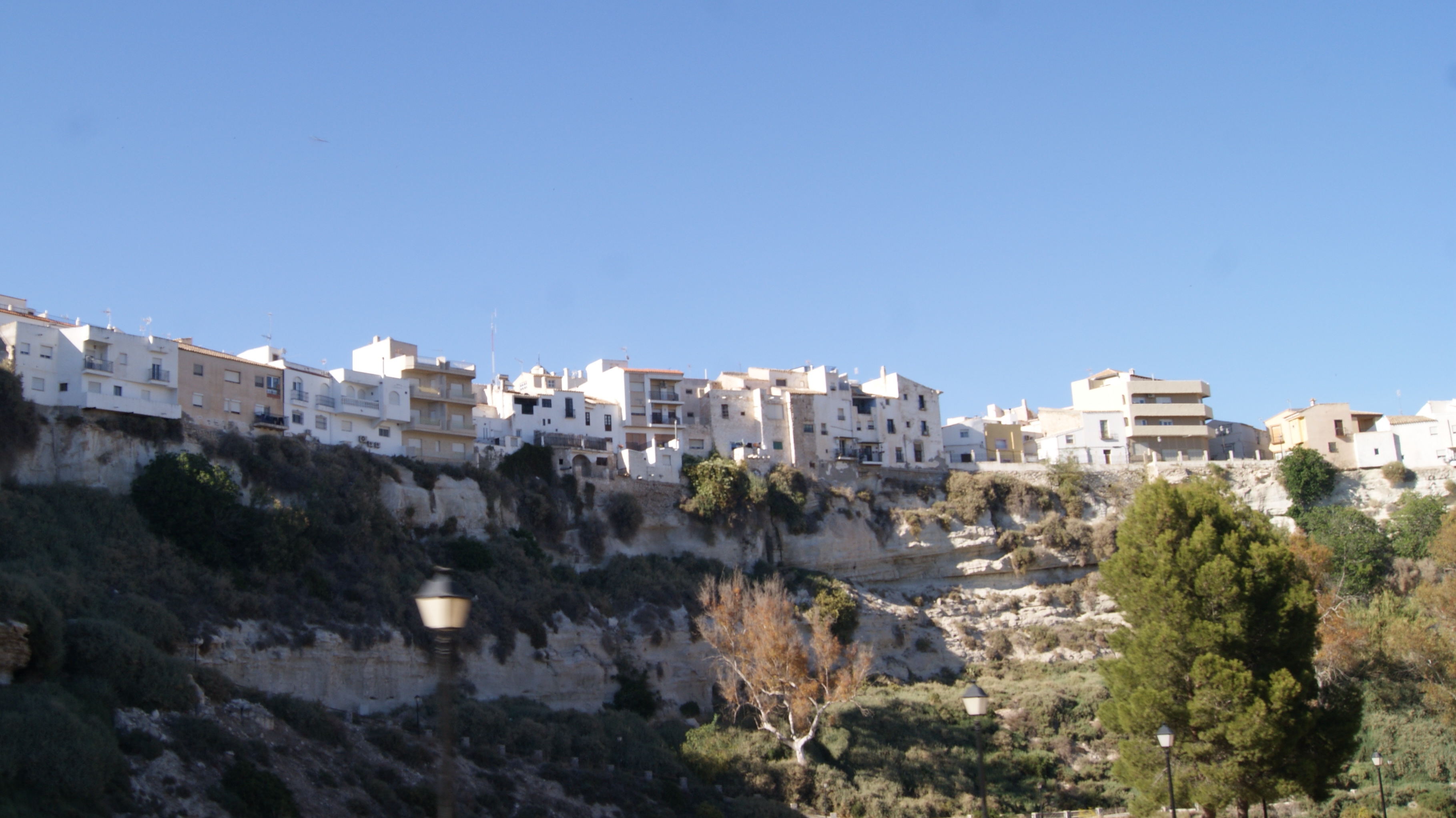
Bédar has the feel of those villages that appear suddenly once you leave the main road and start climbing, unsure what waits at the top. Tourism in Bédar works in much the same way. It is not a place that constantly features on lists or in glossy adverts, yet once you arrive it becomes clear why those who know it tend to return.
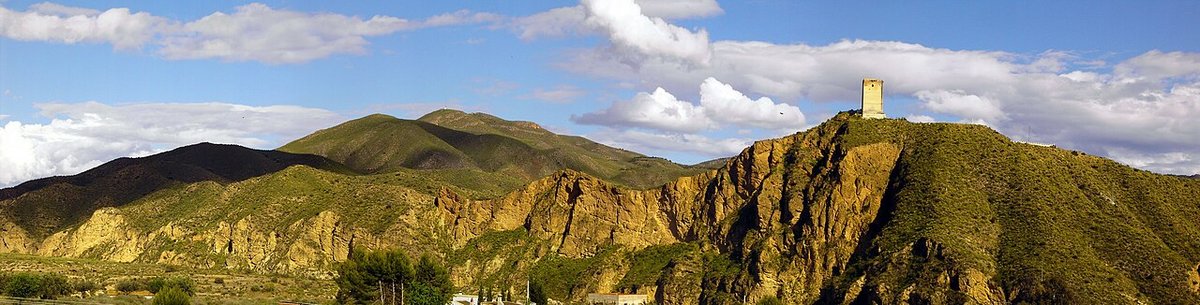
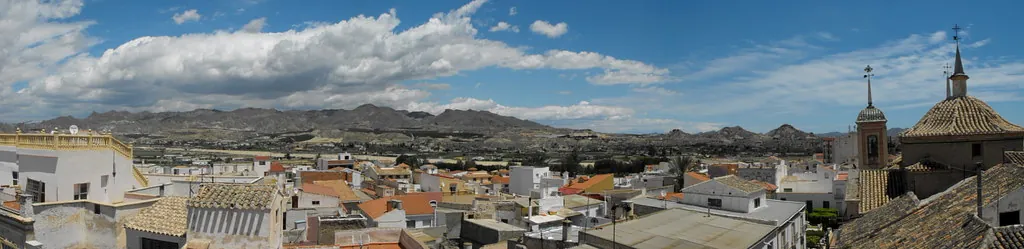
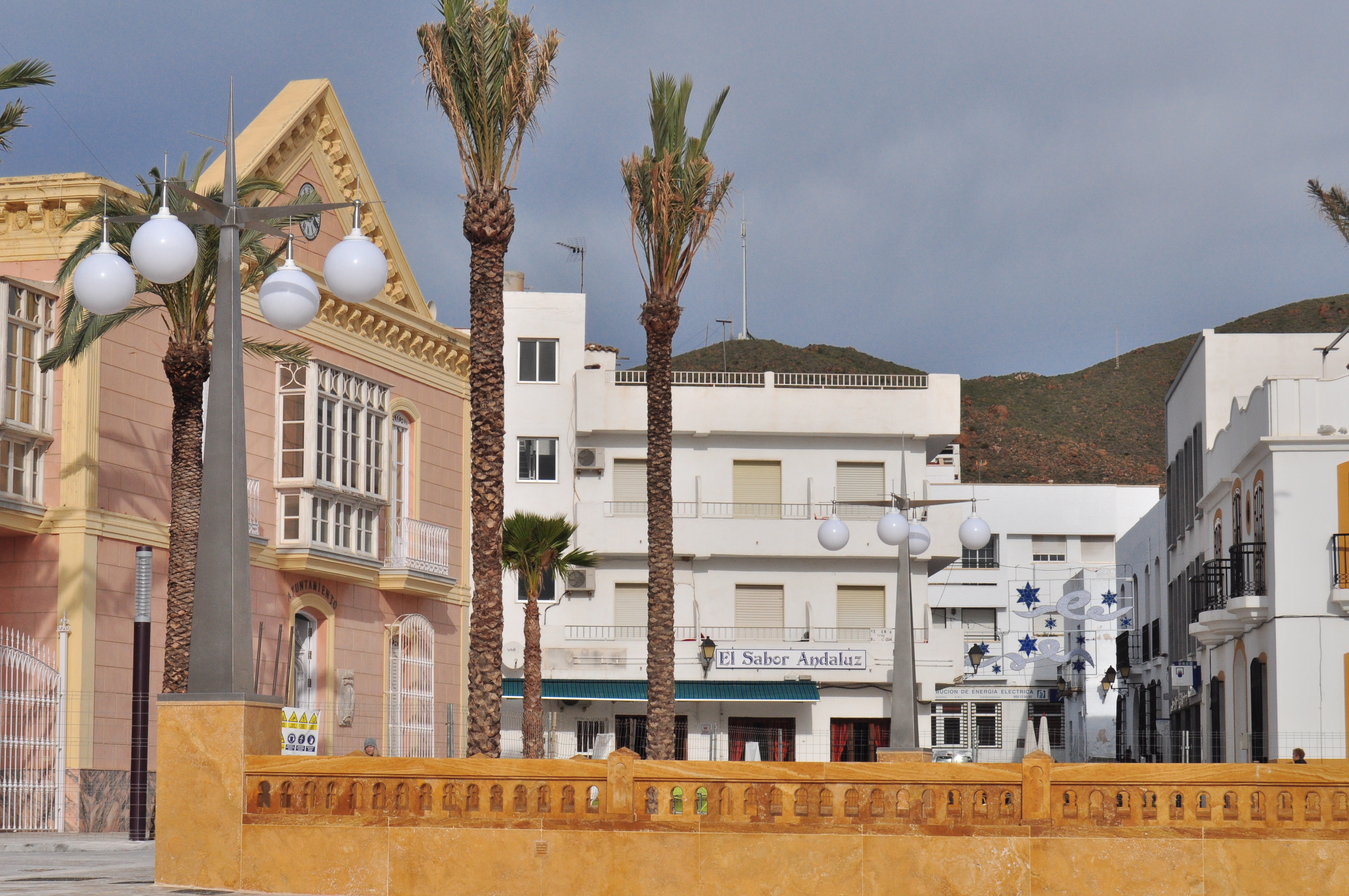
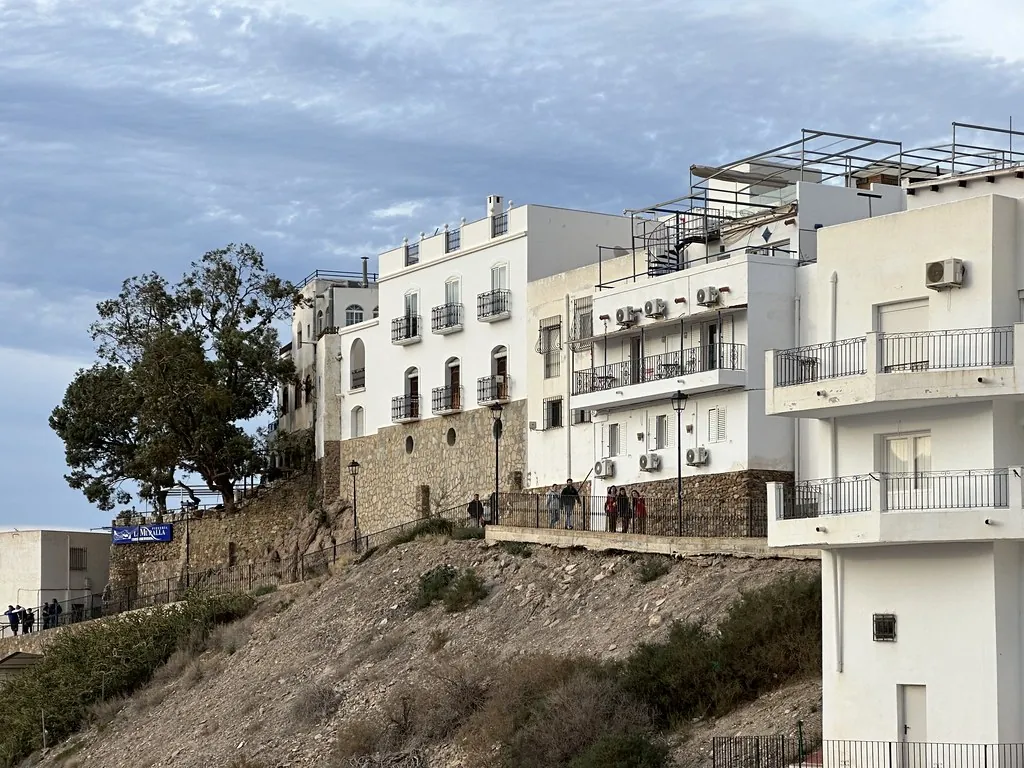
The village lies in the Levante Almeriense, just over 400 metres above sea level, with fewer than a thousand residents throughout the year. Houses cling to the hillside and from certain points the landscape opens out towards a wide stretch of olive groves and scattered almond trees, with the Sierra de los Filabres in the distance. There are no grand monuments or monumental avenues. Instead, you find a quiet place defined by slopes and long silences.
Remains of its Muslim past survive in fragments and, above all, in the layout of the old quarter. Narrow streets climb and dip with little apparent order. After the Reconquista, the Christian reconquest of southern Spain, the village gradually adapted and changed. The result is the kind of place best explored without a map, simply walking and seeing where each street leads.
Through the Old Quarter
The heart of Bédar revolves around the Iglesia de San Pedro, built in the 16th century. It is not a monumental church, yet it becomes a useful reference point when trying to find your bearings in the old quarter. The tower is visible from several streets and ends up acting as an improvised compass.
Around it stand whitewashed houses with thick walls, small windows and simple iron grilles. These details speak of another era, when the heat of summer and the chill of winter were tackled more through architecture than modern cooling or heating systems.
Walking on, you eventually reach the Mirador del Pueblo. From here the setting makes sense at a glance: olive groves stretching out below, almond trees dotted across the terrain and the dry landscape that characterises much of this part of Almería. At sunset the light shifts noticeably and alters the colour of the ground. It is worth pausing for a while and watching how the tones change.
The village also preserves its public fountain and the old washhouses. They are not spectacular monuments, yet they help you picture daily life when water was a shared meeting point. These were places of routine encounters and conversation, woven into the rhythm of the community.
Walking and Open Landscapes
Bédar is often used as a starting point for walks in the surrounding countryside. Several rural paths connect the village with cortijos, traditional rural farmhouses, former mining areas and nearby settlements.
Some routes are fairly gentle, winding through olive groves and almond trees. In spring the countryside begins to stir again after winter, and there is a subtle change in colour and movement. Other paths lead further from the village centre. Good footwear, water and protection from the sun are advisable, as shade is limited in this terrain.
Those who pay attention to the sky may notice birds of prey gliding over the hillsides. Hoopoes and bee-eaters appear as well, along with other species typical of Spain’s south-east. Bédar is not a major birdwatching destination, yet the landscape still feels alive and active.
Traditional agriculture continues in the area. Almonds, olive oil and honey are commonly produced here. They also form part of local dishes such as migas and gurullos con conejo. Migas is a rustic dish based on fried breadcrumbs or semolina, often prepared in cooler months. Gurullos con conejo combines small pasta-like grains with rabbit, a hearty meal that many households cook when temperatures drop.
Festivities and Village Life
The most important celebrations revolve around San Pedro, usually towards the end of June. During these days there are processions and activities in the streets around the centre, with strong participation from local residents.
In August the village hosts summer festivities. At that time, people with family ties or second homes here tend to return. The atmosphere shifts slightly. There is more movement in the evenings, music in the square and activities that bring neighbours and visitors together.
Semana Santa, or Holy Week, is observed in a restrained way, with short processions through the old quarter. It is not a large-scale celebration, yet it clearly holds meaning for many in the village.
Reaching Bédar
From the city of Almería the distance is around 90 kilometres. The usual route follows the A‑7 towards the area of Vera, then climbs up to Bédar along a local road. The final stretch includes bends, as is common with mountain villages, though the road is in good condition.
Once in the village, the simplest approach is to leave the car in a more open area and continue on foot. The centre has plenty of slopes and narrow streets, so walking soon becomes the easiest way to get around.
Bédar is not a destination that fills an entire weekend with scheduled plans. That is part of its appeal. A stroll through the old quarter, a stop at the mirador, a wander along a couple of quiet streets, and the sense of having passed through a place that continues at its own pace. In this part of the Almería coast, that feeling is becoming less common.