Full Article
about Carboneras
Fishing and industrial town, gateway to Cabo de Gata; known for Playa de los Muertos.
Hide article Read full article
A coastline that doesn’t fit one mould
Carboneras smells of salt and smoke. Not the cosy kind from a fireplace, but from the thermal power station that sits by the sea like a grey mass. It feels as though a factory has been placed in the middle of a postcard. At first it jars, then gradually it starts to make sense as part of the whole. That contrast says a lot about this stretch of the Levante Almeriense: industry and raw coastline existing side by side without much fuss.
This is not a place that tries to present a polished image. It is more direct than that. The landscape shifts between working harbour, open sea and dry hills, and the effect is oddly coherent once the initial surprise wears off.
A town shaped by the sea
Until the early 19th century, Carboneras depended on Sorbas. It was effectively a distant outpost, the kind of place people had to travel from for any official matter. Over time it separated and grew around the sea and its port. Today it has a population of just over 8,000 and still carries the feel of a town that has always faced the water, even though the coast once meant danger as much as opportunity.
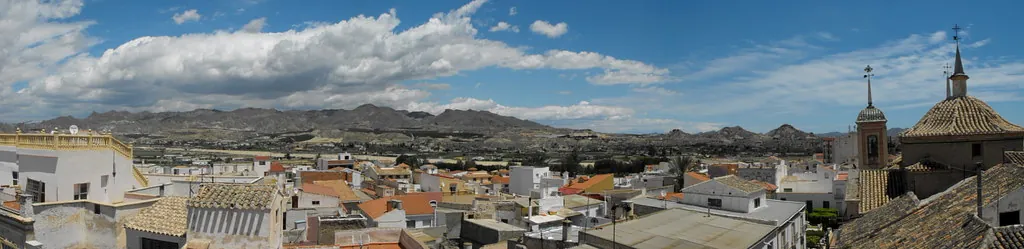
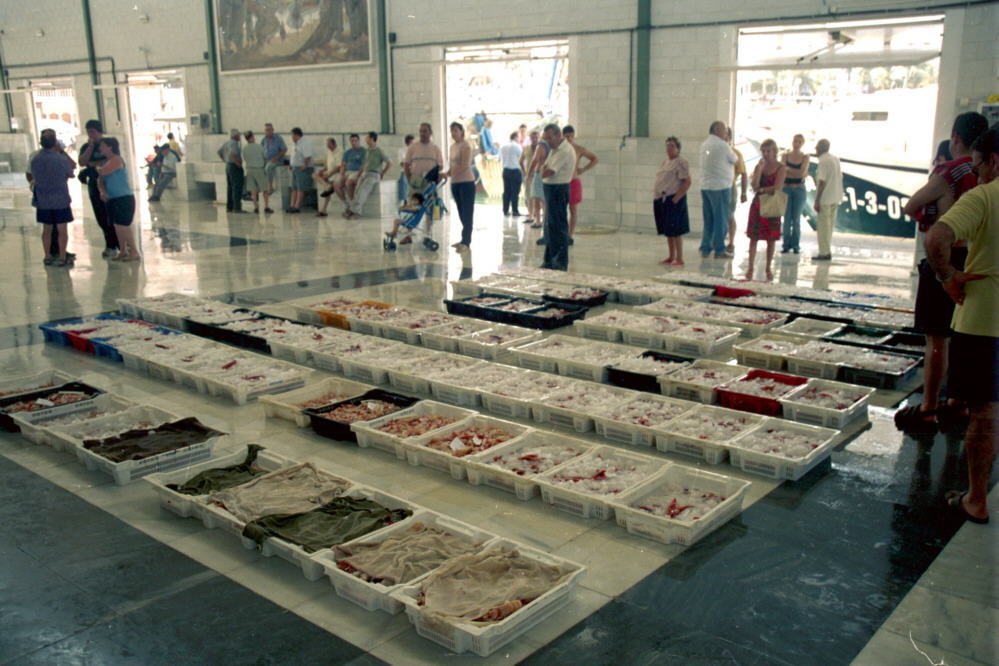
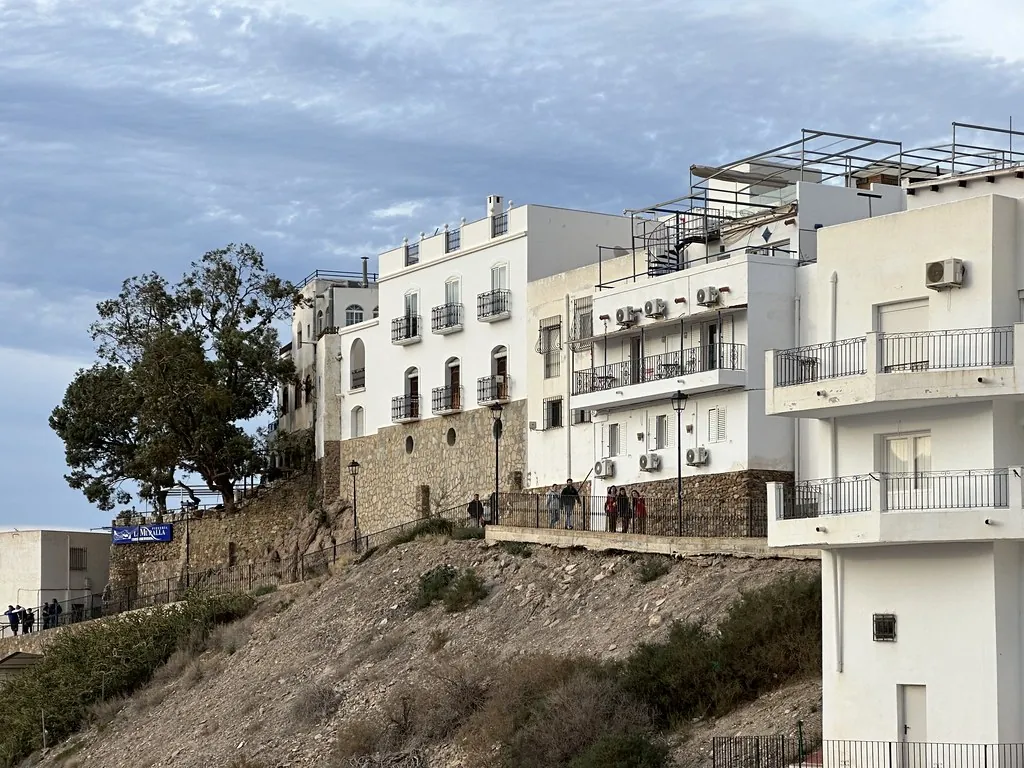
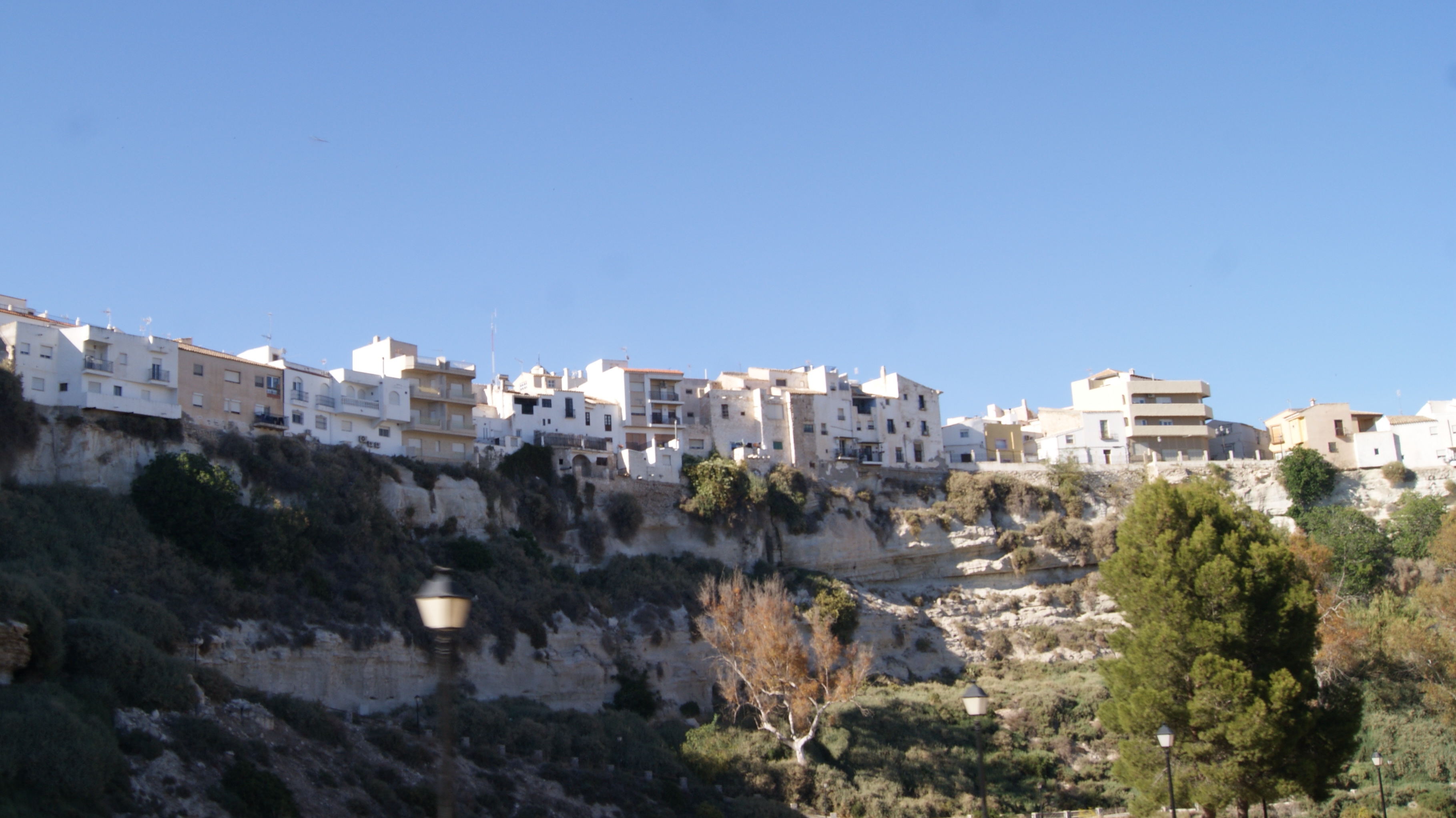
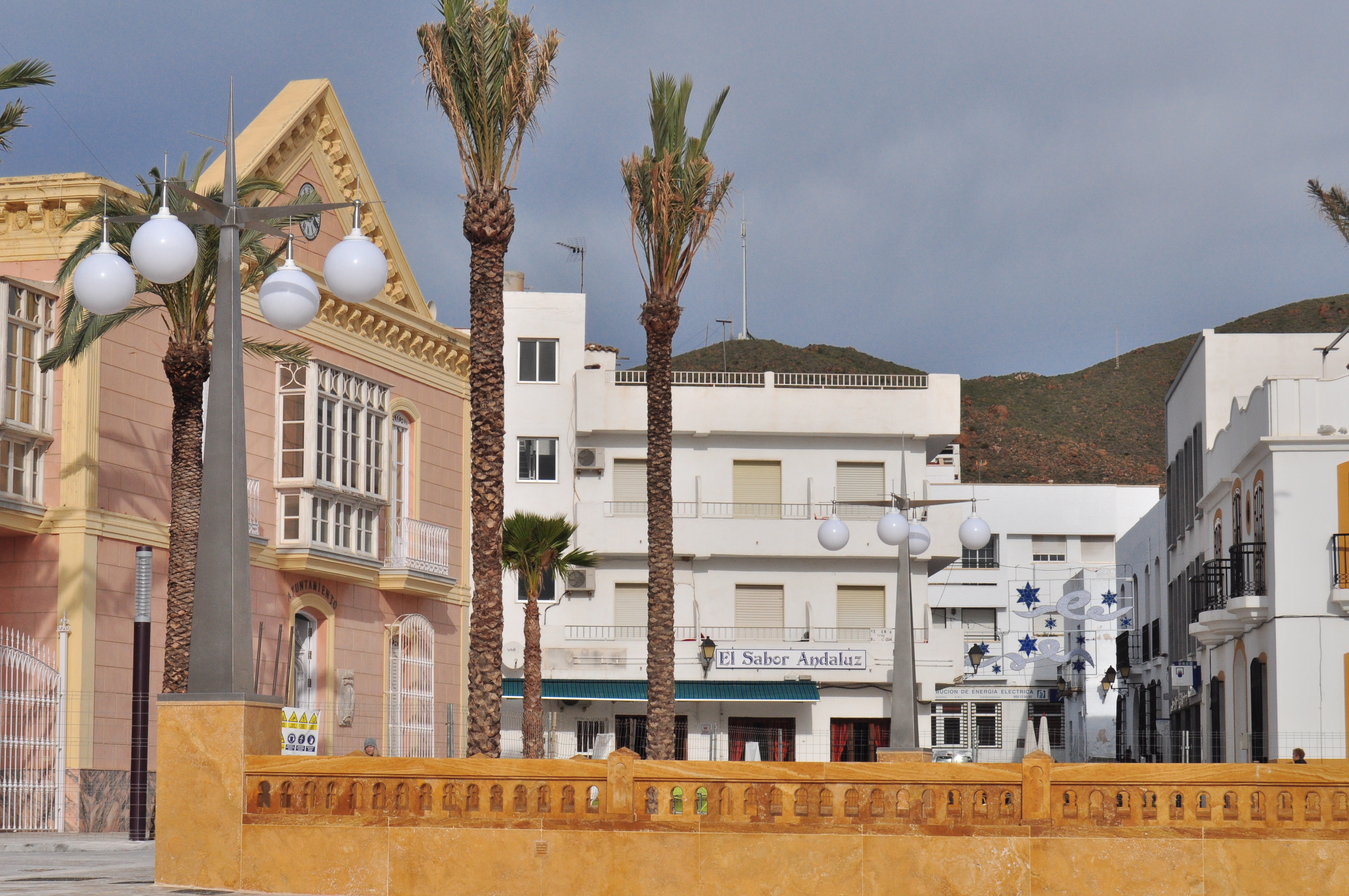
At first glance, it is not immediately striking. There are quite a few apartment blocks from the 1970s and 80s that seem unchanged since they were built. But things shift when you get closer to the harbour. Early in the morning there is still movement, boats coming and going, nets being handled, a steady rhythm that gives context to everything else. Here the sea is not just something to look at. It is work, routine and identity.
That sense of purpose softens the rough edges. What might seem plain at first begins to feel grounded, even honest, once the daily life of the port comes into view.
Playa de los Muertos
The name Playa de los Muertos sounds like something from a crime novel, yet the reality could hardly be more different. It is one of those beaches that makes immediate sense the moment it comes into view.
The car is left at the top, followed by a walk down a winding path through scrub and rock. It is not especially long, but it is not a quick stroll either, particularly in the heat. The descent takes a bit of time and effort. Then the path opens up and the cove appears, with clear water and pale stones, and the effort quickly fades into the background.
The beach has ranked highly in various votes about Spain’s best beaches. Those rankings always depend on who is voting, but in this case the appeal is easy to understand. The water is exceptionally clean, the seabed ideal for putting on a mask and watching fish, and the overall feel is far more untamed than in more built-up coastal spots.
There is no sense of crowding the landscape with distractions. The setting is simple and direct, and that is exactly what makes it stand out.
Watching from above: Castillo de San Andrés
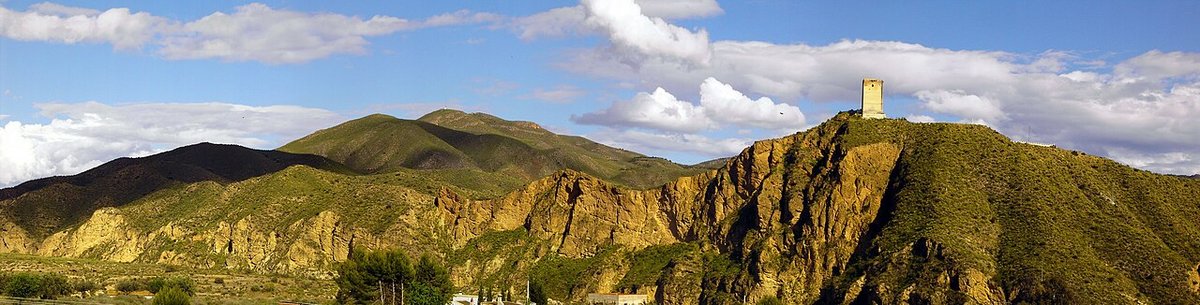
Castillo de San Andrés sits on a small rise beside the town centre. The walk up is short rather than demanding, but it is enough to give a clear view of how Carboneras is positioned.
The fortress dates from the modern period, around the 16th century, and formed part of the defensive system along the Almería coast. At the time, attacks from the sea were far more common than they are today. The building has since been restored and is used for cultural activities at certain times of year, though its role as a natural viewpoint is what stands out most.
From the top, the harbour spreads out below, along with the town’s stretch of beach and a good portion of coastline leading towards the natural park. It is the kind of place where people pause for a while, leaning against the walls and looking out over the water without much urgency.
Caldero: the flavour of the port
Ask around in Carboneras about something truly local and caldero is likely to come up. This rice dish is closely tied to the area’s fishing tradition. A rich stock is prepared first using rock fish such as cabracho or gallo, depending on the day’s catch, and then the rice is cooked in that broth.
The result is a substantial dish, the sort that encourages a slower pace at the table. On Sundays, the smell of caldero often drifts through much of the town. It is made at home as well as in many places near the harbour or along the beach.
Portions tend to be more filling than they appear. What seems like a manageable extra serving often leads to a long walk afterwards.
Carboneras without filters
Carboneras is not a staged destination. The thermal power station is there, as is the cement plant on the outskirts, along with a dry air that in winter can leave lips feeling rough. The town has also been part of intense environmental debates over the years.
At the same time, there are calm mornings at the harbour, pensioners chatting in the sun even in January, and fishermen unloading crates before sunrise has fully broken. These quieter moments sit alongside the more industrial elements without contradiction.
Tourism does arrive, particularly in summer, but the town maintains a life of its own. Move away slightly from the centre or the better-known beaches and the coastline becomes noticeably calmer, even in August.
Carboneras makes more sense when approached without hurry. A walk by the harbour, a swim in a cove, a plate of rice, and an afternoon that stretches out naturally. It does not constantly try to impress, yet by the time it is over there is a clear sense of having been somewhere real and quietly memorable.