Full Article
about Huércal-Overa
Administrative capital of Levante and Almanzora; major commercial and medical hub with a rich heritage.
Ocultar artículo Leer artículo completo
7 a.m. on the Levante, and the lorries beat the sun
The first wagons roll in from the Almanzora valley while the limestone ridges are still pink. By half past, the Guardia Civil have closed the A-370 and Avenida de la Constitución turns into a tarmac souk: 700 stalls, three football pitches’ worth, selling everything from polished almonds to Chinese power drills. This is Huércal-Overa’s weekly takeover, a market big enough to swallow the town’s 20,000 souls and still leave room for half of Murcia province. Arrive after ten and you’ll park in the olive groves and walk twenty minutes; arrive at nine and you can watch the stallholders finish their brandy-laced coffee before the haggling starts.
Brits who’ve swapped East Sussex for inland Almería come for the 90-pence lettuces and stay for the gossip. English wafts from the pharmacy queue; the optician advertises “sight tests – we speak your prescription”. Yet the market remains stubbornly Spanish. One counter sells just snails, another only braided garlic. An elderly couple from the nearby hamlet of Urcal lift the lids on wicker baskets to prove their eggs are still warm.
A church, a convent and a plaza that still works
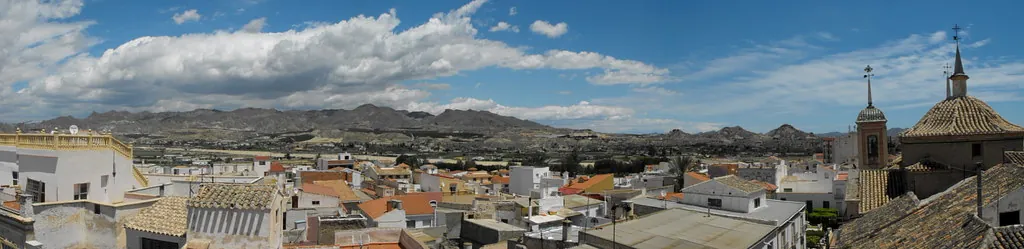
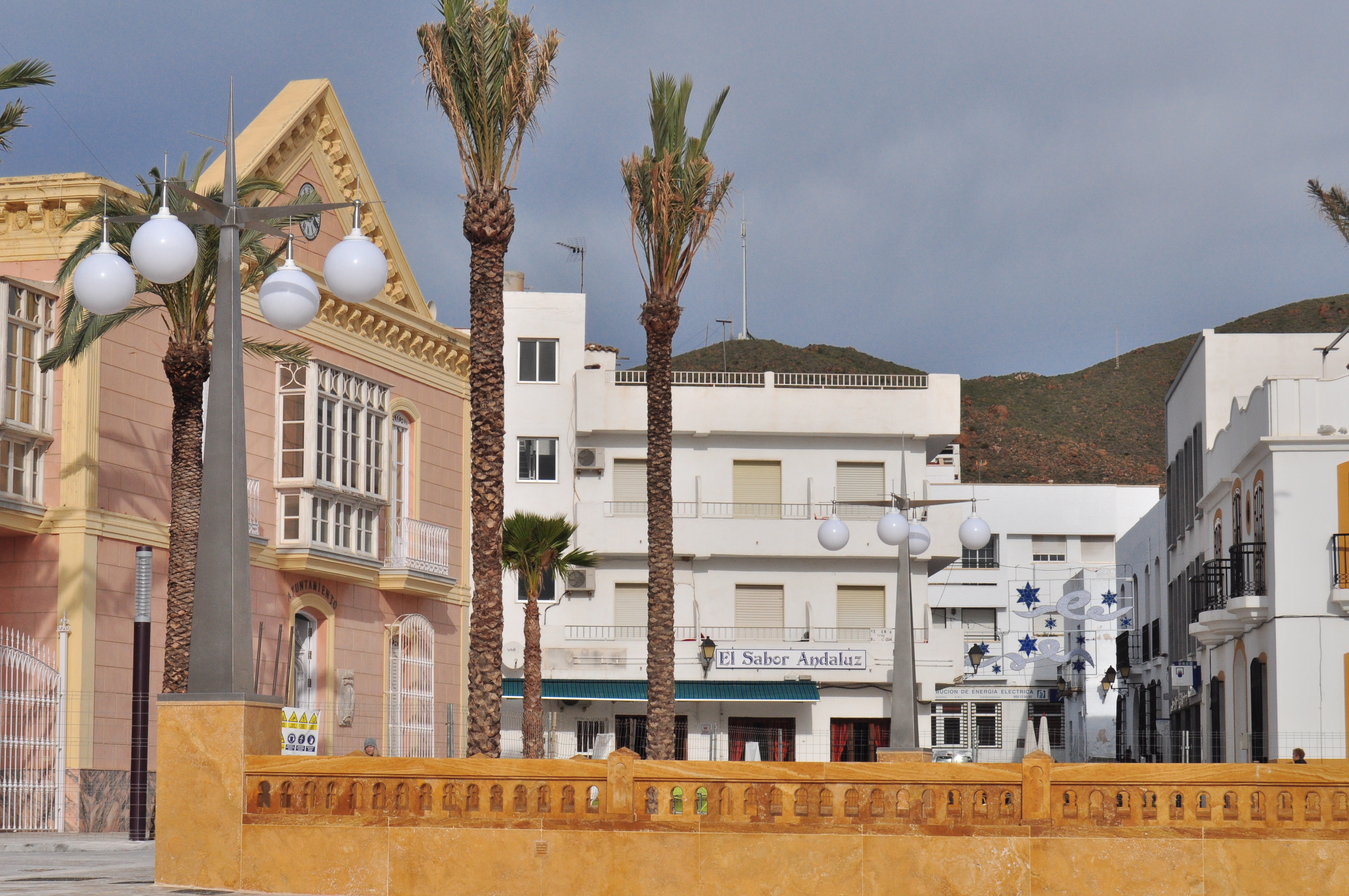
When the sun climbs above the 16th-century bell tower of the Asunción church, the arcaded Plaza de la Constitución fills with prams and suit jackets thrown over chair backs. The church façade is stone that has weathered to the colour of burnt cream; inside, a Baroque retable glints with gold leaf that local guides quietly admit was “touched up” in the 1980s. Across the square, the ruined Convento de Santo Domingo is the opposite: no gift shop, no audio guide, just open sky where the nave once was and swallows nesting in broken arches. Climb the rubble at your own risk; the view stretches south to the plastic sheeting of the greenhouse coast shimmering like a silver sea.
The old centre is only six streets by six, enough for a twenty-minute loop that takes in a 19th-century town house with wrought-iron grilles painted the green of overcooked peas, and a bakery that still stamps “HO” on the crust of each loaf so field workers knew which village it came from. There are no postcard racks. Instead, the tourist office (open 10–2, closed Thursday afternoons) hands out a photocopied map drawn by a secondary-school art class.
Lunch for eight euros and a cardiologist on call
By one o’clock the market stalls collapse into white vans and the town remembers it is also a medical hub for 80,000 people. The Hospital de la Inmaculada, opened in 2012, is a glass-and-steel wedge that looks transplanted from Barcelona. British pensioners in linen trousers compare waiting times with the NHS and conclude they’ve won. The same building houses the only 24-hour A&E for 70 km, reassuring for anyone who has misjudged the steep rambla paths that skirt the town.
Food is cheaper than the petrol needed to get here. Menus del día hover around €10–12, bread and wine included. La Brasa, on Calle Carril, still serves the three-course formula your GP would frown at: thick garlic soup, grilled pork with chips, and rice pudding heavy with cinnamon. The waiters know the routine for celiacs and will swap the pudding for orange segments if asked nicely. Vegetarians head to Enoteca Crisbe, where a beetroot-and-goats-cheese stack arrives looking like a Mondrian on a plate and costs €14.
Afternoon heat, almond shade and a castle that isn’t quite
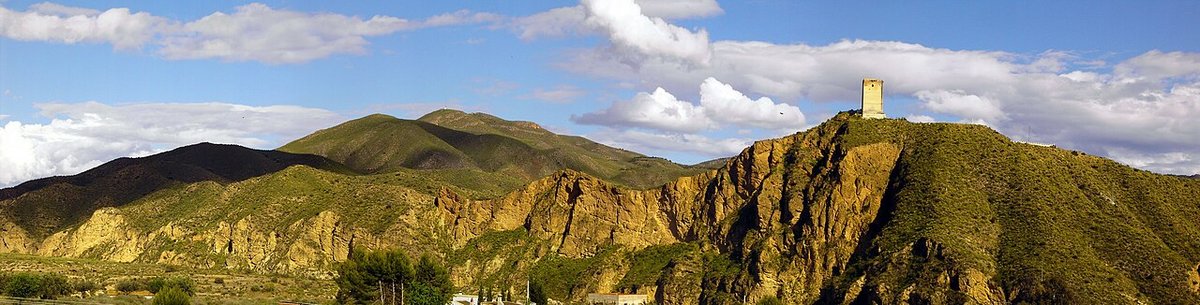
Huércal-Overa sits at 280 m, high enough for the breeze to carry the scent of thyme but not high enough to escape the Levante furnace. August regularly hits 38 °C; locals call it “the hairdryer”. Sensible visitors copy the Spanish timetable: explore 9–12, siesta, resume 6–9. The ruined Moorish watchtower two kilometres north is signed as a “castle” on tourist leaflets; in reality it is a single wall and a staircase guarded by a feral cat. The walk, however, passes through almond groves that explode white in late January and shade the path like confetti. From the top you can trace the route of the rambla de Huércal, a dry riverbed that becomes a torrent once every decade and sweeps cars towards the Med.
Cyclists bring mountain bikes; the town’s only hire shop closed during the pandemic. Road riders pedal the quiet RM-410 towards Puerto Lumbreras, gliding past olive terraces pruned into lollipop shapes. Drivers simply head south: 35 minutes on the AL-12 to San Juan de los Terreros delivers a Blue Flag beach and a promenade where British voices order “proper tea” at Les Rocquetas café. The contrast is deliberate: inland for breakfast, coast for sunset, back in time for tapas at ten.
Fiestas, ferias and the night the town turns on 50,000 bulbs
Winter here is Europe’s sunniest. Daytime temperatures sit in the high teens, perfect for the February “Noche de las Luces” when every balcony, church buttress and tractor in the fairground is draped with bulbs. The electricity bill is footed by the local co-op, proud that their solar plant covers most of it. October’s Feria de Octubre is smaller, gaudier, and aimed at families: bumper cars, a stall selling candy floss dyed the colour of the Spanish flag, and a tent where teenagers queue for chocolate-dipped churros before attempting the dodgems.
Semana Santa is still village-scale: four pasos carried by twenty men apiece, brass bands that manage to play even when the narrowest lane is only shoulder-wide. Foreigners are welcome to shuffle behind; just don’t expect seats or English commentary. If you need translation, stand next to the pharmacist – she went to university in Leeds and narrates the whole thing sotto voce for a packet of polo mints.
Practicalities without the brochure speak
You will need wheels. The bus from Almería takes two hours and finishes at 6 p.m.; Murcia’s faster but still leaves you three kilometres from the hospital if you slip by the pool. Car hire at Almería airport starts at £22 a day in low season; the new motorway means 55 minutes door to door. Petrol is cheaper than the UK, but fill up before Sunday – most garages close.
Monday market doubles accommodation prices. A double room at Hostal Avenida jumps from €45 to €80; book the Sunday night and ask for the interior courtyard if you value sleep over views. British-run B&Bs cluster in the countryside: Cortijo Esperanza allows dogs, has UK plug adaptors and serves Marmite at breakfast, though you’ll drive ten minutes for dinner.
Cash is still king for stalls; the indoor Mercadona opens 9–9 and takes cards. English is spoken in the medical centre, the vet and the Indian-run ironmongers, less so in the town hall. Bring your European Health Insurance Card – the hospital accepts it, but queues form early.
Last orders at Las Cañas
By eleven the plaza is littered with crushed napkins and the clatter of chairs stacked upside-down. Teenagers drift towards the fairground lights; older couples debate whether the night is warm enough for one more drink. The barman at Las Cañas wipes the counter in slow circles, last orders delivered without drama. Outside, the church bell strikes once – Spanish midnight – and the town slips back into its weekday skin, ready for alarm clocks, school runs and the next lorry load of lettuces. It is not pretty, not hidden, certainly not undiscovered; it is simply Spain getting on with the job, and for once that feels like attraction enough.