Full Article
about Los Gallardos
Crossroads in the Levante; welcoming town with a mix of cultures and close to the coast
Hide article Read full article
A Late Arrival with Its Own Rhythm
Los Gallardos is a bit like the relative who turns up after the family story has already begun. The municipality became independent from its neighbours at the start of the 20th century, at a time when nearby towns such as Turre and Bédar had long been running their own town halls. Even so, over the years it has settled into its place in the Levante Almeriense without making much fuss.
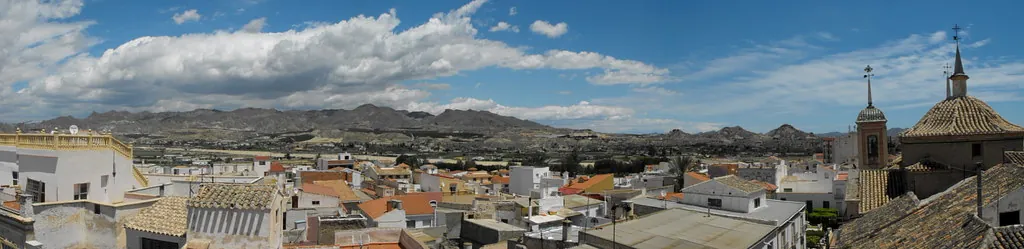
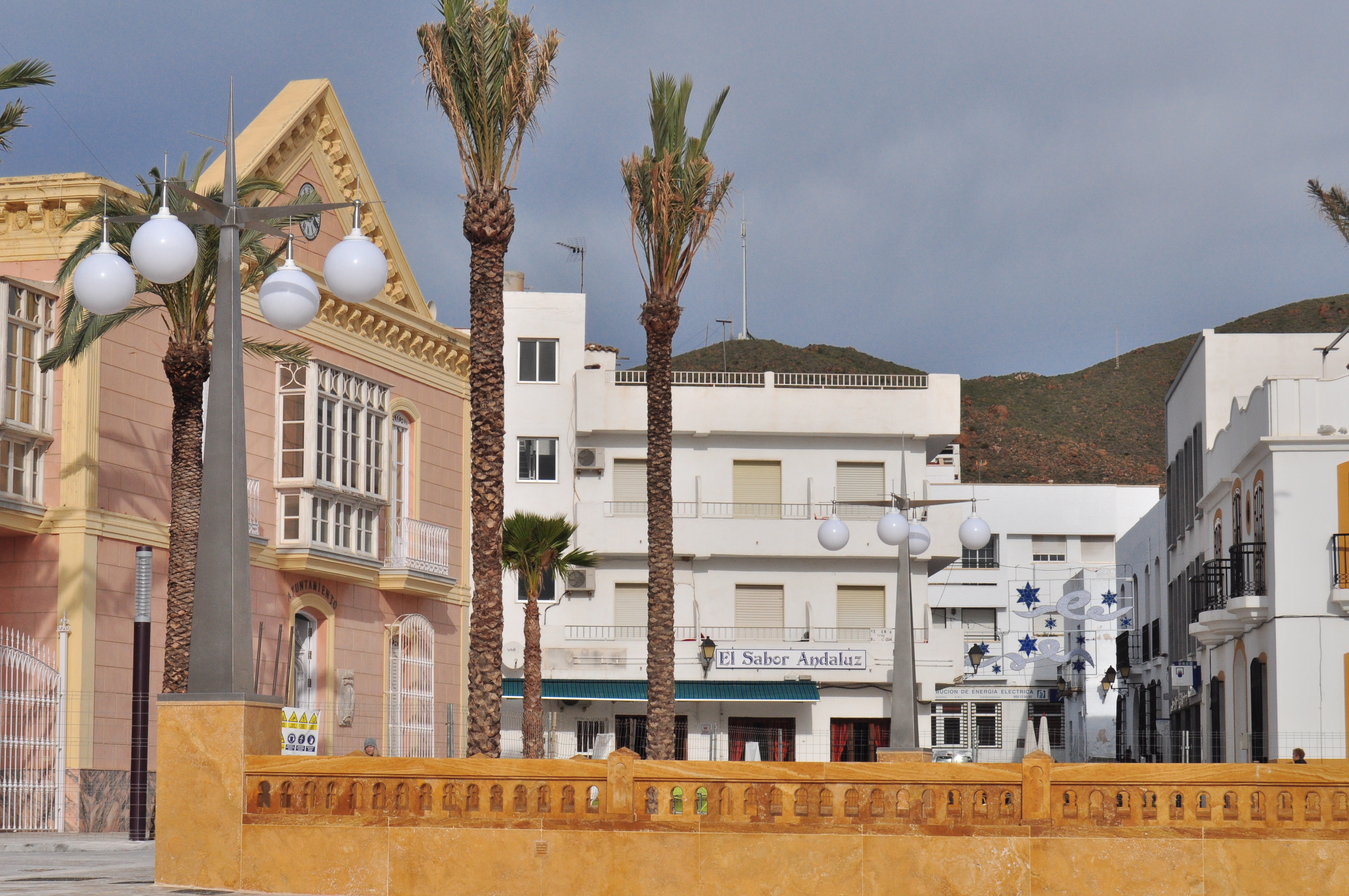
At the heart of the village is Plaza de Andalucía. It is an easy stop if you are on the way to the coast, the kind of place where daily life unfolds without any attempt to impress. The Iglesia de San Francisco, built in the 19th century, overlooks the square, its bell tower visible from several surrounding streets. It is not a monument that dominates guidebooks, yet it suits the scale of Los Gallardos and the steady pace that defines the area.
In winter, another feature stands out: groups of foreign cyclists, many of them British, tackling the roads that lead inland. They ride in well-equipped packs, climbing slopes that look demanding even from a car window. The quiet secondary roads and open landscapes seem to draw them back year after year.
From the Mines of Sierra Almagrera to the Fields
Part of the story of Los Gallardos is tied to the mining activity of Sierra Almagrera and the economic movement that shaped this corner of Almería during the 19th century and much of the 20th. Many local people worked directly or indirectly in that world. There were the mines themselves, the transport of ore, storage facilities and a range of small trades that grew up around the industry.
Older residents still talk about those years. One detail often mentioned is an old system used to transport mineral towards the coast, something like an aerial line of wagons linking the interior with Garrucha. Today there is very little to see. A few scattered structures hidden among scrub remain, but most of what survives is found in memories and old photographs.
As mining declined, Los Gallardos had to look for alternatives. From the 1970s onwards, many people moved into intensive agriculture in the area. Work in nearby greenhouses and seasonal agricultural campaigns across the comarca became common. Those who lived through the change describe it in a matter-of-fact way. Life shifted from the mine to the fields with little time to dwell on the transition.
Local Festivals, Properly Lived
Festivals in Los Gallardos have the feel of a place where a large part of the population has known each other for years.
The Cabalgata de Reyes, the traditional Three Kings parade held in early January, is one of the liveliest moments of winter. In Spain, this event marks the arrival of the Three Wise Men, who bring gifts to children. Here it is not a quick procession that passes and disappears. Local residents stage scenes and take on roles, and there is a high level of participation from the village itself. For visitors, it can be striking to see how everyone seems to know exactly who is playing which part.
Summer brings the fiestas in honour of the Virgen del Carmen. There is a procession, music in the evenings and a busy atmosphere in the streets. It is similar in format to celebrations found in other Andalusian towns, yet the scale of Los Gallardos gives it a close-knit feel. Whole families join in or spend the evening together in the square, talking while children move between groups.
Straightforward Food That Fills You Up
Traditional cooking in Los Gallardos relies on simple ingredients and recipes that have been passed down through generations.
Potaje de hinojos is often mentioned when asking about home cooking. This fennel stew has a strong aroma as it simmers and is the kind of dish that leaves you ready for a long rest afterwards. It reflects a rural pantry and a preference for meals that sustain.
When the weather turns cooler, migas make an appearance. Made with bread, garlic and some cured sausage, they require patience and a large pan to achieve the right texture. There is no secret trick, yet when done properly they can carry you through half the day.
During local fairs and celebrations, traditional sweets sometimes appear. Gurullos dulces and large meringues, seemingly designed for sharing, are set out on tables. In practice, they often disappear before they make it back home.
Dry Landscapes and Quiet Roads
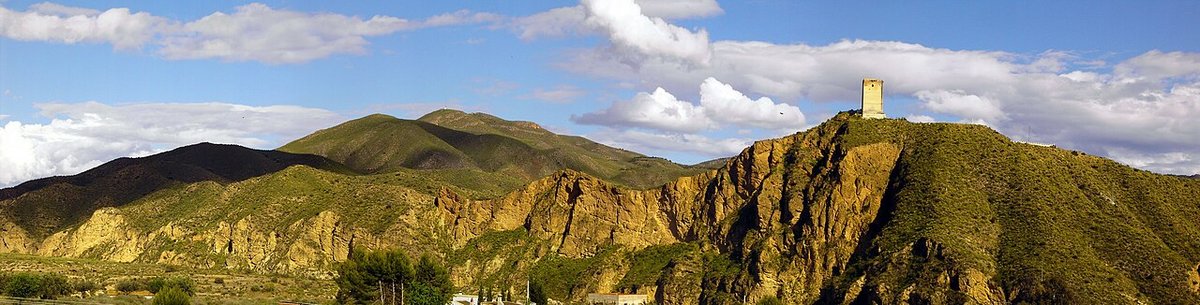
For those who enjoy walking or cycling, the surroundings of Los Gallardos offer agricultural tracks and secondary roads with little traffic. The terrain is typical of this part of Almería: dry, open and marked by ramblas, scattered olive trees and bare hills.
One of the routes often mentioned locally links the village with the area around the río Aguas and some old mills. It is a landscape that feels expansive on clear days, with a sky that seems unusually wide. The sense of space is part of the appeal, especially for cyclists who train on the gentle gradients and occasional climbs.
The climate, however, demands respect. The sun can be intense. Anyone heading out on foot or by bike needs water and a hat. Shade is not something you find every few steps in this terrain.
A Place to Pause on the Way
Los Gallardos is not somewhere people arrive in search of famous monuments. There is no castle, no monumental old quarter and no sweeping sea views. Its appeal lies elsewhere.
Parking is straightforward, the main square has a constant flow of activity and conversation comes easily if you linger for a while. It works well as a pause on the way to Mojácar, Garrucha or the beaches of Cabo de Gata, especially if the idea is to step briefly outside the more touristic circuit.
In the end, Los Gallardos is defined less by landmarks and more by everyday life. Its history of mining, its shift to agriculture, its festivals and its food all speak of a community that has adapted quietly over time. It may have arrived later than its neighbours in administrative terms, yet it has found a steady rhythm of its own in the Levante Almeriense.