Full Article
about Lubrín
Inland white village with charm; known for its kid-goat and honey cuisine.
Hide article Read full article
Getting around a hillside village
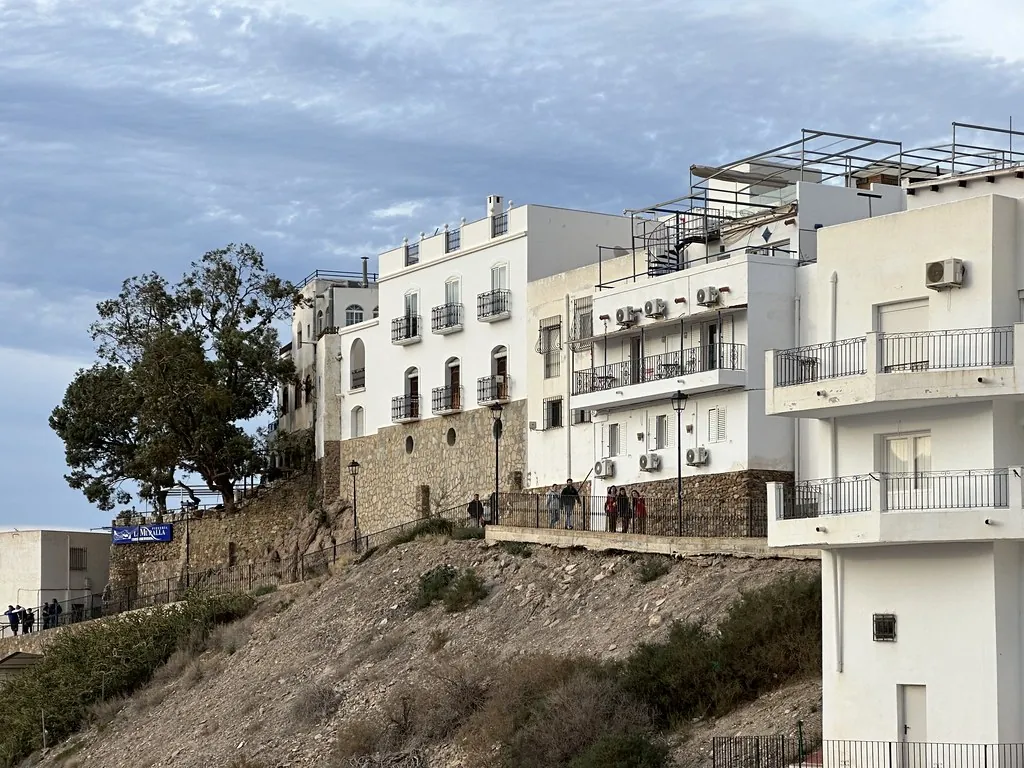
Lubrín sits on a slope, and that becomes obvious as soon as you arrive by car. Streets rise and fall with little room to spare, and driving into the centre quickly turns into a loop of narrow turns and tight corners. It makes more sense to leave the car in the lower part of the village or in a wider spot before entering the historic centre. Pushing further in usually means circling back out again.
The village stands at around 500 metres above sea level. That elevation comes with constant inclines and narrow streets that shape how you move through it. Distances are short, though. You can walk across the whole place in one or two hours without rushing, as long as you are ready for the steady ups and downs.
A centre shaped by the slope
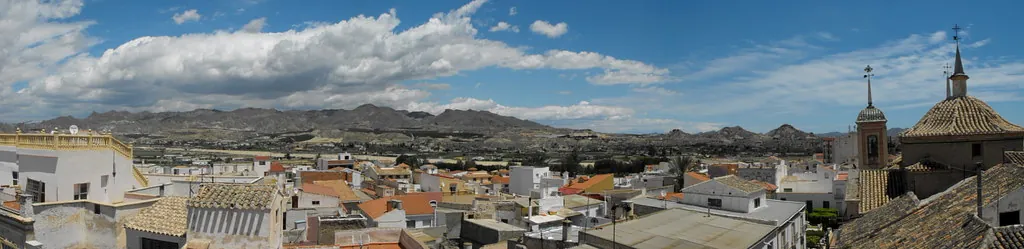
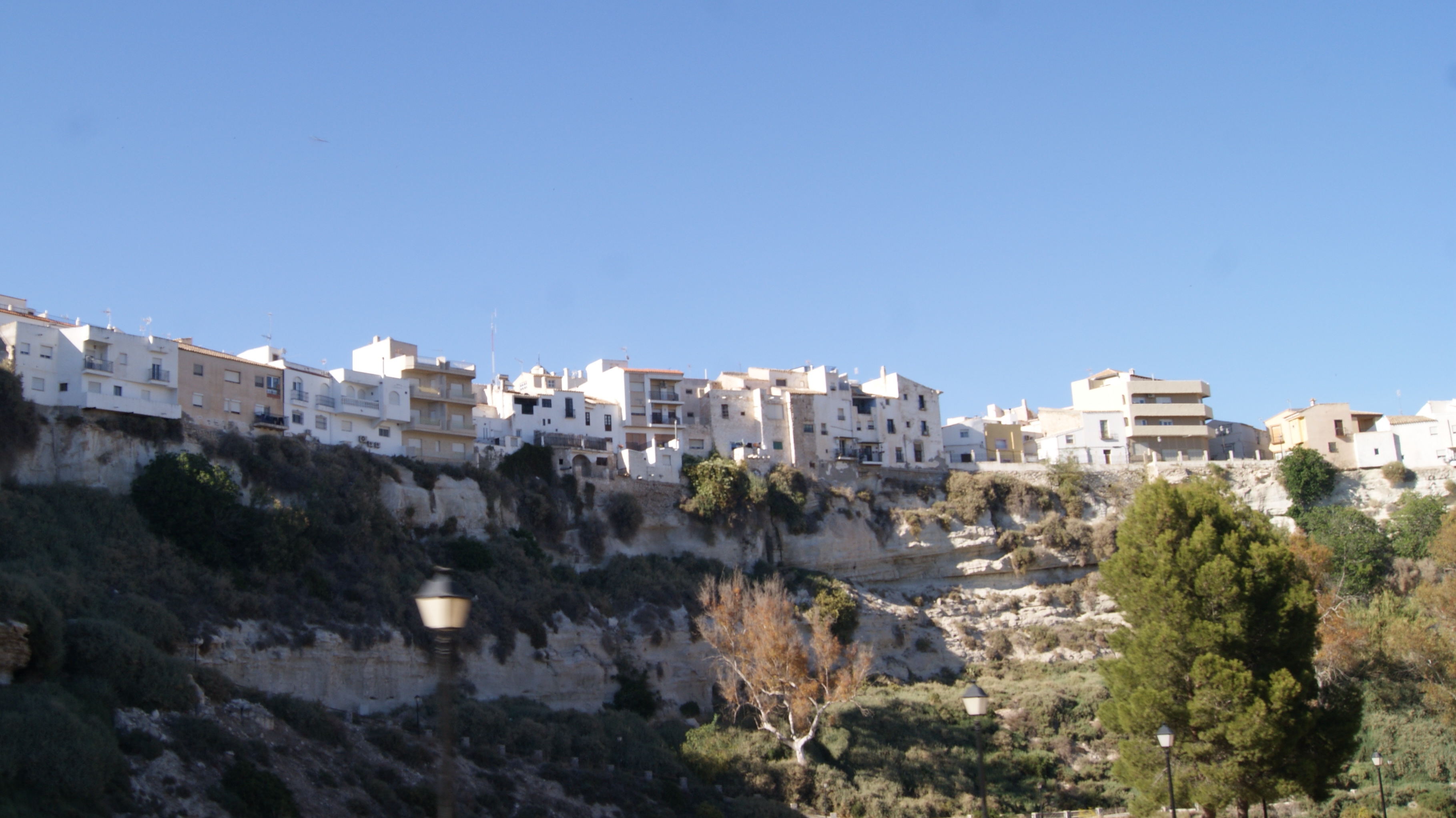
At the highest point stands the church of the Inmaculada Concepción. From here, the layout of Lubrín makes sense. Houses seem to rest against the hillside, while the valley opens out in front. The light tends to be softer early in the morning or later in the day, which makes the view easier to take in.
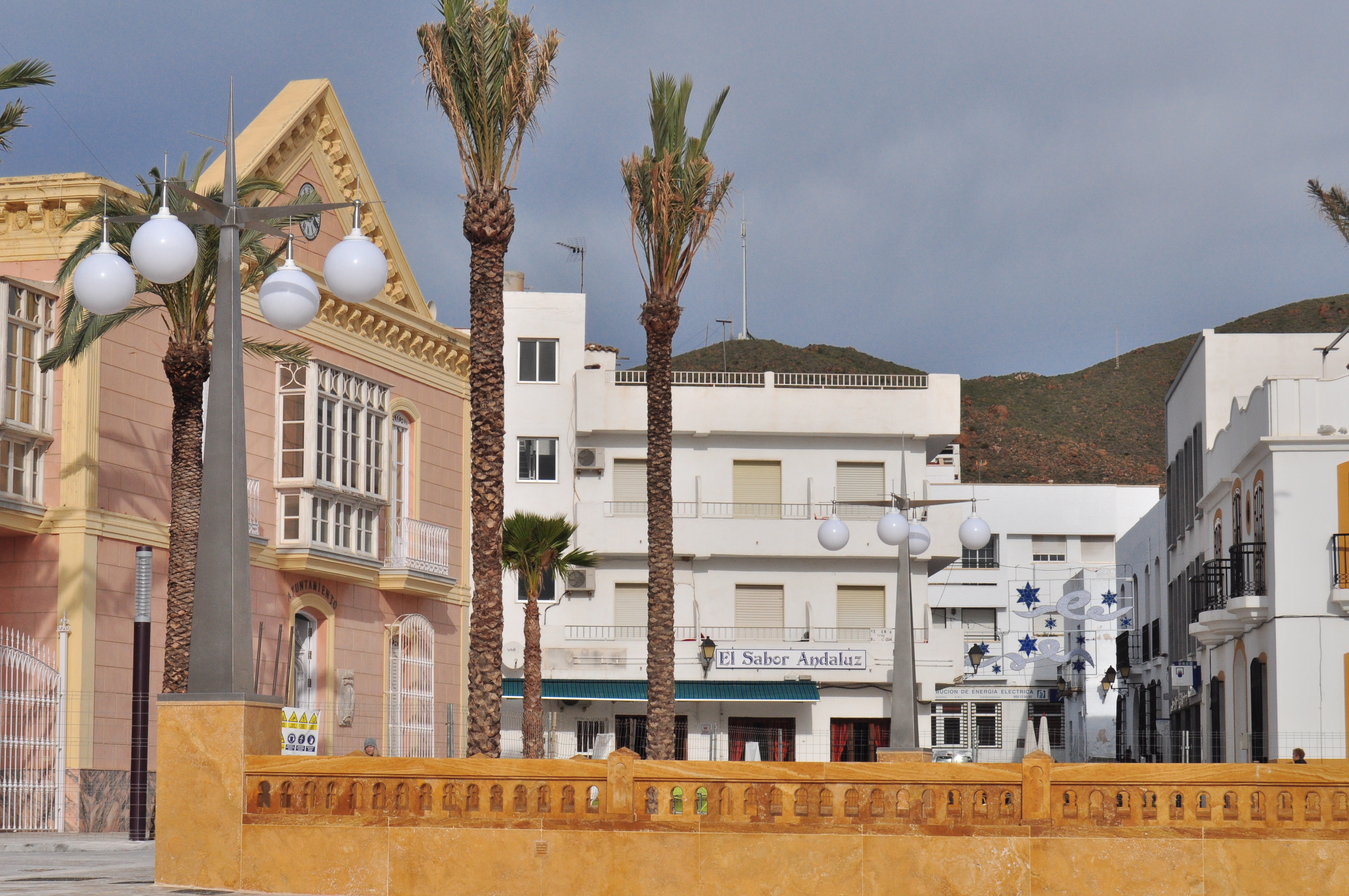
Further down lies the Plaza de España. It is small, with a few benches and some shade. People pass through, stop briefly, or sit and talk. Much of the village’s daily life gathers here in a quiet, unforced way.
Nearby are the old public washhouses, now restored. They do not take up much space, yet they offer a clear reminder of how domestic life once worked when water did not reach every home. Places like this give a sense of the routines that shaped the village before modern infrastructure arrived.
What surrounds Lubrín
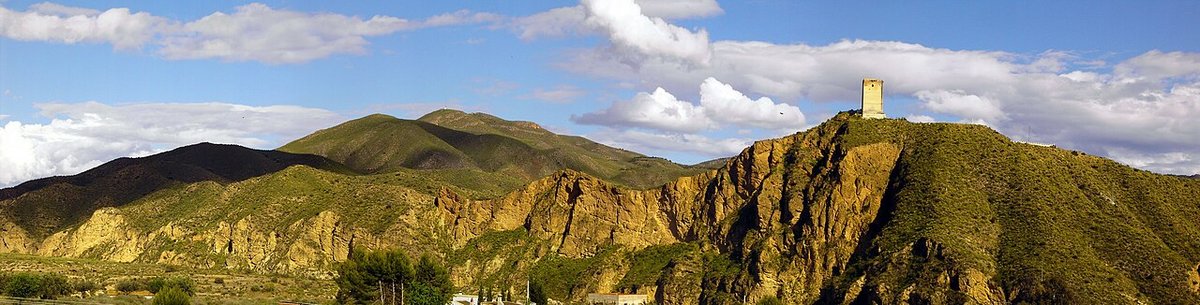
Beyond the main cluster of houses, the landscape opens out into scattered cortijos, traditional rural dwellings typical of southern Spain. Remains of old mills appear here and there, along with acequias, irrigation channels that still cross areas of olive and almond trees. Some terraces lie abandoned, marking former agricultural use.
This setting says a lot about Lubrín’s past. The land was worked closely, shaped into levels and crossed by systems designed to make the most of limited water. Even where activity has faded, those traces remain visible.
Rural paths lead out from the village and wind through the surrounding hills. They do not always have clear signposts. Anyone heading out on foot or by bike should keep a map downloaded, as many junctions look similar and it is easy to take the wrong turn. The routes themselves follow the contours of the land, moving gradually across ridges and dips rather than in straight lines.
Festivals and the rhythm of the year
Life in Lubrín follows a familiar annual pattern, with its main celebrations centred on religious dates. In December, festivities revolve around the Inmaculada. The village gathers around the church, and processions move through the steep streets, adapting to the terrain.
August brings the celebrations dedicated to San Lorenzo. At that time, the atmosphere shifts slightly as people who live elsewhere return. The population feels larger, and the streets carry more movement and activity than usual.
There are also events during Semana Santa, the week leading up to Easter. These are simpler in scale and shaped by the steep layout of the village, which limits how processions can pass through. The result is something more restrained, but still closely tied to local tradition.
When to come and what to expect
Heat is the main challenge in Lubrín when summer peaks. Walking uphill under strong sun can feel demanding, so it is better to head out early in the day or wait until later in the afternoon. The slopes that define the village become much more noticeable in high temperatures.
Spring and autumn tend to be more comfortable for walking. The conditions allow you to move at an easier pace and spend more time outside without the intensity of summer heat. Winter can be cool, though clear days are not unusual in this part of Almería.
Lubrín does not ask for much planning. It works best without high expectations or a long checklist. Park in the lower area, walk up to the church, take in the view of the valley for a while, then make your way back down through the streets at a slow pace. That simple route offers a clear sense of how the village fits into its landscape and how daily life unfolds within it.