Full Article
about Mojácar
One of the most visited and beautiful villages; white old town on the mountain and lively beach area.
Hide article Read full article
When the heat loosens its grip
Around five in the afternoon, when the sun begins to ease and the whitewashed walls stop radiating heat, the geraniums on the balconies stir in a breeze coming up from the sea. On the slopes of the old quarter, there is the low murmur of people making their way towards the viewpoint, and if you step away from the busiest streets, something quieter takes over. Interior courtyards sit in stillness, with pots of basil and the occasional potted lemon tree giving off that damp scent of freshly watered soil. It is a good time to walk through Mojácar: the heat relents and the town settles into a slower pace.
Streets that make you slow down
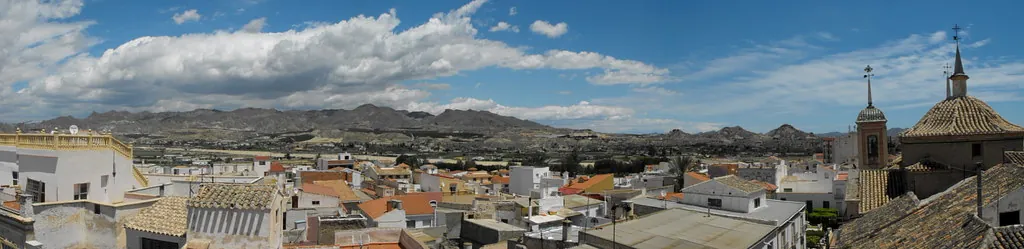
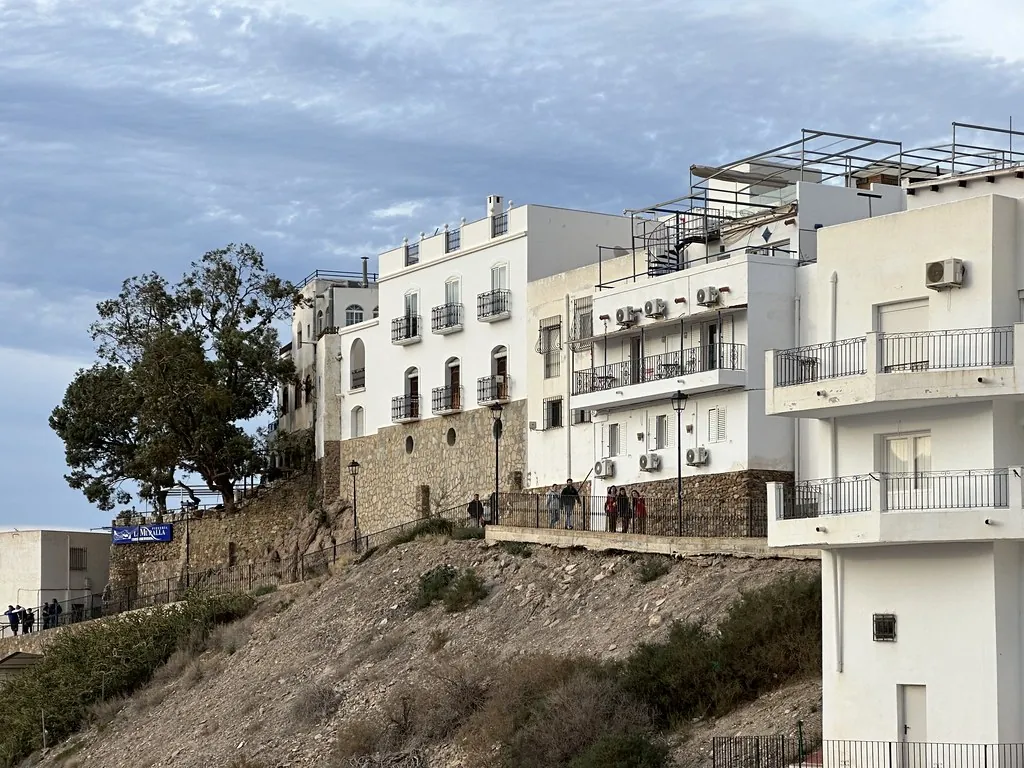
The houses in the old quarter follow a familiar pattern: white walls, blue-painted skirting on many façades, and low doorways that sometimes make you duck as you enter. Streets climb and twist without warning, forming a small maze that, on windy days, offers more shelter than you might expect.
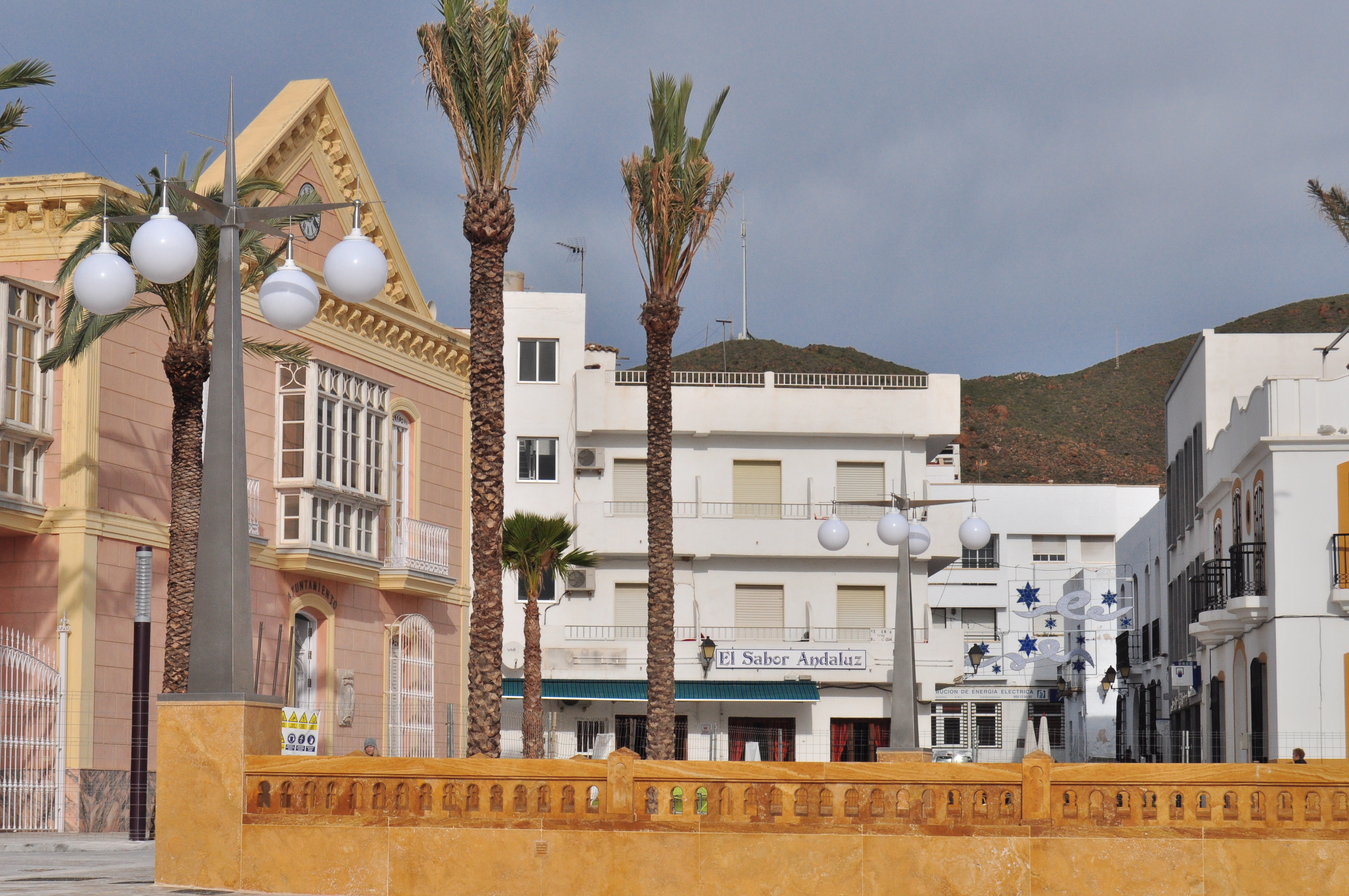
History blends into daily life here. Mojácar was one of the last places in the Nasrid kingdom to become part of the Crown of Castile at the end of the 15th century, and that past still surfaces in conversations and celebrations. In the square by the town hall, it is common to see locals sitting in the shade, playing cards or simply watching people pass by.
On a nearby wall, the Indalo appears painted in simple lines: a human figure holding an arch above its head. It has become a symbol of Almería. The image comes from a prehistoric cave in the north of the province, and for decades many people in Almería have carried it as an amulet.
The Mediterranean at the end of the slope
From several viewpoints in the upper part of town, the Mediterranean suddenly comes into view, a strip of blue taking up half the horizon. Mojácar stands on a hill, so the sea is always there below, a constant point of reference.
The coastline stretches for several kilometres both north and south. There are long, straight sections of fine sand, others with more stones, and areas where dunes and low vegetation still remain. In summer, the stretches closest to the promenade fill up early in the day, while towards the edges of the municipality there is usually more space.
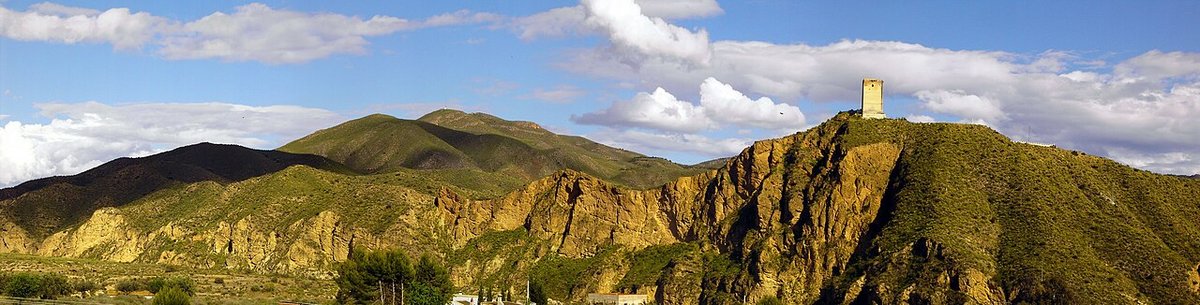
At the southern end stands the Torre de Macenas, an 18th-century defensive tower that once watched over the coast when attacks from the sea were a real threat. Nearby, the río Aguas reaches the shore. In some years it carries enough water to form small lagoons among the reeds. In these calmer patches, small fish and water birds can sometimes be seen, especially outside the busiest season.
Cooking from sea and land
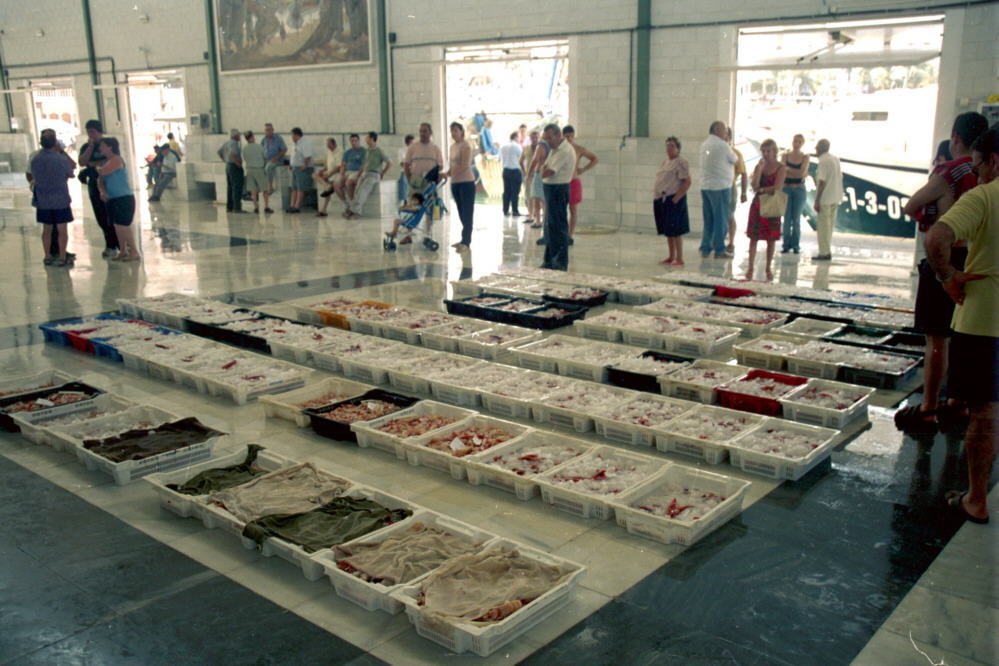
In many homes in Mojácar, cooking still brings together ingredients from the sea and the inland fields. One of the best-known dishes is ajo colorao, a thick stew made with fish, paprika, garlic and bread that softens into the broth. It is the kind of dish that is eaten slowly, with a spoon.
Another familiar presence at family gatherings is trigo, a stew made with cooked wheat grain, similar in texture to a brothy rice dish, combined with vegetables and, along the coast, sometimes seafood. It is common to find different versions from one household to another, each adjusting the base and the stock in its own way.
Festivals and nights by the water
At the beginning of summer, Mojácar celebrates its Moros y Cristianos festival. For several days, groups parade in elaborate costumes, accompanied by band music and symbolic reenactments of historical episodes linked to the area. While its origins lie in the medieval past, today the atmosphere is shaped more by neighbourhood life: months of preparation, entire families taking part, and crowds gathering along the streets to watch.
The night of San Juan draws people down to the coast. Groups head to the beach with food, candles or small improvised bonfires. Rules around lighting fires vary depending on the year and summer conditions, so it is worth checking before doing so. At midnight, some step into the water even if it is still cool, while others stay on the shore, talking late into the night.
Timing your visit and getting around
Mojácar shifts noticeably with the seasons. In high summer, the promenade and nearby beaches fill up, and the nightlife stretches well into the early hours. For a slower wander through the old quarter or a quieter stretch of sand, September tends to work better: the sea still holds the warmth of summer, and the pace drops a few notches.
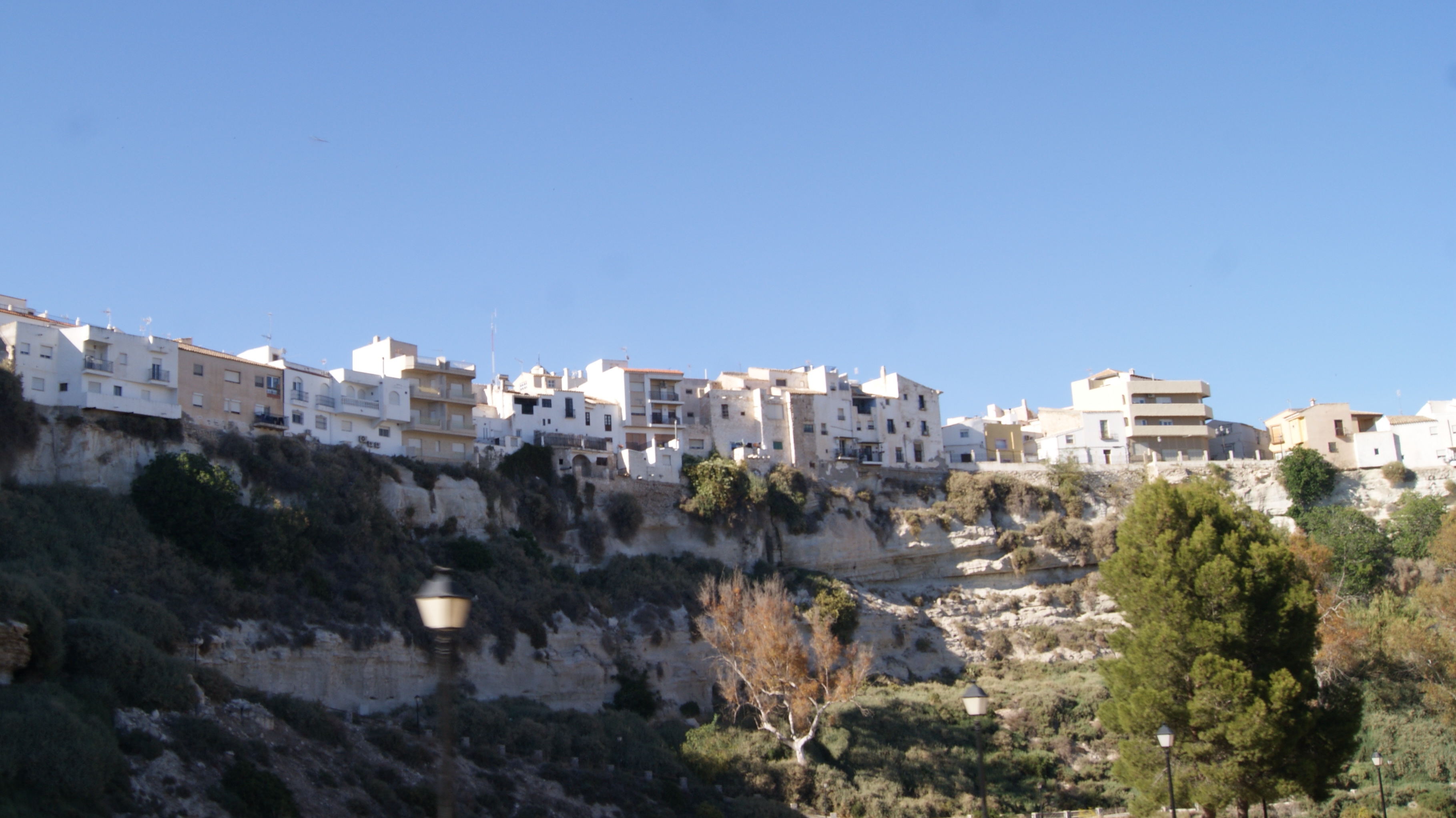
Arriving by car makes things easier. Public transport does exist, but timetables can be limited and many stops are some distance from the old quarter. On the road up to the village, there are several points where it is worth pausing. As you round a bend, the whole cluster of white houses appears at once on the hillside, with the sea behind.
Before leaving, it is worth stopping by one of the historic fountains in the old quarter. For centuries, they were the only supply of