Full Article
about Pulpí
Agricultural and tourist municipality; home to the world’s largest visitable geode and beaches in San Juan.
Ocultar artículo Leer artículo completo
The first thing that hits you is the plastic. Row after row of milky greenhouses blanket the coastal plain, glinting like frost in the morning sun and stretching so far that Google Maps mistakes them for a lake. Somewhere beneath this horticultural ocean lies Pulpí, a market-town-cum-fishing-hamlet that has turned an 11-metre cavity of gypsum crystals into the most talked-about day trip on Almería’s eastern fringe. The geode is real, you can stand inside it, and the contrast between its Jurassic sparkle and the poly-tunnel world above is pure south-east Spain: ancient geology rubbed up against 21st-century salad.
From Iron to Ice-Crystals
Mining built Pulpí. Between 1880 and 1980 wagons of silver-lead and iron ore rattled down to the port of Aguilas, leaving behind a honeycomb of shafts that now provides the village with both a breeze-block museum and, more importantly, constant 12 °C air. That subterranean chill is what keeps the Geoda de Pulpí so intact. Guided tours leave twice an hour, maximum twenty people, hard-hats and liability forms supplied. The walk-in chamber is smaller than the photos suggest—think parish-church nave rather than cathedral—but the crystals are textbook perfect, each two-metre blade catching the guide’s torchlight like polished pewter. Entry is €15, children half-price, and you must book online at least a fortnight ahead between Easter and October. Turn up on spec and the security gate stays shut; Monday is maintenance day, so don’t plan a geode-centric Monday excursion.
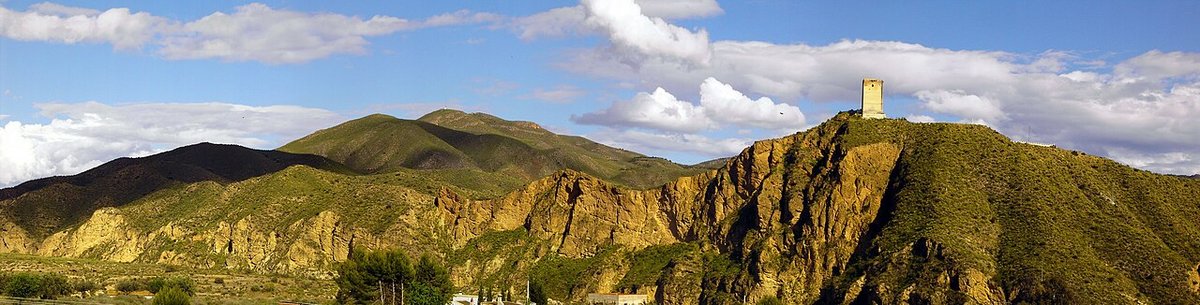
If the morning slot is cancelled by a burst water pipe (it happens), the same ticket stub gives a two-euro discount on the castle of San Juan de los Terreros, ten kilometres away on the coast. The fortress is no Alhambra—more a stout 18th-century gun platform—but the climb earns you a widescreen view of the tomato plains and, on clear days, the Murcian sierra.
Two Centres, One Municipality
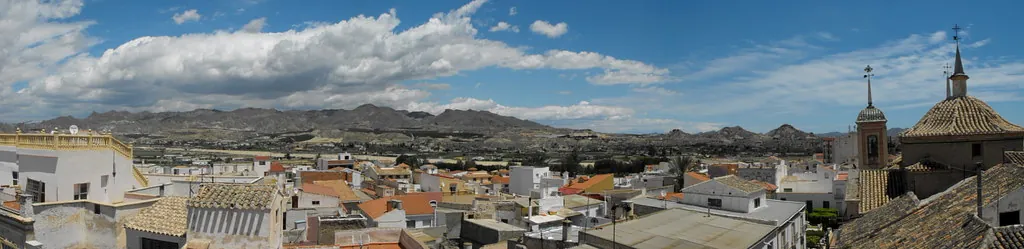
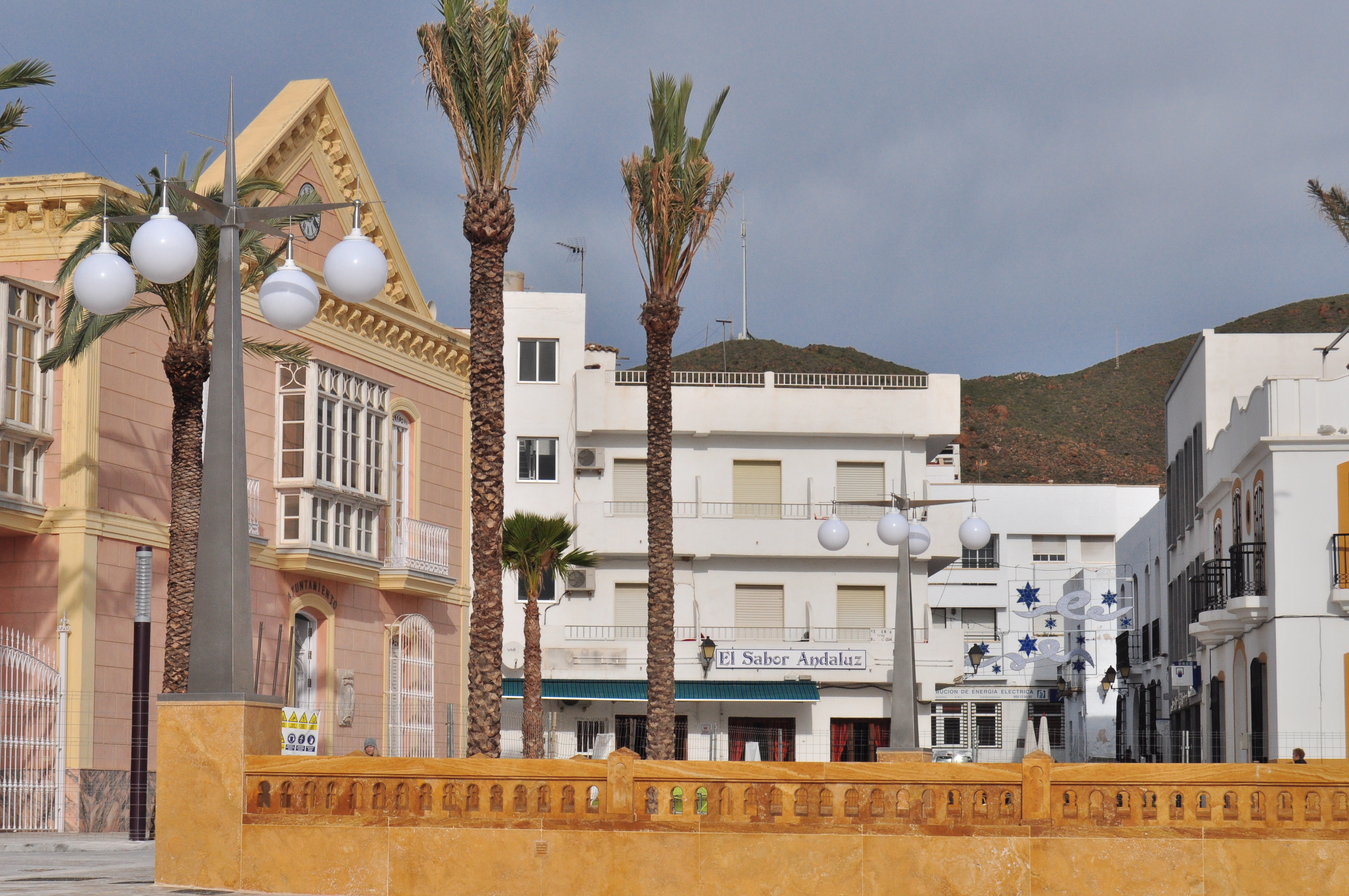
British visitors often arrive expecting a whitewashed fishing village spilling onto sand. In fact Pulpí has two distinct hearts. The hill-top original, 10 km inland, centres on the Plaza de la Purísima, where bar waiters still chalk your bill on the counter and the 18th-century church clock strikes quarters you can set your watch by. Life here is inland-Spanish: old men in checked shirts supervise slow games of petanca, the Friday market sells melons and cheap bras, and the evening paseo starts at 20:00 sharp. Even in August the town feels drowsy; most souvenir shops are simply hardware stores that have hung a geode postcard in the window.
The second centre, San Juan de los Terreros, sits on the Med at the end of a straight, fast road that smells faintly of irrigation runoff. Apartments built in the 2000s curve round a scallop of biscuit-coloured sand. The beach is wide, gently shelving and mercifully free of the cigarette-end density found further west on the Costa Tropical. British voices are still rare; Spanish families from Murcia dominate the sun-lounger rows (€4 a day, parasol included). A paved promenade offers the usual trinity—churros, ice-cream, inflatable toys—but nothing rises above four storeys and the neon is minimal. If you want foam parties, head to Mojácar; if you want a child-friendly swim followed by grilled prawns at €9 a plate, this works.
Walking Off the Plastic
Behind the greenhouses the ground rises quickly to the Sierra de las Estancias, a bone-dry range where thyme and dwarf fan-palm are the only things that bother to grow. A way-marked path leaves from the cemetery gate at Pulpí and climbs 400 m over 5 km to a sandstone arch known locally as the Puente de los Terreros. The route is easy to follow but shadeless; set off before 09:00 outside winter months and carry more water than you think necessary. The payoff is a view back across the plastic sea to the faint blue stripe of the coast, a sight that makes the greenhouses look almost beautiful—like a reptile’s scales catching the light.
For something gentler, drive 15 minutes to Cala de la Tía Antonia, a pocket-sized cove reached by steel steps bolted into the cliff. At high tide the sand all but disappears, so time your visit for late afternoon when the water is mill-pond still and the only sound is the clink of anchor chain from a single moored yacht.
What to Eat, When to Eat
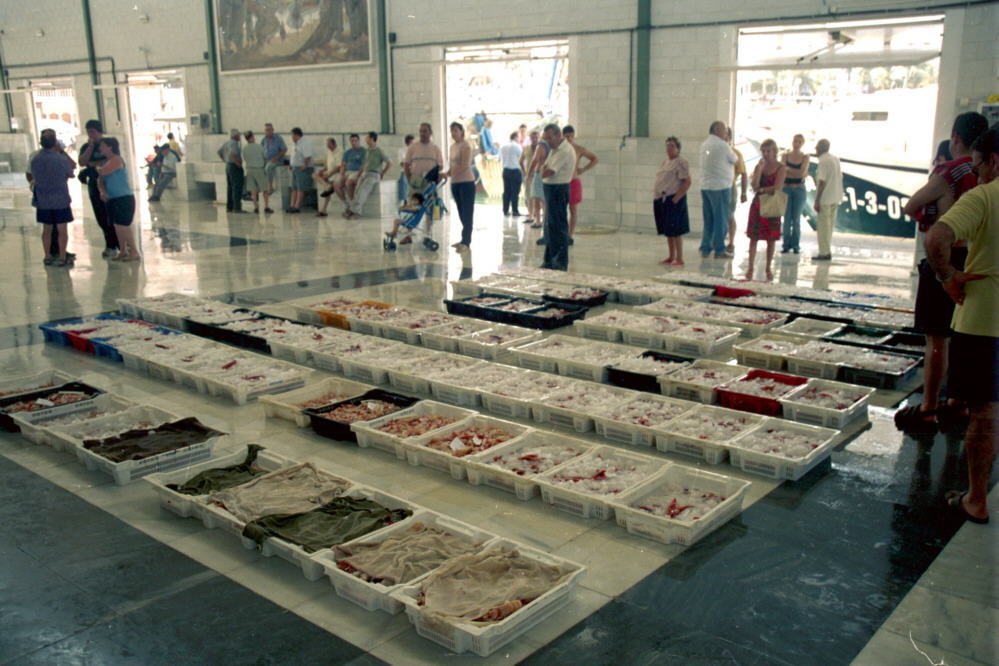
Pulpí’s restaurants observe strict siesta hours: kitchens close at 16:30 and reopen at 20:00, whatever your flight schedule says. Inland, try Casa Paco on Calle Nueva for migas—fried breadcrumbs laced with garlic, pepper and nuggets of pork belly, a dish that tastes like Christmas stuffing gone rogue. Down at the beach, El Rincón de Curro serves ajo colorao, a paprika-red fish stew thickened with potatoes; ask for the “medio ración” unless you’re starving. Calamari rings are reliably tender, having been netted that morning in nearby Garrucha and trucked east before sunrise. Vegetarians should head for the weekly Saturday market (08:00–14:00) where local growers sell tomatoes that actually taste of tomato and the sweetest peppers you will ever bite raw.
Weather, Crowds and Other Caveats
Pulpí averages 325 sunny days a year, but that statistic hides a winter sting. January daytime highs of 18 °C feel balmy until the sun drops behind the sierra and temperatures plummet to 7 °C. Most rental apartments have no central heating; pack a fleece and request an extra blanket. Conversely, July and August can hit 38 °C by mid-morning; the geode mine provides natural air-conditioning, yet the queue outside does not. Aim for April–May or late September–October: warm enough to swim, quiet enough to park.
Bank-holiday weekends see Murcia empty south-eastwards and the geode tours sell out months ahead. If you must come then, stay Tuesday-to-Thursday when hotel prices dip by a third and you’ll have the castle to yourself.
Getting Here, Getting Round
Almería airport is 90 minutes west on the A-7; Murcia-Corvera is 55 minutes north. Car hire is almost essential—local buses run twice daily except Sundays when there are none. A taxi from Pulpi town to the beach costs €18 each way and you’ll wait 30 minutes for the return pick-up. Parking at San Juan is free outside August; in high season arrive before 11:00 or be prepared to parallel-pinch on the inland side of the N-332.
Last Glance Back
Pulpí won’t change your life. It has no flamenco tablaos, no Michelin stars, no all-night clubs. What it does have is the only geode on the planet you can walk inside without a geology PhD, plus a coastline that still belongs to Spanish families rather than tour operators. Book the crystal cave early, remember the jacket, and bring an appetite for proper red prawns. After that, the greenhouses shimmering in the heat-haze might just look like fields of silver.