Full Article
about Turre
Inland town near Mojácar; known for its cuisine and archaeological remains in Sierra Cabrera.
Ocultar artículo Leer artículo completo
The first thing you notice is the almond blossom. February turns the surrounding fields into a haze of white and blush pink, so vivid it looks like someone’s adjusted the saturation. Turre sits at just 53 metres above sea level, low enough for the sea breeze to reach it, high enough that the Sierra de los Filabres still looms protectively to the north. It’s neither beach resort nor mountain hideaway; instead, it occupies the useful bit in between, a place where locals outnumber visitors and a coffee still costs €1.40 if you stand at the bar.
A Village That Forgot to Pose for Postcards
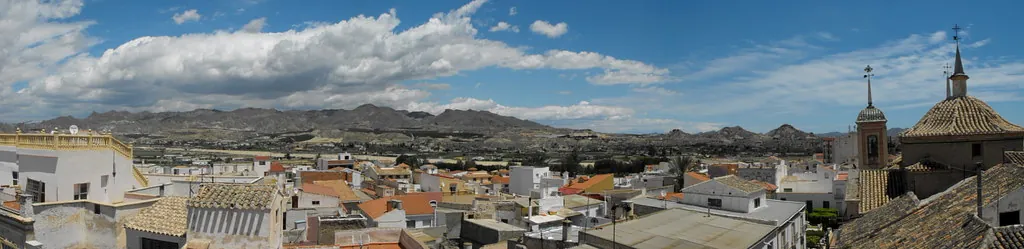
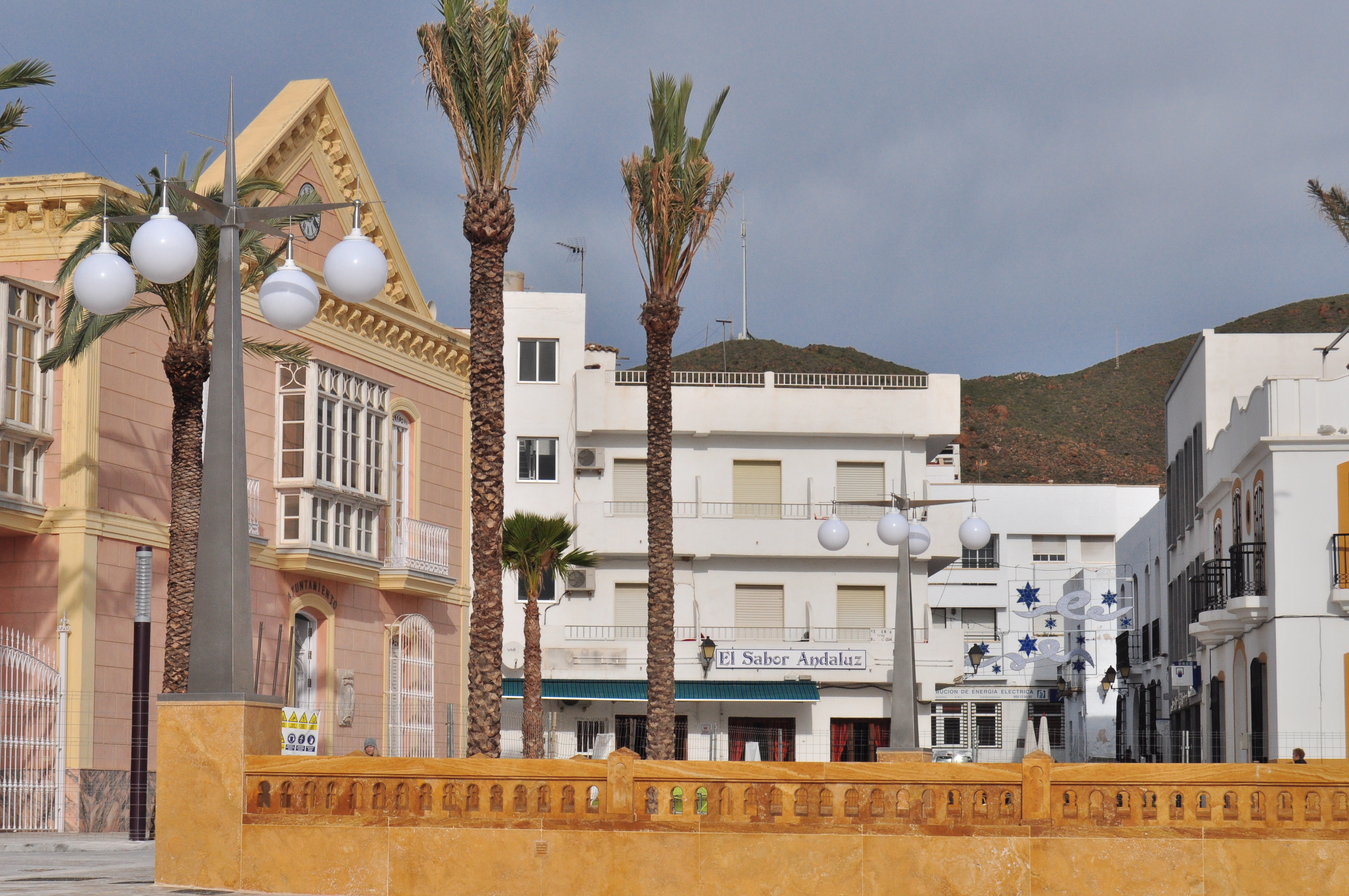
Forget the fantasy of tumbleweed-quiet cobblestones at noon. Turre’s streets are narrow, yes, and the houses are the regulation white with bottle-green grilles, but there’s traffic: delivery vans, mothers on scooters, builders’ pickups rattling past the 16th-century Iglesia de la Purísima Concepción. The church tower works as a compass; lose your bearings, look up, re-orientate. The layout wasn’t designed for wandering, it was designed for shade and defence, so the lanes twist, dead-end, then suddenly spill into small squares where old men argue over dominoes and the pharmacy still shuts for siesta.
What passes for “sights” won’t fill a morning. A fragment of Arab wall, a mirador with a view south-east towards the glint of the Med, the Friday market that takes over Calle Mayor with tarpaulin stalls selling pants, peppers and knock-off tools. That’s it. The appeal is absence: no souvenir tat, no choruses of “Hello, friend!” from restaurant touts, no €7 gin-and-tonics. Instead, you get the mildly astonished stare of a woman who has lived here 70 years and still isn’t sure why foreigners keep buying ruined townhouses on Calle San Sebastián.
Between Coast and Desert
Drive ten minutes south on the AL-6117 and the thermometer drops as the air thickens with salt. Mojácar’s beach bars appear, all polished driftwood and €14 salads. Turn north and you’re into spaghetti-western territory: ramblas dry eleven months of the year, esparto grass, lonely farmhouses built like small fortresses. Turre’s restaurants reflect that split. At Bar La Noria, order a caña and you’ll receive a free tapa of tender pork cheek stew; the chef used to work in a Madrid hotel before chucking it in for Almería’s slower pulse. Next door, The Garden Bar does a perfectly respectable Sunday roast—Yorkshire batter, Bisto-adjacent gravy—because 40 % of the clientele are Brits who’ve traded Surrey for sunshine and still want parsnips.
Prices drop about 30 % the moment you leave the coast. A three-course menú del día in Turre hovers around €12; in Mojácar Playa you’ll pay €18 for a club sandwich. The catch is you’ll need wheels. There’s a bus to Garrucha twice a day, but it meanders through avocado farms and takes 35 minutes for 12 km. Hire a Fiat 500 at Almería airport (45 minutes on the A-7) and you’ve bought freedom to hop between desert, sierra and sea whenever the almond blossom loses its novelty.
Walking, Eating, Repeating
Maps.me shows a spider-web of footpaths fanning out from the village. Most are still used by goat herders; some peter out among plastic-greenhouse poly-tunnels that glitter like insect wings. The classic loop climbs gently north-west to the abandoned cortijo of El Rincón, then contours back with views across to the Cabrera massif. Allow two hours, take more water than you think—there’s no bar, no fountain, precious little shade. Spring is prime: daytime 22 °C, nights cool enough for a jumper. October works too, once the thermometer stops flirting with 35 °C.
Back in town, lunchtime choices are limited but honest. Cortijo Valverde plates up thick entrecôte with local rosemary, or a beetroot-and-goats-cheese stack for the meat-weary. Churros arrive at Cristina’s café only on Saturday and Sunday mornings; if the queue stretches out the door, join it—oil is changed daily, chocolate is dark enough to stain the spoon. Evening drinking moves to the square beside the town hall. Tables are shared; dogs underfoot; by midnight the teenage crowd has commandeered the benches and their grandparents have retreated indoors. Last orders are called without drama at 01:00. If you want disco lights, Mojácar is 12 minutes down the hill.
When the Village Lets Its Hair Down
August fiestas transform Turre into a case study in controlled pyromania. Every night between the 6th and 15th there’s a procession, brass band or open-air dance; the barrage of fireworks startles swifts from the eaves at dawn. Book early—Hostal Rural Turre’s 19 rooms sell out by May—and expect volume. Double-glazing helps, but earplugs are wiser. Alternatively, come for Semana Santa: three pasos (one with a 17th-century Virgin that locals swear sheds real tears), trumpets echoing off whitewash, rosemary incense drifting through the streets. Visitor numbers double, but that still means only 300 extra people.
Winter is the quiet flipside. Daytime 16 °C, nighttime 7 °C; most bars keep a log fire going and serve thick lentil stew with morcilla. Rental prices halve. The trade-off is shorter daylight and the chance of a levante wind that whips dust from the Sahara and leaves a fine red film on balcony rails. On those days visibility drops to 500 m and the sierra disappears; walking becomes a grit-in-teeth experience.
What the Estate Agents Won’t Mention
Turre isn’t twee. Abandoned houses still collapse gently at the periphery; wiring dangles like spaghetti from some façades. The local council paints the centre, forgets the outskirts. Parking on market day is a blood sport—arrive before 09:00 or be prepared to parallel-park into a space sized for a donkey. Mobile signal is patchy in the narrowest lanes; WhatsApp voice notes stall halfway through. And if you arrive on a Sunday afternoon you’ll find the supermarket shuttered, the bakery closed, even the Chinese bazaar that sells everything from flip-flops to frying pans observing the day of rest. Plan ahead or go hungry.
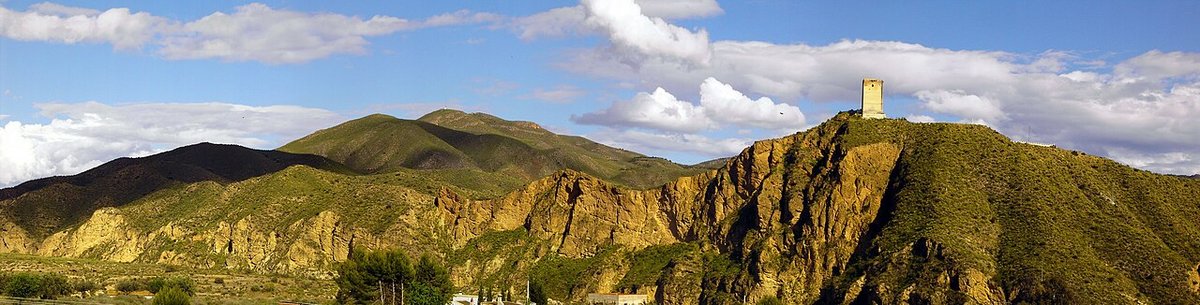
Yet that same functionality is the draw. This is a place where the butcher knows how you like your chops trimmed, where the pharmacist will chase you down the street because you dropped your inhaler, where the Friday market still weighs out loose spices in paper cones. Turre won’t dazzle; it will, if you let it, settle. One more coffee, one more almond-scented stroll, one more sunset from the old fortress mound while the swifts wheel overhead. Then you drive back to the airport, leave the hire car half-cleaned of blossom, and realise the village has done the most un-Spanish thing possible: it has under-sold itself.