Full Article
about Vera
A municipality that combines a historic inland village with a large naturist and textile beach area.
Hide article Read full article
A town shaped by defence
Any look at tourism in Vera starts well before the beaches. In the 16th century, during the Morisco rebellion, the town endured a long siege. Chronicles describe women melting lead from windows to make ammunition while men defended the walls. It is a stark image, but it captures something essential about Vera: this has long been a place used to living on a frontier.
That sense of exposure influenced how the town developed, both in its layout and its buildings. Defence was not an occasional concern but part of daily life, and it left a visible mark that still defines the historic centre.
From hilltop stronghold to planned town
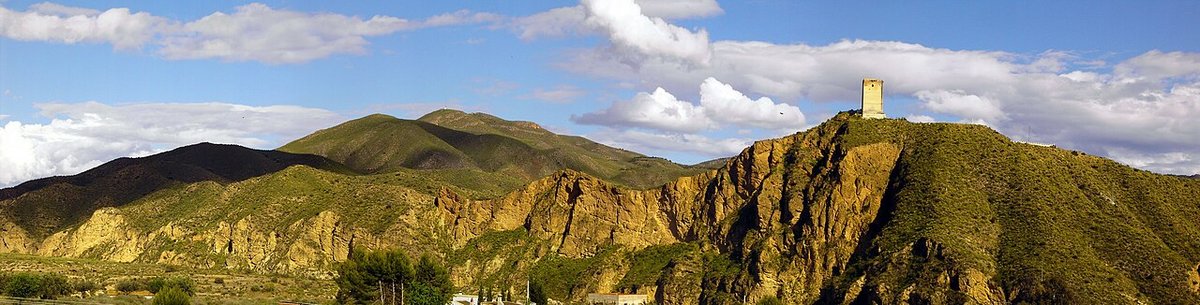
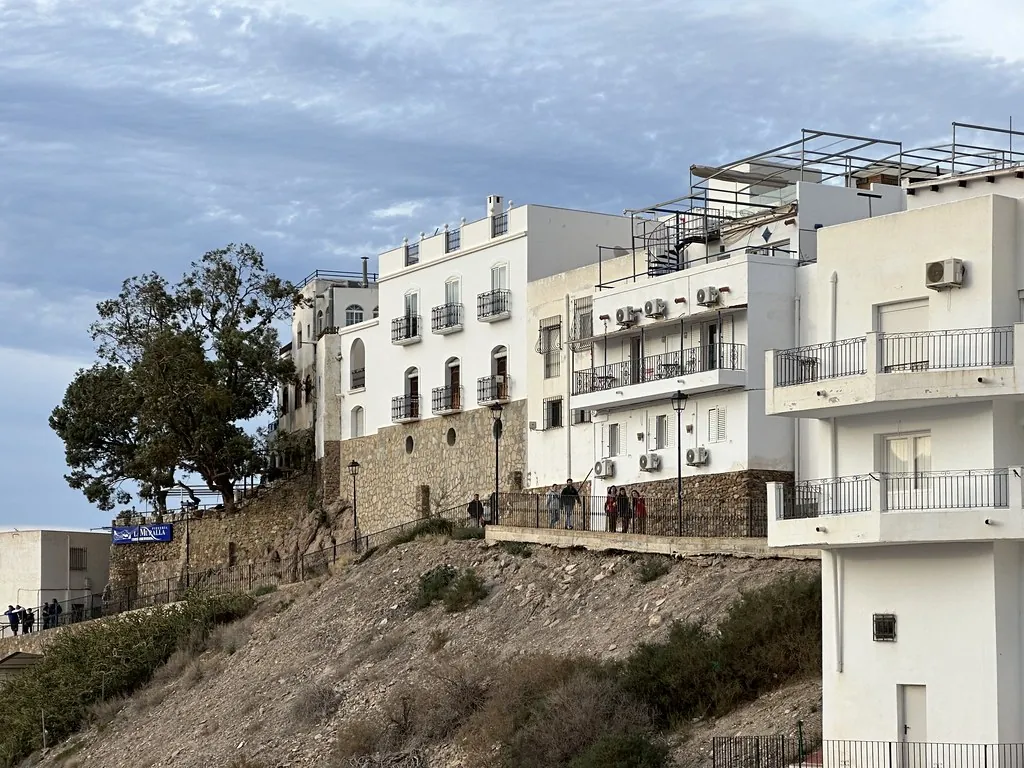
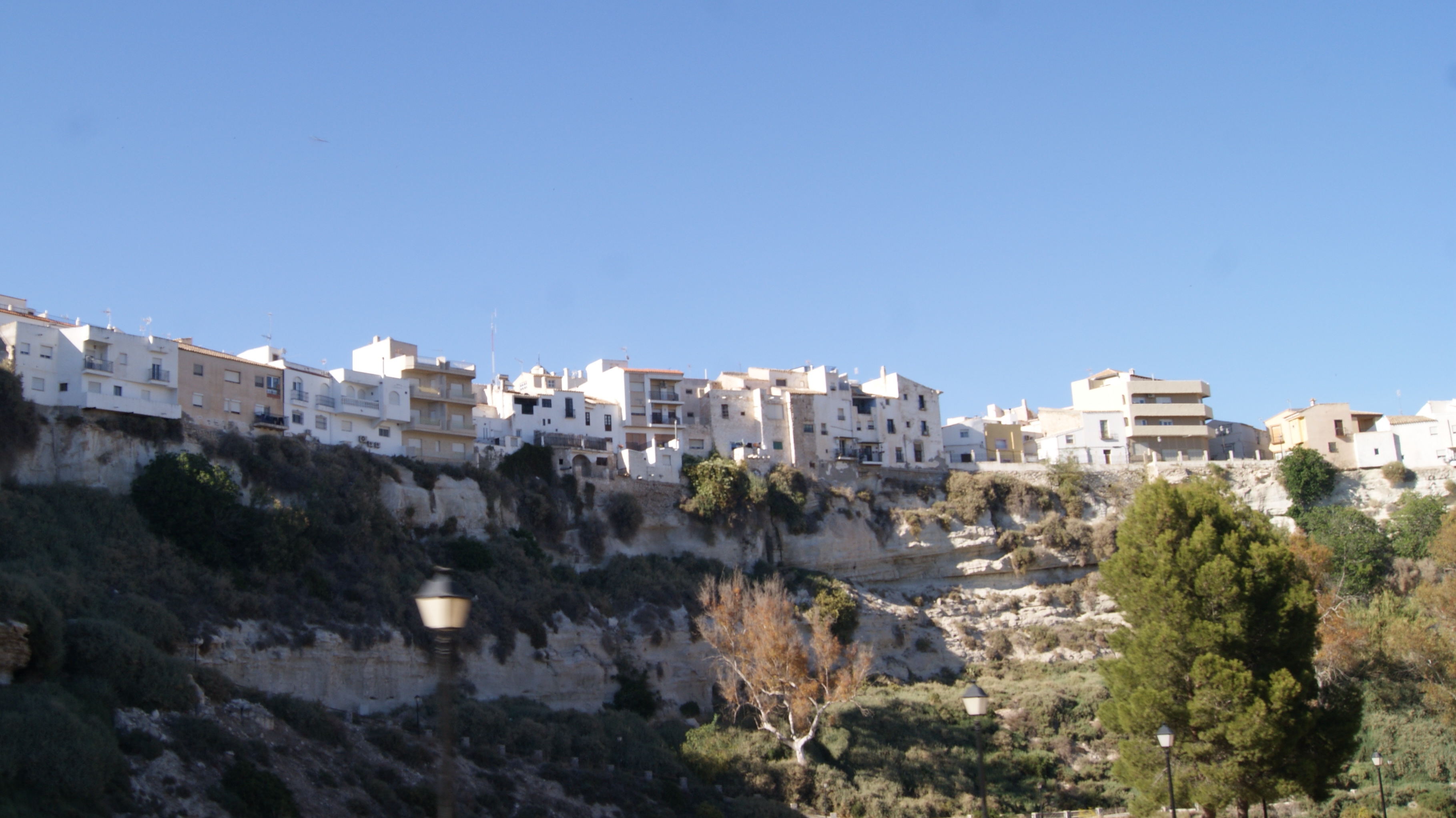
Vera exists where the Kingdom of Granada once ended. The original Muslim settlement stood on the Cerro del Espíritu Santo, a high point overlooking the fertile plain of the Antas river and the natural route to the coast. After the Catholic Monarchs took the city at the end of the 15th century, they chose to move it down to the flat land. The new location made it easier to monitor the territory and organise defence.
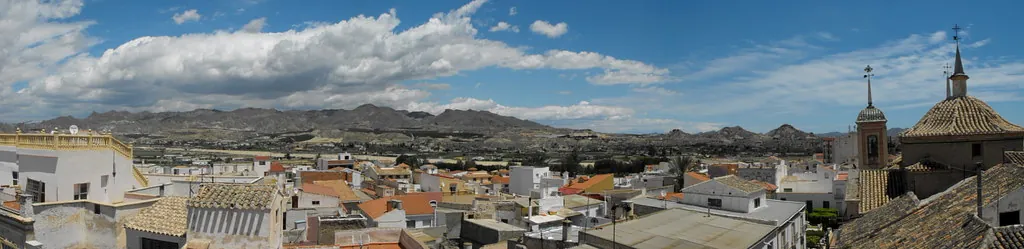
This relocation was almost a complete rebuild. The town follows a Castilian model, with straight streets and regular blocks. That was no coincidence. In a frontier settlement, urban planning also had a military function.
The Iglesia de la Encarnación brings that idea into focus. Built in the 16th century on the site of the former mosque, it looks more like a fortress than a church from the outside. Thick walls, towers and carefully placed openings were designed to defend the square if needed. Inside, the atmosphere shifts. A later Baroque altarpiece introduces a more decorative tone, reflecting a town that gradually moved away from constant alert.
A convent with a changing role
Not far away stands the Iglesia de San Agustín, once part of a 16th-century convent founded as the monarchy worked to consolidate control over former Nasrid territory.
The history of the building mirrors the tensions of the time. During the War of the Alpujarras, the complex was often used for military purposes. Cloisters and rooms changed function depending on what was required. Today, little remains of the original convent, and what survives is mainly the church itself, with a Renaissance façade that feels more imposing than the scale of the complex might suggest.
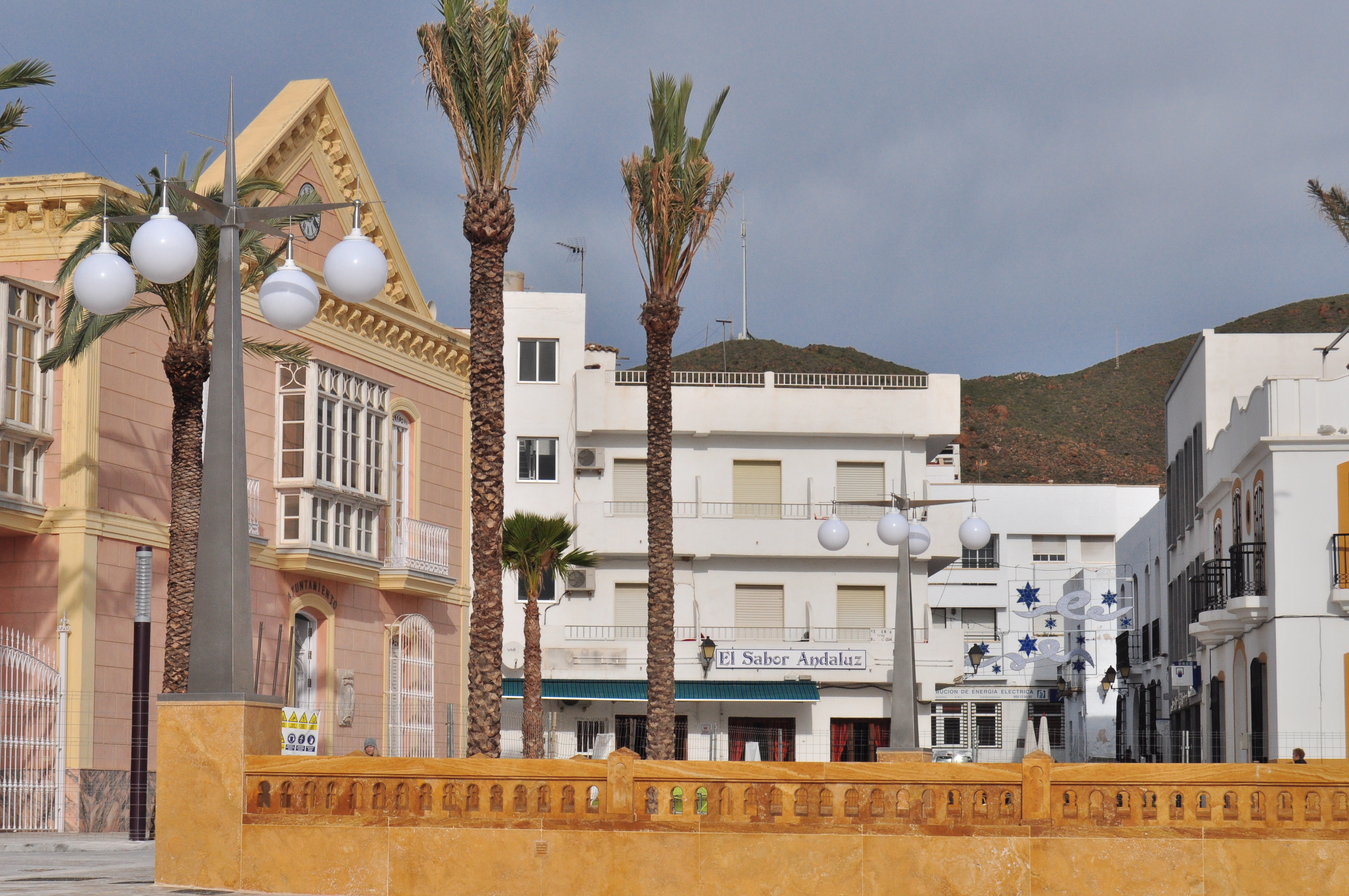
In the main square, the town hall marks another phase in Vera’s story. Municipal power has been organised here since the 17th century. The large arch on the façade allowed carts and horses to pass through, while the balcony above was used to announce official decisions. It was a way for authority to remain visible while keeping a certain distance from everyday life.
Ceramics with a playful twist
Vera’s ceramic tradition carries a sense of humour. Some pieces were designed to trick anyone unfamiliar with how they worked. The best-known example is the multi-spouted water jug. Drink from the wrong opening and the result is predictable: you end up soaked.
This playful approach appears in other traditional items as well. There are jugs with handles that do not function as expected, and containers that only fill properly if tilted in a particular way. The town’s ethnographic museum preserves examples from the 19th and early 20th centuries, when potters competed to invent ever more ingenious designs.
These objects offer a different perspective on local craftsmanship. Skill was not just about utility, but also about creativity and a touch of mischief.
The flavour of a dry landscape
Local cooking reflects an agricultural and dry environment. Dishes tend to be substantial and slow-cooked. Gurullos con conejo, a pasta-like dish with rabbit, requires time and patience. Recipes such as ajos coloraos and migas de trigo are still part of everyday food culture.
The hornazo often comes up in conversations about traditional baking. It is a bread roll with an egg, designed to keep well for several days. For centuries it was prepared as food for journeys or long days working in the fields. That practical purpose still explains its shape and size.
The cuisine here is closely tied to the land, shaped by what could be grown and how long it needed to last.
When Vera meets the sea
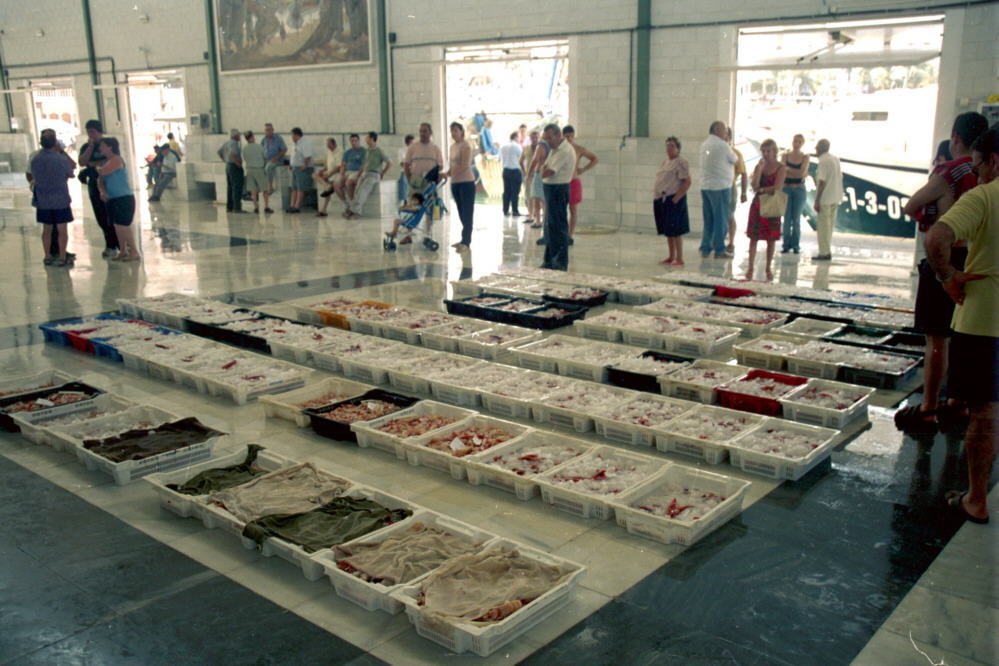
Although the municipality now includes a coastline, the historic town lies several kilometres inland. For a long time, contact with the sea came through Garrucha, the area’s natural port.
From the second half of the 20th century, beaches and nearby developments began to expand. Even so, the pace of life in the town centre remains distinct from that of the coast. Many visitors spend the day by the sea and head up to the town in the evening, when the square and central streets fill again.
Between Vera and Garrucha runs a path that follows old irrigation channels. The route passes market gardens, terraced almond groves and greenhouses, with the Mediterranean appearing in the distance as a steady line.
Getting there and finding your bearings
Vera sits in the Levante Almeriense, close to the A-7 motorway that connects the area with Almería and Murcia. The historic centre is easy to explore on foot, and in a couple of hours it is possible to get a clear sense of the town’s layout.
If time allows, the Cerro del Espíritu Santo is worth the climb. This was the site of the first Vera. From the top, the view takes in the river plain, the current town and the coastline. It makes clear why this spot served for centuries as a strategic point on the eastern edge of Andalucía.