Full Article
about Huétor Tájar
World-famous for its D.O. green asparagus; a thriving farming town in the Genil plain.
Ocultar artículo Leer artículo completo
The morning train from Granada reaches the edge of town at 484 metres, low enough for the air to feel warm even in April. From the single platform it's a ten-minute walk to the centre, past irrigation channels that smell faintly of wet earth and the low hum of greenhouse fans. This is not the Granada of the Alhambra tour buses; it's the flat, fertile vega that actually feeds the province, and Huétor-Tájar is its market town.
Fields Before Facades
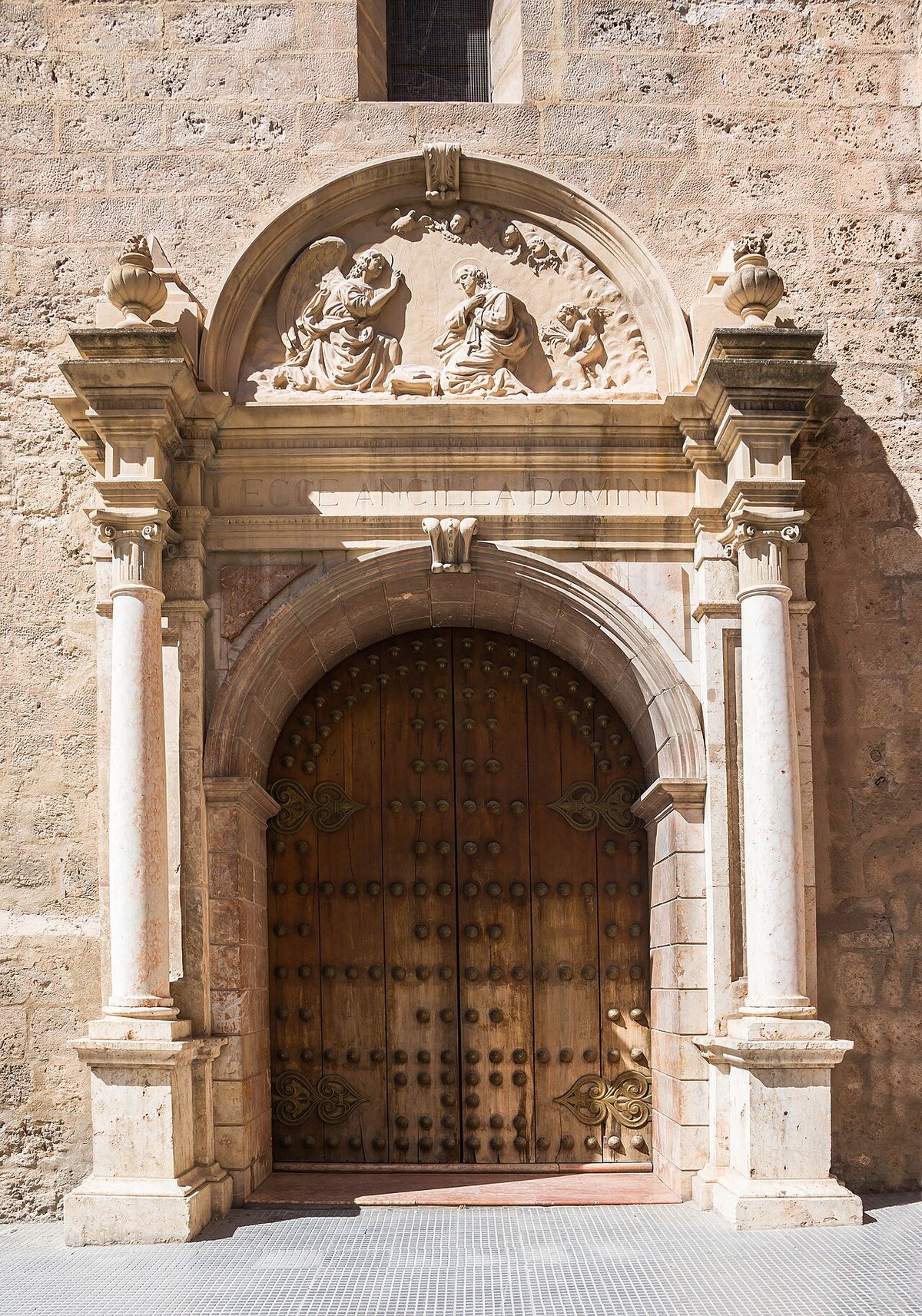
Forget the cliff-hanging white villages you've seen on postcards. Huétor-Tájar spreads across level ground, a place where function has always beaten form. The streets are laid out on a grid wide enough for tractors, and the tallest structures are the concrete silos by the cooperative, not church towers. That said, the sixteenth-century Iglesia de la Encarnación does anchor the main square, its plain Renaissance stone warmed by the afternoon sun and the odd burst of bougainvillea. Inside, the baroque altar gleams with the sort of gold leaf that travelled here from Seville when the river Guadalquivir still carried Atlantic trade. Step out again and you'll likely meet the same group of retired men on the same bench, arguing over yesterday's football scores as if the season still mattered.
The town's real monuments are outside the centre. From March to May the asparagus fields form a rippling green carpet that stretches to the motorway. Harvest starts at dawn; crews move along the rows cutting spears that will reach Covent Garden or Borough Market within 48 hours. Visitors are welcome to watch from the dirt tracks, but don't wander between the plants—broken stalks mean lost wages. If you time it for the last weekend in April, the Fiesta del Espárrago turns the fairground into an open-air tasting menu: paper cones of grilled spears, chilled asparagus-mint soup dispensed from giant vats, and the curious local flan—savoury, set with egg white, and surprisingly good with a glass of chilled verdejo.
Eating the Valley
British palates sometimes struggle with Andalusian intensity, yet Huétor-Tájar's cooking is refreshingly gentle. Order crema de espárragos and you get a velvety pale-green soup, no fish stock, no chilli, just stock from the vegetable itself. The classic plate of espárragos a la plancha arrives with a poached egg and a single curl of jamón; ask for it sin jamón and the kitchen simply adds more olive oil—no raised eyebrows. Prices are farm-gate low: a three-course menú del día runs to €12–14, wine included, and tapas still come free with each drink in most bars.
Try Bar El Pozo before noon and you'll share the counter with labourers ordering calicas, crumbs of yesterday's bread fried in olive oil with garlic and bits of chorizo. The dish sounds heavy; eaten at 11 a.m. with a cortado it makes perfect sense. Later, Casa Miguel serves salmorejo thicker than any you'll find in Córdoba, topped with diced egg and mojama—cured tuna that tastes like ultra-posh Marmite. Finish with a * Media naranja* : local orange halves topped with a splash of gin and mint, the nearest thing the valley has to cocktails.
Flat Roads, Big Sky
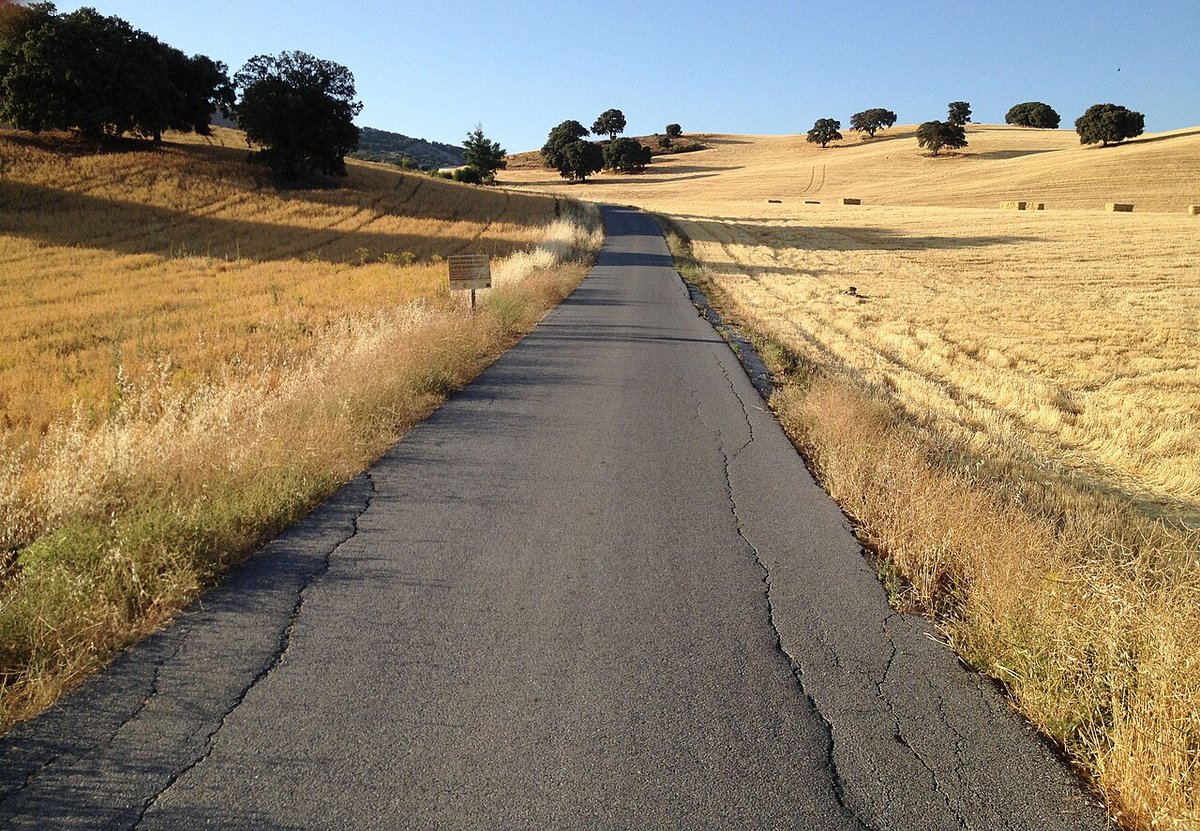
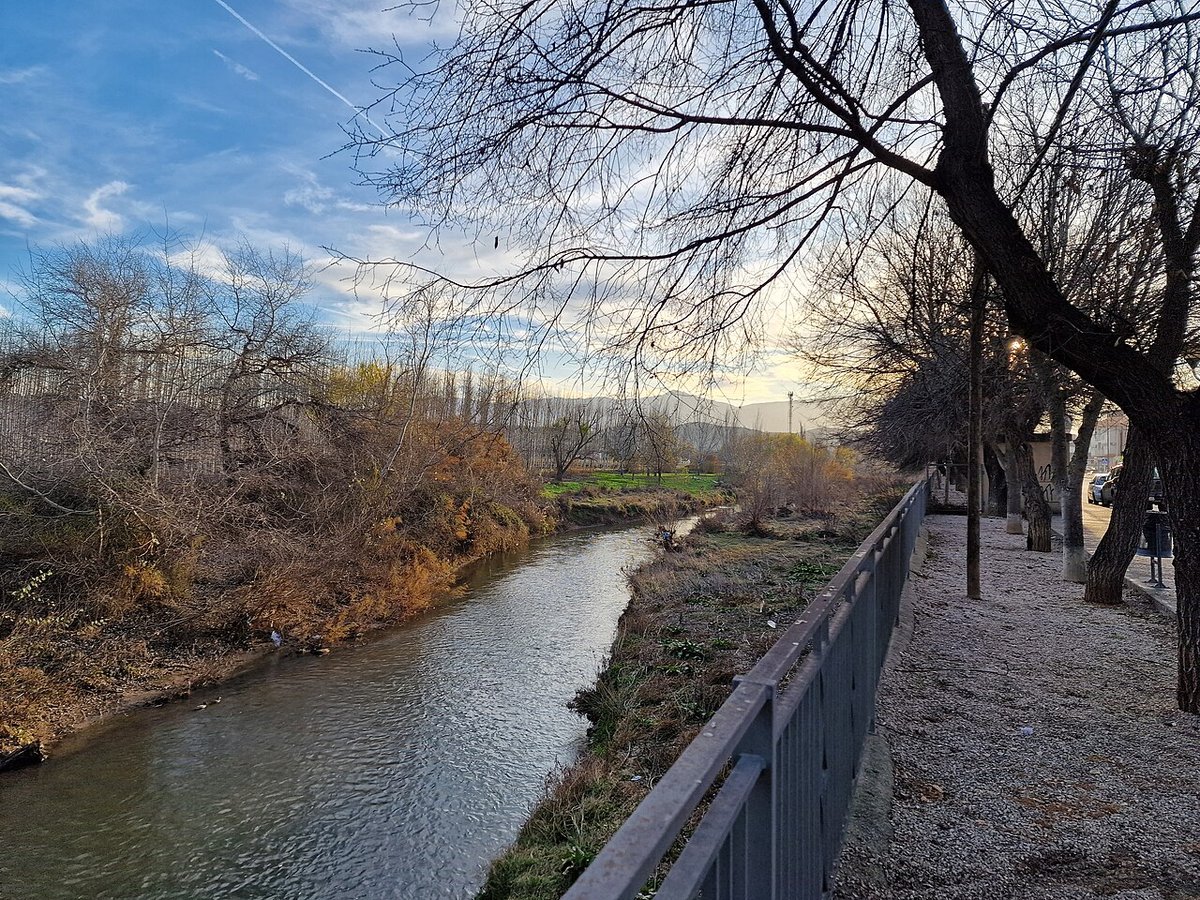
The Genil River loops south of town, its poplars shading a dirt track that cyclists use as a training flat. Hire a bike from the shop behind the market (€15 a day; cash only) and you can follow the irrigation channels west to the ruins of Roman watermills, 8 km of almost dead-level riding. Return via the olive groves at dusk and you'll see the Sierra Nevada turning pink beyond the glasshouses, snow still clinging to the 3,000-metre line even in May. Walkers without bikes can simply head out on the farm lanes at sunrise; by 7 a.m. the air is cool enough to need a jumper, and the only sounds are irrigation water clicking through sluice gates and the occasional tractor reversing with a warning beep.
Summer is a different story. From mid-June the asparagus tops are mown, exposing bare soil that radiates heat. Daytime temperatures sit in the high thirties; sensible people adopt the Spanish timetable—errands before 11 a.m., siesta, then back out after 7 p.m. when the sky softens to copper. Even then you'll want water, a hat, and factor 30. Winter, on the other hand, is underestimated: midday highs of 16–18 °C, empty rural roads, and hotel rooms at half-price. January brings mist that pools in the valley so thick you can't see the church tower from the square; drive five minutes uphill towards Loja and you break into brilliant sunshine—one of those quietly theatrical moments the guidebooks never mention.
Getting There, Getting In
Public transport exists but only just. Buses leave Granada's Estación de Autobuses at 07:15 and 14:00, arriving forty minutes later; the return legs are 13:30 and 19:00, weekdays only. Miss the last bus and a taxi costs around €60, so self-drive is easier. Take the A-92 towards Seville, exit 175, then follow signs for the town centre—five kilometres of straight road lined with polytunnels. Park by the market; it's free and you won't need the car again until you leave.
Accommodation is limited but inexpensive. Hostal La Vega has eighteen spotless rooms overlooking the asparagus plant; doubles are €45 with breakfast, Wi-Fi patchy. The only alternative is a rural B&B five kilometres out, useful if you want starlit silence but hopeless for restaurant access. Book ahead for fiesta weekend; the rest of the year you can turn up and haggle.
The Bottom Line
Huétor-Tájar offers neither mountain drama nor Moorish glories. What it does give you is a working slice of Andalucía where food arrives on the plate hours after leaving the field, where barmen remember your order the following morning, and where the biggest decision is whether to have the white or the green asparagus soup. Come for lunch on the way to Granada's coast, stay the night if you're curious about life beyond the monuments. Just don't expect souvenir shops—if you want a keepsake, buy a jar of the local espárragos de colmenar ; they're packed in brine sturdy enough to survive Ryanair baggage handlers and taste better than anything you'll find in Borough Market's deli aisle.