Full Article
about Íllora
Historic town watched over by the remains of its castle; known as Granada’s right eye for its Nasrid defensive importance.
Hide article Read full article
A Hilltop Above the Olive Groves
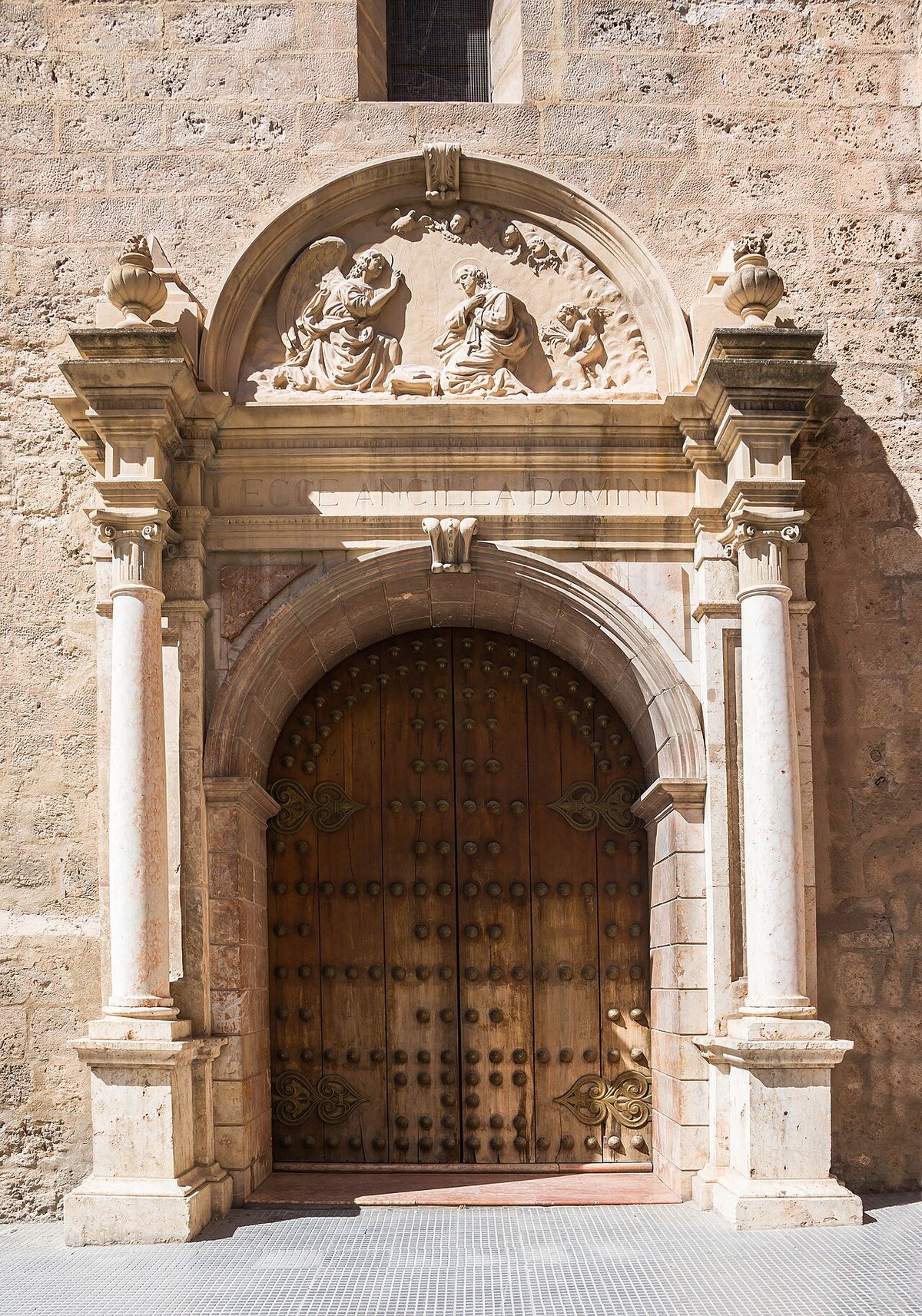
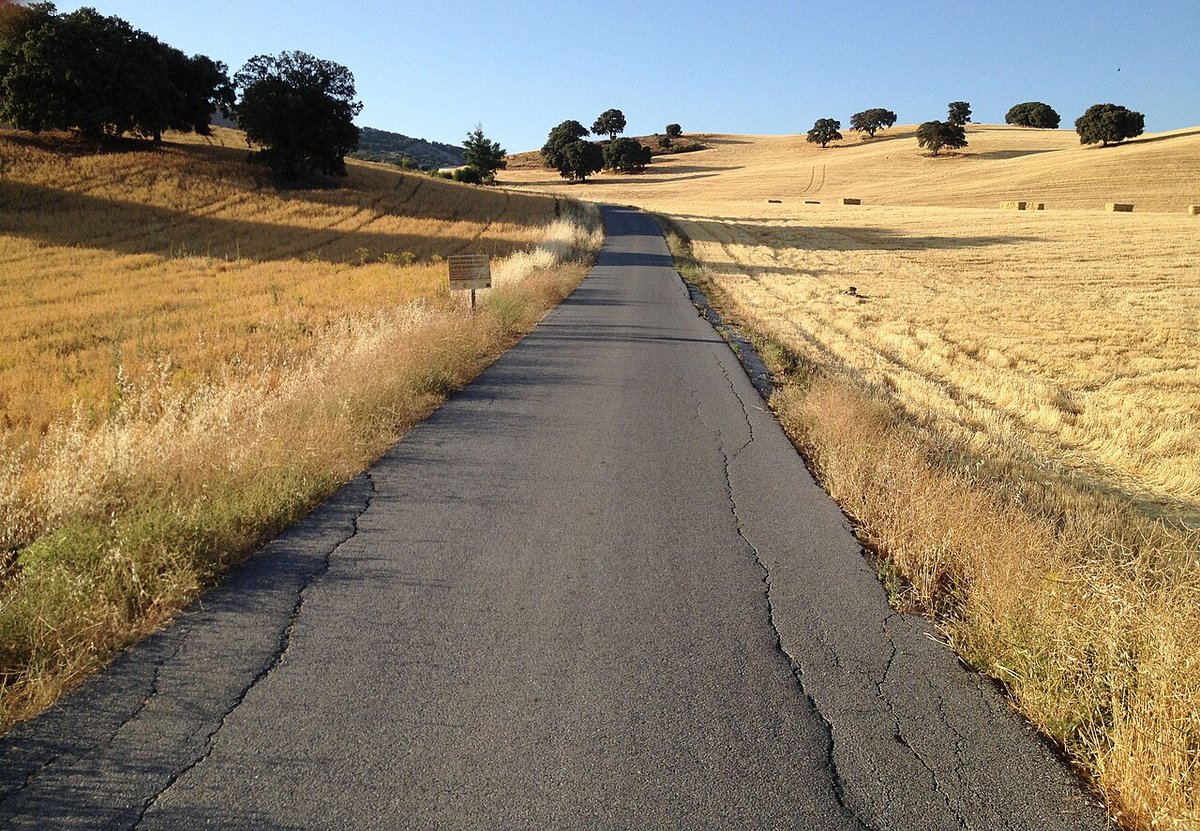
There is a moment, just as the road begins to bend before reaching the town, when the valley opens out like a fan of olive groves and Íllora appears above it all. From a distance it almost looks arranged on purpose: tightly packed houses, the church tower rising above the rooftops, open countryside stretching behind. It feels like a place set carefully on high ground for a reason.
Íllora sits in the Poniente Granadino, the western part of Granada province, less than an hour from the city of Granada. Many travellers pass nearby on their way to somewhere else and never consider turning uphill. Yet once you arrive, it quickly becomes clear that this is not a village fading quietly into the background.
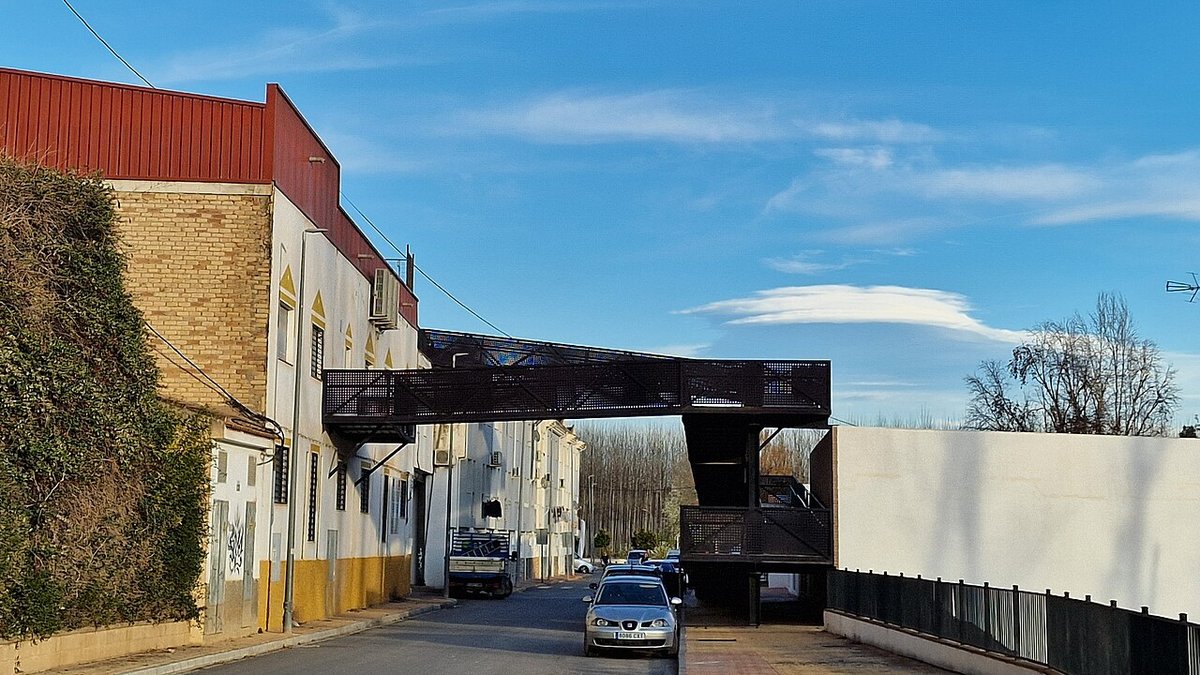
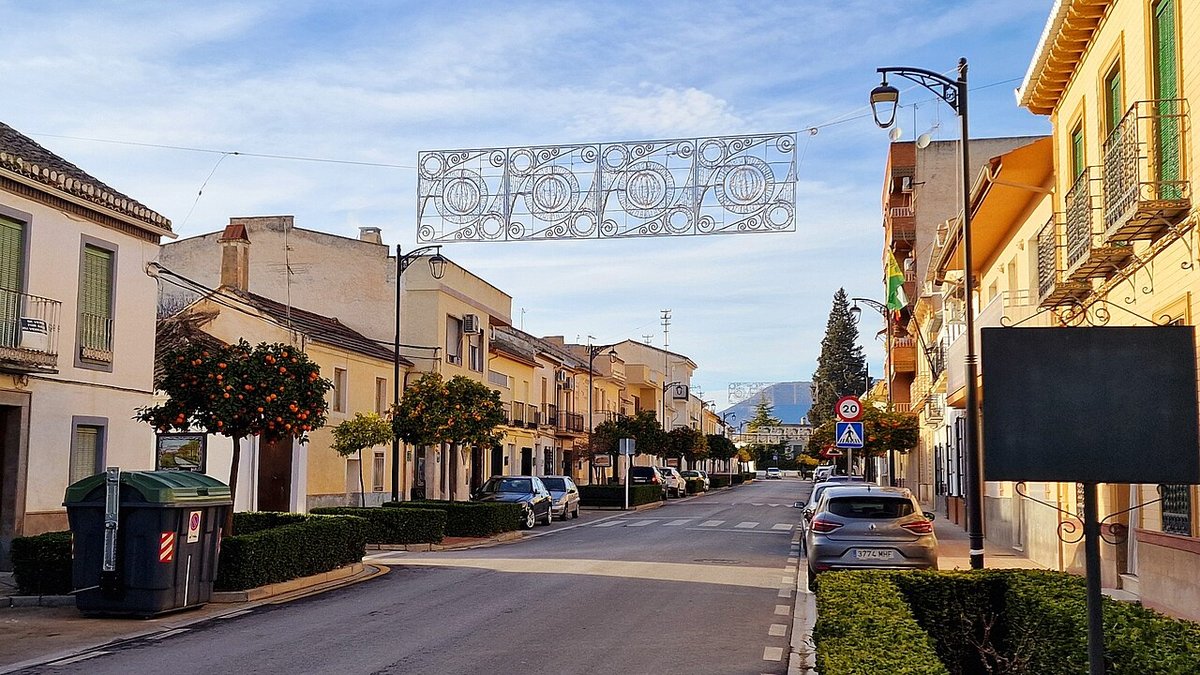
Walking through the centre, there is everyday movement. People heading out to shop, cars edging around in search of parking, pensioners chatting on a bench. Íllora is not just the main town; the municipality includes several smaller hamlets, which helps keep things active. Life here does not revolve around visitors, and that gives the place a grounded, lived-in feel.
“The Right Eye of Granada”
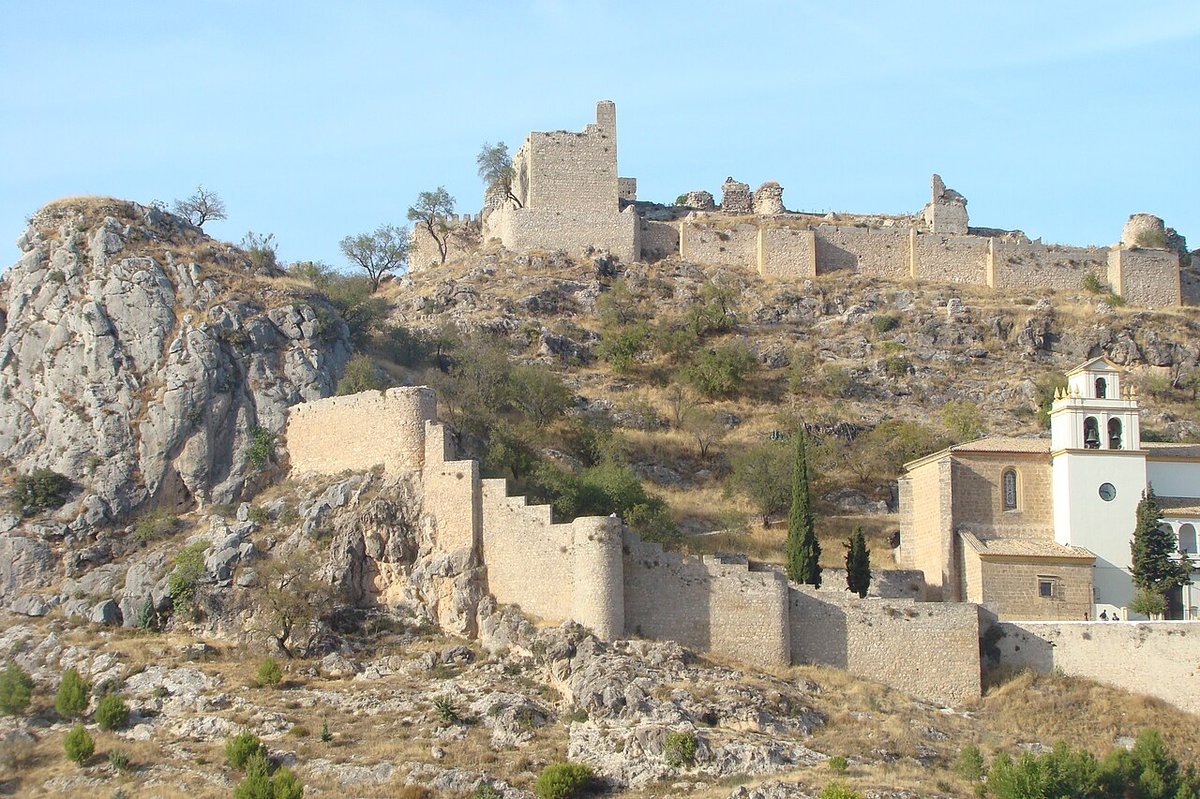
In the 19th century, Washington Irving, the American author of Tales of the Alhambra, travelled through this area. He is said to have described Íllora as “the right eye of Granada”. The phrase is still repeated locally. Whether those were his exact words or whether time has polished the quote, the idea makes sense once you climb up to the castle. From there, the town seems to watch over much of the Poniente.
The Castillo de Íllora stands on the hilltop above the houses. Today what remains are sections of walls, traces of towers and plenty of exposed stone, but the setting explains everything. During the final years of the Nasrid Kingdom of Granada, this was an important frontier stronghold facing Castile. In the closing stages of the conquest of Granada, the fortress passed into Castilian hands. Gonzalo Fernández de Córdoba, known as the Gran Capitán, is often mentioned in connection with the castle at that time.
The walk up is manageable, though not entirely flat. There are sloping stretches, and in summer the heat can be intense, so water and a hat are sensible companions. At the top there are no cafés or facilities, just ruins and long views across the countryside. Sometimes that simplicity is exactly the point. The geography that once made Íllora strategic becomes clear without the need for lengthy explanations.
A Different Kind of Gazpacho
Food in Íllora comes with its own local twist. Anyone expecting the familiar chilled tomato gazpacho will need to adjust their expectations. The gazpacho de Íllora is something else entirely: a substantial hot dish made with broad beans, bread, chorizo and pancetta. It is the sort of meal that keeps hunger away for the rest of the day.
Another speciality is gachas de almendra. The name might suggest something sweet, but these almond-based gachas are generally more robust than that assumption implies. Then there are borrachuelos, pastries found across parts of Andalucía and prepared here too when certain festivities come around.
As for where to eat, the simplest approach is often to ask locally. In towns like this, recipes are defended with conviction, each household certain that theirs is the definitive version. That pride in local cooking forms part of the social fabric as much as the buildings do.
When the Rhythm Changes: Music and San Marcos
There are two moments in the year when Íllora noticeably shifts pace.
One centres on the Paparanda Folk festival. For years now, this event has brought together traditional music from different places, turning the town into a meeting point for sounds not usually heard in this corner of Granada province. During those days the streets feel busier, and unfamiliar instruments appear among the whitewashed facades.
The other date is 25 April, the feast of San Marcos. On this day the town keeps alive the custom of “atar al diablo”, literally “tying up the devil”. A figure representing the devil is bound with a rope and paraded through the streets as a symbol of keeping the year’s misfortunes under control. From the outside it may seem unusual, but locally it is treated as a natural part of the calendar, another thread linking present-day Íllora with its traditions.
Peñas de los Gitanos: Prehistory Nearby
A few kilometres from the town lies the natural area known as Peñas de los Gitanos. It is the kind of place that can easily be missed without a local recommendation.
Here the landscape shifts to rock formations, holm oaks and open ground marked by traces of human presence stretching back thousands of years. There are prehistoric remains, including dolmens and caves that have been used since ancient times. Paths allow for walking among the rocks, and unless you arrive on a particularly busy day, there is a notable sense of quiet.
Peñas de los Gitanos is not arranged like a theme park. It feels more like an open landscape that rewards patience and a degree of curiosity about the past. The combination of natural formations and archaeological remains gives it a different tempo from the town itself, yet it sits only a short distance away.
How Long to Spend in Íllora
Íllora is not the kind of destination built around ticking off a long list of attractions. The usual plan is simpler: park near the centre, wander through the old streets, make the climb to the castle, then sit down for an unhurried meal.
A long morning is enough to gain a solid sense of the town. Add a visit to Peñas de los Gitanos, or allow lunch to stretch into the afternoon, and the day fills itself without difficulty.
There is something appealing about places that do not try too hard to hold your attention. Íllora does not chase visitors, nor does it push them away. It remains on its hill above the olive groves, watching over the Poniente Granadino, ready for those who decide to take the turn in the road and head up.