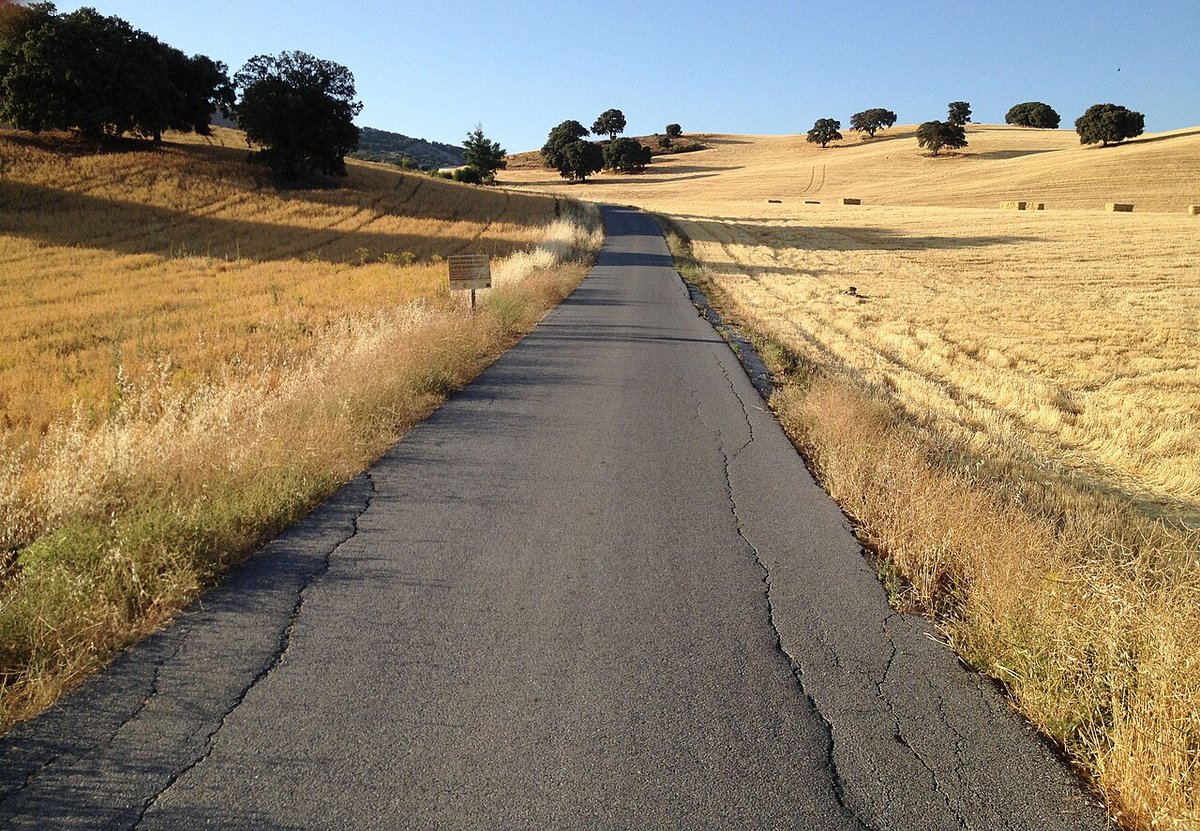
Camino rural de Las Capillas (término municipal de Montefrío).jpg
gastromartini · Flickr 5
Andalucía · Passion & Soul

Montefrío

At 834 metres above sea level, Montefrío appears suddenly as you round a bend on the A-335. One moment you're driving through endless olive groves,...

5,283 inhabitants · INE 2025
834m Altitude

Why Visit

Mountain Village Church Viewpoint Route

Best Time to Visit

spring

August Fair (August) agosto

Things to See & Do
in Montefrío

Heritage

  • Village Church
  • Church of the Incarnation
  • National Geographic Viewpoint

Activities

  • Viewpoint Route
  • Visit to the monumental complex

Festivals
& & Traditions

Fecha agosto

Feria de Agosto (agosto), San Marcos (abril)

Las fiestas locales son el momento perfecto para vivir la autenticidad de Montefrío.

Full Article
about Montefrío

Recognized by National Geographic for its panoramic views; a monumental complex with a church on the rock and an Arab fortress.

Ocultar artículo Leer artículo completo

Where Olive Groves Meet the Sky

At 834 metres above sea level, Montefrío appears suddenly as you round a bend on the A-335. One moment you're driving through endless olive groves, the next you're braking hard because the entire village seems to have poured itself down a rocky outcrop, white houses cascading like frozen waterfalls towards a church that looks impossibly perched on the summit. It's the view that made National Geographic's editors weak at the knees – and unlike many Instagram-famous spots, this one actually looks better in real life.

The village sits midway between Granada and Málaga, close enough to civilisation for decent roads but far enough to avoid the coach tour circuit. What strikes first-time visitors isn't any particular monument but the sheer improbability of the place. How did anyone decide this was a sensible spot to build a town? How do the delivery drivers navigate streets that would give mountain goats vertigo? These questions arise naturally as you climb the final approach road, engine straining, grateful you didn't opt for the hire company's cheapest Fiat 500.

Walking on the Edge of Civilisation

The old town divides into two distinct sections: the upper fortress area and the lower barrio where most people actually live. Between them runs Calle Real, steep enough to make your calves complain after a day's wandering. The streets here weren't designed for vehicles, which explains why locals park with two wheels on the pavement and two in the gutter, hazard lights blinking as if to apologise for the necessity.

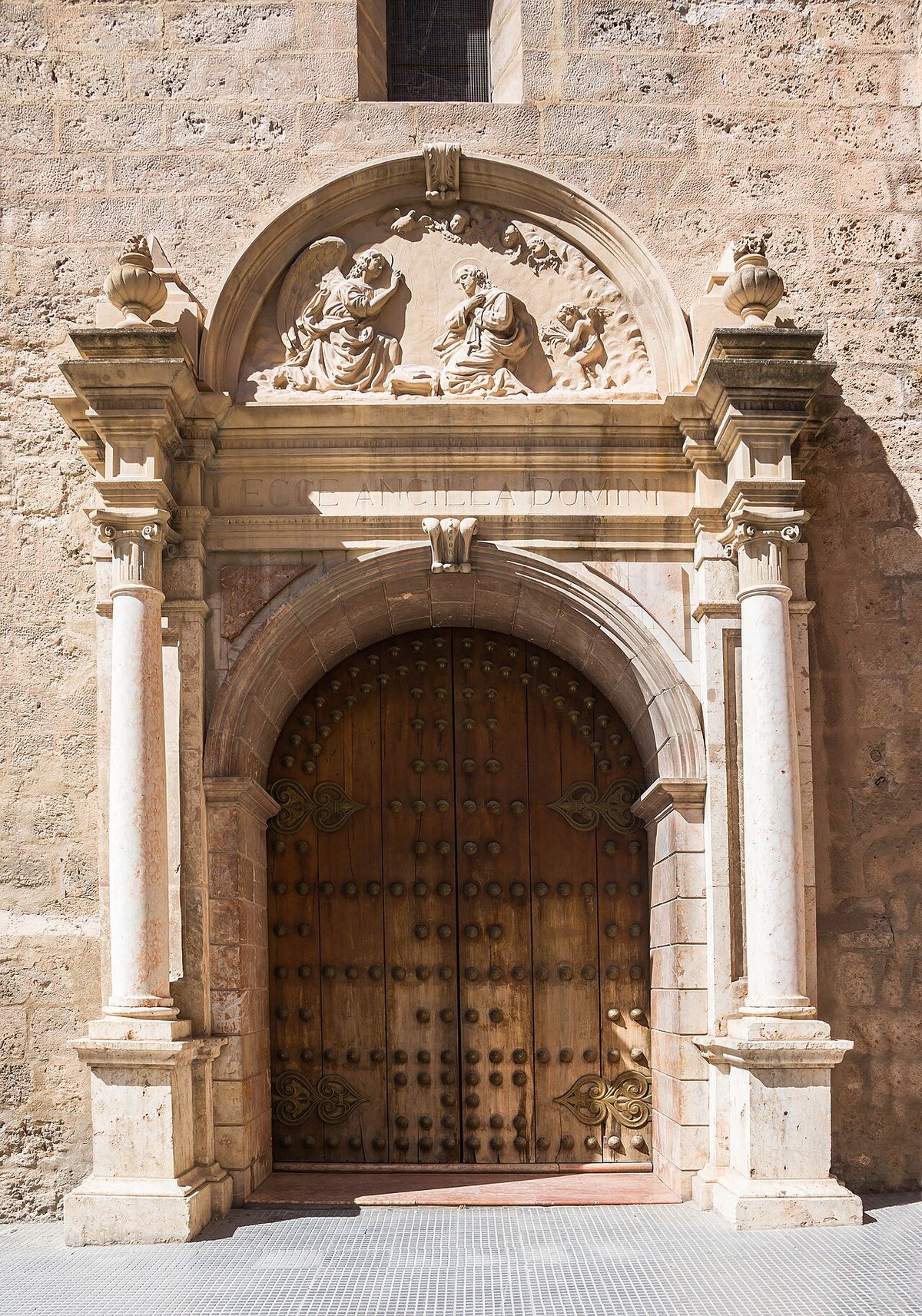
Start at the Iglesia de la Encarnación, the circular Renaissance church that serves as Montefrío's calling card. Built in the 16th century by Diego de Siloé, its unusual shape becomes more remarkable when you learn it was modelled after the Church of the Holy Sepulchre in Jerusalem. Inside, the acoustics are extraordinary – whisper in one corner and someone diagonally opposite can hear you clearly. The church usually opens from 10:00-13:00 and 17:00-19:00, though these times stretch elastic during festivals.

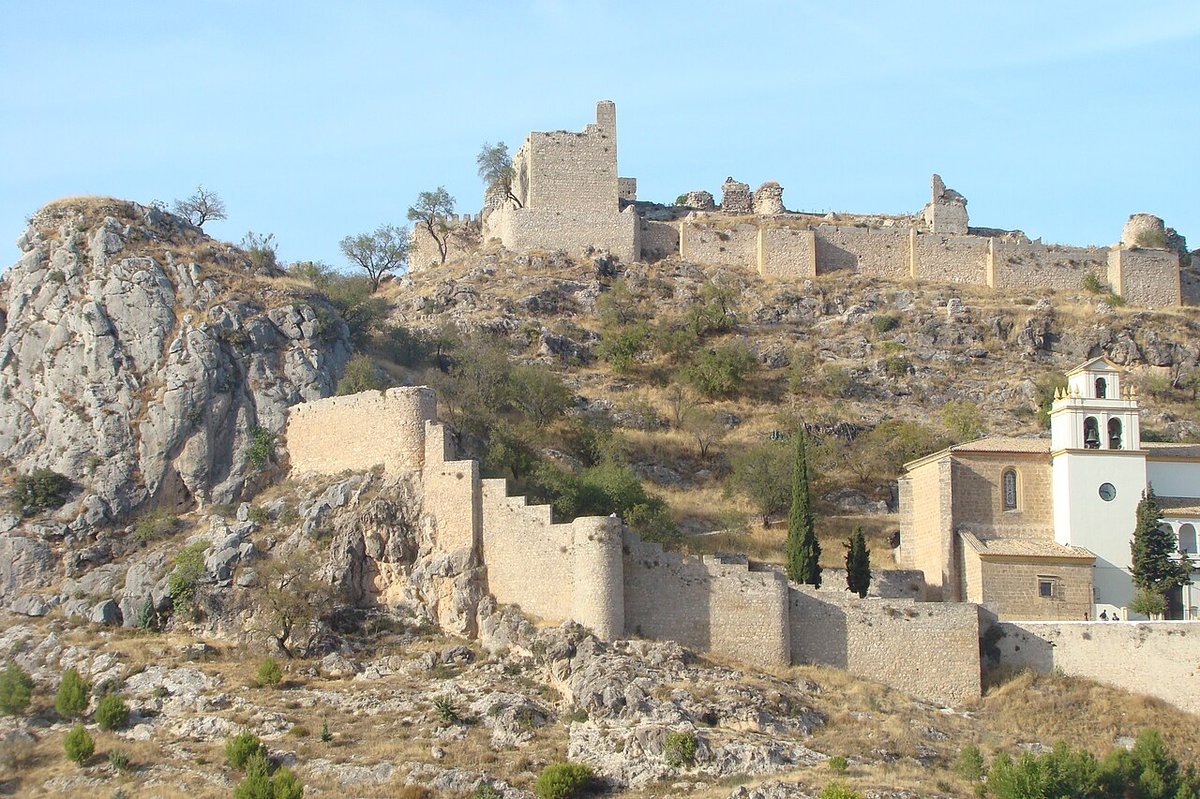
From here, follow the signs for the Castillo Árabe, though 'castle' flatters what remains. The Nasrid fortress once controlled the frontier between Granada and Christian territories, and what survives are fragments of wall and foundation stones that require imagination rather than architectural knowledge to appreciate. The climb involves 111 steps – someone has counted – but the payoff is a 360-degree view across an ocean of olive trees that extends to the Sierra Nevada on clear days. Bring water; the altitude makes dehydration sneak up faster than you'd expect.

The Rhythm of Real Life

Montefrío functions as a working village rather than a tourist attraction, which means observing local rhythms becomes part of the experience. Shops open at 09:00, close with military precision at 14:00, and might reopen at 17:00 if the proprietor feels like it. Sundays see everything shuttered except a couple of bars near the main square – plan accordingly or risk going hungry.

The siesta isn't a quaint tradition here but serious business. Between 14:00-17:00 the streets empty, shutters slam, and the village enters a collective coma. Wise visitors follow suit, either retreating to their accommodation or finding shade in the Convento de San Antonio's gardens. The convent sits on the village's second-highest point and offers benches positioned for optimal cloud-watching. It's also where locals bring visiting relatives for the 'money shot' photograph – the same angle National Geographic used, but without the helicopter.

Evenings belong to the paseo, that quintessentially Spanish institution of strolling without purpose. The route runs from Plaza de España up Calle Real and back again, repeated until you've greeted everyone you know twice over. Visitors joining this moving social network receive nods of acknowledgment, occasionally invitations to join card games outside bars where elderly men argue about football with the passion of twenty-somethings.

Eating Without Breaking the Bank

Food here follows the Granada tradition of free tapas with drinks, a system that makes budget travellers weep with gratitude. Order a caña (small beer) for €1.50 and receive a plate of something delicious without asking. Order another and different food appears. The progression runs from simple to elaborate: start with olives and crisps, advance through Spanish omelette and fried anchovies, finish with grilled prawns or miniature steaks. Three drinks equals dinner, total cost under a fiver.

Local specialities worth seeking out include remojón, a refreshing orange and salt-cod salad that works even for people who think they hate fish. Migas – fried breadcrumbs with chorizo and grapes – sounds odd but converts sceptics instantly. The village's position between Granada and Málaga means you get the best of both provinces: hearty mountain stews and lighter coastal influences.

For market ingredients, head to the covered market on Calle Nueva (mornings only, closed Mondays). The olive oil here carries DOP Montes de Granada designation – buy a bottle from Cooperativa Nuestra Señora de la Encarnación and you'll never look at supermarket oil again. The cooperative shop opens erratic hours but persistence pays; their picual variety has the peppery finish that makes bread and tomatoes taste like a Michelin dish.

When to Visit and When to Stay Away

Spring arrives late at this altitude – April can still see frost at dawn, though midday temperatures reach comfortable twenties. The olive blossom appears in May, turning the groves pale green and filling the air with subtle honey scents. This is prime walking weather, perfect for the five-kilometre circuit to Los Castillejos archaeological site or longer hikes into the Sierra de Loja.

Summer hits hard and fast. By mid-June temperatures regularly exceed 35°C, and the stone buildings radiate heat until midnight. Walking becomes unpleasant after 10:00, and even locals retreat indoors. The municipal pool offers relief – spectacularly positioned on the village edge with infinity views across the valley – but you'll need serious sun protection and litres of water.

Autumn brings the olive harvest, when the valley echoes to the mechanical hum of harvesting machines working through the night. November sees the village at its busiest as families return to help with the harvest, filling bars and restaurants with multigenerational gatherings that last until the small hours.

Winter surprises many visitors with its severity. Night temperatures drop below freezing, and the altitude means snow isn't unknown. The village looks magical under a dusting of white, but driving becomes interesting on roads that weren't designed for ice. Several hotels close from December-February; check before booking.

The Practical Bits That Matter

You'll need a car. Public transport exists – buses from Granada take ninety minutes along winding roads – but services thin to almost nothing at weekends. From Málaga airport it's 75 minutes via the A-92, though the final stretch requires concentration on single-track roads where Spanish drivers treat centre lines as decorative suggestions.

Accommodation ranges from simple to simpler. There are no boutique hotels, no spas, no room service. What you get instead are clean rooms in family-run guesthouses where breakfast might involve the owner's homemade cake and detailed explanations of local history using broken English and enthusiastic gestures. Casa de los Mesones and Hotel Montefrío provide the most reliable options, both charging under €70 per night even in high season.

The tourist office on Plaza de España opens limited hours – 10:00-14:00 weekdays – and stocks walking leaflets that range from optimistic about distances to wildly inaccurate about timings. Take the medium-difficulty olive grove circuit: the leaflet claims two hours, but factor in photo stops and you'll need three. The path markers fade in places; download the route to your phone before setting off.

Leaving Before You're Ready

Montefrío doesn't grab you immediately. It's not flashy, not obviously extraordinary, not packed with tick-box attractions. Its appeal creeps up during quiet moments: watching sunset paint the church golden from your guesthouse terrace, overhearing two old friends greet each other with "¿Qué tal, hombre?" in the early morning bar, realising you've spent an hour photographing the same view without getting bored.

The village works best for travellers who've already seen Seville's cathedral and Granada's Alhambra, people seeking Spain beyond the obvious highlights. Come here after the cities and you'll understand why locals shake their heads at tourists who think Spain ends at the Costa del Sol. Just don't expect sophistication, nightlife, or anyone to speak English. Do expect to eat well, sleep soundly, and leave wondering why more places can't be this honestly themselves.

Book three nights minimum. You'll need the first to adjust to the altitude and the pace, the second to explore properly, and the third because by then you won't want to leave. Many visitors extend their stay; some start checking property prices. The village has that effect – it makes you question why you ever thought you needed more than good views, decent food, and time to enjoy both.

Key Facts

Region
Andalucía
District
Loja
INE Code
18135
Coast
No
Mountain
Yes
Season
spring

Livability & Services

Key data for living or remote work

2024
ConnectivityFiber + 5G
HealthcareHealth center
EducationHigh school & elementary
Housing~5€/m² rent · Affordable
Sources: INE, CNMC, Ministry of Health, AEMET

Official Data

Institutional records and open data (when available).

  • Pósito o Casa de la Cultura
    bic Edificio Civil ~1.3 km
  • Antiguos Juzgados
    bic Monumento ~0.7 km
  • Ayuntamiento de Montefrío
    bic Monumento ~0.7 km
  • La Panera
    bic Monumento ~1.2 km
  • Torre de los Guzmanes
    bic Fortificación ~3 km
  • Torre de los Anillos
    bic Fortificación ~2.5 km
Ver más (9)
  • Castillo e Iglesia de Santa María
    bic Edificio Religioso
  • Torre del Cortijuelo
    bic Fortificación
  • Ermita de Monte Santo
    bic Monumento
  • Peña de los Gitanos
    bic Monumento
  • Casa de la Juventud
    bic Edificio Civil
  • Torre del Sol
    bic Fortificación
  • Torre Quebrada
    bic Fortificación
  • Torre de las Cabrerizas
    bic Fortificación
  • Torre del Espinar
    bic Fortificación

Planning Your Visit?

Discover more villages in the Loja.

View full region →

More villages in Loja

Traveler Reviews