Full Article
about Moraleda de Zafayona
A farming town with a significant area of historic cave houses, strategically located beside the A-92 motorway.
Hide article Read full article
La carretera A‑92 parte en dos a Moraleda de Zafayona. Esta división no es solo geográfica, sino histórica. Al sur se extiende la vega del Genil, una llanura fértil de huertas. Al norte se alza el cerro donde se asentó el pueblo original, un terreno de cuevas habitadas hasta hace pocas décadas. El turismo en Moraleda de Zafayona debe leerse desde esta dualidad entre el llano productivo y la ladera que condicionó su crecimiento.
El casco antiguo se agarra a una colina a unos 600 metros de altitud. Esta posición no fue casual. Durante siglos, este corredor unió la vega de Granada con las tierras de Loja. Quien controlaba el paso, controlaba el movimiento.
Cerro de la Mora: la estrategia del terreno
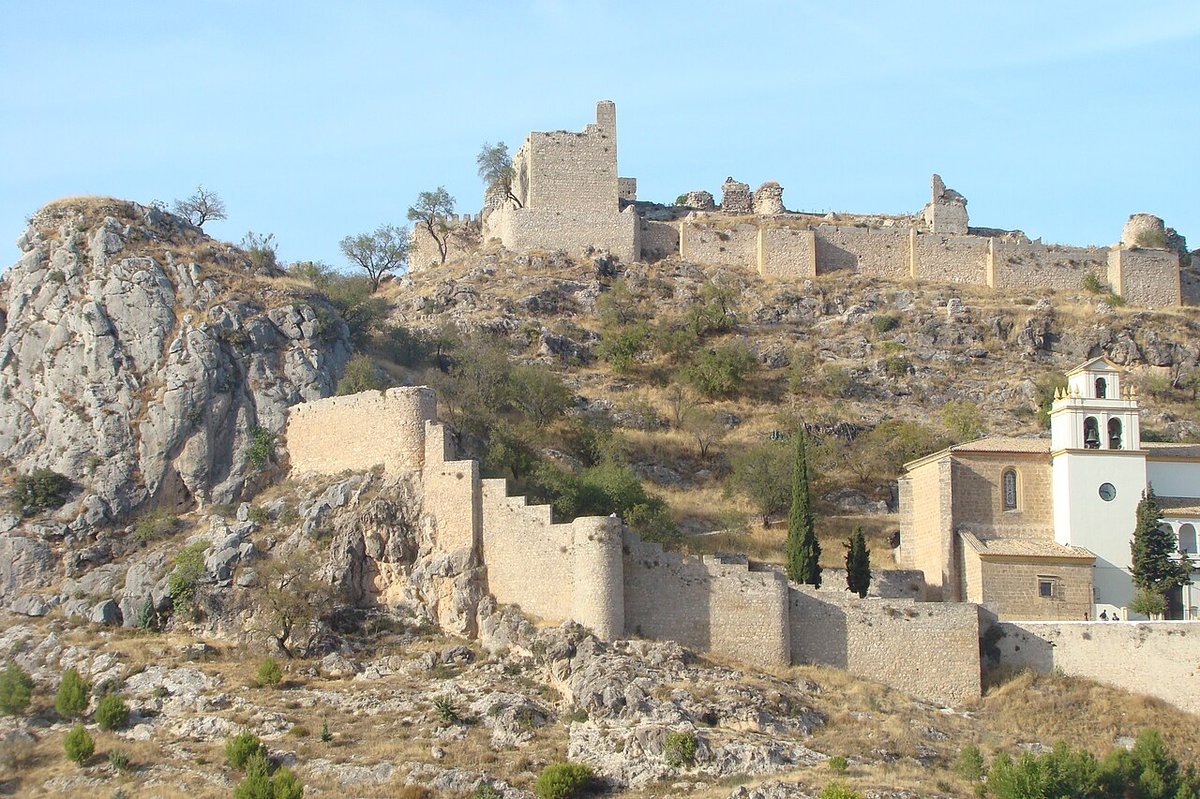
Desde la cima del Cerro de la Mora se domina buena parte de la vega. Esta ventaja estratégica explica la ocupación continuada del lugar desde época íbera. Las excavaciones hallaron cerámica y restos de estructuras defensivas. También documentaron tumbas visigodas que reutilizaron el mismo espacio.
La colina funciona como atalaya natural sobre el corredor que conecta Granada con el poniente de la provincia. Distintas culturas eligieron este punto por razones prácticas. La altura permitía vigilar la ruta, mientras la tierra baja se dedicaba al cultivo.
Tras la incorporación a los territorios cristianos, el patrón básico se mantuvo. Las laderas ofrecían cierta protección y la vega seguía aportando riqueza agrícola. El asentamiento respondía al terreno y a la necesidad, no a la estética. El resultado es un pueblo cuyo trazado aún refleja esa lógica.
Las cuevas de la ladera
El barrio de las Cuevas surgió de esa adaptación al terreno. No se planteó como una curiosidad arquitectónica, sino como una solución habitacional común en las zonas arcillosas de la provincia de Granada.
Hasta finales de los años cincuenta, una parte importante de la población vivía en estas cuevas. Mantenían una temperatura estable todo el año y se podían ampliar excavando más en la ladera. Tras una riada a mediados del siglo XX, muchas se abandonaron o se reformaron.
Aun así, la fisonomía general del barrio ha cambiado poco. Las calles son estrechas y empinadas. Algunas viviendas aún se apoyan directamente en la roca. Un paseo por estas cuestas muestra cómo el pueblo se ajustó a un suelo difícil. La disposición de las casas sigue las curvas de nivel del cerro, y lo construido parece una extensión del sustrato geológico.
Esta zona de Moraleda de Zafayona se recorre mejor a pie. Las pendientes forman parte de la experiencia y ayudan a entender por qué el asentamiento creció en altura en lugar de extenderse por el llano.
La vega del Genil y sus cultivos
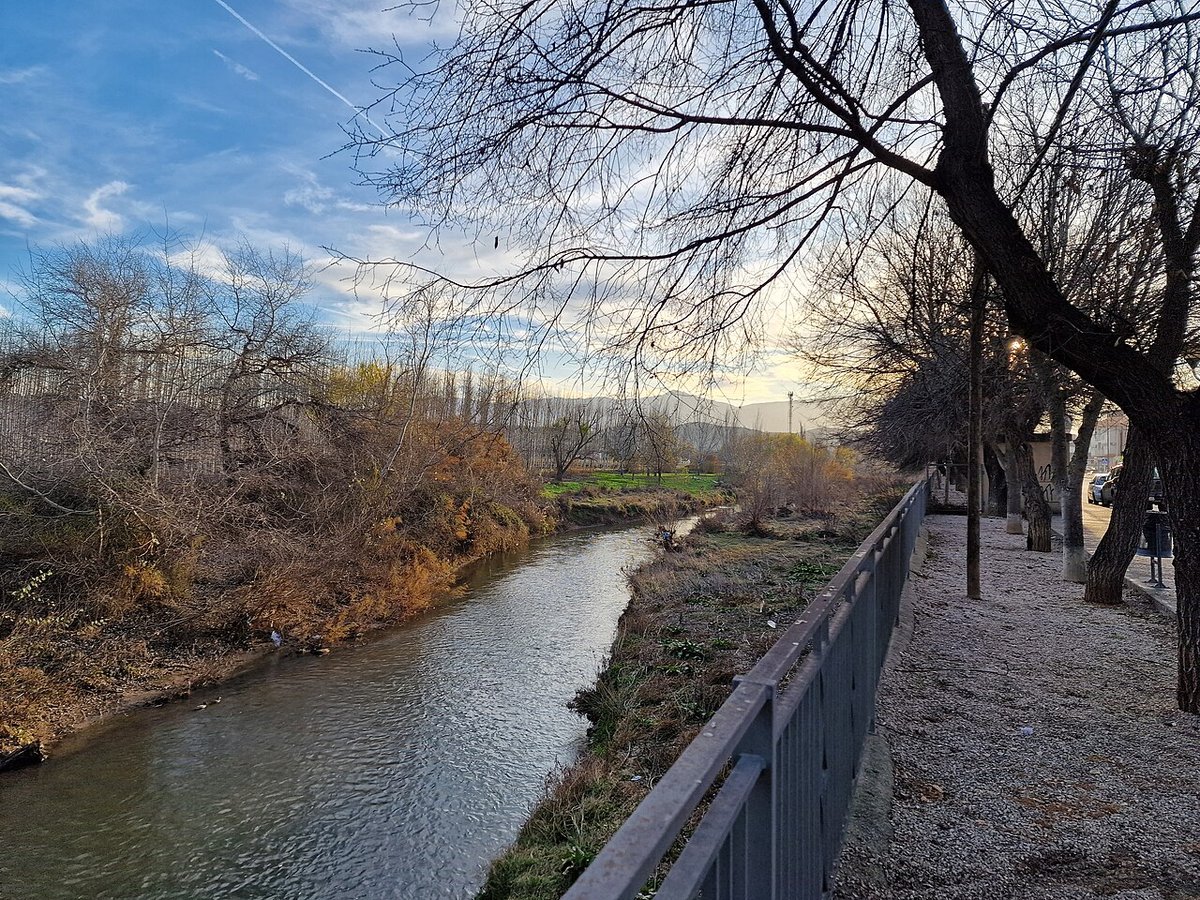
Bajo el cerro, el paisaje se abre en la vega del Genil. El panorama cambia con las estaciones. El invierno trae verduras de hoja. En los meses cálidos, tomates, pimientos y maíz ocupan las parcelas.
El regadío ha modelado la economía local durante generaciones. Desde el siglo XIX, las huertas de Moraleda han abastecido a los mercados de la comarca de Loja y del área de Granada. La vega es un espacio agrícola en uso, no un decorado.
La cocina cotidiana refleja lo que sale directamente de esta tierra. Los platos son sencillos y contundentes. Las migas con panceta aparecen con frecuencia. También hay potajes de verdura hechos con producto de temporada y dulces de membrillo. En los alrededores se siguen cultivando membrillos y nogales, como ya ocurría en época andalusí.
La comida aquí sigue el calendario agrícola. Lo que se cosecha en la vega pronto llega a las cocinas domésticas. El vínculo entre el campo y la mesa es directo y visible.
El ciclo festivo
El calendario festivo sigue pautas compartidas por muchos pueblos de esta parte de la provincia. A principios de febrero, la Candelaria suele marcarse con hogueras en distintos puntos del pueblo. El fuego actúa como punto de encuentro vecinal cuando el invierno empieza a ceder.
La primavera trae la romería de San Marcos. Esta peregrinación tradicional se dirige hacia el cerro y reúne a las familias en torno a comidas al aire libre. El propio recorrido refuerza el vínculo entre el asentamiento y el paisaje, subiendo hacia las mismas alturas que condicionaron el origen del pueblo.
La fiesta principal está dedicada a la Virgen de las Angustias y suele celebrarse a mediados de octubre. Durante esos días, el pueblo recibe a quienes viven fuera pero mantienen lazos familiares en Moraleda de Zafayona. La población aumenta temporalmente y el sentido de comunidad se hace más patente.
Estos eventos puntúan el año y anclan la vida social. También reflejan cierta continuidad, ya que muchas costumbres se han mantenido entre generaciones.
Cómo moverse por Moraleda
La A‑92 tiene una salida directa a Moraleda de Zafayona, lo que facilita el acceso desde Granada y desde Málaga. La presencia de la autovía explica la línea de establecimientos junto a ella y el tráfico constante que pasa junto al pueblo.
El núcleo urbano se puede recorrer a pie sin prisa. Muchos visitantes se centran en el barrio de las Cuevas y en las calles que descienden hacia la parte más llana del pueblo. Los cambios de desnivel son constantes, y los paseos cortos suelen implicar cuestas notables.
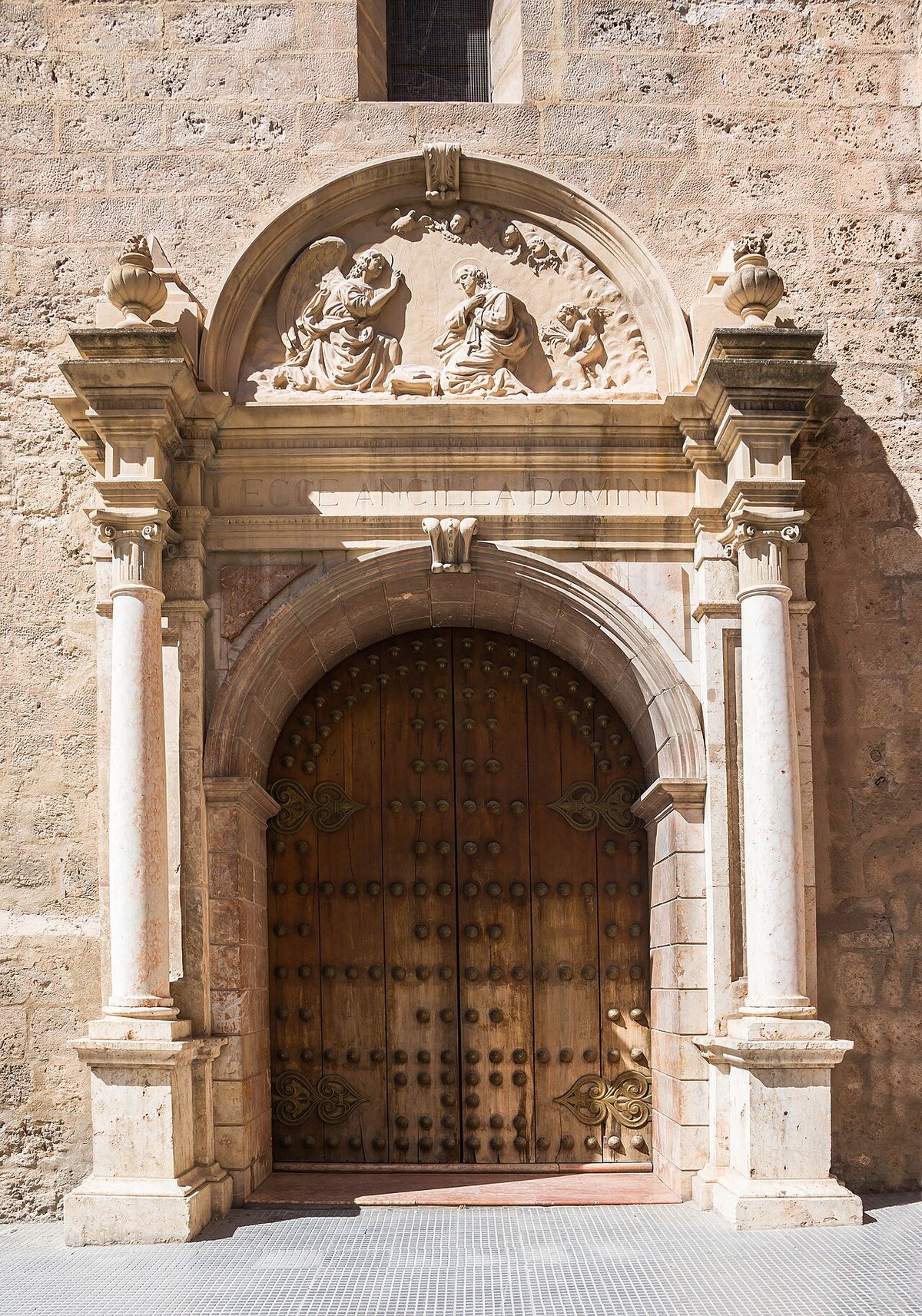
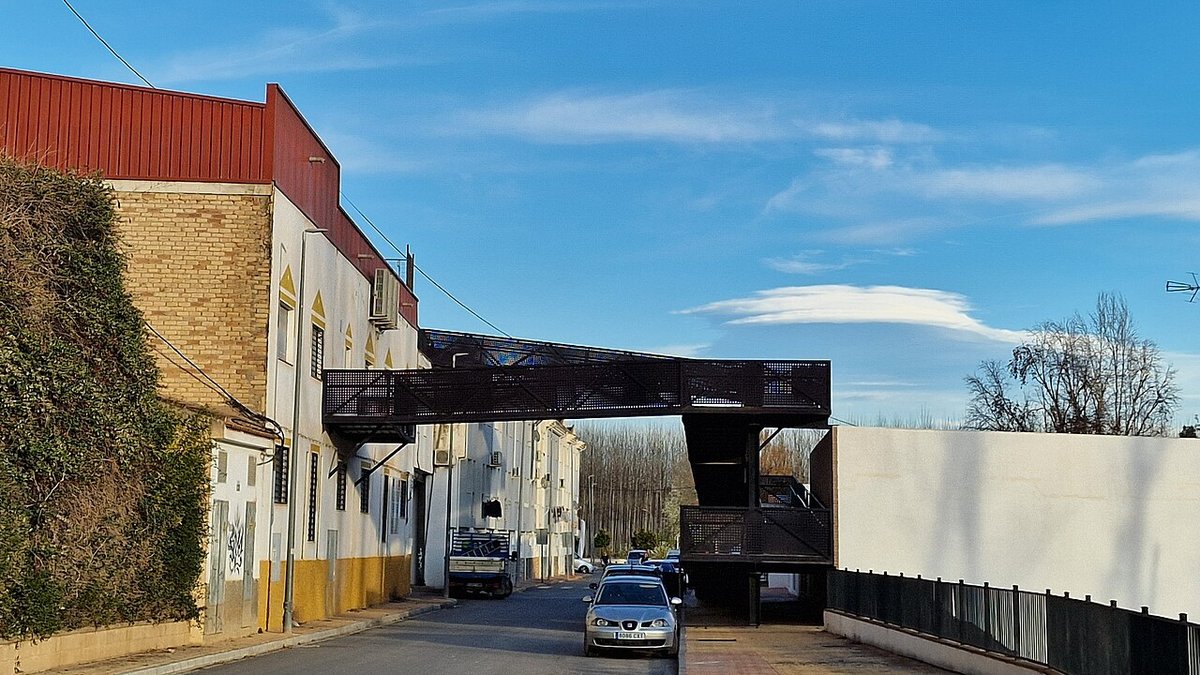
La Iglesia de la Encarnación data del siglo XVI, aunque reformas posteriores alteraron mucho su aspecto. En lugar de concentrarse solo en un monumento, conviene fijarse en la arquitectura cotidiana. Las fachadas de ladrillo con zócalo de piedra, los portones grandes para carros y los balcones orientados al sur hablan de un pasado agrícola y de un clima que condiciona el diseño doméstico.
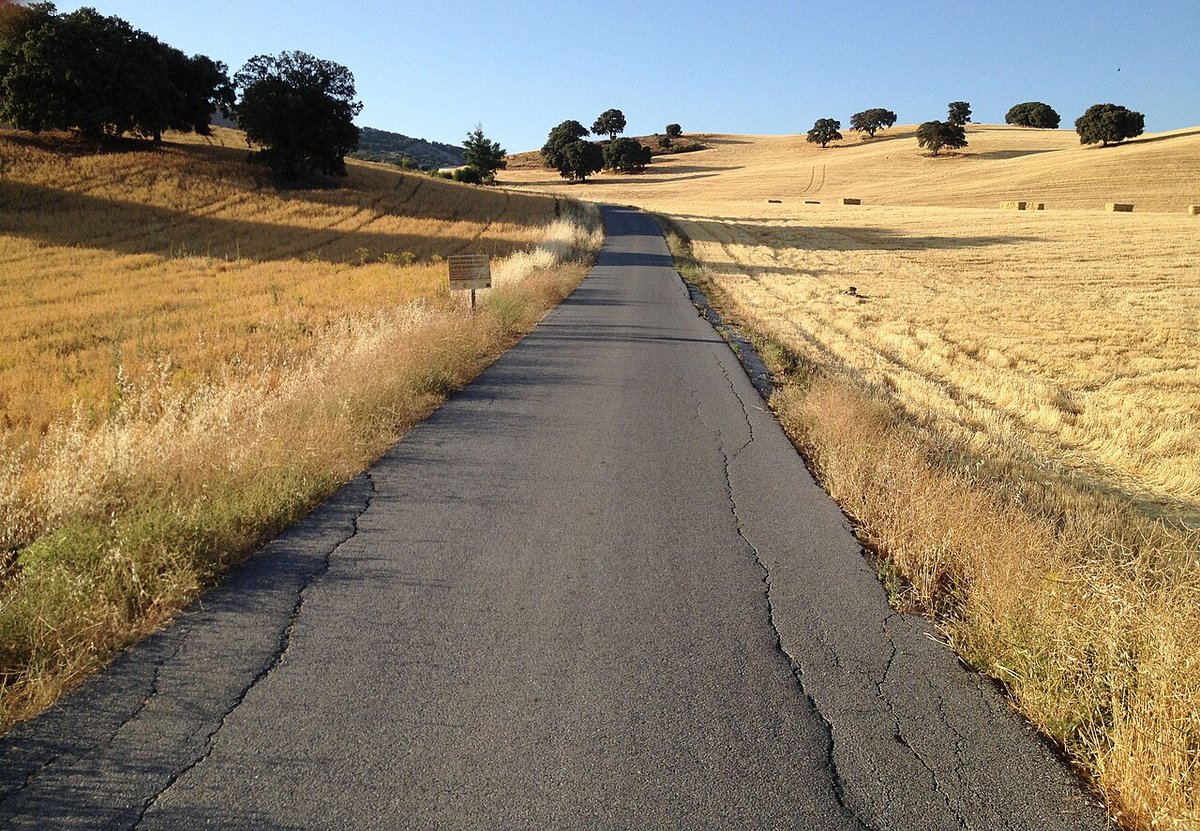
Si se sale hacia la vega, es recomendable calzado resistente. Tras la lluvia, los caminos se embarran con facilidad. En verano, el calor se intensifica a partir de media mañana. Por eso, muchos vecinos prefieren caminar a primera hora o al atardecer.
En los bares cercanos a la autovía, los días fríos suelen servir migas. Llegan en grandes sartenes, puestas en el centro de la mesa para compartir, igual que se ha hecho durante generaciones en esta parte de la provincia de Granada.
Moraleda de Zafayona no separa paisaje, historia y vida diaria. El cerro, las cuevas y la vega siguen conectados. Entender esa relación es entender el pueblo.