Full Article
about Salar
Notable for the discovery of a monumental Roman villa; a quiet farming town in the Poniente.
Ocultar artículo Leer artículo completo
The first thing you notice is the hum. Not traffic, not voices, but the low, mechanical throb of an olive mill working its way through the morning harvest. Stand still on Calle Real and the sound vibrates through the soles of your shoes, a reminder that Salar’s economy still runs on fruit the Romans were already pressing 2,000 years ago.
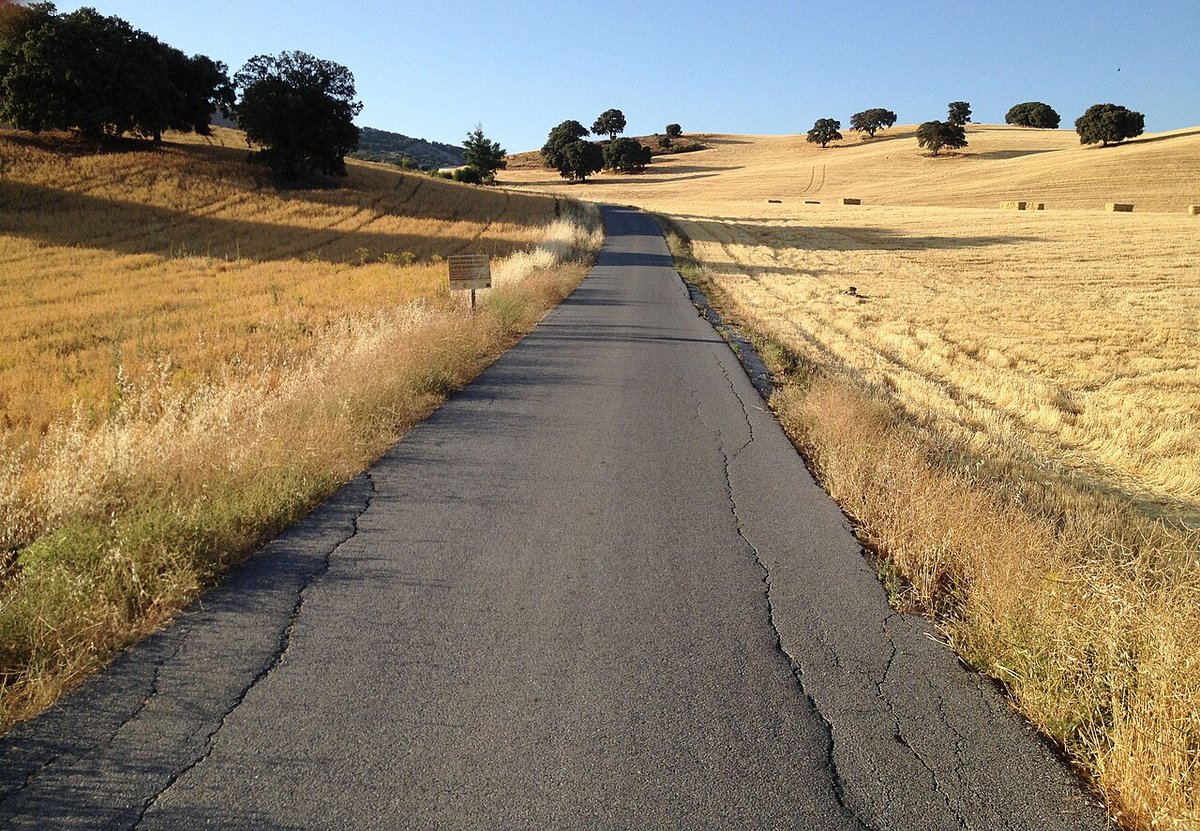
At 546 m above the Genil valley, the village sits just high enough to escape the worst summer heat yet low enough to keep the Sierra de Loja within arm’s reach. The surrounding sea of olive trees—some planted when Victoria was on the throne—changes colour with the seasons: silver-green after rain, almost blue at dusk, and bleached to sage by July. Between October and February the air smells faintly of grass and fresh oil; come March the blossom gives it a sweet, almost medicinal edge.
A Roman Villa in the Middle of Nowhere
Twenty minutes’ walk from the church square, across a field that feels suspiciously ordinary, lies the Villa Romana de Salar. Locked behind a metal gate and invisible from the road, it is one of the most complete Roman villas in southern Spain—and the least trumpeted. Inside, the mosaic floors are so well preserved that guides let you step on the edges (socked feet only) while they point out a dolphin whose turquoise tesserae still shine like wet glass.
Tours last 45 minutes and must be booked at the ayuntamiento the day before (€5, card accepted). There is no café, no gift shop, and only a rough lay-by for parking; bring water because shade is non-existent between May and September. The surprise, for most British visitors, is the quality: it’s on a par with North Africa or Sicily, yet you’ll rarely share the room with more than six people.
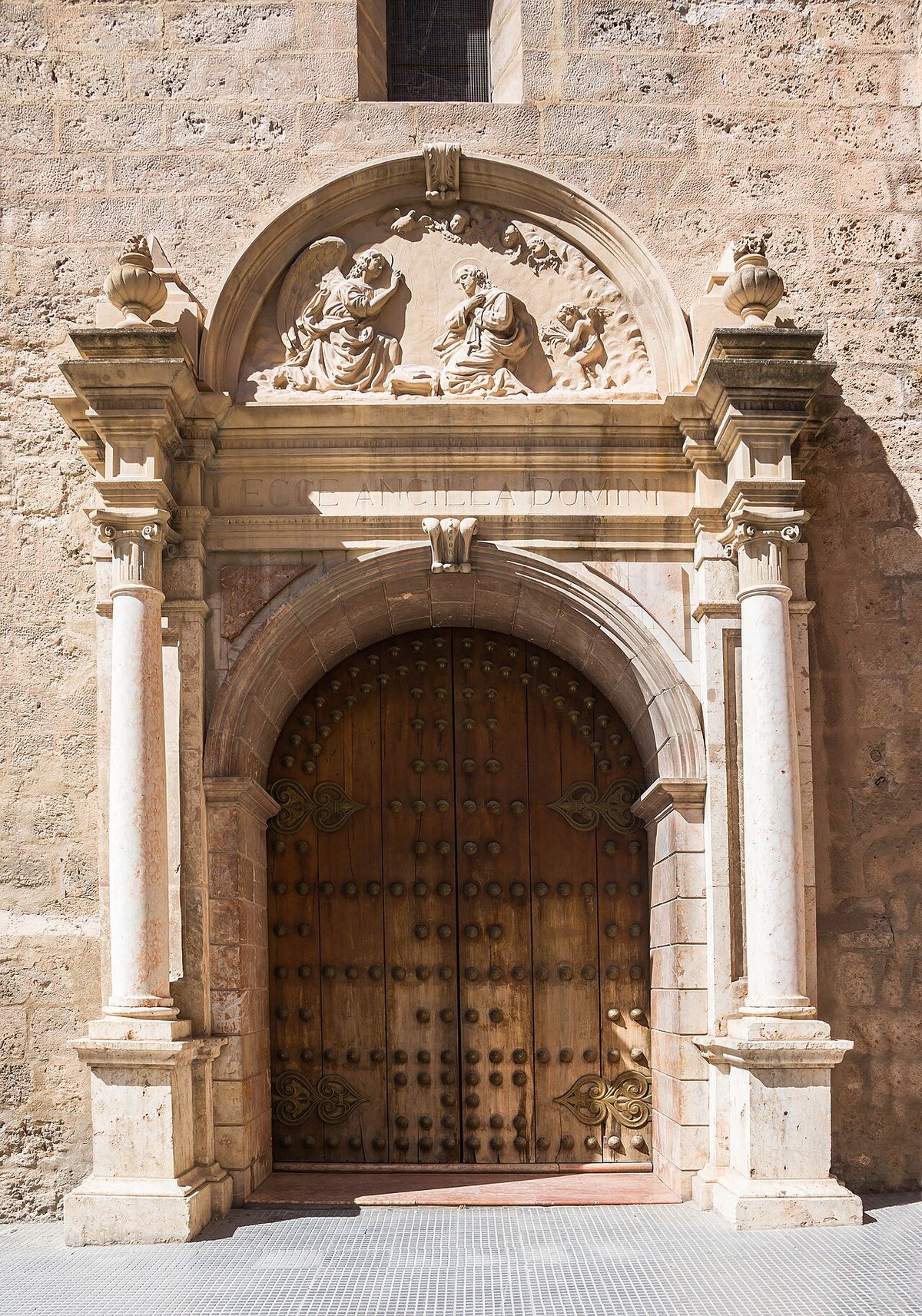
Back in the village centre, the sixteenth-century Iglesia de Santa Ana towers over a compact grid of whitewashed houses. Its Mudejár timber roof and Renaissance portal are worth the climb up the tower (ask the sacristan; tip €2), if only for the view over terracotta roofs to the olive groves beyond. Below, the Plaza de la Constitución functions as outdoor living room: old men on the same bench every afternoon, mothers chasing toddlers round the bandstand, teenagers practising wheelies between the plane trees.
Oil, Bread and Other Essentials
Salar’s gastronomy is built on three ingredients: local oil, home-grown vegetables and whatever the butcher in Loja has on special offer. The plato de los montes—an unapologetic fry-up of egg, jamón, chorizo and potatoes—appears on every bar counter at 11 a.m. sharp; order it with a glass of orange juice squeezed from fruit that may have grown two fields away. For lighter fuel, mollete (a soft bread roll) toasted with a drizzle of cooperative oil and rubbed tomato costs €1.80 in Bar Ana and comes with a complimentary refill of coffee.
The Tuesday morning street market is the weekly social event. Stalls stretch from the plaza to the health centre: socks, cheap pans, enormous cauliflowers, and one van that sells nothing but knives. Arrive before 11 a.m. or the best olives vanish; bring cash because the nearest ATM is ten minutes up the A-415 in Loja.
If you want to see the mill in action, phone Almazara de Salar (958 33 00 02) and ask for Paco. He’ll let you watch the hammer-mill grind, demonstrate how extra-virgin oil is separated, and pour you a thimble of last year’s arbequina—fruity, peppery, nothing like the supermarket own-brand back home. Bottles are sold at the door (500 ml, €6); they fit snugly in carry-on if you wrap them in a tea-towel.
Walking Among the Olives
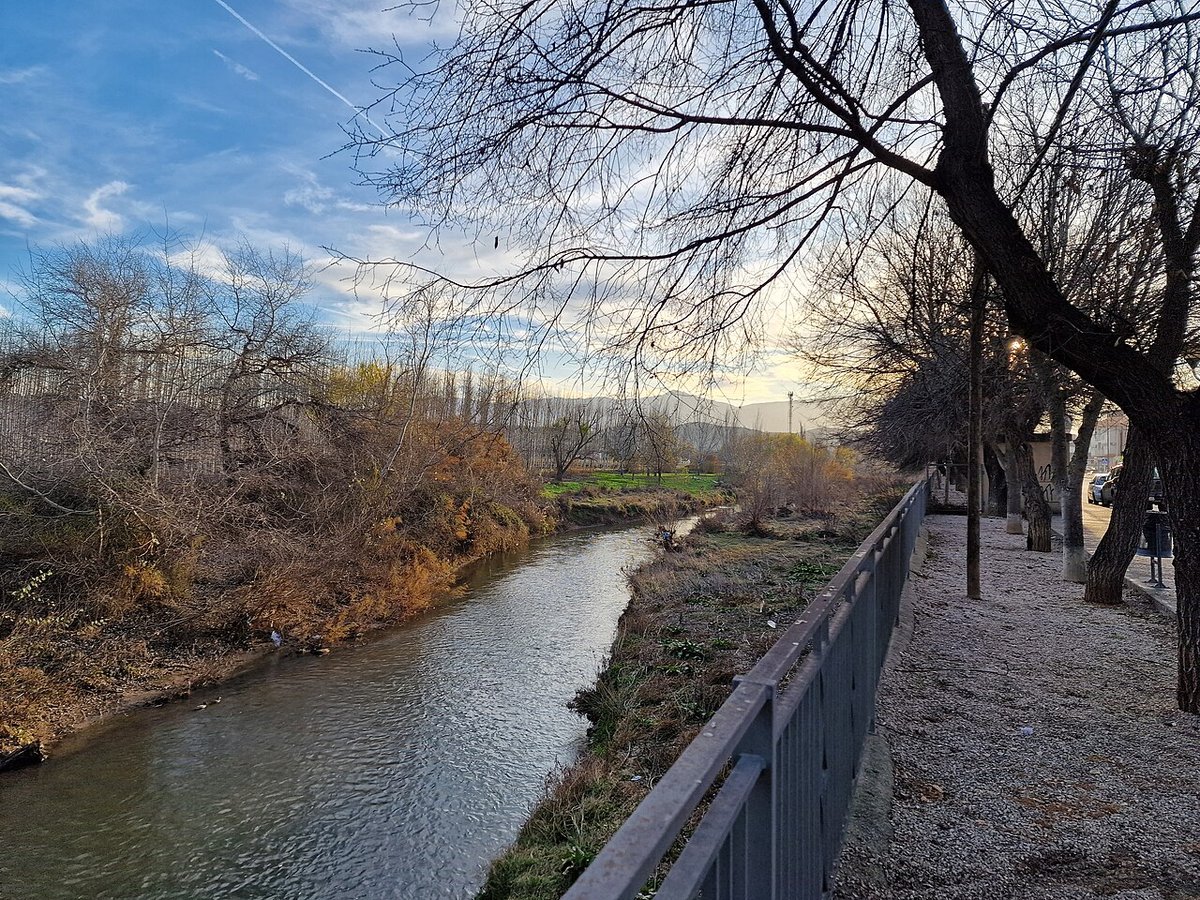
Salar is not a hiking destination, yet the web of farm tracks makes for pleasant, undemanding strolls. The signed Ruta de los Olivares Centenarios leaves from the football pitch, loops 6 km through 1,000-year-old trees and returns along an irrigation channel shaded by poplars. Spring colour arrives suddenly in late March: wild gladiolus, purple phlomis and a haze of yellow daisies between the rows. Summer walks demand an early start; by 10 a.m. the reflection off the silver leaves is blinding and the only sound is the distant whine of a cicada.
For hill work, drive 15 minutes to the Puerto de Loja (1,100 m) where paths enter the Sierra de Loja. The climb to the limestone ridge takes ninety minutes and ends at a balcony overlooking the whole valley—on clear winter days you can pick out the snowy top of Sierra Nevada. Take a windproof; even in May the breeze can be sharp.
When to Come, When to Leave
April and late October hit the sweet spot: 22 °C by day, cool enough for a jumper at night, and light strong enough for photography until seven. July and August are fierce—temperatures nudge 38 °C—and many bars close for siesta between 3 p.m. and 7 p.m. Winter is mild (12 °C afternoons) but evenings feel damp; the church heating switches on only for Mass, so bring a fleece if you plan to linger.
Accommodation is limited. Casa Rural La Alberca has four rooms round a tiny pool (doubles from €70 B&B) and will do a packed lunch if you ask before 9 p.m. Otherwise Salar works as a half-day stop between Granada and the coast: visit the villa at 10 a.m., linger for lunch, then join the A-92 and reach Málaga’s tapas strip in time for dinner.
The Bottom Line
Salar will never compete with the Alhambra for wow-factor, and that is precisely its appeal. It offers a distilled shot of inland Andalucía—Roman splendour, olive oil that makes you rethink salad, neighbours arguing across the street in rapid-fire Spanish—without the coach parties or the inflated prices. Come for the mosaics, stay for the mollete, leave before the afternoon lull turns the place into a sun-baked hush.