Full Article
about Villanueva Mesía
Town on the Genil riverbank; known for irrigated farming and river-based outdoor activities.
Ocultar artículo Leer artículo completo
The Arithmetic of Silence
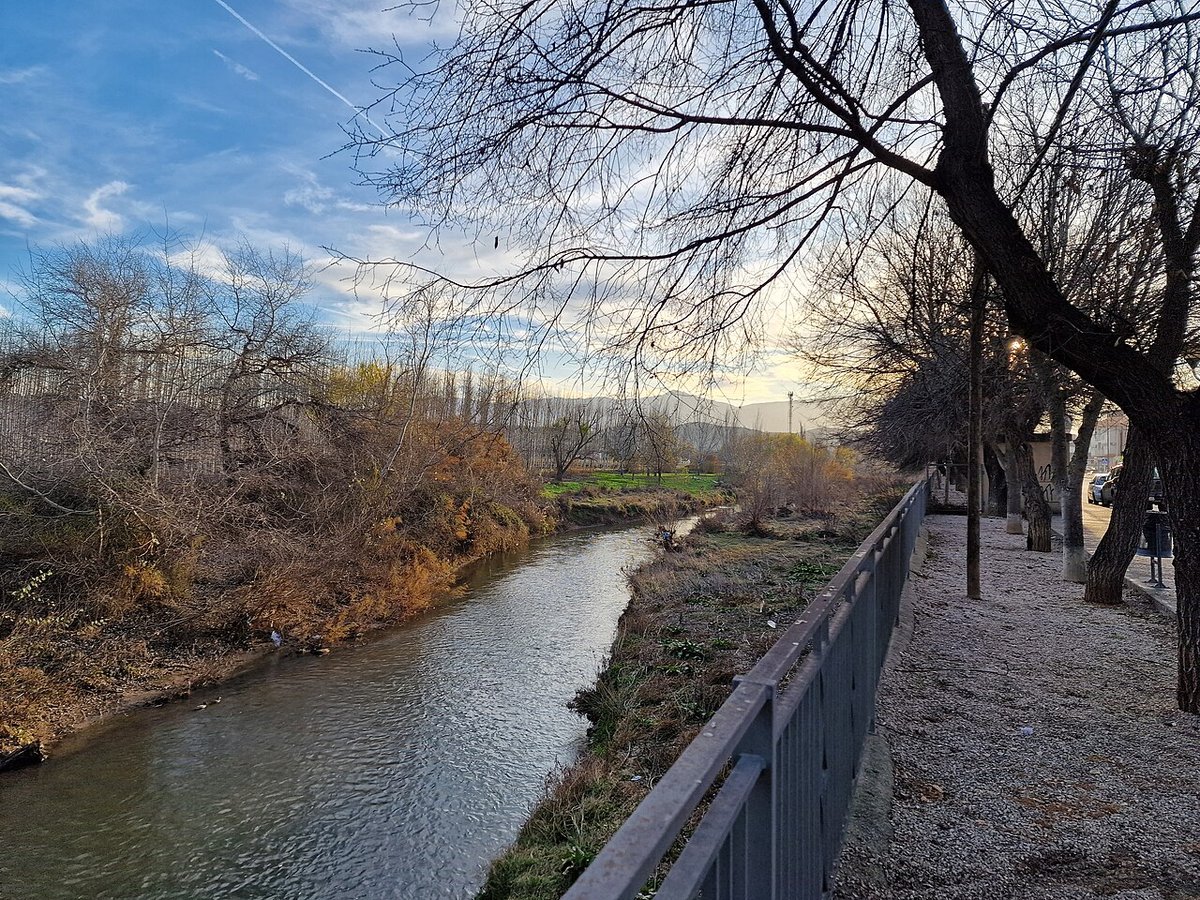
Two thousand souls. Forty-eight thousand olive trees. Villanueva Mesía's population ratio explains everything before you've even arrived—this is a place where agriculture still writes the timetable, not tourism boards. At 480 metres above the Genil River valley, the village sits low enough to avoid Granada's winter bite yet high enough to catch the evening breeze that rattles through million-year-old groves.
The arithmetic continues in the high street: one bakery, one butcher, two grocers, three bars. That's the commercial district. No souvenir shops flogging flamenco figurines, no estate agents pitching "rustic chic" renovations. The weekly market on Tuesday mornings stretches for thirteen stalls if the mushroom man turns up. Otherwise it's twelve.
What the Buildings Don't Tell You
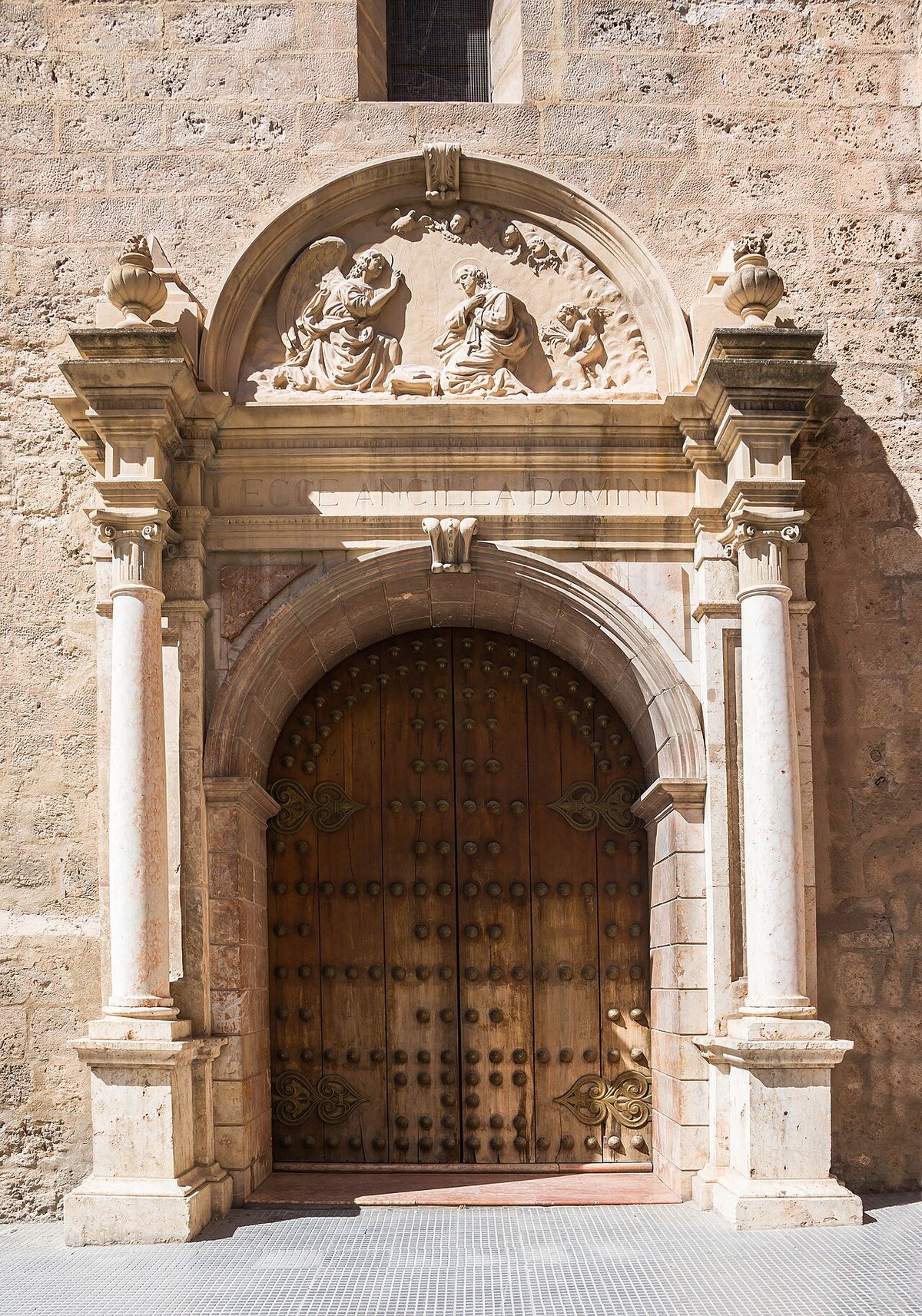
The 16th-century church squats at the village centre like a weathered bulldog, its bell tower patched so many times the original stone has become a mosaic of geological eras. Inside, the paintings are forgettable but the silence isn't—thick as the dust motes that drift through shafts of amber light during evening mass. Locals still use the side chapels for their intended purpose: quick prayers before collecting pensions, not selfies.
Wander two streets back from the plaza and houses revert to their original function—homes, not heritage displays. Laundry flaps from wrought-iron balconies painted the same fifteen shades of terracotta that the council approved in 1987. Grandmothers shout across narrow lanes about whose grandson failed maths. The architecture isn't pretty; it's alive. Walls bulge where generations have leaned against them, and doorways bear the scars of furniture moved during funerals, weddings, and that memorable year when everyone bought American-style fridges.
The cortijos—those white-washed farmsteads scattered through the groves—tell a different story. Many stand empty, their clay tile roofs collapsing inward like broken eggshells. Agricultural mechanisation reduced the need for resident labourers, and younger families prefer village semis with fibre-optic broadband. Yet some still operate as working farms, their courtyards piled with plastic crates awaiting the harvest that starts each November when temperatures drop below twenty degrees.
Eating According to the Calendar
Food here obeys seasons more strictly than any London restaurant. October brings quince jelly, boiled in copper pans until the fruit's astringency surrenders to rose-coloured sweetness. January means migas—fried breadcrumbs studded with chorizo and grapes—eaten at 10 a.m. when field workers need internal central heating. Spring arrives via artichokes the size of cricket balls, their purple leaves splaying like exotic flowers in the market crates.
The three bars compete not through TripAdvisor ratings but via whose mother makes tortilla on Thursday. Casa Paco wins consistently because his mother uses eggs from her own hens and refuses to flip the omelette until it's developed the caramelised underside that Spaniards prize and British palates mistake for burning. A slice costs €2.50 with coffee, served in glasses thick enough to survive dishwasher temperatures that would melt uranium.
Evening meals start late—10 p.m. feels normal by week two. The menu del día at Bar Moderno changes according to whatever Antonio's wife feels like cooking. Wednesday's lamb stew might contain actual lamb neck, not the prime cubes British butchers reserve for middle-class casseroles. Bones add flavour. Fat adds satisfaction. Cardiologists add warnings.
Walking Through Agricultural Time
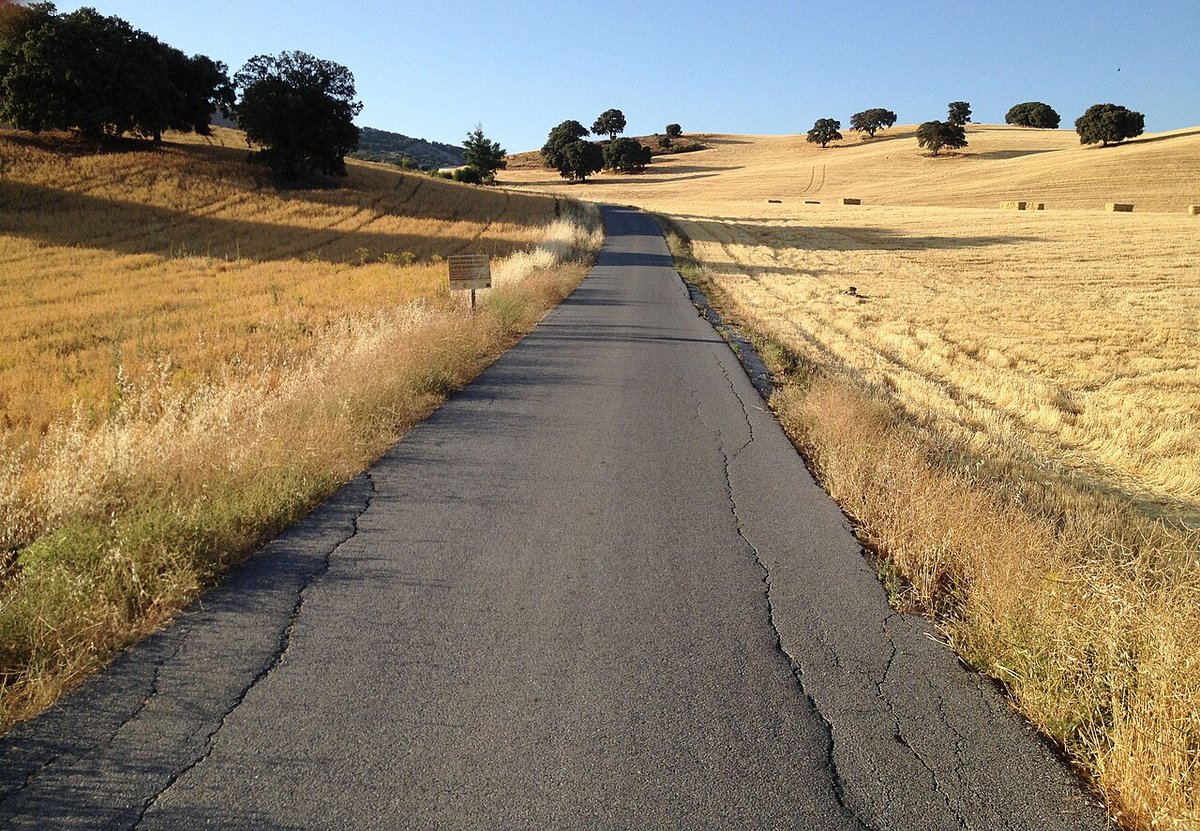
The GR-7 long-distance path skirts the village, but serious hikers march past en boots that cost more than local monthly wages. Better to follow the service tracks that olive companies carved for their tractors—flat, shaded, and punctuated by stone huts where workers once sheltered from midday heat. These caminos reveal the landscape's working reality: irrigation channels concrete-lined since the 1960s, electric pumps humming at field edges, netting rolled ready for the mechanical harvesters that shake trees like oversized pepper grinders.
Spring walks offer the best compensation for visitors who've endured winter flights on Britain's budget airlines. Wild asparagus sprouts beneath ancient trees; pick carefully—landowners notice missing stalks and Spanish property law remains medieval regarding theft of agricultural produce. The scent of orange blossom drifts from irrigated orchards, though most commercial groves lie closer to the coast. Here almonds dominate the less fertile slopes, their February blossoms turning hillsides white weeks before Kent's apple trees even consider flowering.
Summer walking requires strategy. Start at 7 a.m. when dew still softens the earth's summer-hard surface. By 11 a.m. temperatures reach thirty degrees and shade becomes currency. The abandoned cortijo three kilometres north-east offers the only reliable shelter before the track loops back—pack water accordingly. Autumn brings mushroom hunters who guard their spots with the secrecy of wartime resistance fighters. They recognise British walkers instantly: wrong shoes, louder voices, phones held horizontal for photographs.
When the Village Shuts Down
August presents a problem. Half the population decamps to coastal cousins in Motril or Almuñécar. The bakery closes for three weeks. Even the church reduces mass to Sunday only, delivered by a supply priest who drives in from Loja and appears visibly relieved when congregation numbers fail to reach double figures. Visitors expecting authentic village life find instead an authentic exodus—Spanish families prioritising sea breezes over inland furnaces, same as Birmingham families heading to Cornwall.
Winter delivers different challenges. Granada's ski slopes lie forty-five minutes away, but Villanueva Mesía rarely sees snow. Instead comes the cold that British housing developers forgot—stone houses built before insulation, with windows designed for summer ventilation. Rental cottages advertise "traditional character" which translates as "bring slippers and expect €200 monthly electricity bills if you dare exceed twelve degrees interior temperature."
The Tuesday market shrinks to six stalls in January. The mushroom man definitely doesn't come. But the bar conversations lengthen, because when agricultural work stops, talking becomes the crop that sustains winter months. Weather forecasts get discussed with the intensity of football results. Whose daughter failed university entrance exams becomes public knowledge before examination boards even print the certificates.
The Unphotographed Reality
This isn't a destination for tick-box tourism. The Alhambra's forty minutes away—visit that instead. Villanueva Mesía offers something narrower but deeper: the chance to observe how Spanish provincial life functions when nobody's watching, photographing, or blogging about authenticity. The village's greatest attraction might be its indifference to whether you find it attractive.
Come for three days minimum. Stay in the rental flat above the former telegraph office—it's got proper heating and the owner speaks better English than most London taxi drivers. Eat where locals eat. Walk where workers walk. Learn that "authentic" smells like diesel fuel on olive harvesting days, sounds like church bells that ring fifteen minutes late because the sacristan's arthritis slows his stair-climbing, and tastes like the bitter-orange marmalade that nobody makes commercially because Seville's version stole the export market.
Leave before you start recognising the dogs by name. That's when you know the village has done its job—revealing that rural Spain continues perfectly well without being picturesque, charming, or any of the other adjectives that murder real places on travel websites. It just is.