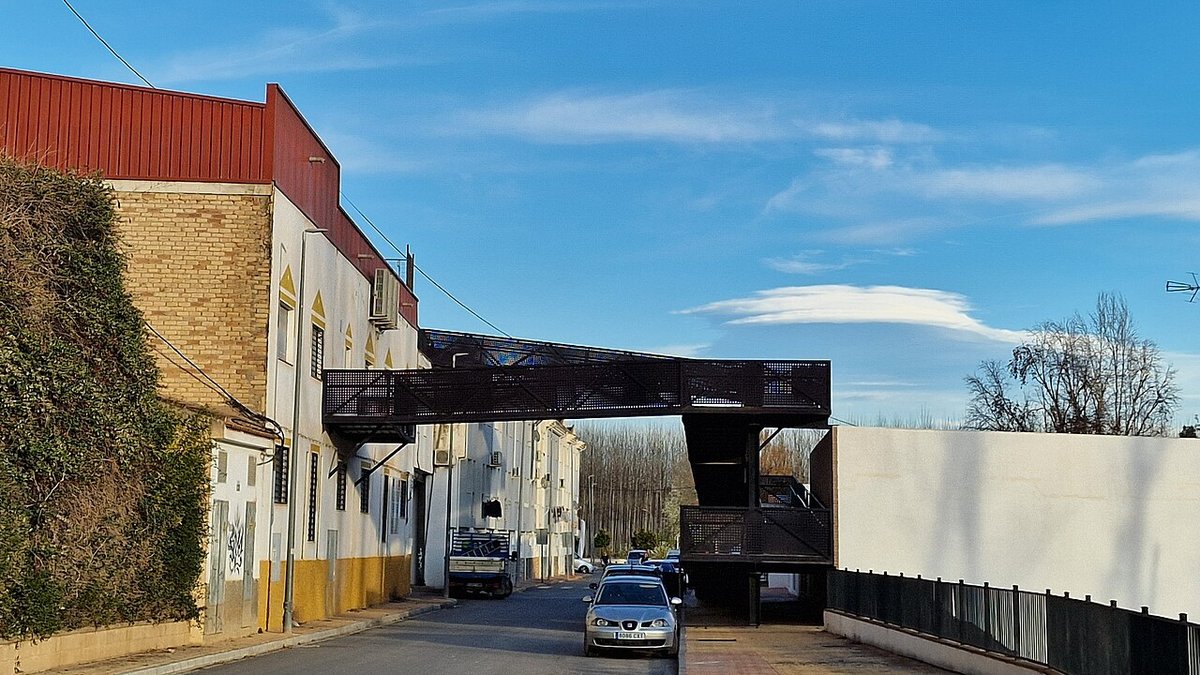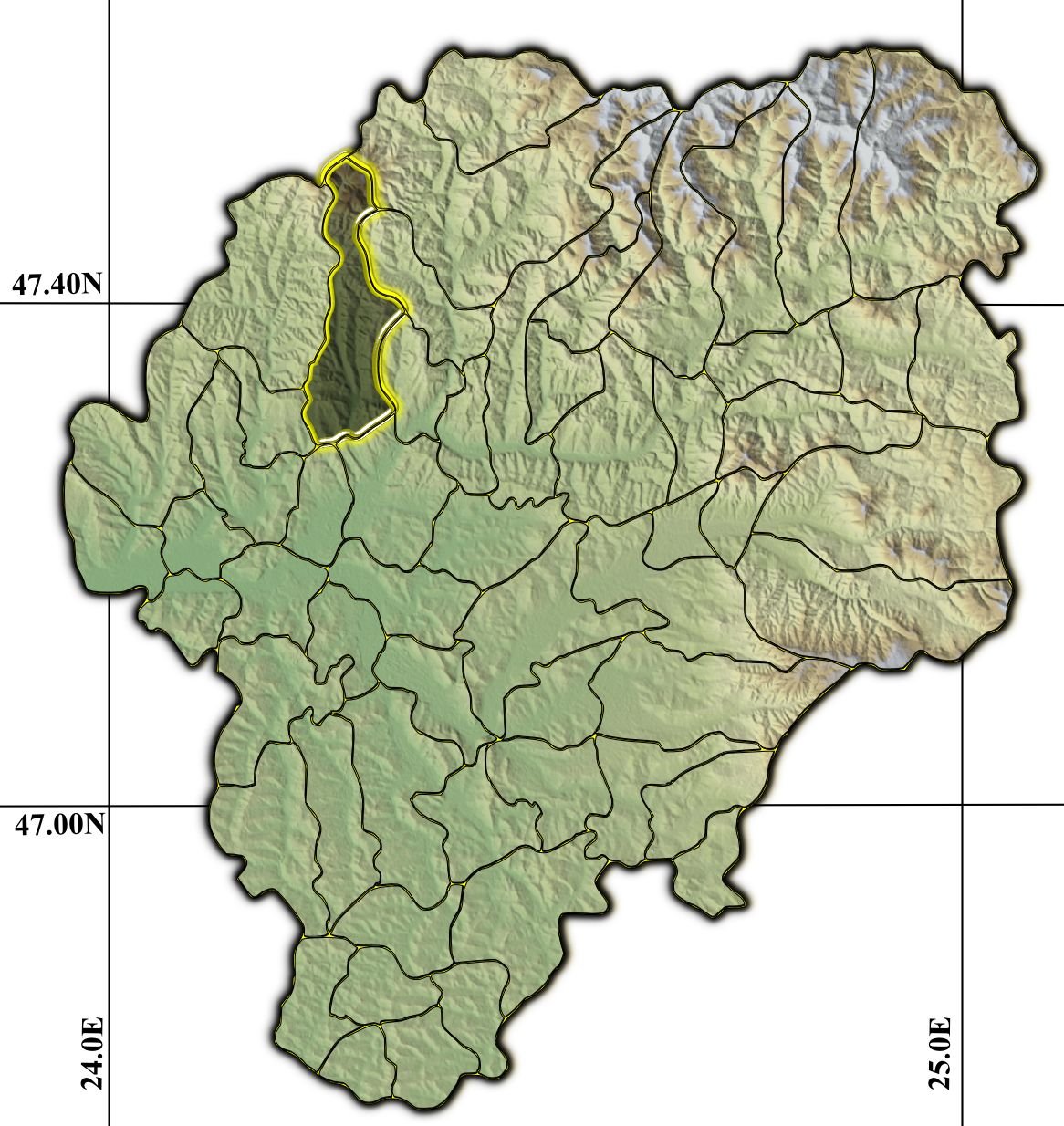
Zagra judetul Bistrita-Nasaud.jpg
Asybaris01 · Public domain
Andalucía · Passion & Soul

Zagra

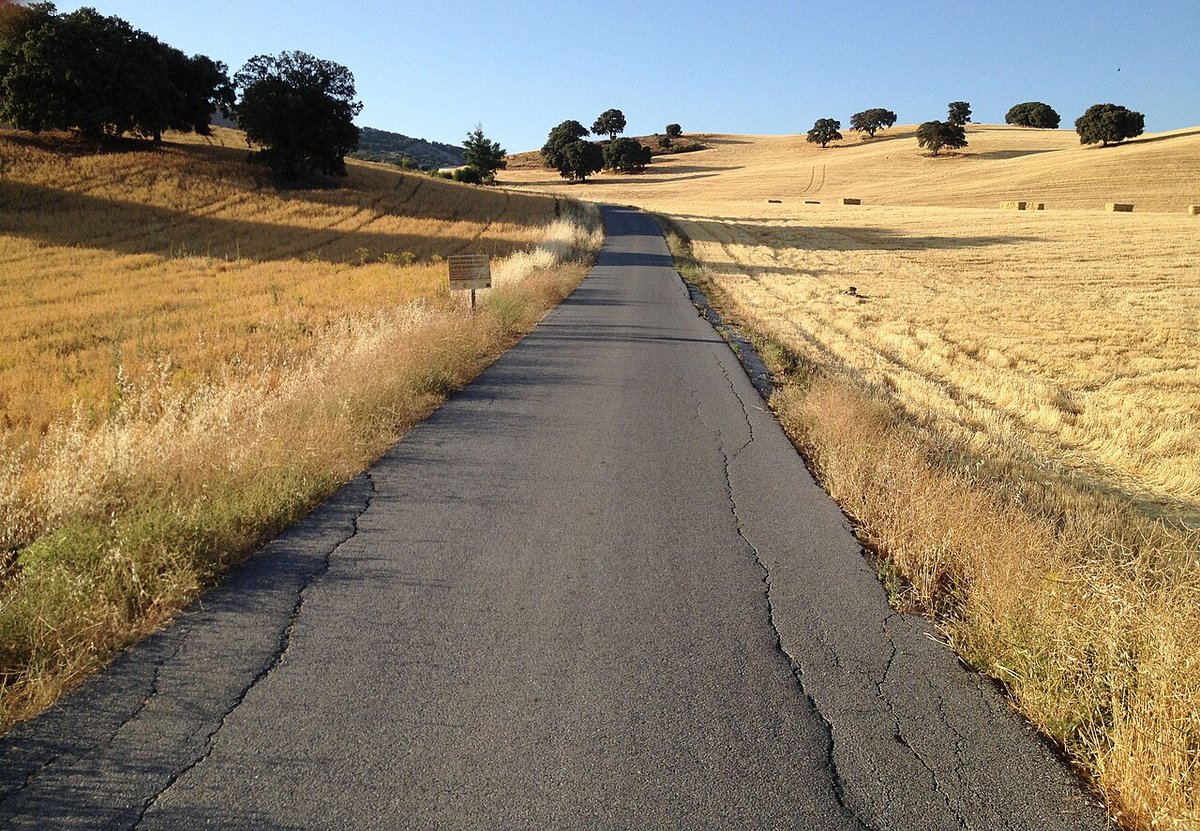
The road to Zagra climbs seventeen kilometres from the Granada motorway, each bend revealing another terrace of olive trees that have been producin...

845 inhabitants · INE 2025
680m Altitude

Why Visit

Mountain Zagra Castle Fishing in the reservoir

Best Time to Visit

summer

San Lorenzo fiestas (August) agosto

Things to See & Do
in Zagra

Heritage

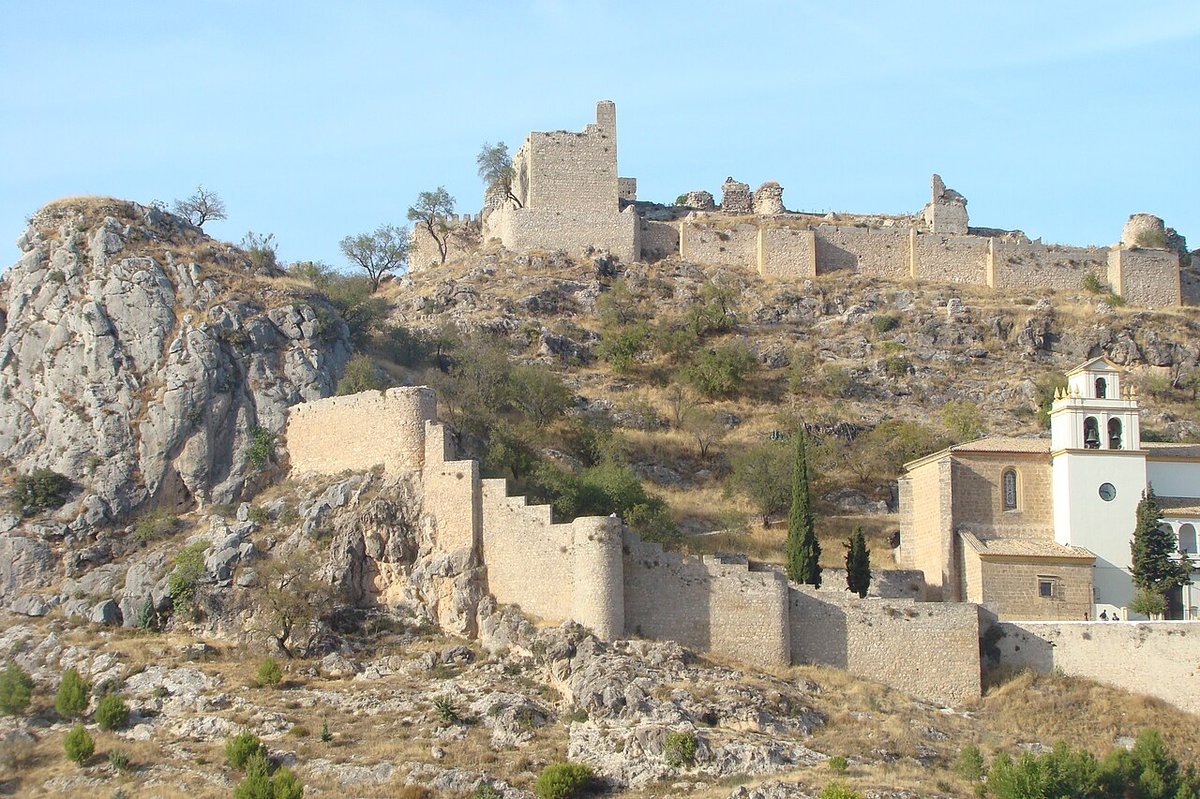
  • Zagra Castle
  • Reservoir Viewpoint

Activities

  • Fishing in the reservoir
  • Hiking

Festivals
& & Traditions

Fecha agosto

Fiestas de San Lorenzo (agosto), San Antonio (junio)

Las fiestas locales son el momento perfecto para vivir la autenticidad de Zagra.

Full Article
about Zagra

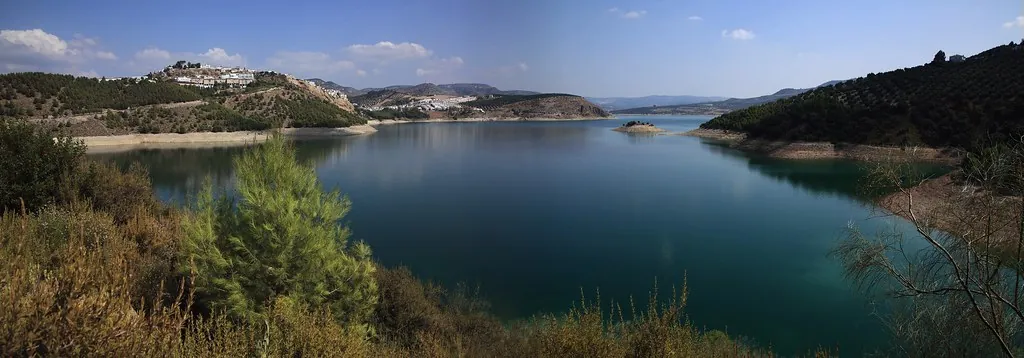
Village perched above the Iznájar reservoir; offers spectacular views and quiet in western Granada.

Ocultar artículo Leer artículo completo

The road to Zagra climbs seventeen kilometres from the Granada motorway, each bend revealing another terrace of olive trees that have been producing oil since the Moors ruled this corner of southern Spain. By the time the white houses appear, scattered across a natural amphitheatre at 650 metres, the Costa del Sol feels like a different country entirely. Mobile signal drops out. Goats wander across the tarmac. Someone's grandmother watches from a plastic chair outside her front door, curious but not unfriendly.

This is rural Andalucía stripped of flamenco tablaos and souvenir sombreros. With 865 residents, Zagra doesn't do tourism by numbers. There are no ticket offices, no guided walks, nobody pressing flyers into your hand. What you get instead is the sound of church bells marking the hours, the smell of woodsmoke from breakfast chimneys, and views that stretch across the Genil valley to the snow-dusted Sierra Nevada.

A Village That Still Runs on Olive Time

The economy here revolves around olives, not visitors. Centuries-old trees surround the village like a rippling green ocean, their trunks twisted into sculptural forms that photographers pay good money to capture elsewhere. Between late October and January, the harvest dominates everything. Tractors towing plastic crates rumble through narrow streets at dawn. Families gather in the cooperativa to watch their fruit pressed into peppery green oil that sells for a fraction of UK prices. Visitors who time their arrival right can buy five-litre jerrycans direct from the mill – the liquid gold you'll never find in British supermarkets.

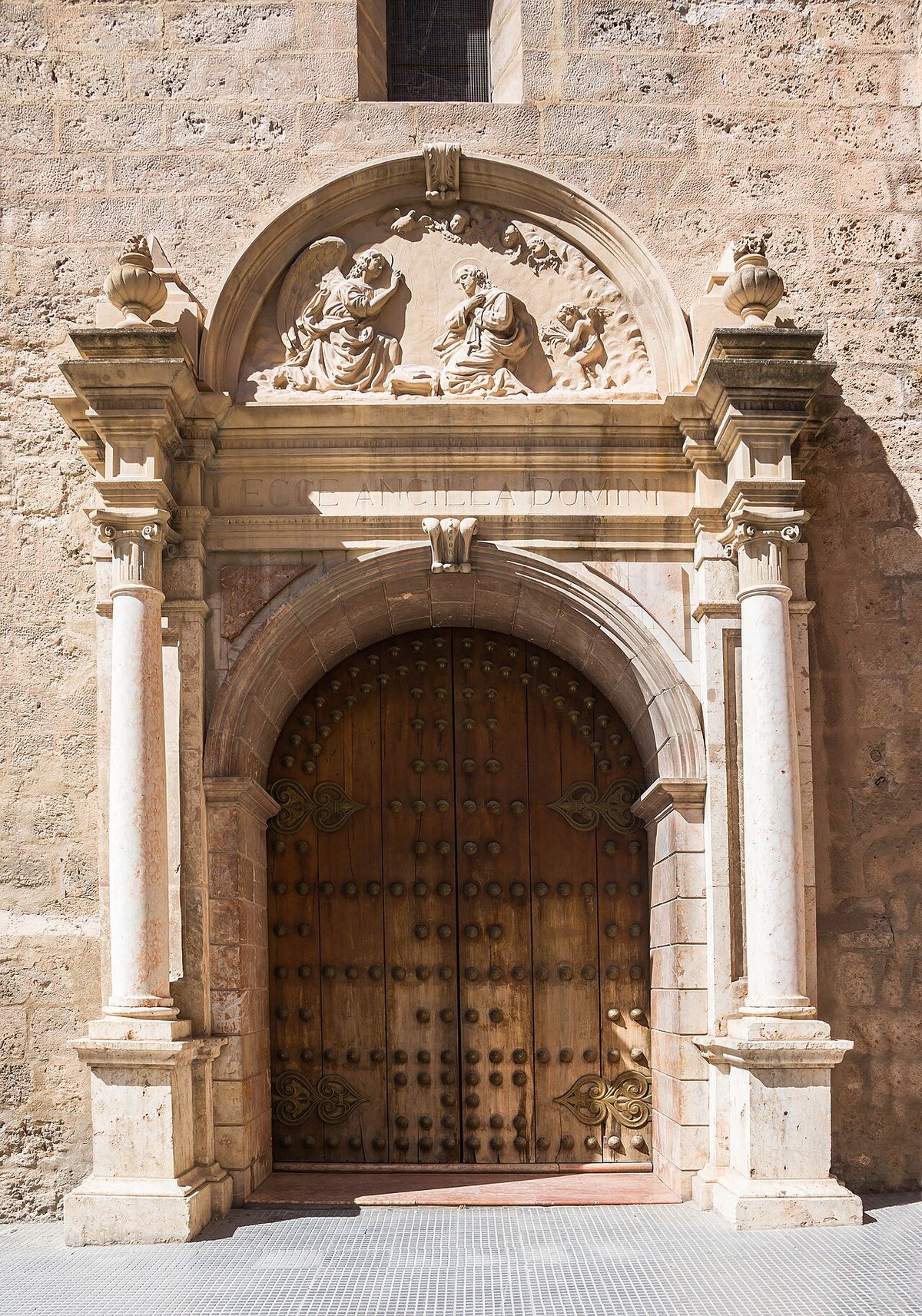
The village itself spills down a south-facing slope, houses painted the regulation white to reflect summer heat. Streets are steep enough to make calf muscles complain; flip-flops are a rookie error. At the top sits the sixteenth-century church of San Pedro Apóstol, its simple tower the highest point for miles. Inside, the air carries centuries of incense and candle wax. The priest still announces deaths and marriages from the pulpit, ensuring everyone knows everyone's business before coffee time.

Down below, the Plaza de la Constitución serves as outdoor living room. Elderly men play cards under jacaranda trees. Mothers push prams in slow circuits. Teenagers slouch on benches, phones held low to catch the single bar of signal that drifts across from the nearest mast. The bar opens when the owner feels like it – theoretically 7 am for workers, practically whenever someone remembers to unlock the shutters. Coffee costs €1.20, served in glasses that have been warming on the machine since 1987.

Walking Into the Past

Zagra makes an excellent base for walkers who don't need way-marked routes or visitor centres. Several footpaths strike out into the olive groves, following ancient tracks that linked farmsteads long before tarmac arrived. One gentle circuit heads three kilometres to the Fuente de los Caños, a natural spring where locals still fill plastic bottles despite having perfectly good taps at home. Another climbs more aggressively into the Sierra Subbética, reaching a ridge where griffon vultures ride thermals above the treetops. Spring brings wild asparagus and thyme; autumn carpets the ground with cyclamen. Nobody charges parking. Nobody asks where you're going. Take water, common sense, and a stick for the dogs that guard cortijo gates.

Cyclists discover these hills are steeper than Ordnance Survey contours suggest. The A-4152 access road averages a seven percent gradient, hairpinning through holm oak and olive before depositing breathless riders in the plaza. Mountain bikers find endless dirt tracks, though navigation requires guesswork and occasional retreat from dead-end farmyards. The reward is silence broken only by chain noise and the distant clang of goat bells.

Food Without the Fanfare

Eating options remain resolutely local. The village bar serves whatever María bought at Mercadona this week – perhaps tortilla thick as a paperback, perhaps migas (fried breadcrumbs) with grapes if the harvest was good. Portions assume you've been working fields since sunrise. The menu doesn't change for tourists because tourists barely register. Vegetarians manage; vegans struggle. House wine comes in unlabelled bottles and tastes like alcoholic Ribena, but costs €2 a glass and nobody's counting.

Self-caterers shop at the tiny ultramarinos, where tinned tuna shares shelves with hardware and birthday cards. Fresh bread arrives from Íllora at 11 am; by noon the crusty loaves are gone. For proper supplies, Loja's supermarkets lie twenty minutes away down that winding road – factor in forty if you're carrying olive oil purchases in the boot.

The annual fiesta at the end of June temporarily doubles the population. Return migrants squeeze into family houses, sleeping on sofas and discussing property prices in Madrid. Processions weave through streets strewn with rosemary. A sound system appears in the plaza for concerts that finish when the Guardia Civil remember noise regulations exist. Visitors are welcome but not fussed over – buy a raffle ticket, dance with someone's aunt, accept the plastic cup of beer thrust into your hand. August brings another smaller celebration; book accommodation early unless you fancy camping among the olives.

Practical Realities for the Curious

Getting here requires wheels. Málaga airport sits seventy minutes away via the A-92 autovía, last stretch on the mountain road that makes British drivers grip the steering wheel tighter with each hairpin. Car hire is essential – buses terminate at Loja, and taxis refuse the climb after dark. Parking in the village is gloriously free but gloriously undefined; wedge the Fiat into any gap that doesn't block a tractor route.

Accommodation means renting someone's grandparents' house. Casa Molino de Zagra converted an eighteenth-century olive mill into three bedrooms around a courtyard pool; British families book it months ahead for half-term escapes. Cortijo del Pino offers farmhouse isolation two kilometres outside the village, perfect for stargazers who don't mind driving for bread. Prices hover around £80-120 per night year-round – no dynamic pricing algorithms here.

Weather follows altitude rather than coastal patterns. Summer days reach 35°C but nights drop to 18°C, making air conditioning optional. Winter mornings see frost on the windscreen; the Sierra Nevada glitters white across the horizon. Spring brings almond blossom and risk of rain; October smells of newly-pressed olives and woodsmoke. Pack layers regardless of season.

The nearest cash machine lives in Íllora, twelve kilometres away – draw euros before you leave the airport. Vodafone and EE manage one bar if you stand in the plaza's northeast corner; otherwise enjoy the digital detox. Doctor's surgery opens Tuesday and Thursday mornings only; serious problems mean the hospital in Granada, fifty minutes on those same mountain roads.

Leaving Without the Hard Sell

Zagra won't change your life. You won't tick off bucket-list sights or post Instagram shots that make friends green-eyed. What you might find is permission to slow down – to measure days by sunlight rather than screen time, to remember that communities function perfectly well without 24-hour supermarkets, to understand why Spanish villagers live into their nineties despite the ham and cigarettes.

The risk is returning home to find your local pub feels too loud, your commute too frantic, your olive oil too bland. That's not Zagra's fault. The village is simply getting on with existing, same as it has for five centuries, whether you visit or not. Which, when you think about it, makes the journey there feel less like tourism and more like privilege.

Key Facts

Region
Andalucía
District
Loja
INE Code
18913
Coast
No
Mountain
Yes
Season
summer

Livability & Services

Key data for living or remote work

2024
ConnectivityFiber + 5G
TransportTrain nearby
HealthcareHospital 9 km away
EducationElementary school
Housing~5€/m² rent · Affordable
CoastBeach nearby
Sources: INE, CNMC, Ministry of Health, AEMET

Official Data

Institutional records and open data (when available).

  • Castillo de Torre Pesquera
    bic Castillo/Fortaleza ~4.6 km
  • Torre de la Martilla
    bic Fortificación ~2.6 km
  • Castillo de Zagra
    bic Castillo/Fortaleza ~0.6 km

Planning Your Visit?

Discover more villages in the Loja.

View full region →

More villages in Loja

Traveler Reviews