Full Article
about Alcalá de Guadaíra
Known as the city of bakers, it stands out for its imposing Almohad castle and the Guadaíra riverside natural park.
Hide article Read full article
A town you smell before you see
The scent arrives first. It is like passing a bakery at six in the morning, only stronger. In Alcalá de Guadaíra, that smell is not a gimmick. Bread has been baked here for centuries, and much of that story is tied to the mills along the river. For generations, this is where Seville has come for its bread.
The link between ovens and river defines the place. Flour once travelled daily from here to the city, and that legacy still hangs in the air. Even without knowing the history, the smell gives it away.
A fortress that means business
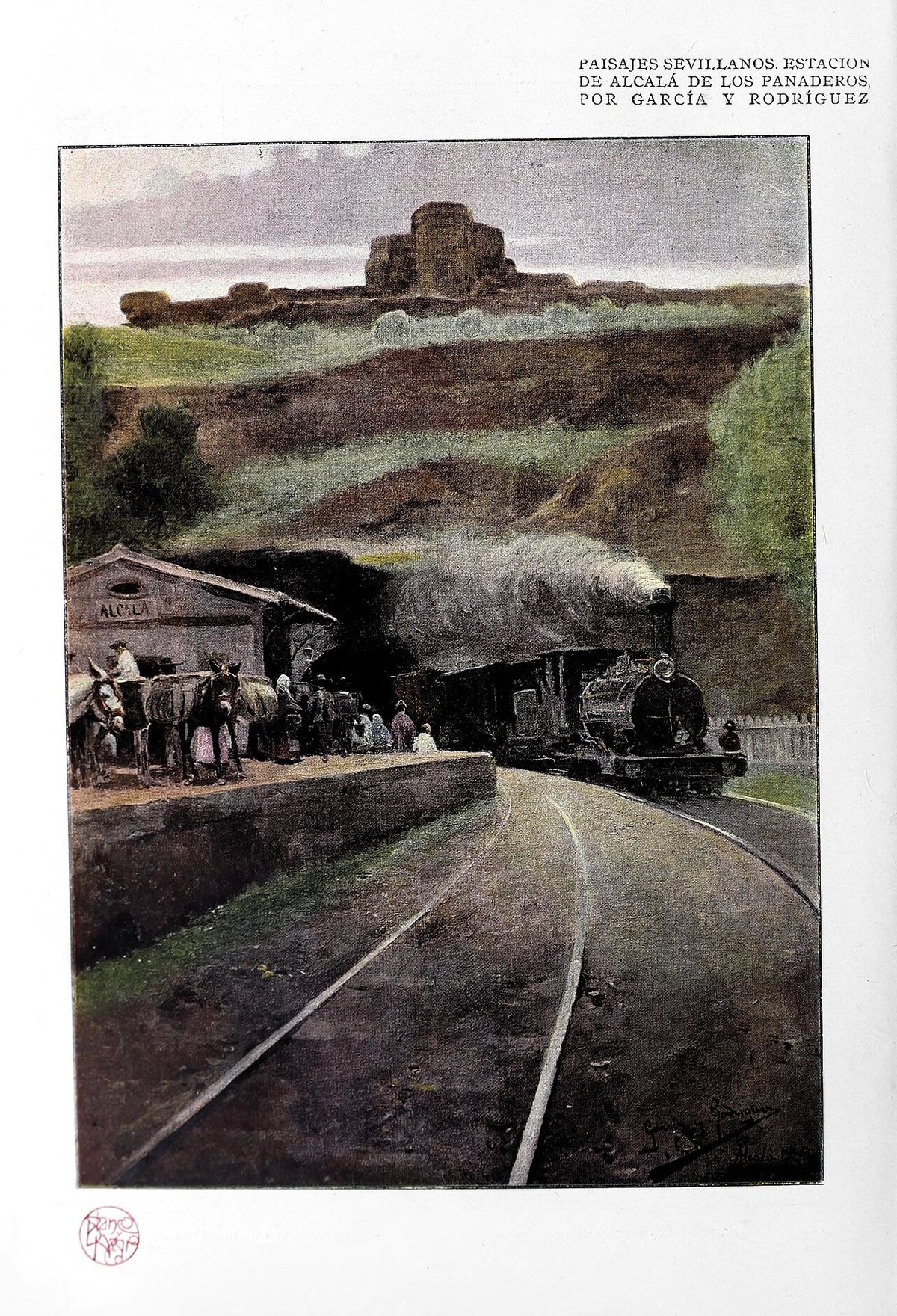
The first landmark on the approach is the castle. It does not belong to a fantasy series. It is a vast red-brick stronghold that spent a long time watching over the valley. Built by the Almohads, it grew over time, especially when the area held military importance during the conquest of Seville.
Today, the mood is calmer. Storks perch, a cormorant might appear by the river, and people walk along the walls. The climb up takes some effort, depending on pace and how much breakfast is involved, but the reason for its strategic position becomes obvious at the top. The Guadaíra winds through trees below, white mills line the riverbank, and on clear days Seville appears on the horizon.
The enclosure is large and open. Shade is limited and the sun hits just as hard as in the capital, so water and a hat make sense here.
The mills along the Guadaíra
One of the most distinctive features of Alcalá lies by the river. For centuries, the Guadaíra powered a chain of mills that supplied flour to Seville. Several still stand and form one of the best-known walks in the municipality.
The most striking example is the Molino de la Mina, often described as the only preserved underground mill in Spain. Entry is through the hillside, and inside there is a vast cavity carved into the rock where the hydraulic machinery once operated. The air feels damp, sound echoes, and there is a strong sense of stepping inside a piece of medieval engineering.
The most common route is the Senda de los Molinos, a path stretching several kilometres alongside the river. One mill follows another. White buildings, water wheels, riverside vegetation, and people walking or cycling shape the experience. Not all the mills are still working, but they make it easy to imagine the activity when flour left here daily for Seville.
The walk itself is straightforward. The terrain is flat, and some stretches offer decent shade, which is welcome in this part of Andalucía.
Bread as identity
Bread in Alcalá is more than tradition. It is close to identity. For centuries, the river powered the mills and the town’s ovens supplied the capital.
The tortas de Alcalá are the best-known example. They are flat, golden pieces with a hole in the middle and a slight sweetness that stops short of pastry. The kind of thing bought with the intention of saving for later, only to disappear before reaching the car.
Bakeries are spread across the town centre, each with its own version. Tortas, different styles of bread, and bizcotelas appear in the windows. Recipes tend to pass from one generation to the next, and the debate over which bakery does it best is taken seriously.
Trying several is almost inevitable. The result is less about choosing a winner and more about understanding how deeply bread runs through the place.
Convent sweets and unhurried afternoons
Just when it seems enough has been tasted, the Convento de Santa Clara enters the picture. As in many Andalusian convents, the nuns prepare traditional sweets sold through a revolving hatch. Almond, egg yolk, sugar. Recipes that have circulated within cloisters for centuries.
Another local habit appears in the use of caves as spaces for afternoon desserts. It is a well-rooted tradition in Alcalá. Rock ceilings, simple tables, and menus focused on sweets and coffee define these spots. People come after lunch, when conversation stretches out and time becomes less important.
When to go
Spring tends to be the most rewarding time to explore Alcalá de Guadaíra. The riverside park turns green, the mill walk is more enjoyable, and the scent of bread mixes with that of orange blossom.
Summer brings intense heat, as across the Sevillian countryside. Visiting is still possible, but earlier starts or late afternoon walks are the more comfortable options.
The municipality itself is large, although the most interesting areas for visitors lie between the castle, the centre, and the stretch of river. Seville is close by, with easy access by car and commuter rail.
Alcalá is not a postcard town designed to look perfect. Its appeal sits elsewhere: a river that once powered industry, ovens that continue to work, and that unexpected smell of bread that appears without warning. Arrive hungry and without rushing, and the rhythm of the place becomes clear on its own.