Full Article
about El Viso del Alcor
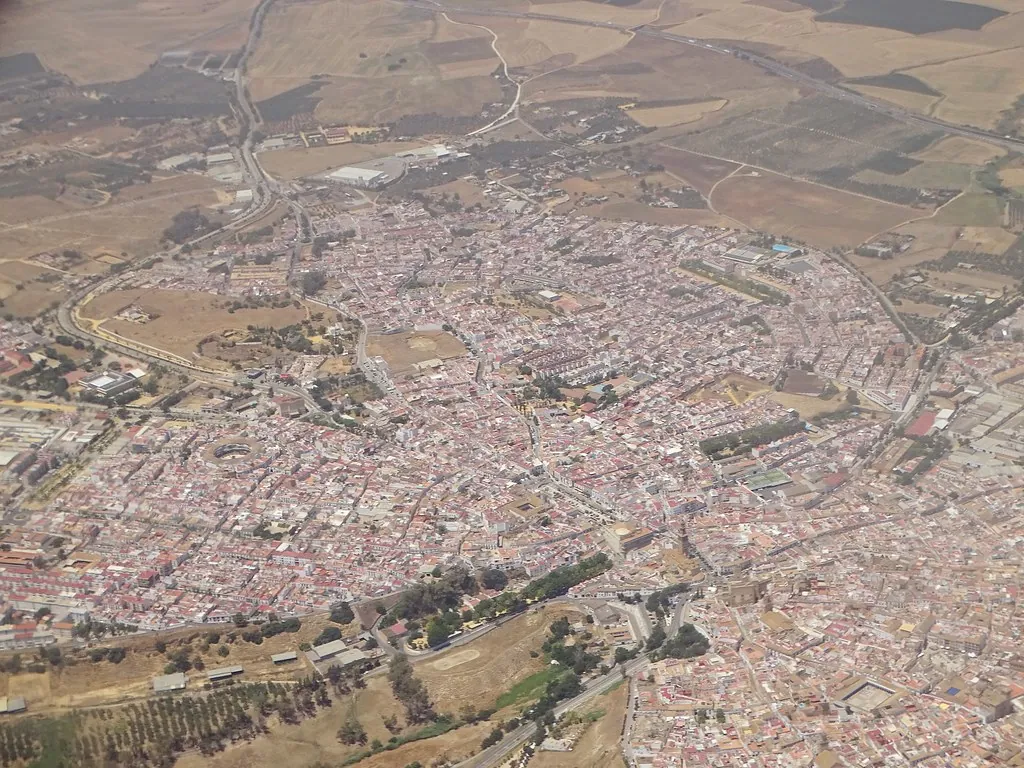
Set on the Alcores ridge, known for its stew and Santa Cruz fiestas.
Hide article Read full article
A morning that smells of bread
At eight, before the sun has fully dried the dew, the bakeries of El Viso del Alcor release a warm vapour that smells of fermented dough and firewood. Women step out with shopping bags hooked over their forearms, many still in house coats, crossing paths with men returning from the fields with boots marked by the reddish soil of the Alcores. No one seems in a rush. The whole place carries the scent of fresh bread, and that already says a lot about how the day begins here.
The rhythm is unhurried, almost suspended. Streets fill slowly, conversations start in doorways, and the light moves gradually across whitewashed walls. It is not a town that announces itself loudly. Instead, it unfolds in small, everyday gestures that repeat without fuss.
The bread that shaped the town
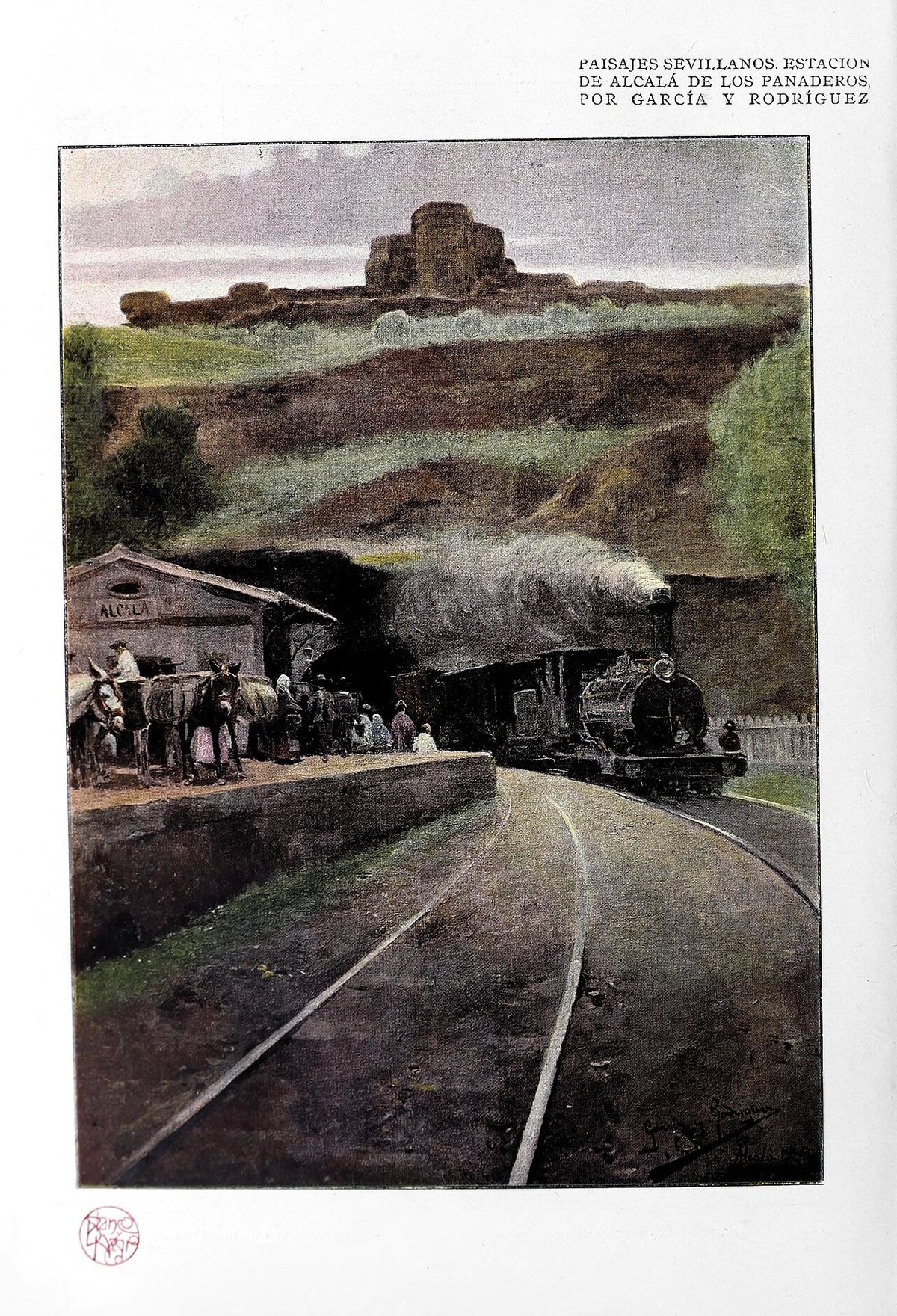
Bread from El Viso has been well known across the area for generations. The rosca, a traditional round loaf, is dense, with a tight crumb and a thick crust. When broken open it crackles, releasing a toasted cereal aroma that lingers on your fingers. For a long time, this bread travelled out of the town towards Sevilla, loaded onto mules. It was sold there, and the animals returned with saddlebags filled with whatever was lacking back home.
That history still echoes in language. Some locals continue to say “bajar a Sevilla”, literally “go down to Seville”, as if it were still a long journey, even though today the drive is relatively short.
Between El Viso and nearby towns, stretches of paths still follow the line of the alcor, a kind of long ridge that opens out onto the fertile plain of the Guadalquivir. These dirt tracks are now used by cyclists and people who head out for a walk towards evening, when the heat begins to ease. The land shapes both movement and habit, just as it has done for years.
A church above the rooftops
From several streets in the centre, the tower of Santa María del Alcor suddenly comes into view. It rises above the low houses and works almost like a point of reference when finding your way around.
The current building dates from the late Middle Ages, although the site appears to have had religious use long before that. Inside, the air carries the scent of wax and old wood. Light filters in from above and falls diagonally across the floor, leaving some chapels in shadow even at midday. Standing quietly beneath the choir, there is a faint echo of footsteps and, in summer, the soft buzz of flies against the glass.
It is not an enormous church, yet it gives a sense of depth, the kind that comes from spaces used continuously over centuries. Time feels layered here, held in the surfaces and the stillness.
Menudo and the midday routine
Around one o’clock on a Tuesday or Wednesday, another rhythm takes over. In El Viso’s bars you’ll often find menudo on offer—a stew of tripe with chickpeas and chorizo. People ask for it without thinking twice.
It is slow-cooked in large pots: tripe carefully cleaned, chickpeas softened from soaking overnight, and a thick broth that clings to bread. In local bars, things tend to work more by habit than by menu. You ask what is available and the answer comes straight from the kitchen.
For those coming from outside, it’s common to be served a small tapa first. Return another day, and the portion will likely be more generous. The menudo arrives very hot, with a reddish steam that fogs up glasses if you lean in too close. It is simple, filling food that fits naturally into the pace of the place.
September and the pull of the countryside
As September softens summer’s intensity, attention turns towards an area of pine trees just outside town. The romería of Santa María del Alcor takes place around this time—you’ll feel its presence early in the morning through decorated trailers, fresh branches of rosemary tied to balconies, and groups walking together along dusty tracks.
There is music from portable speakers tied to carts, horses standing patiently in patches of shade, blankets spread across dry grass. The air carries a mix of dust from the path and crushed rosemary underfoot. This isn’t something you watch; it’s something you move through—a day shared among families who return to these same spots year after year.
If you visit during these days—usually mid-month—arrive early or leave your car slightly outside town centre. Entrances fill quickly with vehicles belonging to locals setting up camp for hours.
When to come and what to expect
Spring works well here. Cereal fields around El Viso turn green then; poppies grow along path edges alongside yellow wild mustard flowers you can smell when brushing past them late afternoon when more air circulates than down on Guadalquivir plain below making walking easier without oppressive heat pressing down hard yet still present enough remind you where are standing geographically speaking too close not feel its weight entirely gone either way though manageable compared high summer months ahead later on calendar pages turning over slowly like they do everywhere else but somehow slower here perhaps because light moves differently across flat expanses visible from ridge top where town sits perched watching horizon line blur into haze most afternoons anyway best times morning or just before sunset golden hour lasts longer than seems reasonable painting tile roofs orange then fading violet while cicadas start up chorus near seven o’clock bringing chairs out doorways conversations softening gradually until only murmur remains under darkening sky above ridge line disappearing into night quiet again until tomorrow same rhythm continues uninterrupted mostly except Sundays when everything closes tighter than usual plan accordingly bring water wear hat comfortable shoes nothing else required really maybe appetite curiosity willingness let hours pass without checking phone often signal weaker certain corners anyway doesn’t matter much what matters is noticing how bread tastes different here why that might be answer lies somewhere between red soil underfoot centuries old ovens still burning wood same way always has done before anyone thought write about it