Full Article
about Alamedilla
A town in the Los Montes Orientales area, known for its stark, unique badland scenery and total quiet.
Hide article Read full article
Alamedilla en Los Montes
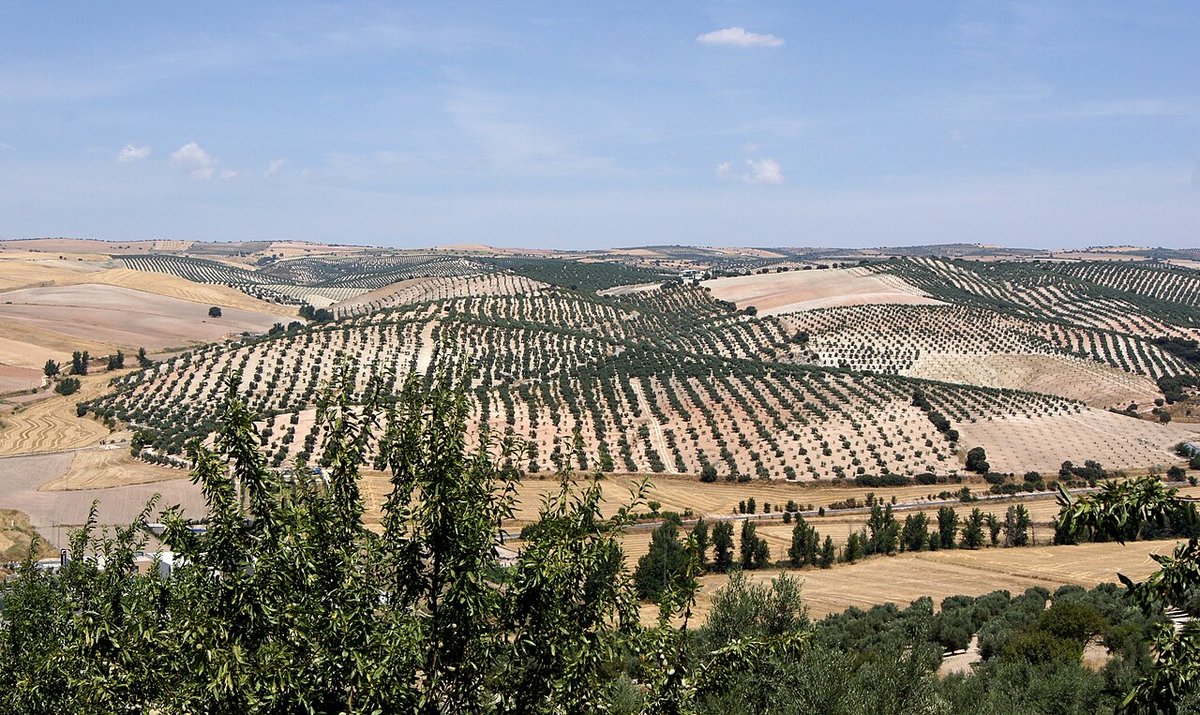
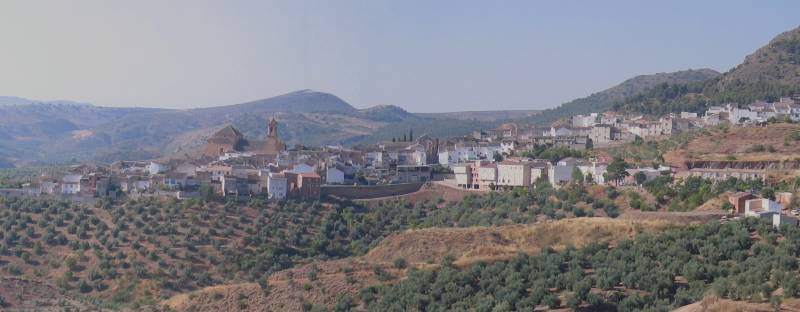
Alamedilla pertenece a la comarca de Los Montes, en el límite oriental de la provincia de Granada con Jaén. Su población, poco más de quinientas personas, se distribuye en un caserío blanco que se adapta a la ladera, rodeado por el paisaje que define esta zona: un mar de olivares sobre colinas. La forma del pueblo viene determinada por esa topografía, con calles que suben y bajan según la cuesta. Se recorre fácilmente a pie.
La vida aquí sigue vinculada al campo. El olivar es el principal cultivo, visible en las terrazas que modelan las lomas alrededor del núcleo urbano. La actividad diaria se concentra en la plaza, en las puertas de las casas y en la fuente, donde la conversación forma parte del ritmo cotidiano igual que el trabajo en la tierra. En Los Montes el turismo no es un motor económico; eso permite que se mantenga un pulso rural reconocible en buena parte de la Andalucía interior.
Arquitectura y espacio público
La iglesia parroquial de Nuestra Señora de la Encarnación domina el perfil de Alamedilla. Su torre es visible desde casi cualquier punto. Los orígenes del templo se sitúan entre los siglos XVI y XVII, con reformas posteriores que han dado su aspecto actual. Es un edificio modesto, coherente con el carácter de la comarca.
En torno a la plaza se conservan algunas viviendas tradicionales, con balcones de hierro y patios interiores. No son construcciones señoriales, sino soluciones prácticas al clima y a la vida agraria: muros gruesos para aislar del calor, fachadas encaladas que reflejan el sol. Algunas tenían antiguamente usos auxiliares, como almacén de herramientas o cuadra, lo que muestra la estrecha relación entre el espacio doméstico y el trabajo.
A las afueras se encuentra la Fuente del Pilar, que durante décadas abasteció de agua a la población. Hoy tiene un uso más ocasional, pero su estructura recuerda su papel central en la vida cotidiana de otras épocas.
Por los caminos del olivar
El entorno de Alamedilla se explora mejor por los caminos agrícolas. Muchos de ellos conectan cortijos o llegan hasta pueblos vecinos de la comarca. No suelen estar señalizados como rutas de senderismo oficiales, pero son transitables a pie o en bicicleta.
Al ascender ligeramente por las lomas cercanas se obtienen vistas amplias sobre el mosaico de olivares. No son miradores acondicionados, sino simples cortes en el terreno donde el paisaje se abre.
La fauna está presente de forma discreta. En las zonas de matorral bajo es frecuente ver aves rapaces o especies menores asociadas al cultivo del olivo. No hay infraestructuras para la observación, por lo que conviene moverse con cuidado y respetar que estos caminos son, ante todo, vías de trabajo agrario.
La cocina local refleja lo que da la tierra. El aceite de oliva virgen extra está en casi todo, desde los platos de cuchara hasta preparaciones más sencillas como las migas o los potajes de invierno. Los derivados del cerdo también son habituales, sobre todo tras la matanza, una práctica que aún se mantiene en muchos pueblos de la comarca.
Calendario festivo
Las fiestas en Alamedilla mezclan lo religioso con el encuentro vecinal. Los actos en honor a la patrona, Nuestra Señora de la Encarnación, reúnen a muchas personas que viven fuera pero regresan al pueblo esos días.
En primavera suele celebrarse la romería de San Marcos, una tradición compartida en esta parte de Granada. Consiste básicamente en que grupos familiares pasan el día en el campo, en algún paraje cercano. Se come al aire libre y las comidas se alargan durante la tarde.
La Semana Santa se vive con más recogimiento que en las ciudades grandes. Las procesiones recorren las calles del pueblo sin montajes elaborados, en un ambiente donde casi todos se conocen. La escala es menor, pero el sentido comunitario es palpable.
Cómo llegar y moverse
A Alamedilla se accede por carreteras locales desde distintos puntos de Los Montes. En la práctica, el coche es la opción más sencilla, ya que el transporte público en la zona es limitado.
El pueblo dispone de servicios básicos y se puede aparcar sin dificultad cerca del centro. El recorrido por sus calles no lleva mucho tiempo. Gran parte del interés está fuera del casco urbano, por los caminos que salen hacia los olivares y las lomas circundantes.