Full Article
about Alicún de Ortega
Quiet border town near Jaén; known for its nearby spa and surrounding steppe and badlands.
Ocultar artículo Leer artículo completo
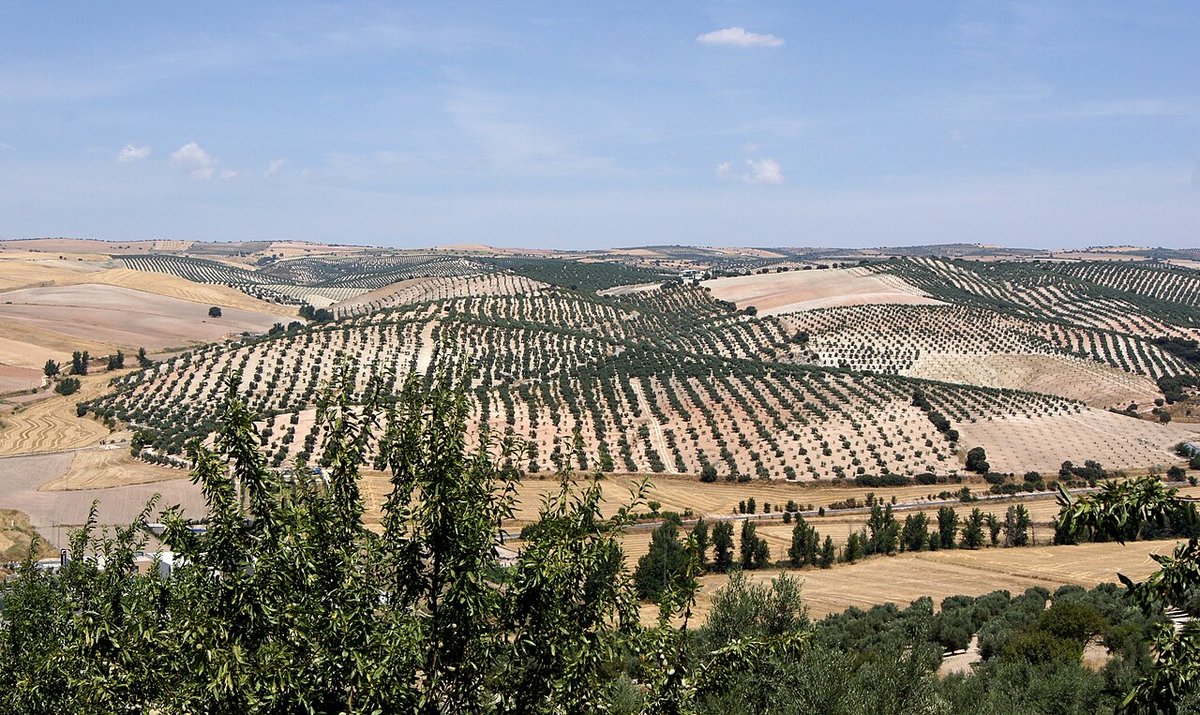
The morning flight from Manchester lands at Málaga before ten. By half past two you’re climbing through olive groves that have swallowed entire hillsides, the hire-car thermometer dropping from 28 °C on the coast to 22 °C as the road twists above the 600 m contour. Alicún de Ortega appears suddenly: a white rectangle stuck to a ridge, its church tower the only thing taller than the cypress trees. The engine note echoes – not because the place is empty, but because every sound carries when the permanent population is 458.
This is not a village that has remodelled itself for weekenders. The only directional sign pointing to the centre is half hidden by a tractor tyre leaning against a wall. Park wherever the lane widens; if you block someone’s garage they’ll appear within minutes, gesturing you towards the shady side of the street. English is scarce, yet the woman in the tiny grocery shop will slow her Spanish to a shouty mime if that helps you buy tomatoes, a packet of garbanzos and a litre of local oil decanted from a steel drum. The bill comes to €7.40 and she rounds it down because you lack small change.
Altitude does strange things to the light. At 680 m the sky feels nearer, the shadows sharper, and the air carries the scent of warm thyme even when the surrounding fields look bone-dry. Summer afternoons reach 35 °C, but once the sun slips behind the Sierra de la Alfaguara the temperature collapses; visitors who arrive in shorts at dusk end up rooting through suitcases for jumpers. In January the village can wake to a dusting of snow that melts before lunchtime, leaving cobbles treacherously slimy. Winter is quiet: most under-thirties are away at university in Granada, 85 km south, and only the older rhythm of pruning and ploughing remains.
Walking without postcards
Guidebooks like grand vistas; Alicún offers close-ups. A five-minute stroll from the plaza brings you to the upper lane where the pavement simply stops. Carry on and you’re on a camino real, a centuries-old bridleway bulldozed just wide enough for a modern tractor. Olives give way to almonds; the soil is red clay littered with fist-sized lumps of limestone. After 25 minutes you pass a stone hut with a corrugated roof and no door – last winter’s pruning stacked inside, a rusted bedspring leaning against the wall. Keep ascending and you reach the ridge at 920 m; the reward is a view of three provinces, but the real pleasure is the silence, broken only by a pair of ravens turning overhead.
Maps mark several circular routes, yet signage is sporadic. The safest plan is to follow the GR-7 long-distance footpath which skirts the village; white-and-red blazes appear on power poles and dry-stone walls every kilometre or so. A four-hour loop eastwards drops into the Barranco de Alamedilla, climbs through pine regrowth, then re-enters farmland at an abandoned cortijo where storks nest on the chimney. Boots with ankle support are advisable: the limestone is knobbly and farmers scatter fist-sized rocks to curb erosion. Between June and September start early; by 11 a.m. the heat ricochets off the stone and there is no shade.
Eating what the fields decide
The village bars – there are two – open at seven for coffee and close sometime after midnight if customers remain. Neither offers a printed menu; ask what there is and the reply depends on what the cook’s garden yielded that morning. Migas, a winter dish of fried breadcrumbs laced with garlic and potato, appears regularly because it stretches a loaf that has gone stale. Spring brings artichokes stewed with peas; in late summer you may find berenjenas con miel, aubergine chips drizzled with cane honey that tastes like mild molasses. Meat eaters get goat from the next valley or rabbit shot among the irrigation channels; expect bones, not fillets.
The only wine available is made by the local cooperative in Villanueva de las Torres. It arrives in plain green bottles, costs €1.80 a quarter-litre and tastes like Beaujolais that has mislaid its manners. Locals dilute it with lemonade for a midday refresco; the British preference for drinking it neat usually raises eyebrows and complimentary tapas.
If you prefer to cook, the grocery opens 9–2 and 5.30–8. Fresh fish is delivered frozen on Tuesdays; bread arrives from a larger bakery at ten each morning and sells out by two. Fill any gaps by knocking on doors marked “Aceite de Oliva Casero”: households sell their own surplus oil for €5 a litre, decanted into old water bottles. It is mild enough to sip, and luggage handlers never believe it is legal to transport.
When the village remembers how to party
For eleven months Alicún goes to bed early. Then, around 15 August, the population quadruples. Emigrants who left for Barcelona or the Basque Country in the 1980s return with grandchildren and refrigerated cool-boxes. The plaza is boarded over for baile, a temporary bar serves tinto de verano until five in the morning, and fireworks ricochet between the houses like gunshot. Visitors are welcome but rooms are scarce: the sole hostal has eight doubles, booked year after year by the same extended families. Reserve early or base yourself in neighbouring Alamedilla, seven kilometres away, and accept that you will be driving home at dawn behind someone else’s uncle who has had even more wine than you.
Spring offers a gentler spectacle. From late February the almond trees bloom in waves of pink-white, each terrace a slightly different shade depending on elevation and micro-climate. Photographers arrive with long lenses, but numbers remain in single figures; you can still walk the lanes without meeting anyone except a farmer on his mule, politely asking if you’ve seen a stray dog.
Practical grit with the romance
Getting here requires wheels. Málaga airport is 110 km and a 90-minute drive; Granada’s smaller terminal is closer but fewer airlines fly there. From the A-92 you exit at Iznalloz, then tackle the GR-3406 for 28 km. The surface is tarmac all the way, but the final stretch climbs 400 m in tight S-bends with no barrier; if you meet a lorry coming down, one of you must reverse. Fill the tank at the motorway services – the village pump opens sporadically and only takes cash.
Phone signal is reliable in the streets but dies in the surrounding gullies. Download an offline map before setting out on walks. The nearest cash machine is in Alamedilla; many bars will not accept cards for bills under €20. Medical cover is basic: the doctor visits three mornings a week, emergencies mean a 45-minute ambulance ride to Granada. Travel insurance is advisable rather than optional.
Evenings can be chilly outside midsummer. Pack a fleece and, between November and March, a light waterproof; mountain squalls blow up quickly. In high summer the risk is sun, not rain – there is no beach umbrella hire because there is no beach.
Worth it?
Alicún de Ortega will never feature on a “Top Ten Cute Villages” reel. The houses are white but some need repainting, the church is ordinary and the gift shop does not exist. What you get instead is a place still negotiating its own identity between tradition and satellite television, happy to let you watch if you arrive without preconceptions. Bring walking boots, a phrasebook and an appetite for whatever is bubbling on the stove. Leave the checklist at home; the village has never heard of it and prefers to keep things that way.