Full Article
about Campotéjar
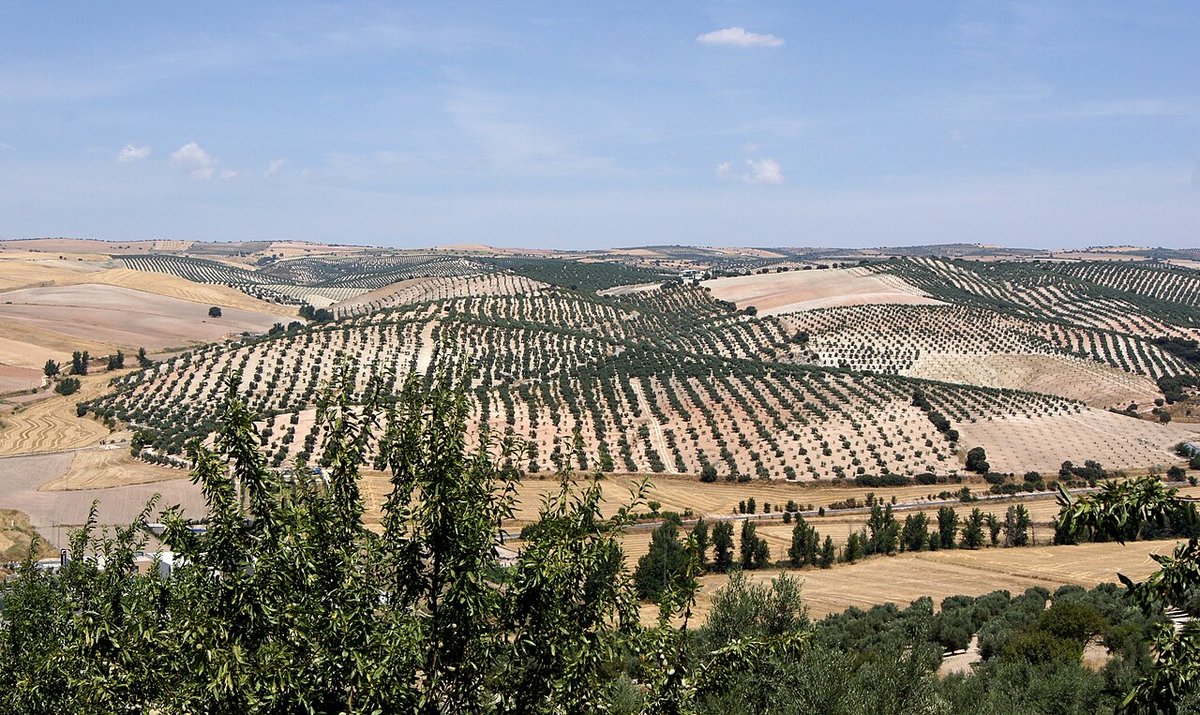
Located on the Madrid highway; gateway to the Eastern Mountains with a landscape of olive groves and small-game hunting.
Ocultar artículo Leer artículo completo
The roast lamb arrives on a plain metal tray, the skin blistered and glossy, the meat collapsing at the nudge of a fork. Around you, Spanish lorry drivers debate football over glasses of house red while a toddler threads between tables clutching a bread roll the size of her head. You are five minutes off the A-92, 25 minutes north of Granada, and technically in Campotejar — though most diners couldn’t tell you the name of the village they’ve just pulled into. They follow the brown sign that says “Asador” and hope for the best.
That roadside restaurant, Asador Don José, is the reason Campotejar appears on more British itineraries than anyone here quite understands. Coaches from Málaga to Madrid idle in the car park; rental cars with UK number plates squeeze beside them. Inside, the menu is written for people who want recognisable meat and chips without the translator app: chuletón (a rib-eye the size of a side plate), roast suckling lamb, grilled chicken, chips, salad, done. A quarter-litre of soft Granada wine costs €2.80; pudding is rice pudding or flan. The bill for two rarely tops €35. No wonder it’s become the default lunch pause between airport and city.
Yet if you walk 200 metres beyond the neon “Menu del Día” sign, Campotejar reverts to a working hill village that the motorway almost forgot. The road climbs past olive warehouses and a modern church whose bell marks the quarter-hour. Houses are painted the colour of pale sand, not postcard white, and geraniums on balconies are watered by residents, not a council contractor. At 900 metres, the air is thinner than on the coast; even in July you’ll want a jumper after nine o’clock.
The village sits on a ridge that once marked the edge of the Nasrid kingdom. From the small park behind the ayuntamiento you can see the olive sea of Los Montes stretching north towards Jaén, the snow on the Sierra Nevada flashing white in the distance. It is the sort of view that makes you slow the car on the way down to Granada, but few people do. They’ve already eaten and are watching for the motorway slip road.
If you stay longer than it takes to digest cochinillo, Campotejar offers a short lesson in how inland Andalucía lives when nobody is looking. The morning fish van arrives at 10:30 — no coast for 60 kilometres, but the driver knows who wants anchovies and who’ll complain if the hake isn’t glistening. Next door, the bakery sells molletes (soft white rolls) still warm, ideal for a wedge of tortilla eaten on the bonnet of the car. Try paying with a card and you’ll be directed to the cash machine outside the modern health centre; the commission is €1.50 and the queue is pensioners collecting prescriptions.
Walking options are straightforward. A signed 6-kilometre loop, the Sendero de los Cortijos, leaves from the upper cemetery and threads through olive groves to a handful of farmsteads where mules still plough between the trees. Spring brings poppies and the smell of wild thyme; autumn is mushroom season, though locals are reticent about exact locations — join a group from nearby Iznalloz if you want to avoid an argument with a farmer. The path is rough stony track: trainers are fine, flip-flops are not. Allow two hours and take water; there is no bar until you’re back under the church tower.
Winter mornings can start at two degrees; by midday the thermometer reads 18 and you’re peeling off layers. Summer reverses the numbers: 35 degrees at three o’clock, cool enough by ten to sit outside the only café still serving coffee rather than beer. The café doubles as the local betting shop; ask politely and they’ll switch the television from horse-racing at Málaga to yesterday’s BBC news.
Festivals follow the agricultural calendar. In mid-August the Virgen de la Encarnación is carried around the streets at a pace that allows fireworks to be let off between each block. Half the village is related to the bearer team; the other half is in charge of pouring fino. Visitors are welcome but there are no processional seats for hire — bring a cushion and stand on the edge of the plaza. December brings a living nativity: someone’s newborn twins play Jesus, the mayor is one of the three kings, and the whole thing is over in 45 minutes so everyone can get back inside before the night chill settles.
Practicalities are simple. Leave Granada on the A-44, join the A-92 towards Madrid, take exit 225 signed “Campotejar/Restaurante”. The slip road deposits you at the asador car park; if you want the village itself, turn right at the roundabout and climb for two minutes. Parking on the main street is free and usually empty. There is no hotel — the nearest beds are in Iznalloz ten kilometres away, basic but clean, or back in Granada’s converted convents. Petrol is cheaper on the motorway than in the village Repsol, and the lavatories in Asador Don José are cleaner than any service station for 100 kilometres.
Come with the right expectations. Campotejar will not deliver the cobbled labyrinth of Alfarnatejo or the castle views of Montefrío. It is a place to stretch your legs, drink a coffee among people who still ask the English where they’ve left the rain, and remind yourself that motorway Spain can still produce lamb worth missing a turn-off for. Then you re-join the traffic, Granada’s Alhambra appearing on the horizon 20 minutes later, and the ridge-top village slips back into its own quiet rhythm — bell, bread van, olive trucks, siesta — until the next coach needs feeding.