Full Article
about Colomera
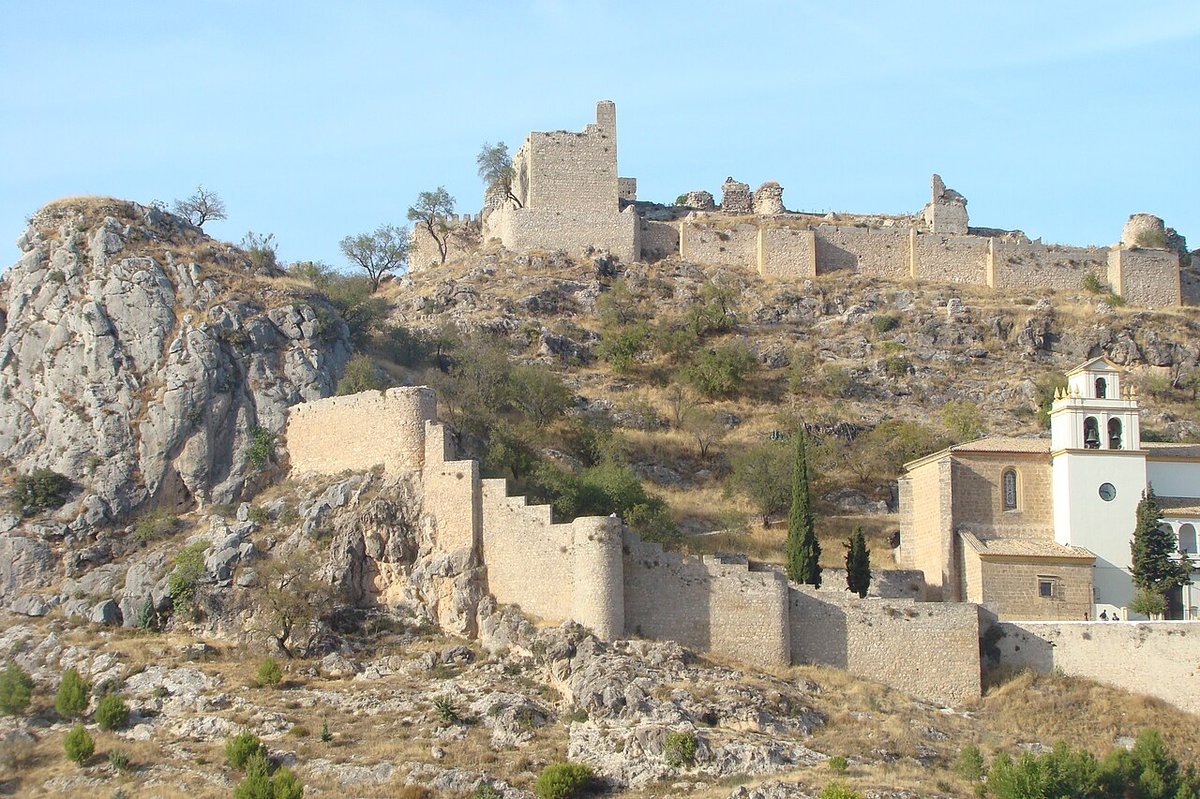
Historic town with a castle perched on the rock; known for its olive oil and the reservoir that bears its name.
Hide article Read full article
Colomera, or the art of not being a destination
I almost drove past it. The sign for Colomera is the kind you blink and miss, tucked between two endless waves of olive groves on the road from Granada. That felt about right. This isn't a place that shouts for your attention. It's more like someone's quiet uncle who only speaks when he has something to say.
With just over twelve hundred people, this village in Los Montes runs on olive time. You see it in the pickups parked halfway onto a lane, the conversations that stretch across the plaza, and the way everyone seems to know exactly which terrace catches the last sun of the day. Coming here for a checklist of attractions is missing the point. You come to Colomera to reset your pace.
A church with working hours
The Iglesia de la Encarnación is hard to miss, perched up there like it's keeping an eye on things. From the outside, it’s all sober stonework, a 16th-century project that looks like it means business. The inside tells a different story, with a detailed altarpiece and some baroque statues that have seen a few centuries of prayers.
Here’s the thing: getting in isn't always straightforward. The doors aren't on a tourist schedule. Your best bet is mass times, or asking around politely at the town hall if someone can point you toward the person with the keys. It’s that type of village, where access is often a social exercise.
Streets that follow the hill, not a plan
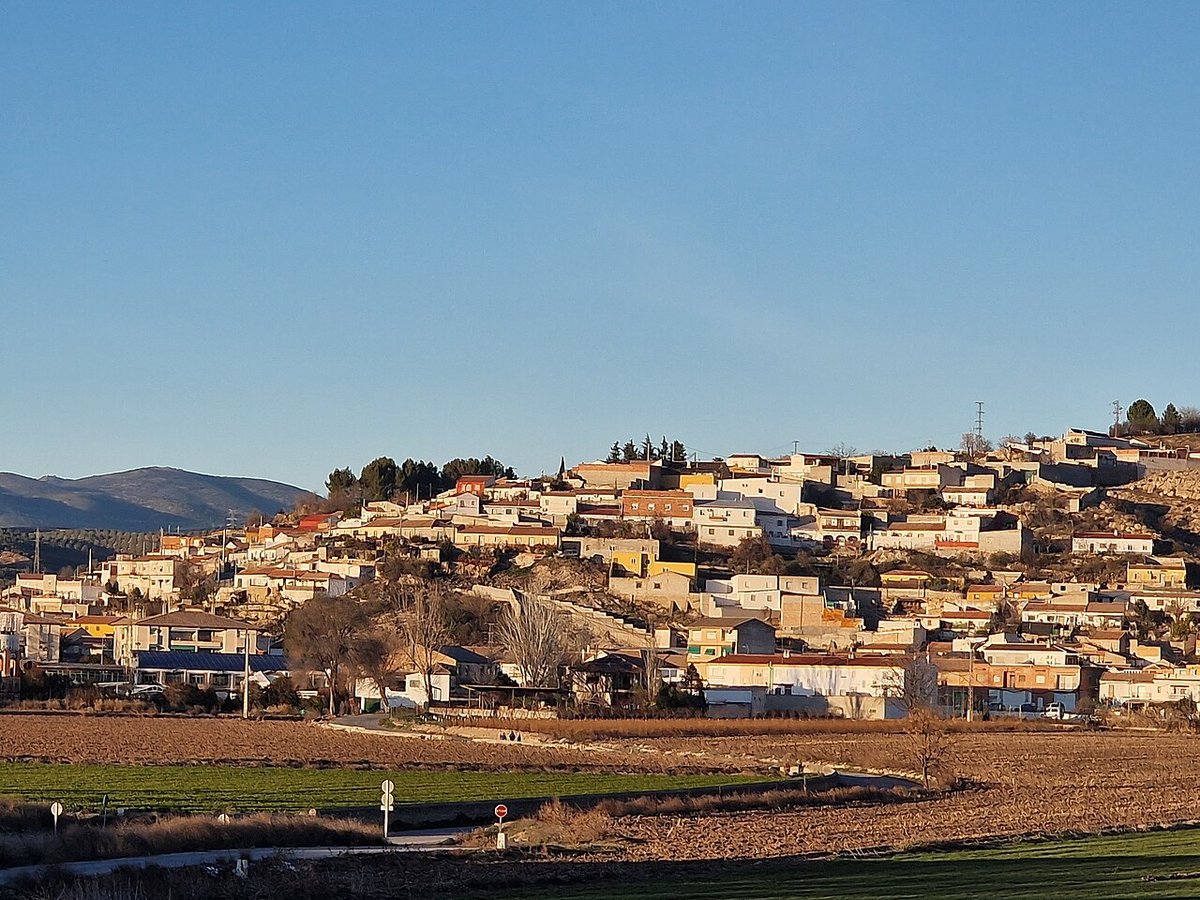
Wandering the old quarter feels less like exploring and more like reading terrain. The streets are steep, whitewashed, and they obey the slope of the land. You don't get lost so much as you eventually loop back to where you started.
The real character isn’t in any grand monument. It’s in the glimpses you catch through half-open doorways: a tiled patio, a burst of geraniums in a tin can, the smell of lunch drifting out. It feels lived-in, in the best possible way.
Walking where the tractors go
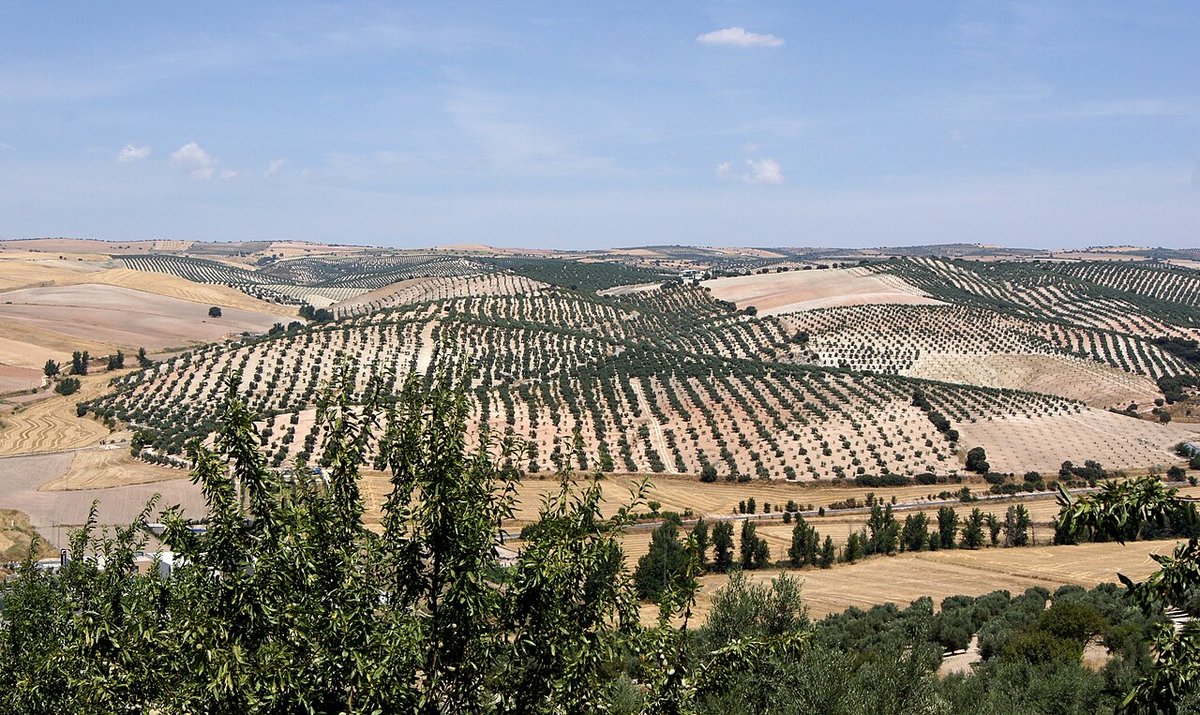
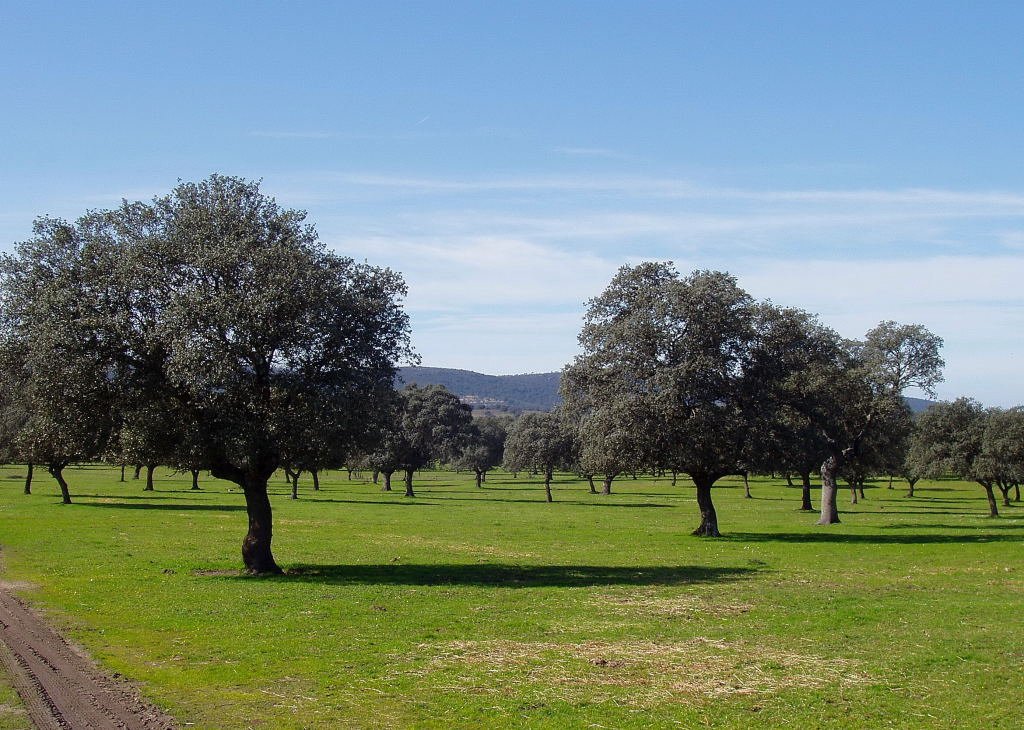
The countryside here doesn’t do dramatic reveals. It’s a working landscape of silvery olive groves, patches of holm oak, and dry scrub that smells like thyme when you brush past it. The best walks start on the dirt tracks just outside town—the ones used by farmers and dog walkers.
You might follow one between endless rows of olives until you hit a stand of older trees. Up higher, near places like Alto del Cuervo, the views open up across rolling hills. It’s not trekking country; it’s walking country. Bring water, go slow, and watch for azure-winged magpies arguing in the trees.
The evening light shift
There’s a moment every afternoon when everything turns gold. The white house fronts glow, and even the olive leaves look dipped in honey. You don't need to find an official mirador for this. Any street with a slight incline will give you that layered view of terracotta roofs fading into groves.
When it comes to food, think sustenance over sophistication. This is migas territory—that hearty dish of fried breadcrumbs—and stews that stick to your ribs. The olive oil on the table is likely from just over there.
Fiestas for neighbours, not spectators
The village festivals are what happen when an event has no marketing budget and doesn't need one. In December, they celebrate their patron saint with processions that feel familial, not staged. In August, plastic chairs colonise the plaza for open-air dances that run late. It’s less about putting on a show and more about who shows up—often including half the family who now live in Granada city but come back for these nights.
Colomera won’t try to sell you anything. It doesn't have to. Its value is in its stubborn consistency: same hills, same trees, same rhythm. You either get it after an hour of walking its streets, or you don't. And honestly, the village seems perfectly fine either way