Full Article
about Dehesas Viejas
Young municipality split from Iznalloz; set at a historic crossroads with an olive-based economy.
Ocultar artículo Leer artículo completo
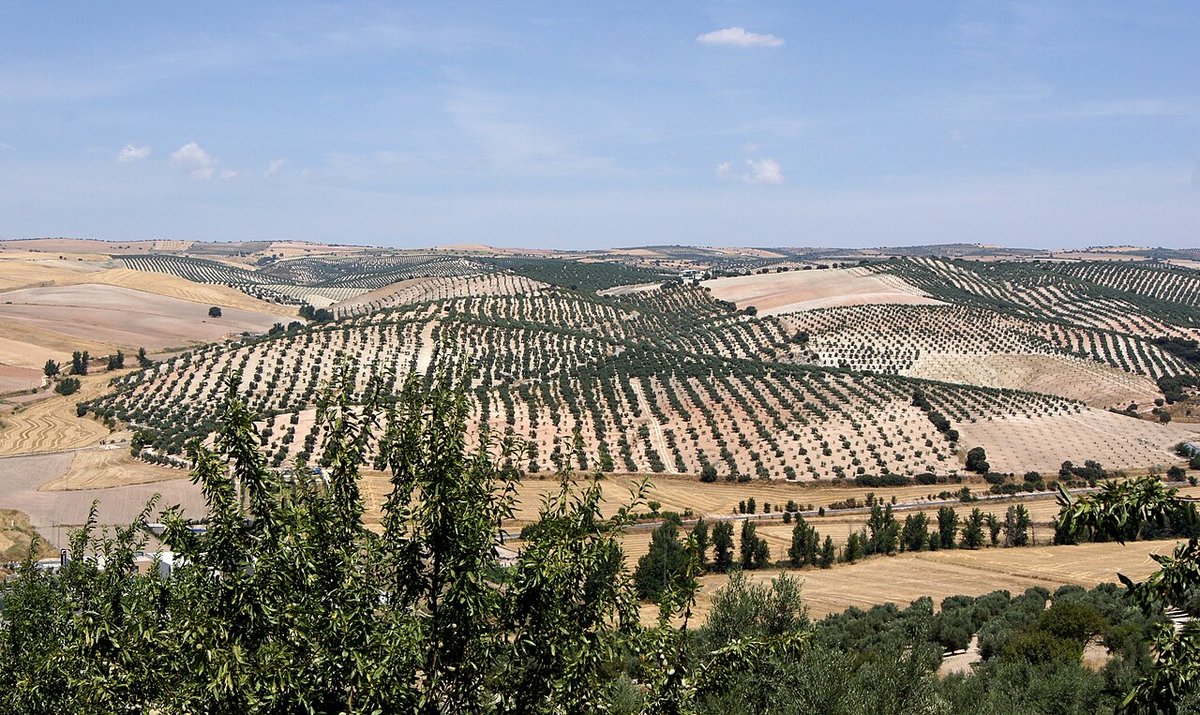
The clock strikes midday and the only sound in Dehesas Viejas is the hum of bees working through rosemary bushes. At 800 metres above sea level, this granite-grey village floats above the olive sea of Granada's Montes region, separated from the Costa del Sol's chaos by sixty kilometres of switchback roads. Five hundred souls live here. Six hundred if you count the weekenders from Granada who keep keys to crumbling family houses.
A Village That Refuses to Perform
Dehesas Viejas won't give you the Andalucía of travel brochures. Whitewash peels from concrete blocks built in the 1970s. The single bakery runs out of bread by ten. The mayor doubles as the plumber. This is agricultural Spain at its most honest: a place where tractors have right of way and the supermarket is a refrigerated van that visits on Thursdays.
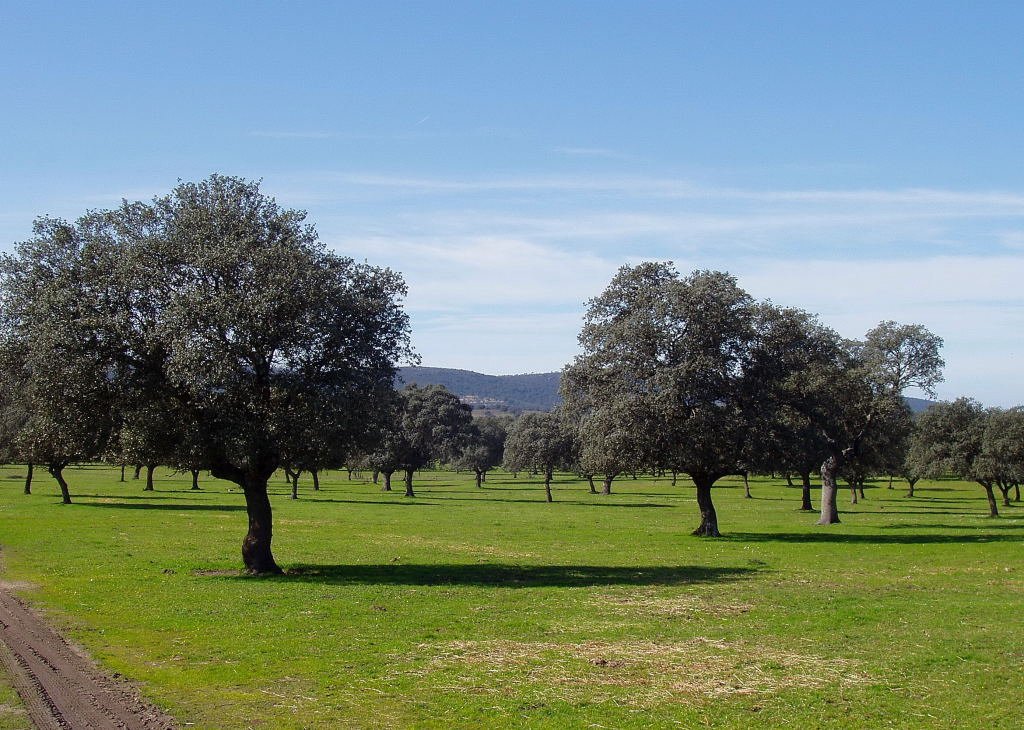
The name translates roughly to "old grazing lands," a reminder that these hills once fed Moorish goats and later, Castilian sheep. Today the pasture has surrendered to olives. Walk five minutes in any direction and you're between silver-green rows that stretch to every horizon. In June the groves smell of cut grass and diesel; in November they echo with mechanical harvesters that shake fruit from 200-year-old trees.
The village centre clusters around the Iglesia de la Inmaculada Concepción, a brick-and-stone church whose bell tower serves as the local weather station. When clouds sit on its cross, rain is coming. When the bells ring at noon, it's time for lunch. The building's architecture is impossible to date—Roman base, Baroque top, twentieth-century electricity cables stapled to the side like afterthoughts.
Walking Through Living History
Forget way-marked trails. Here you ask Juan in the bar which paths are open. He'll draw a map on a napkin, warning you to close the gate after the third olive press because María's dogs don't like strangers. The routes change seasonally; harvest trucks chew up earth into ruts, farmers block access with oil drums. This fluidity is part of the charm.
A thirty-minute stroll south brings you to the remains of a Roman quarry where locals still pinch limestone for garden walls. Continue another hour and you'll hit the abandoned Cortijo del Ahorcado, its 1850s farmhouse roof collapsed but bread oven intact. Bring a picnic but no boom box; sound carries for miles here and the Guardia Civil have strong opinions about noise.
Birdwatchers should arrive at dawn when the plain below fills with crested larks and short-toed eagles. Spring brings bee-eaters that nest in quarry faces, their rainbow feathers flashing against ochre stone. Binoculars aren't essential; pull over anywhere, wait five minutes, something will fly past.
What You'll Actually Eat
The village bar opens at seven for farm workers' breakfasts: coffee thicker than Thames mud, toast rubbed with tomato and enough olive oil to make your plate look like a mini North Sea. Lunch runs from two until the food runs out—usually by three. Try the migas: breadcrumbs fried with garlic and chorizo, a dish invented to use up yesterday's loaf. Vegetarians can request gazpacho, though it arrives as a thick vegetable stew rather than the chilled soup Brits expect.
Evening meals happen at home. The sole restaurant closed in 2019 when the owner retired to Jaén. Your options are bar tapas or self-catering. The bakery produces two types of loaf: normal and "integral" (wholemeal). Both cost €1.20 and fit exactly in a bike basket. Cheese comes from a fridge labelled "Queso de Cabra—€5" outside a house on Calle Real; leave money in the tin. Honesty boxes still work here.
If you visit during the December fiesta, the church square hosts a communal paella. Visitors are welcome but you'll be put to work stirring rice the diameter of a satellite dish. August's summer fair is louder: foam parties in the car park, flamenco competing with reggaeton until the generator dies. Book accommodation early—cousins sleep in vans, sofas, anywhere flat.
The Practical Bits That Matter
You'll need wheels. The nearest bus stop is fifteen kilometres away in Iznalloz, a town whose name translates poetically to "place of no return." Hire a car at Granada airport and fill the tank; the last petrol station is at the motorway exit. Sat-nav will try to send you up a goat track—ignore it and stay on the A-44 until Loja, then take the GR-NV-323. The road narrows to single-track but tarmac remains intact even if the barrier-free drops induce vertigo.
Parking is wherever you won't block a tractor. The old centre's streets were built for donkeys; leave your Ford Focus on the edge and walk. Bring cash in small notes. The ATM arrived in 2021 but swallows foreign cards for sport. Summer temperatures hit 32°C but altitude means nights drop to 18°C—pack layers. Winter brings surprise frost; the 2017 snowfall cut the village off for three days.
Accommodation is the real challenge. There are no hotels, no pensions, not even a campsite. Nearest beds are in Campotéjar eight kilometres away: Casa Rural Los Parrales has three doubles from €70 including breakfast tortilla thick enough to patch a roof. Owners Paco and Lola speak fluent gesture; ring them on 958 123 456 but WhatsApp works better. Alternative is Granada city, forty-five minutes down the mountain—fine if you don't mind driving Andalucían motorways after dark.
When to Cut Your Losses
Come between March and May when wild irises paint the olive terraces purple. Or choose October for harvest, when the air tastes of fresh oil and every farmyard offers tastings from plastic jugs. Avoid July unless you enjoy sweating through linen shirts while being eaten alive by tiger mosquitoes. August is doable but you'll share the village with returning grandchildren on quad bikes.
Don't expect epiphanies. Dehesas Viejas offers something quieter: the realisation that life continues perfectly well without clickbait attractions or gift shops selling fridge magnets. You'll leave with dusty shoes, a boot full of olive oil bought from a man who pressed it in his garage, and the memory of silence so complete you can hear your own pulse. Some places don't need to be "discovered." They just need visitors respectful enough to close the gate.