Full Article
about Deifontes
Known for the Nacimiento de agua that irrigates the area; a traditional leisure spot with gardens and natural springs.
Hide article Read full article
Deifontes, o cuando el paisaje cambia de repente
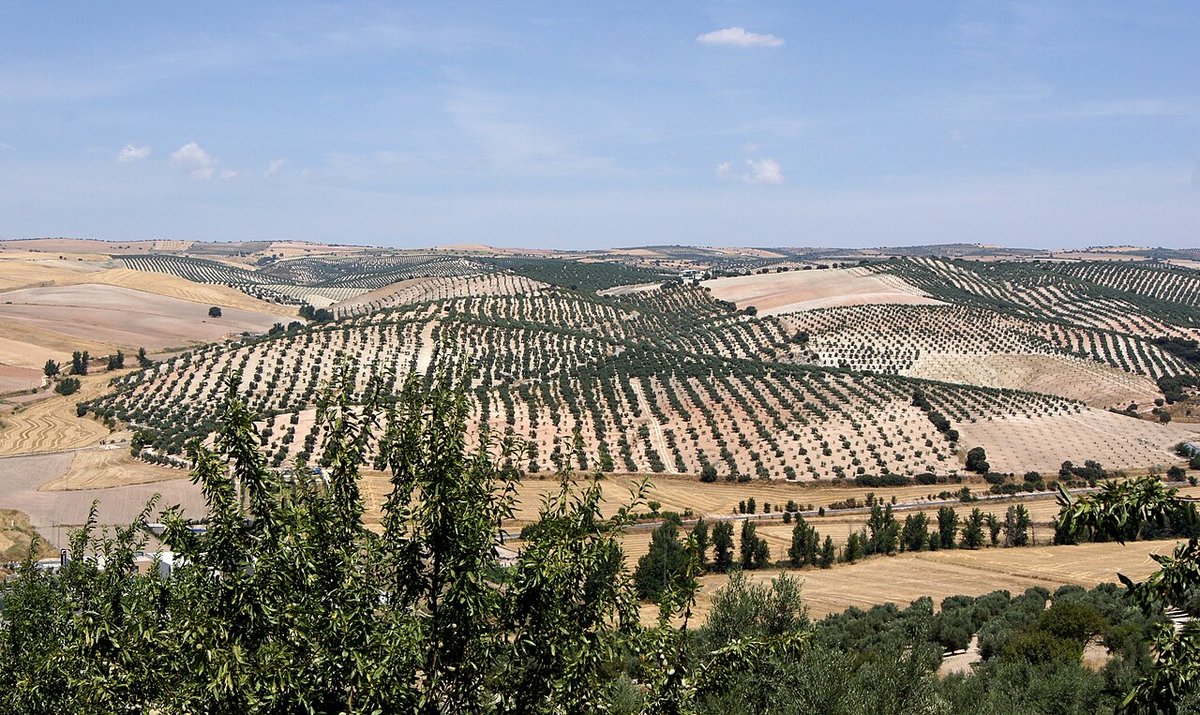
Hay un momento exacto en la carretera A-92, pasado el último polígono industrial de Granada, en el que todo se vuelve olivos. De repente. Es como si alguien hubiera cambiado de canal. El aire huele a tierra caliente y romero, y a los 27 kilómetros aparece Deifontes. No es un cartel gigante, es más bien un letrero y un puñado de casas blancas apretadas contra la ladera.
Este no es el típico pueblo andaluz de postal para una excursión de domingo. No tiene una lista de monumentos imprescindibles. Es más bien ese sitio al que llegas casi por casualidad, porque te apeteció salir de la autovía, y te encuentras con algo que no esperabas: silencio y un horizonte lleno de cerros.
Un nombre que viene del agua
Lo primero que preguntas es por el nombre. Deifontes. Suena antiguo, y lo es. Viene del latín Deus Fons, algo así como “fuente divina”. Toda la vida del pueblo ha girado alrededor del agua y del camino. Aquí paraban las recuas de mulas que iban entre Granada y Málaga a descansar en un ventorro. La historia aquí no es algo que se exhiba en un museo; se nota en la forma del pueblo, largo y estrecho, pegado a la carretera vieja.
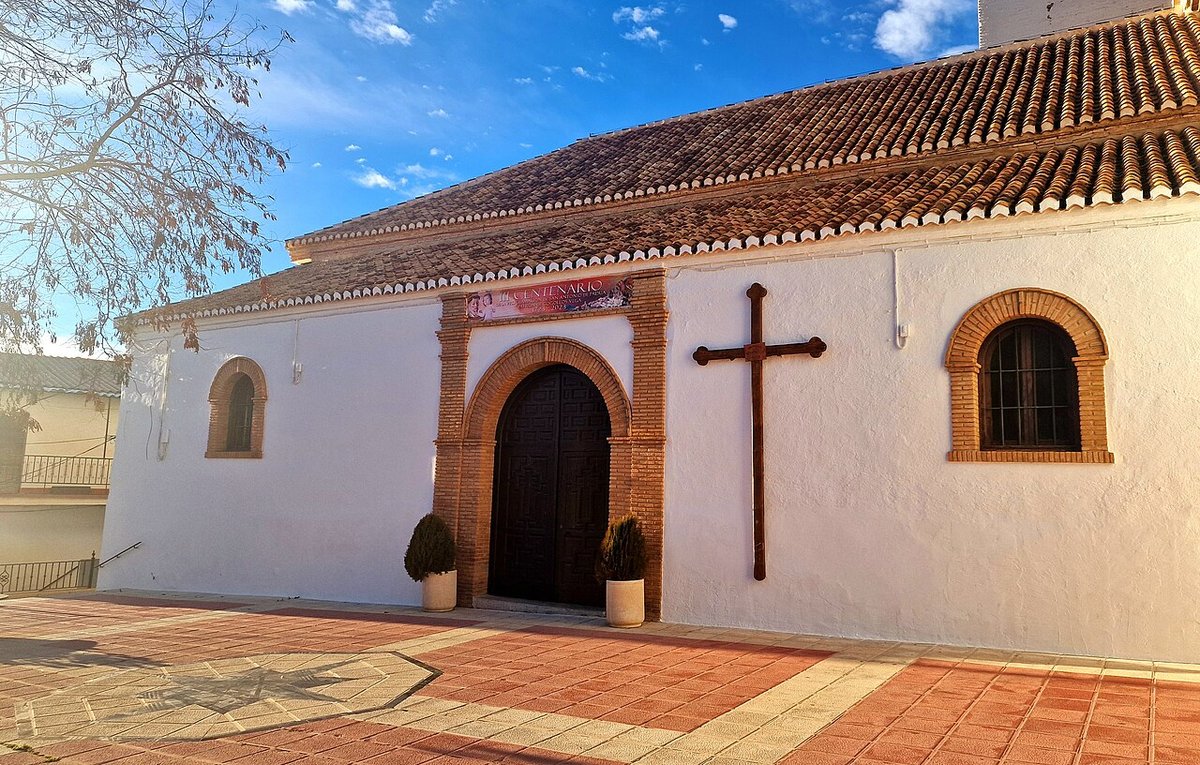
En el centro está la Casa Grande, una casona del siglo XVII con esa porte serio de las casas que se construían para durar. Al lado, la iglesia del Cristo de la Vera Cruz muestra ese mudéjar discreto y bonito que ves por toda la zona. Y en la entrada del pueblo, casi como una afterthought, está la torre nazarí. Del siglo XIV, dicen. Ahora parece un poco perdida, pero desde ahí arriba controlaban quién pasaba por este valle. Esa era su función.
La caminata hasta la torre (la parte con vistas)
Si vienes aquí, subir a la torre es casi obligatorio. No por la torre en sí, que está vacía, sino por el paseo y lo que se ve después.
Son unos tres kilómetros ida y vuelta desde donde dejas el coche. La cuesta no es dura, es más bien constante. El camino va entre matorral bajo y olivos. En abril o mayo está lleno de amapolas y tomillo silvestre; si pisas fuerte, hueles a hierbas.
Arriba no hay bar, ni panel informativo, ni nada construido para el turista. Solo estás tú, la torre hecha pedazos por el tiempo, y una vista ancha como pocas. Se ve toda la Vega de Granada metida entre montañas. Es ese tipo de sitio donde sacas el bocadillo sin pensarlo y te quedas mirando sin prisa alguna.
Lo que queda del agua: presa y molinos
A unos cuatro kilómetros del pueblo está la presa de Barcinas. Te dicen que puede tener origen romano, pero lo verdaderamente interesante es ver cómo sigue usándose para regar los olivares hoy. No es bonita en el sentido fotogénico; es pura utilidad hecha piedra.
Si sigues andando por los caminos rurales (no están señalizados, solo son senderos entre fincas), llegas a los Molinos del Nacimiento. Son las ruinas de unos viejos molinos harineros que funcionaban con el agua del río. Ahora son piedras cubiertas de musgo entre los árboles.
Este paseo completo son varios kilómetros sin sombra ni gente. Se oye el agua correr en algunos tramos y poco más. No vengas buscando un recorrido interpretativo; esto es para curiosear sin rumbo fijo.
Comer como en Los Montes
La cocina aquí es contundente, como corresponde a una zona de trabajo duro en el campo. Olvídate del gazpacho frío: aquí el gazpacho de los Montes es un plato caliente y potente con huevo duro, jamón serrano y pan. Es comida para reponer fuerzas. También encontrarás choto al ajillo (cabrito) bien hecho en muchos sitios, y embutidos locales curados en las sierras cercanas. Para terminar, pregunta por los dulces caseros, como roscos de vino o pestiños, sobre todo si hay alguna celebración. Y sobre todo esto, el aceite de oliva. Es lo que ves desde la carretera y lo que pone sabor a todo.
Mi opinión: una escala tranquila
¿Merece un viaje exclusivo desde muy lejos? Probablemente no. Pero ¿es una parada perfecta si vas por la A-92 y quieres estirar las piernas en un sitio con más personalidad que un área de servicio? Totalmente.
Deifontes se ve en medio día: un paseo por sus calles, la subida a la torre, una vuelta por los alrededores y sentarse a comer sin reloj. Su virtud está justo ahí, en no querer ser más grande ni más importante de lo que es. Te da unas horas de ese ritmo lento que ya cuesta encontrar a media hora de una capital