Full Article
about Gobernador
Small, quiet town in the Montes Orientales; it offers an authentic rural setting and Iberian archaeological sites.
Ocultar artículo Leer artículo completo
The church bell strikes noon, and through Gobernador's narrow streets comes the sound of dogs barking across the valley, not traffic. At 990 metres above sea level, this cluster of white houses in Los Montes de Granada operates on agricultural time. The village's 252 residents outnumber visitors by roughly ten to one, even during fiesta season.
The Arithmetic of Altitude
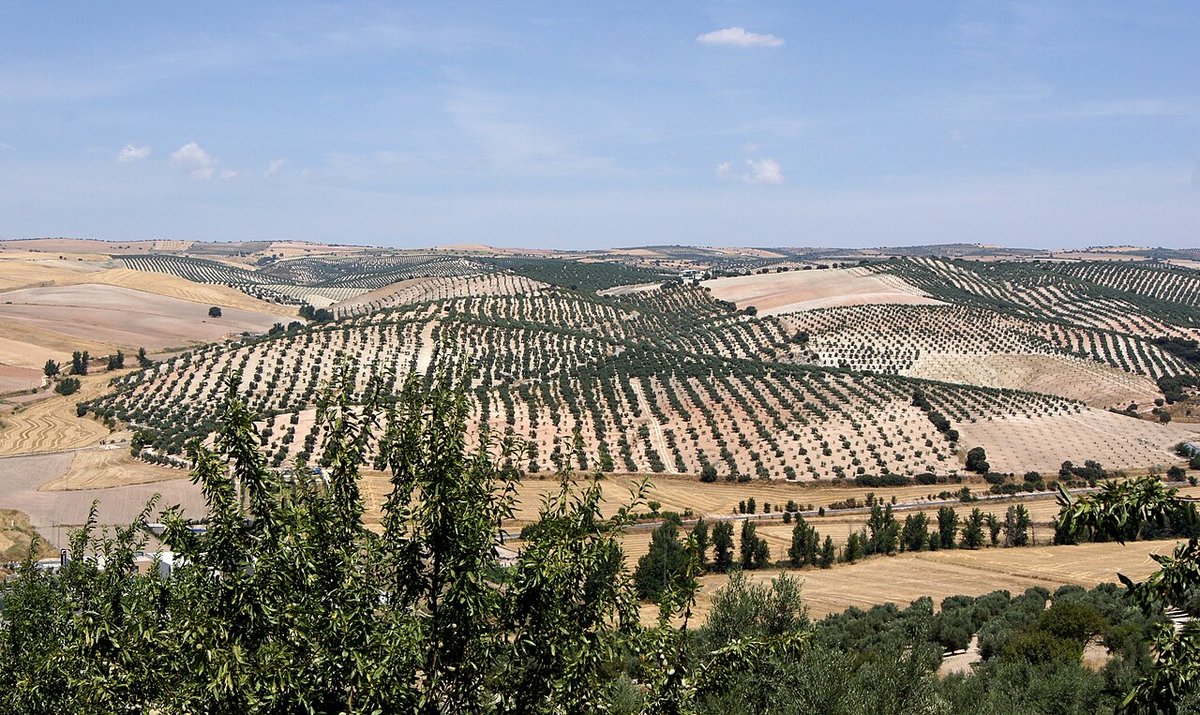
From Granada city, the A-92 motorway spits you out after 45 minutes onto country roads that coil upwards through olive terraces. Each hairpin reveals another layer of grey-green trees, their trunks thickening with elevation. The air thins and cools; even in August, nights drop to 18°C while Granada swelters below.
This height difference shapes everything. Winter arrives early, bringing occasional snow that transforms the olive groves into black and white photographs. Spring comes late but sharp—wild almonds burst open in March, weeks after the coast's blossoms have faded. Mobile phone signals flicker and die between valleys, making paper maps suddenly relevant again.
The village itself spills down a ridge, meaning every walk involves calf-stretching gradients. Streets are barely wider than a donkey cart, which explains why most residents park at the entrance and continue on foot. Houses grow organically from the rock, their walls thick enough to swallow mobile reception completely.
Working Landscape
Gobernador's olive groves aren't scenery—they're the local economy. Small plots, some barely larger than a British allotment, cascade down slopes in stone-walled terraces that date back to Moorish times. The average holding supports one family, perhaps two. During harvest season (October through December), the village empties at dawn as pickers fan out with long poles and nets.
The resulting oil tastes different from supermarket versions: peppery at the back of the throat, with a grass-green colour that darkens as winter progresses. Local cooperative Almazara de Los Montes presses fruit from 300 surrounding farms, selling virgen extra for €8 per litre—roughly half what you'd pay in the UK for equivalent quality. They offer tours on Tuesday and Thursday mornings, though calling ahead is wise since the manager also farms 800 trees himself.
Between the olives, wildlife persists. Booted eagles hunt across the slopes; their silhouettes look cruciform against the sky. Stone curlews call at dusk from fallow patches where cereals once grew. For birdwatchers, the mix of Mediterranean scrub and cultivated land provides habitat diversity rare in modern farming regions.
When the Village Stirs
Ordinary Tuesdays feel suspended in thin air. The single bar opens at 7 am for field workers, serves coffee and conchas until 11, then closes until evening. The bakery van arrives Wednesday and Saturday, honking its horn so residents know to emerge. Otherwise, sound comes from agricultural machinery and the occasional hunting dog.
But fiestas transform the place completely. Mid-August celebrations bring temporary fairground rides wedged into the plaza, their generators thrumming against ancient walls. Flamenco performances start at midnight and finish when the musicians tire, usually around 4 am. The local council hires a sound system powerful enough for a city ten times Gobernador's size; earplugs recommended for light sleepers in rural accommodation.
Spring romería involves processing two kilometres to a hillside chapel, carrying a statue of the Virgin through olive groves. Participants share food from the backs of vehicles—cold cuts, tortilla, local wine in plastic cups. It's part religious observance, part agricultural show, entirely practical: neighbours compare notes on rainfall, pest damage, and which cooperative offers better prices.
Walking Without Waymarks
Formal hiking infrastructure barely exists here, which suits the independent-minded. Ancient mule tracks connect Gobernador to neighbouring villages—Cogollos de Guadix lies eight kilometres east through rolling olive country, while Diezma sits roughly the same distance west. Neither route is signed, but both follow logical watersheds visible on Google Maps satellite view.
Paths surface and disappear according to agricultural needs. One particularly lovely walk drops 400 metres to an abandoned cortijo where fig trees still fruit abundantly each September. The return climb takes 45 minutes and works off lunch more effectively than any gym session. Stout footwear essential; the limestone eats trainers for breakfast.
For gentler exercise, the cemetery road provides panoramic views across the Granada plains. On clear winter days, Sierra Nevada's peaks appear close enough to touch, their snowfields reflecting sunlight like broken mirrors. Sunset from here paints the olive groves copper before darkness pools in the valleys below.
Eating What Grows
Local cooking reflects altitude and history—hearty rather than refined, designed to fuel fieldwork. Gazpacho montañés arrives as a thick stew of bread, garlic and mountain ham, completely different from the chilled tomato soup coastal tourists expect. Migas—fried breadcrumbs with pork belly and grapes—started as a way to use stale bread during harvest when bakeries were closed.
Game appears seasonally: wild boar stew in winter, partridge in rice during autumn. The meat comes from local hunters who supplement agricultural incomes; ask at the bar and someone will know who's selling. Vegetarians face limited options, though eggs with wild asparagus make a decent autumn meal when the shoots emerge after rain.
Water matters more than wine at this elevation. The village fountain flows constantly, fed by mountain springs that never failed even during Andalucía's recent droughts. Bring a bottle; the calcium-rich liquid tastes better than anything sold in plastic.
Getting There, Staying Sane
Rental cars need decent ground clearance—the final approach involves two kilometres of concrete track with occasional potholes deep enough to swallow a wheel. Public transport reaches the neighbouring village of Diezma twice daily on weekdays; from there it's a 90-minute uphill walk or pre-arranged taxi.
Accommodation options remain limited. Two houses offer rural rentals through Spanish websites, prices around €60 per night for two people. Neither provides breakfast; the bar opens at 7 am if you need caffeine before self-catering. Book well ahead during fiesta week—half of Granada province seems to have relatives here.
Phone reception varies by provider and weather. Vodafone works near the plaza; other networks require walking to specific spots locals can direct you toward. Download offline maps before arrival, and tell someone your walking plans. The olive groves might look friendly but they're vast, and disorientation happens faster than expected.
Winter visitors should pack layers—temperatures can swing 15°C between dawn and midday. Summer requires sun protection at altitude; the UV index here exceeds coastal readings significantly. Most importantly, abandon city schedules. Gobernador measures time in agricultural seasons, not clock hours. The village will still be here tomorrow, whatever you don't manage today.