Full Article
about Guadahortuna
Bordering Jaén, it stands out for its striking Renaissance church and the Puente del Hacho, built by Eiffel’s school.
Ocultar artículo Leer artículo completo
The A-92 motorway slices through Andalucía's olive heartland so relentlessly that most motorists miss the turning for Guadahortuna. That's precisely the point. At 952 metres above sea level, this white-washed scatter of 1,816 souls sits high enough to catch the breeze yet low enough to feel the slow pulse of rural Spain. No castles, no coach parks, just the smell of wood smoke and the sound of boots on cobbles.
The Village That Time (and Tourists) Forgot
From the ring-road you look down onto roof terraces draped with washing and satellite dishes. Park here—lanes below are single-track and unforgiving to UK-sized hire cars—then descend on foot. Houses are trimmed with the usual Andalusian blue, but the paint is faded rather than Instagram-ready. Geraniums spill from terracotta pots; a dog snoozes beneath a Vespa. Nothing is staged.
The Plaza Mayor measures barely a tennis court. Elderly men occupy the same bench every morning, caps pulled low, discussing rainfall as if it were Premiership form. The only place open before eleven is Bar Central, where coffee costs €1.20 and the owner still remembers the one British couple who passed through last Easter. Ask for the hand-drawn map; it marks the Moorish watch-tower, the spring route through the almonds, and the house that sells eggs from a fridge on the porch.
Walking Among Millionaires
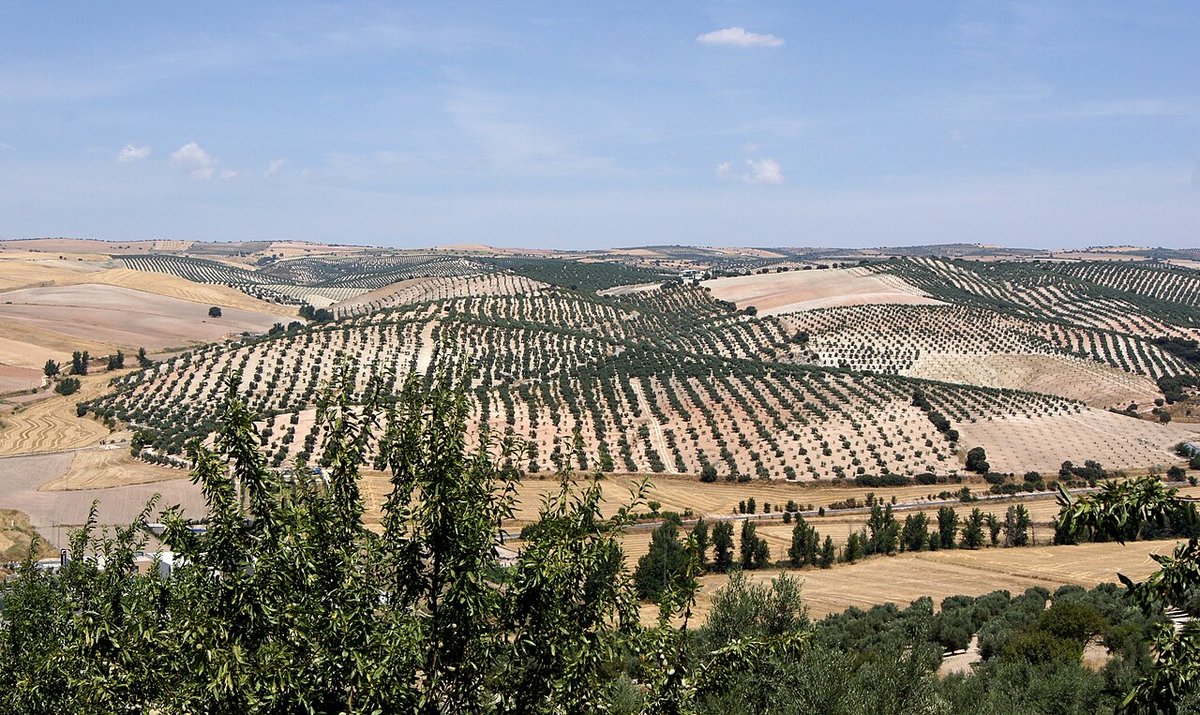
Guadahortuna's real monuments are the olive groves that quilt the surrounding hills. Each tree represents roughly one resident, and some are worth more than village houses. A network of agricultural tracks leaves from the upper cemetery gate; follow the yellow-and-white way-marks for a 6-kilometre loop that climbs gently to the ridge of Los Alcores. In March the ground is carpeted with wild iris; by June the grass has baked to gold. You will meet more tractors than hikers.
Serious walkers can link up with the GR-7 long-distance footpath, but carry water—there are no pubs en route, only the occasional cortijo whose dogs object to strangers. Winter mornings can be sharp: frost is common in January, and the wind across the plateau whistles straight from the Sierra Nevada. Conversely, July and August are furnace-hot by eleven; start early or wait for the long caramel evening.
What Lands on the Plate
Forget tasting menus with foam. Local food is blunt, filling, and designed for people who spent daylight hours wielding a pole saw. Mid-week lunch means migas—fried breadcrumbs strewn with garlic, grapes and tiny chunks of pork—followed by a slab of goat's cheese the size of a paperback. Vegetarians get porra, a thicker cousin of gazpacho served in a glass jar beside warm toast. Pudding is homemade flan, wobbling like a 1970s dinner-party relic yet weirdly comforting.
Evenings bring tapas rather than full plates. Try the chuletón de bacalao at Bar Central: a salt-cod "T-bone" the width of a saucer, seared and drizzled with oloroso. House red comes from Montilla-Moriles, lighter than Rioja and easier on the head after an afternoon in the sun. Payment is cash only; the lone ATM beside the town hall often sulks on Saturdays, so bring notes.
Calendar of Bangs and Processions
Fiestas patronales kick off on 7 October with a firework that rattles windows in the next province. For three days the plaza hosts brass bands, flamenco contests and a procession where the Virgin is carried at shoulder height through streets strewn with rosemary. Accommodation within the village sells out months ahead; neighbouring Villanueva de la Reina, 18 kilometres away, has smarter hotels and taxi drivers who know the route home at 3 a.m.
Semana Santa is low-key but photogenic: six hooded nazarenos, one drum, a trumpet and Christ in a glass box, all illuminated by residents holding plastic candles. Summer's night fair imports bouncy castles and a paella the size of a paddling pool; expect amplified pop until the generator runs out of diesel. If silence is the goal, visit in February—though cafés shut early and the evening wind can feel Scottish.
Getting There, Getting Stuck, Getting Out
Guadahortuna sits midway between Granada (45 minutes) and Jaén (50 minutes) on the A-92. From Málaga airport allow 90 minutes of fast motorway; the turn-off is signed but easy to overshoot at 120 km/h. A hire car is almost essential—public transport exists on paper: one early-morning bus to Granada, one late-afternoon return, nothing on Sunday. Taxis must be ordered the day before from Pinos Puente and cost around €50 each way.
Petrol stations are 20 minutes distant in either direction; top up before you leave the motorway. Mobile coverage is patchy in the groves, so download offline maps. Parking on the ring-road is free and safe; leave nothing on display—thieves target cars with UK plates at motorway services, not village streets.
The Honest Verdict
Guadahortuna will never feature on a regional tourism poster. It lacks a boutique hotel, a Michelin plate, and even a proper souvenir shop. What it offers instead is the unfiltered version of inland Andalucía: the smell of new oil at the cooperative mill, the sight of shepherds moving stock along a public road, the sound of swifts wheeling above a church tower that has never needed scaffolding for selfie queues.
Come if you need resetting after too many city breaks. Stay a night, walk at dawn, drink coffee that costs less than a London newspaper, and remember what quiet actually sounds like. Leave before you start expecting room service.