Full Article
about Iznalloz
Head of the Montes region; known for the Cueva del Agua and its ruined castle overlooking the valley.
Hide article Read full article
First light in Los Montes
At the end of winter, when mornings break cold across Los Montes, the paths around Iznalloz are scattered with almond shells and petals blown down from trees in bloom. The air often carries the smell of freshly lit firewood at the start of the day. It is noticeable as soon as you step out of the car, even before reading the sign at the entrance: thin smoke rising from chimneys and that brief hush of a town that has not quite begun.
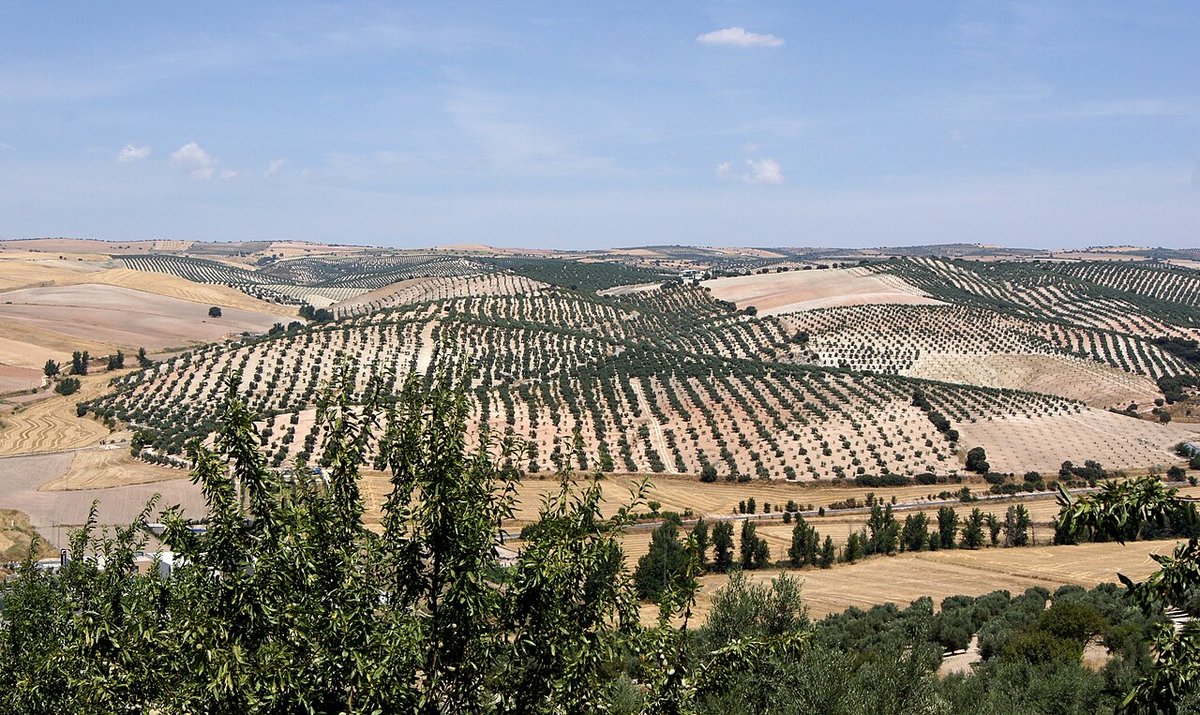
From the main square, where the town hall clock marks the hours at an unhurried pace, Calle Real stretches away. Whitewashed façades catch the morning light with an almost stark brightness. Above, overlooking the clustered houses, sit the remains of the Castillo de los Almendros, the former Hisn Allauz from the Andalusi period. Today it is little more than open walls exposed to the sky, yet the climb is enough to understand the layout of the land: terraces of olive trees, the Cubillas river cutting through the valley, and beyond that the low mountain ranges that enclose the municipality.
Water beneath the rock
A few kilometres from the town centre, the Cueva del Agua opens in the hillside like a dark crack in pale stone. Inside, an underground river runs through the cave, heard before it is seen. The sound of water echoes off dolomite walls, and the temperature drops noticeably within a few steps.
Visits are usually guided and organised in small groups. It is best to check locally in the village beforehand, as they are not always available. Footwear that can get wet is useful: in some sections the water reaches ankle height and the ground can be slippery even in summer.
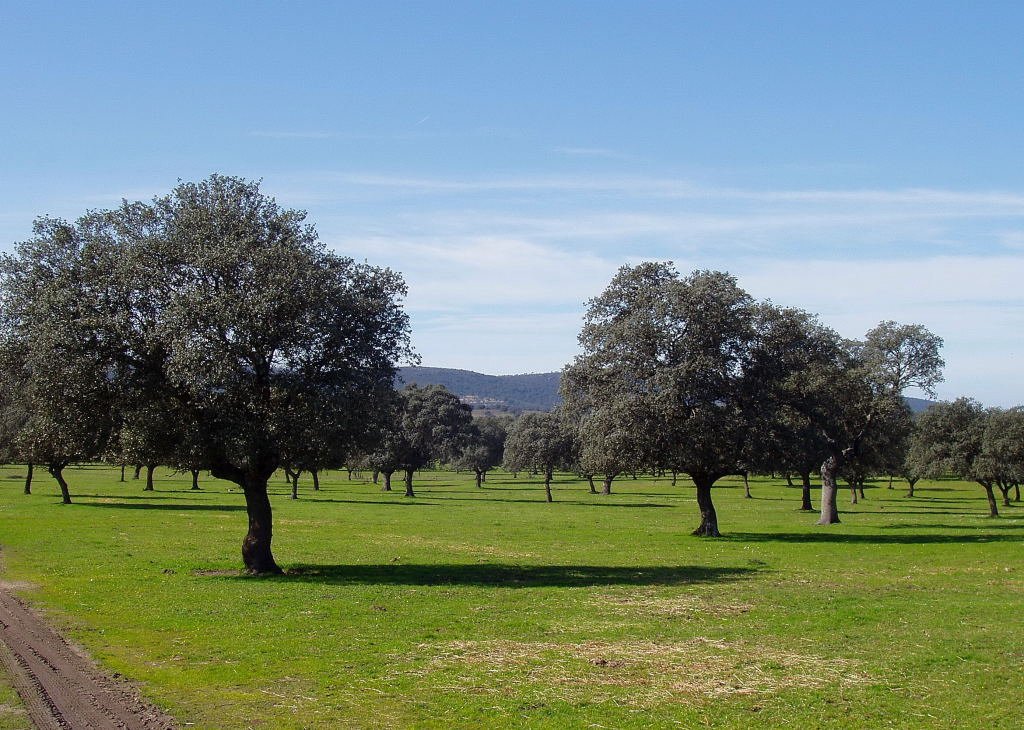
For those who prefer to stay above ground, there are short walking paths in the area passing through holm oaks and low scrub. In spring, goldfinches and hoopoes can be heard among the trees, and the scent of the countryside lingers, thyme, damp earth, old wood.
Nearby runs the Cubillas river, crossed by a stone bridge that many locals consider to be of old origin. It has been repaired several times over the years, yet it still serves for agricultural vehicles.
Food shaped by the seasons
In Iznalloz, food keeps a domestic rhythm. In local bars, migas appear most often when the cold sets in or after rainy days. The dish is made with day-old bread, plenty of garlic, and pieces of chorizo or panceta, stirred patiently until the bread becomes loose and crisp.
Traditional baking tends to surface during festivities and family gatherings. Around Semana Santa, trays of pestiños, pastries fried and coated in honey, are common in kitchens, still glistening. The honey produced in the area is usually dark, with a slightly rough edge in flavour that recalls the surrounding scrubland.
When May arrives, the outskirts of the town fill with cars, folding tables and guitars. The romería of San Isidro draws people out into the nearby countryside. It is not unusual to see flocks grazing close by while families spend the day outdoors.
Moving through the town
Iznalloz still has a railway station, something not especially common for a municipality of its size in this part of the province. The line connects with Granada and other nearby places, although services are not frequent, so checking in advance is advisable.
Arriving by car, it is easiest to park near the centre and continue on foot. The town is compact and its slopes are best taken slowly. Looking up reveals interior courtyards with orange trees and balconies filled with plants, often hidden from street level.
Spring and early autumn tend to be the most comfortable times to walk both through the town and along nearby paths. Summer heat builds strongly at midday, and daily life shifts towards early morning and late afternoon.
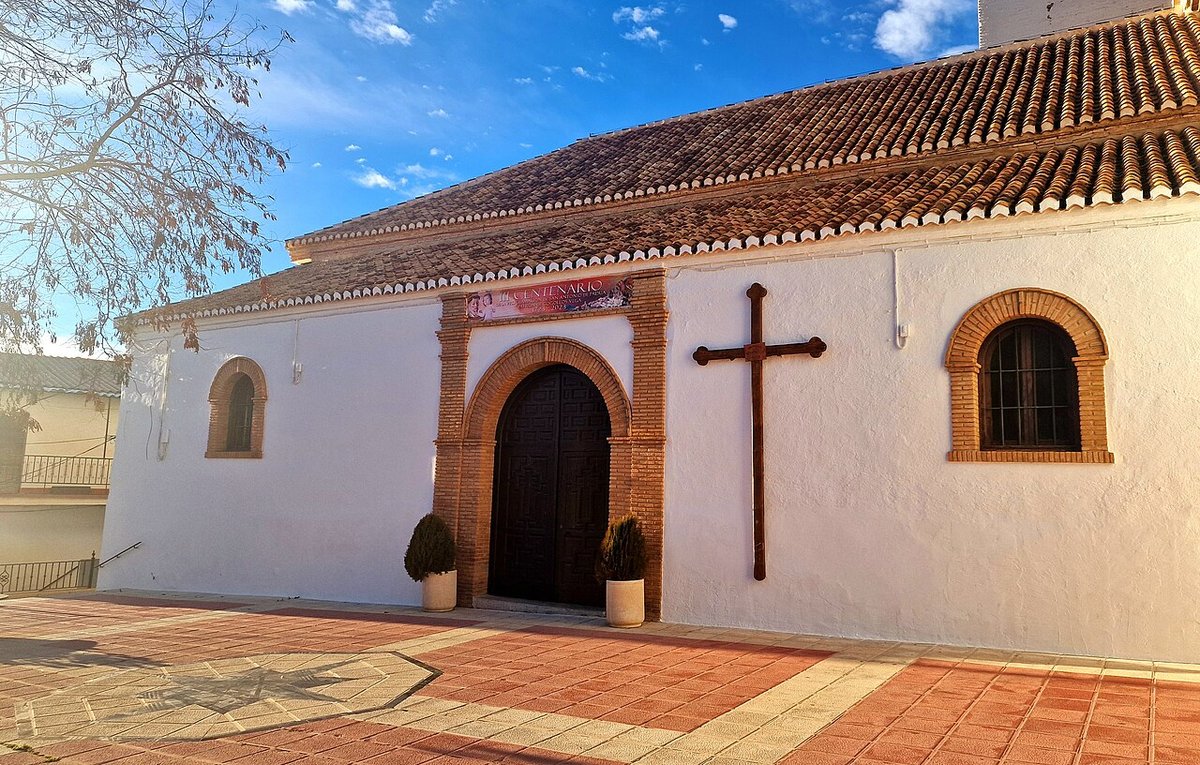
The Iglesia de Nuestra Señora de los Ángeles, visible from several points in the town, sits somewhere between styles and periods. Part of the building is linked to Renaissance projects that were never fully completed. Late in the afternoon, low light filters inside and gives the stone a soft golden tone.
Details beyond the guidebooks
A little over a decade ago, the boundaries of the municipality changed. Two nearby settlements, Dehesas Viejas and Domingo Pérez, became independent municipalities. The subject still comes up in conversations among older residents, especially when talking about the countryside or old routes.
A short drive away lies El Sotillo. There, a small space dedicated to the world of mushrooms is run by local people. It is not a conventional museum, but rather a simple room with panels and samples explaining which species appear in these hills when autumn rains arrive.
Towards evening, it is worth heading back up towards the castle. The wind coming down from the sierra often carries the scent of thyme and dry earth. Below, the town begins to light up, one street at a time, while the occasional tractor makes its way back along the tracks. From above, the shape of Iznalloz settles into view, quiet, ordered, and tied closely to the land around it.