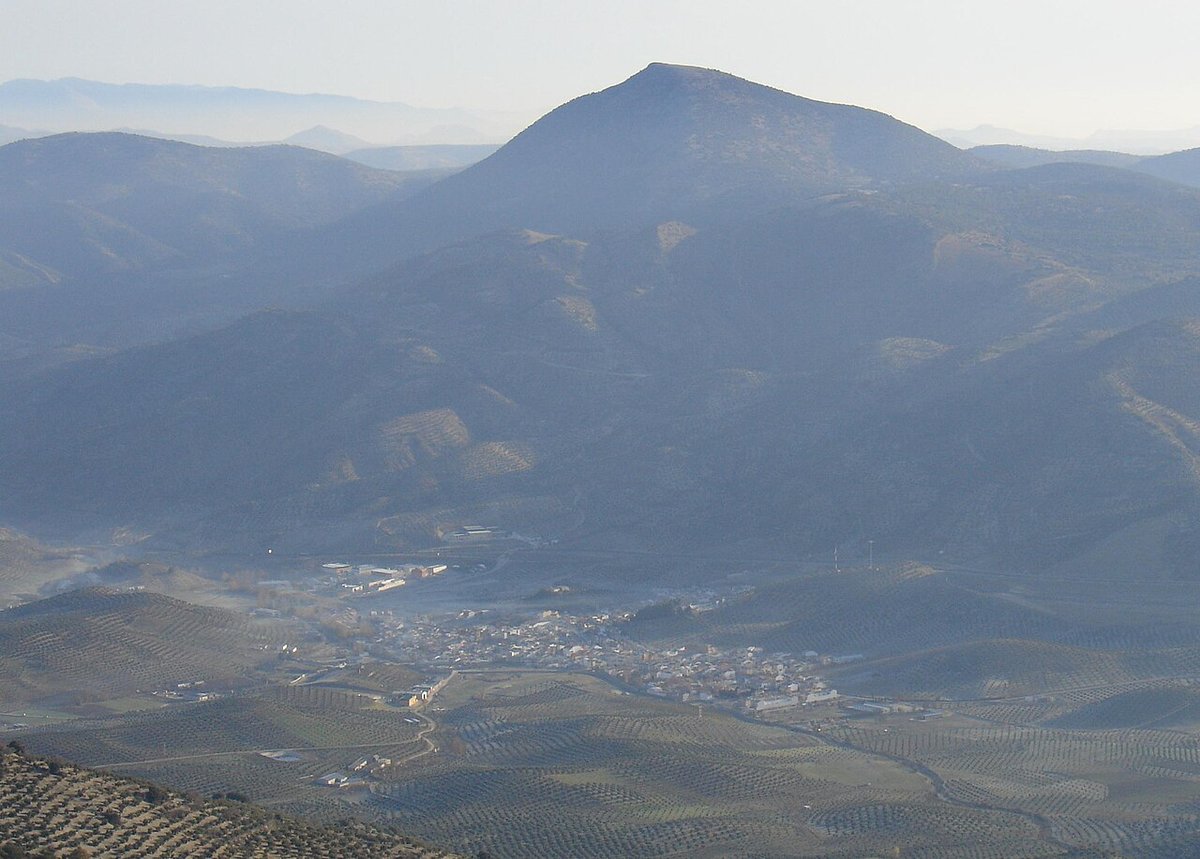
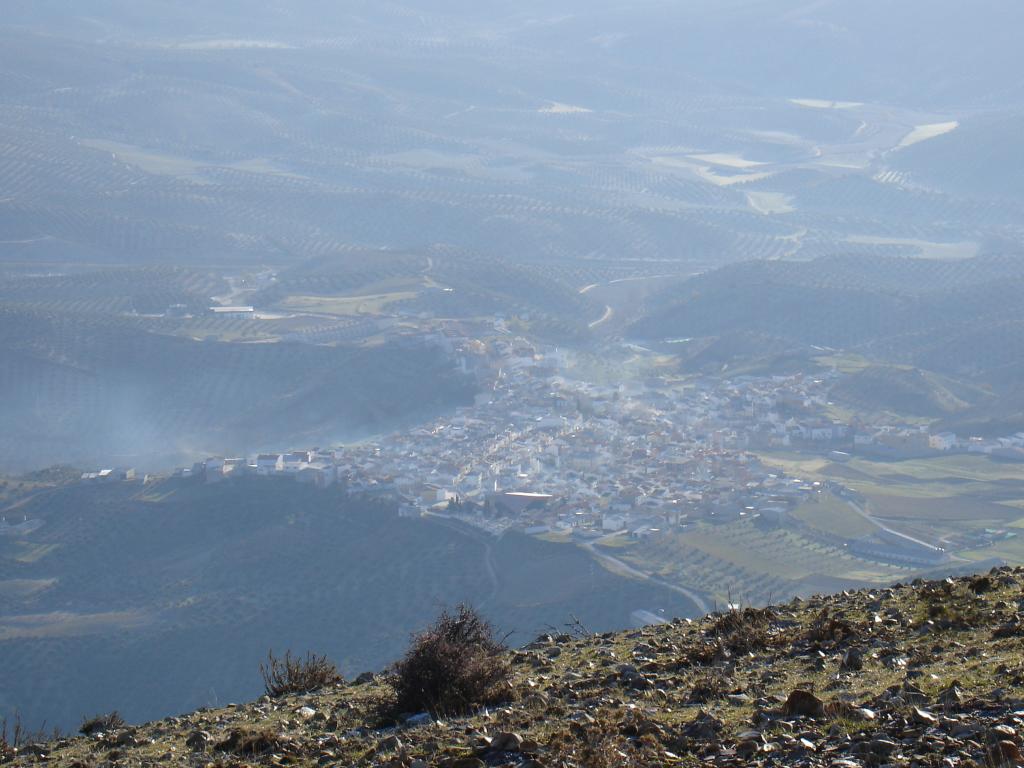
Vista aérea de Montillana
Instituto Geográfico Nacional · CC-BY 4.0 scne.es
Andalucía · Passion & Soul

Montillana

The olive harvest starts when the morning thermometer at Bar Cruz still reads 4 °C. By half past seven the first tractors rumble past the church sq...

1,054 inhabitants · INE 2025
1022m Altitude

Why Visit

Mountain Church of Santa Ana Rural tourism

Best Time to Visit

summer

Virgen del Rosario festival (August) agosto

Things to See & Do
in Montillana

Heritage

  • Church of Santa Ana
  • Hermitage of the Virgen del Rosario

Activities

  • Rural tourism
  • Hunting

Festivals
& & Traditions

Fecha agosto

Fiestas de la Virgen del Rosario (agosto), Candelaria (febrero)

Las fiestas locales son el momento perfecto para vivir la autenticidad de Montillana.

Full Article
about Montillana

Olive-growing municipality on the border with Jaén; rural quiet and landscapes of sierra and farmland.

Ocultar artículo Leer artículo completo

The olive harvest starts when the morning thermometer at Bar Cruz still reads 4 °C. By half past seven the first tractors rumble past the church square, trailers rattling with last night’s crop, and the village smells of crushed leaves and diesel. This is Montillana’s rush hour: five machines, two dogs and a man in a donkey jacket arguing with his mobile phone about tonnage. Nothing else in the Granada province makes the British “undiscovered Spain” list quite so thoroughly forgotten.

Montillana sits on a limestone shelf 1,020 m above sea level, halfway between Granada and Jaén. The A-44 motorway passes 12 km to the west, close enough for supplies, far enough to keep coaches away. What arrives instead is the sierra weather: sharp frost at dawn, T-shirt warmth by noon, a wind that smells of thyme and wet slate. Pack layers; the village thermometer can drop 15 °C between coffee time and last orders.

Olive rows and alleyways

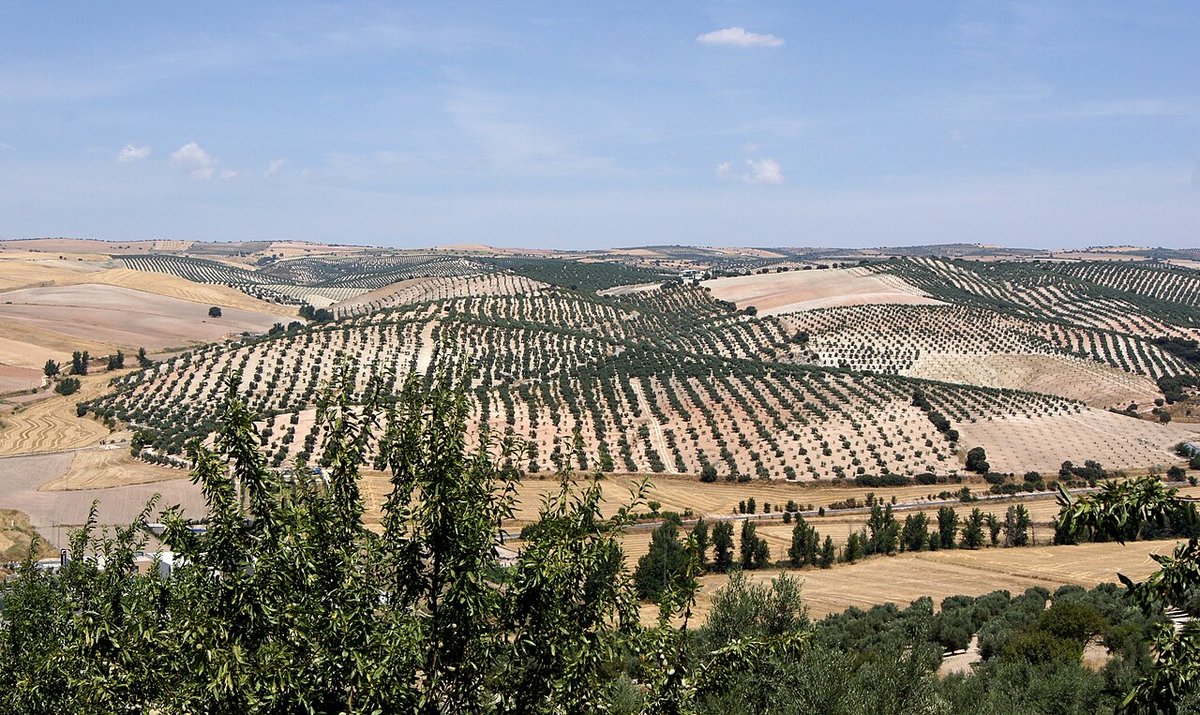
From almost any street end you look down a slope of silver-green monoculture. More than 90 % of the municipal territory is planted with olea europaea, some trees older than the Spanish republic. They form a living topography: contours ripple where terraces have been repaired since Moorish times, and every April the ground turns acid-yellow with fallen blossom. Walking tracks, way-marked by the provincial council, thread outward for 4–12 km; none are strenuous, all involve gradients. The shortest loop, to the ruined ermita of San Antón, takes forty minutes and ends at a stone bench that looks straight across to the 2,100 m ridge of Sierra Mágina. Phone signal dies after the first bend—download an offline map before you set off.

Inside the settlement the streets are barely two metres wide, built for mules, not mirrors. Houses are rendered in ochre and sand-coloured wash rather than postcard white; roofs overhang to carry winter snow (rare, but not unknown). The 16th-century church tower tilts two degrees north after an 1880s earthquake—check the angle from the bar terrace with a cortado in hand. Next door, the town hall balcony flies four flags: Spain, Andalucía, Europe and, on fiesta days, the green-cross banner of the Conquest. No one charges entry anywhere; donations for upkeep go in a wooden box by the altar.

How to handle sierra mealtimes

Kitchens open when the tractors return. Expect thick lentil stew with chorizo at two o’clock, not midday. Bar Cruz keeps a chalkboard in English on request, but the owners would rather practise your Spanish. Vegetarians survive on patatas a lo pobre—pan-fried potatoes, green pepper, plenty of local olive oil. Meat eaters get goat stew in winter, partridge in season. Prices hover round €9–12 for a plato combinado; bread and olives arrive unasked and are billed at €1.20 whether you touch them or not. Beer is cheaper than bottled water—order caña, not pint; glasses are 200 ml. The nearest winery is 35 km away in Montefrío, but the house red is perfectly decent and costs €2.50 a glass.

There is no dedicated tourist office. Walking leaflets materialise if you ask the waitress; she keeps them under the coffee machine so they don’t curl. The single ATM, inside the pharmacy, often runs dry on Friday afternoon—bring cash. Cards are accepted, reluctantly, for bills over €20.

Seasons that change the village personality

Spring arrives late: almond blossom at the end of March, wild orchids on the lower slopes through April. Daytime temperatures sit in the high teens, ideal for walking without the sunstroke risk of high summer. Morello cherries appear in the market at Iznalloz (15 km) and the countryside smells of damp earth and orange peel.

By July the sierra acts like a pizza oven. At 35 °C in the shade the streets empty after eleven; life shifts to interior patios with ceiling fans. Only northern Europeans attempt hiking at noon—locals call them piratas del sol and place quiet bets on turnaround times. Accommodation is limited: one two-bedroom cottage on Airbnb (£65 a night, fireplace, no air-conditioning) and two rural houses outside the boundary. Wild-camping vans use the sports-ground car park with written permission from the town hall—free, no showers, tap water from the pitch-side fountain.

Autust brings the harvest and the village’s busiest window. Tractors form queues at the cooperative press just off the A-92; the air tastes of fresh oil. Anyone passing in October can taste olivar juice—grassy, peppery, nothing like supermarket mild—at the Fiesta del Aceite Nuevo. A five-euro ticket buys bread, local cheese and unlimited pouring. Winter is quiet, occasionally dramatic: snow every second January, roads gritted by six in the morning. When the white melts the landscape turns emerald; photographers arrive for the contrast, then leave before dark because night temperatures touch minus six.

Getting here, getting out

Fly to Granada via Madrid or Barcelona from London City, Gatwick or Manchester. Hire cars sit directly outside the terminal; the drive up the A-44 and A-92 takes 1 h 45 min. From Málaga allow two hours on the toll section. No direct public transport reaches the village at weekends. On weekdays an ALSA coach leaves Granada at 14:30, reaches Iznalloz at 15:20; a pre-booked taxi covers the final 15 km for €25. Return journeys start at 07:00—fine if you enjoy dawn light, impossible after a late fiesta night. Bicycles are an option: the old railway line from Guadix to Baza is now a greenway, but the 600-metre climb from the plain to Montillana is brutal and water sources are scarce.

The honest verdict

Montillana will not change your life. It offers no boutique hotels, no Michelin stars, no Moorish palace. What it does provide is a working Spanish high-plateau village where the barman remembers your order the following morning and the evening soundtrack is swifts, not Spotify. Come if you want to taste olive oil hours after extraction, to walk without meeting another English accent, or simply to watch a place that functions for itself first and visitors second. If you need souvenir shops or gluten-free menus, keep driving—the motorway back to Granada is only twenty minutes away.

Key Facts

Region
Andalucía
District
Los Montes
INE Code
18137
Coast
No
Mountain
Yes
Season
summer

Livability & Services

Key data for living or remote work

2024
ConnectivityFiber + 5G
HealthcareHospital 24 km away
EducationElementary school
Housing~5€/m² rent · Affordable
Sources: INE, CNMC, Ministry of Health, AEMET

Planning Your Visit?

Discover more villages in the Los Montes.

View full region →

More villages in Los Montes

Traveler Reviews