Full Article
about Torre-Cardela
Town set on a height with commanding views; known for its oil and cereal production in the Montes.
Ocultar artículo Leer artículo completo
The thermometer reads eight degrees cooler than Granada city, just 45 minutes down the mountain road. At 1,217 metres above sea level, Torre Cardela sits high enough that winter mornings require proper coats, not the light jackets that suffice in the provincial capital below. This altitude shapes everything about the village: how locals speak about the weather, when the olive harvest begins, why the air tastes different.
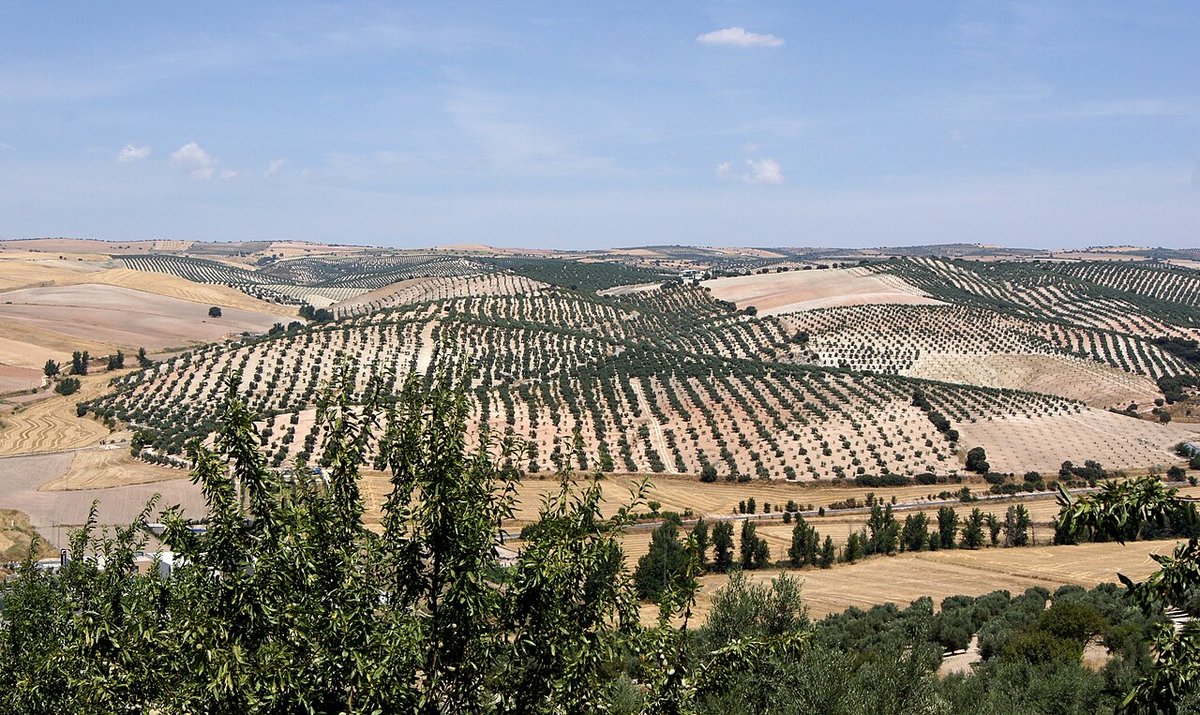
From the upper streets, the view stretches across a silver-green carpet of olive trees that flows towards the horizon. The Sierra de Mágina rises to the east, its peaks often snow-capped from December through March. On clear days, experienced eyes can pick out the white villages scattered across neighbouring Jaén province. These aren't the dramatic vistas of postcards – they're working views, agricultural landscapes that change with the seasons and the labour of the land.
The Rhythm of the Olives
Visit during late autumn and you'll understand what sustains this place. Tractors clog the narrow streets, their trailers loaded with plastic crates of freshly picked olives. The cooperative on Calle Real hums with activity as growers deliver their harvest, waiting while the fruit is weighed and graded. Conversations in the bars revolve around yields and prices, rainfall and frost damage. Even the village fountain bears testament to this heritage: its basin carved from a single massive olive millstone, the grooves still visible where mules once circled to press the oil.
The olive groves start literally at the edge of town. Walk five minutes from the church square and you're between the rows, following dirt tracks that locals use for their morning constitutionals. These aren't manicured agricultural showpieces – they're working plantations where fallen fruit lies scattered, where pruning debris piles wait for burning, where the soil shows the scars of recent harvesting machinery.
Spring brings a different palette. Wildflowers punctuate the grove floors, and the newly sprouted olive foliage glows almost lime-green against the darker older leaves. This is perhaps the most photogenic season, when the landscape softens and the harsh summer sun remains a distant threat. Early mornings offer the best light, with mist pooling in the valleys between the hills.
Streets That Climb
The village itself climbs a hillside, its streets following the contours rather than fighting them. What appears a simple five-minute stroll on the map becomes a thigh-burning ascent when tackled in person. The gradient explains why elderly residents pause at corners, why delivery vans struggle with tight turns, why houses on the upper levels command slightly higher prices for the effort saved.
At the centre sits the Iglesia Parroquial de San Pedro, its 16th-century tower visible from almost anywhere in town. The mudéjar-style brickwork gives away the area's complex history – this was frontier territory between Christian and Moorish kingdoms, a fact that locals will mention matter-of-factly while explaining the village's name. "Torre" refers to the tower, though whether this specific structure or an earlier defensive tower remains debated in the Bar La Parada on winter evenings.
The church faces a small plaza where benches fill with sun-seekers on winter afternoons. In summer, the action shifts to the shade of the plane trees at Plaza de la Constitución, three streets higher. Here, children kick footballs against walls painted white every spring, while their grandparents supervise from neighbouring doorways. The bars set out plastic tables and chairs, though locals prefer standing, their conversations punctuated by the clack of dominoes on metal tables.
What to Expect (and What Not To)
British visitors expecting whitewashed perfection might be disappointed. Torre Cardela shows its working roots proudly. New builds sit beside centuries-old houses, their owners having opted for modern convenience over rustic charm. Satellite dishes cluster on roofs like mushrooms after rain. The occasional abandoned property slumps quietly, waiting for an heir to decide its fate or for the council to intervene.
The village supports three small supermarkets, all within two minutes of each other, stocking everything from fresh bread to mobile phone top-ups. Opening hours follow Spanish patterns: closed for siesta between 2pm and 5pm, late closing at 9pm. The British habit of weekend supermarket runs doesn't translate – Saturday afternoons see the shops shuttered, Sunday everything closed except the bakery for morning bread.
For eating, options remain limited but authentic. Bar La Parada does excellent coffee and tostadas for breakfast, their orange juice squeezed to order. Lunch menus change daily – expect proper stews in winter, lighter gazpacho when temperatures rise. Don't anticipate English translations or vegetarian options beyond tortilla. The staff appreciate attempts at Spanish, though they'll switch to patience and gestures rather than English.
Walking the Territory
The surrounding countryside offers proper walking without the crowds that plague better-known areas. A network of farm tracks and old mule paths radiates from the village, connecting to neighbouring hamlets and higher ground. Routes aren't waymarked in the British style – locals navigate by knowledge and instinct. The tourist office in Granada can provide basic maps, but asking in the bar proves more reliable for current conditions.
Summer walking requires early starts. By 10am from June through September, the sun becomes relentless, shade scarce between the widely-spaced olives. Carry more water than seems necessary – the dry mountain air dehydrates faster than coastal humidity. Spring and autumn offer perfect conditions, though sudden storms can turn paths to mud within minutes.
Winter brings its own challenges. Night frosts mean morning walks start cold, though temperatures rise quickly once the sun clears the mountains. Proper layers work better than heavy coats – you'll be stripping down by midday. The olive harvest creates extra traffic on rural tracks, but also means more people around should you need directions or assistance.
Getting There and Away
Public transport exists but requires planning. Two daily buses connect to Granada, departing early morning and mid-afternoon, returning late morning and early evening. The journey takes 75 minutes on mountain roads that would challenge rally drivers. Hiring a car proves easier – the A-44 motorway from Granada towards Jaén, then the A-323 north through scenic but winding roads. Parking in the village itself rarely poses problems, though narrow streets mean avoiding the largest hire cars.
Accommodation options within the village remain limited to a couple of basic guesthouses, bookable only through Spanish websites or direct phone calls. Most visitors base themselves in Granada, making Torre Cardela a day trip combined with other Los Montes villages. Albolote, twenty minutes closer to Granada, offers modern hotels if mountain accommodation proves essential.
The village makes no concessions to tourism, and that's precisely its appeal. Come for an authentic glimpse of mountain life, for walks through thousand-year-old olive groves, for conversations with people whose families have worked this land for generations. Don't come expecting gift shops or organised activities. Torre Cardela remains what it has always been – a working village that happens to sit in spectacular country, where visitors remain welcome but never the priority.