Full Article
about Villanueva de las Torres
Known as the village of the three towers; set in the Fardes river basin with badland landscapes and dolmens.
Hide article Read full article
A village that wakes slowly
Early in the morning, when the sun is still low and the whitewashed façades reflect a soft light, Villanueva de las Torres moves at its own pace. Footsteps echo over cobbled streets, a door opens somewhere, and a brief exchange drifts down from a balcony. Tourism here usually begins like this, without fuss. A neighbour crossing the square, a short greeting, the faint damp smell left in the air after watering plants.
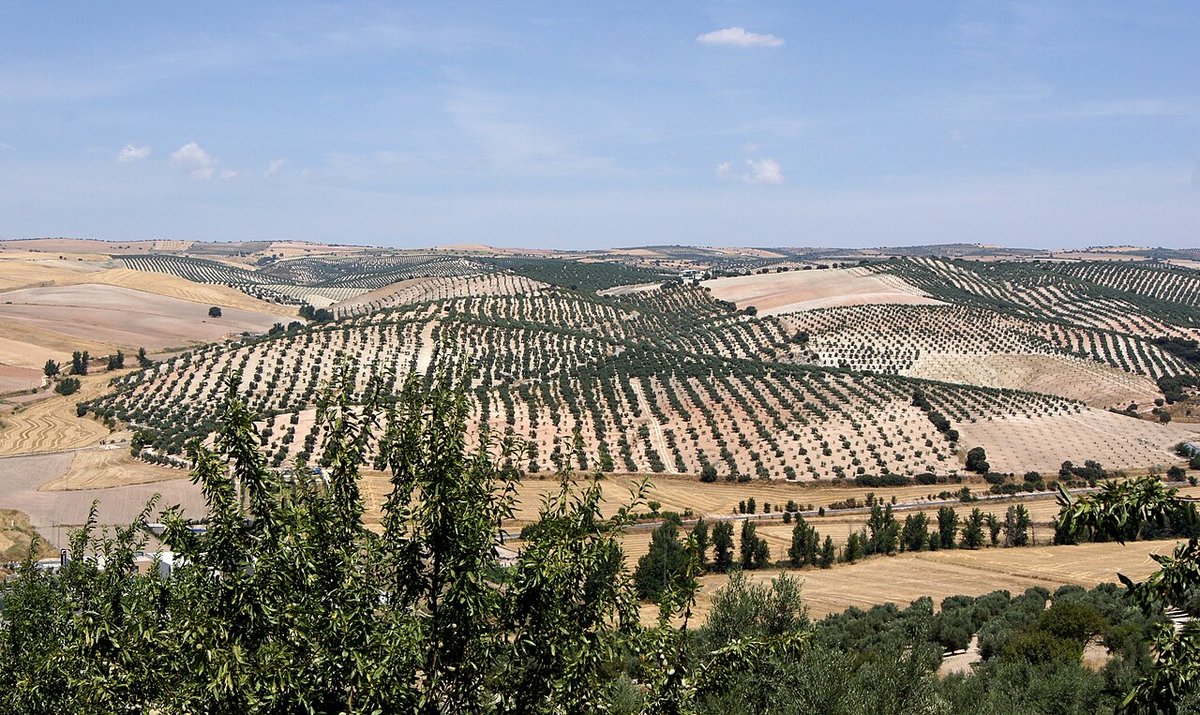
Villanueva de las Torres has around five hundred residents, slightly fewer in recent counts, and lies in the comarca of Los Montes, inland in the province of Granada. The landscape around it feels austere. Rounded hills and olive groves repeat across the slopes until they fade into the distance. The village follows the shape of the land, with streets that rise and dip without much pattern, linking whitewashed houses, stone doorways and roofs covered in ageing Arab tiles.
A slow walk reveals small details that hint at more prosperous times. Some façades carry coats of arms, others show carefully carved stone entrances or wrought-iron balconies. These traces connect to a past shaped by farming, especially olive oil and cereals, which have long set the rhythm of the year.
Heritage in a low voice
At the centre stands the parish church of the Inmaculada Concepción. Its exterior is restrained, with pale walls and simple lines that give it a calm presence on the square. Like many churches in this part of Spain, it has changed over the centuries. Different phases can be seen in its structure and in the altarpieces inside.
Light enters softly through high windows and falls over the gilded wood of the retablos, the decorated altarpieces typical of Spanish churches. It is worth stepping inside when the door is open and the village is quiet. The stillness makes it easier to notice older carvings and details that might otherwise pass unnoticed.
Nearby streets hold several old houses with solid stone portals and heavy iron grilles. They are not grouped into a formal monument area, nor are they heavily signposted. They remain part of everyday life, folded into the fabric of the village.
The land around it
A short walk beyond the built-up area is enough to understand the setting. Olive groves dominate almost everything. When the wind picks up, the leaves turn and catch the light, shifting the colour of the fields through the day with a silvery sheen.
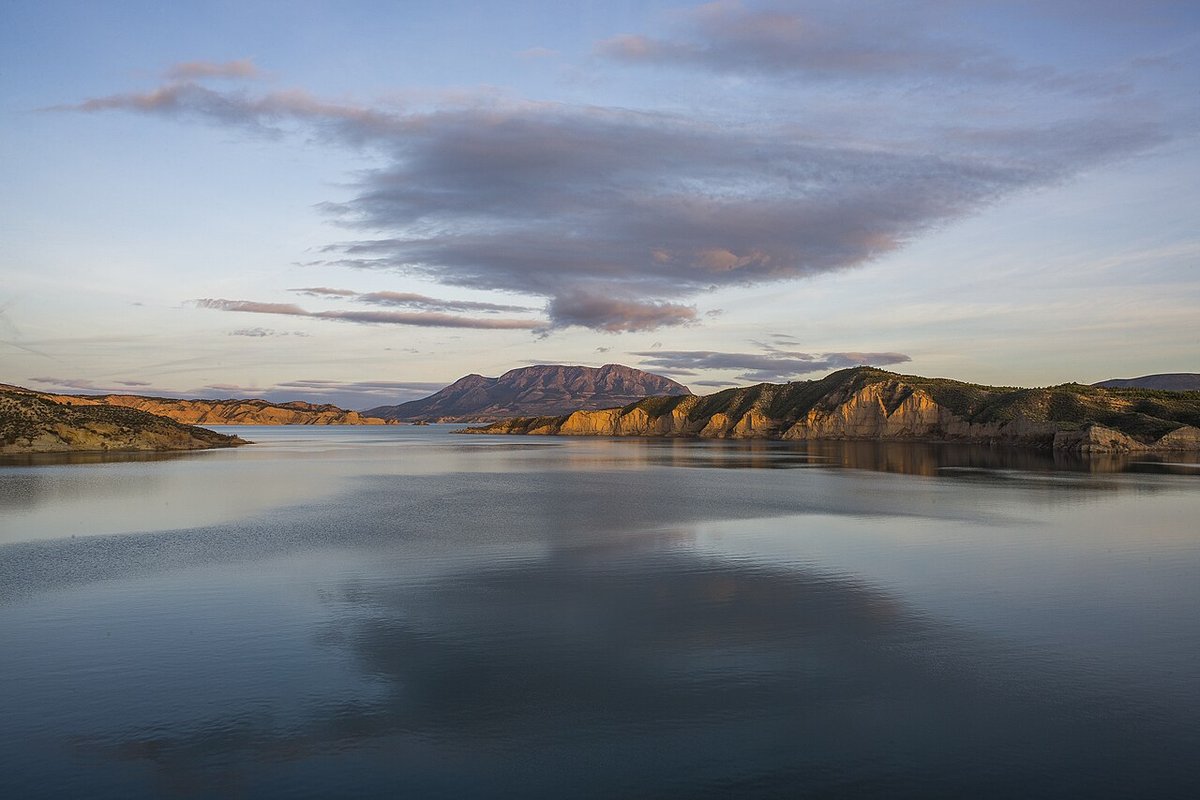
Between the hills lie dry ravines for much of the year, along with streams that only carry water during the rainy season. The exposed earth and rock show clear signs of erosion, with uneven layers, cracks and small cavities shaped over time.
From some nearby rises, reached by agricultural tracks, the view opens out. Soft hills, rectangular plots of land and the compact white cluster of the village sit in the middle of the scene.
Paths through olive groves
The rural tracks around Villanueva de las Torres are still used for farming. It is common to come across a tractor or locals walking between plots. These are simple dirt paths with little signage, though they are generally easy to follow with care.
After rain, the smell of earth becomes intense and mixes with the scent of olive leaves. Summer brings a different experience. Heat settles heavily over the land and shade is scarce, so walks are better earlier or later in the day, with enough water to hand.
Not far from the village, there are old threshing floors once used for processing grain, along with small vegetable plots enclosed by whitewashed walls. In spring, many of these plots fill with aromatic plants and wildflowers that attract bees.
Food shaped by the land
Cooking in this part of inland Granada remains closely tied to olive oil and local produce. Oil from nearby cooperatives tends to be strong, with a slightly bitter edge and a gentle peppery finish.
Many households still prepare traditional dishes designed for long days of physical work. Migas appear when the weather cools, while gachas are cooked slowly. Hearty soups made with stale bread are also common. These are simple, filling recipes with deep roots in rural life.
Sweet dishes often include honey or almonds, especially during family celebrations or local festivities. They reflect the same reliance on what the land provides.
Traditions through the year
The feast of the Inmaculada Concepción takes place in December, with religious events and modest processions through the streets near the church. In May, decorated crosses filled with flowers appear in different corners of the village, a tradition shared across many towns in Granada.
Summer brings the patron saint festivities, and the atmosphere shifts. Music fills the evenings, neighbours sit outside to catch the cooler air, and conversations stretch late into the night. Semana Santa, Holy Week, is more subdued, with shorter processions moving through the central streets.
Getting there and timing a visit
Villanueva de las Torres is located in the northern part of the province of Granada, within the comarca of Los Montes. The setting and size of the village shape the experience: quiet streets, an agricultural landscape and a steady rhythm that follows both the seasons and local traditions.
Visits tend to feel most in tune with the place when they match that rhythm, whether during calmer periods or at moments of local celebration.