Full Article
about Añora
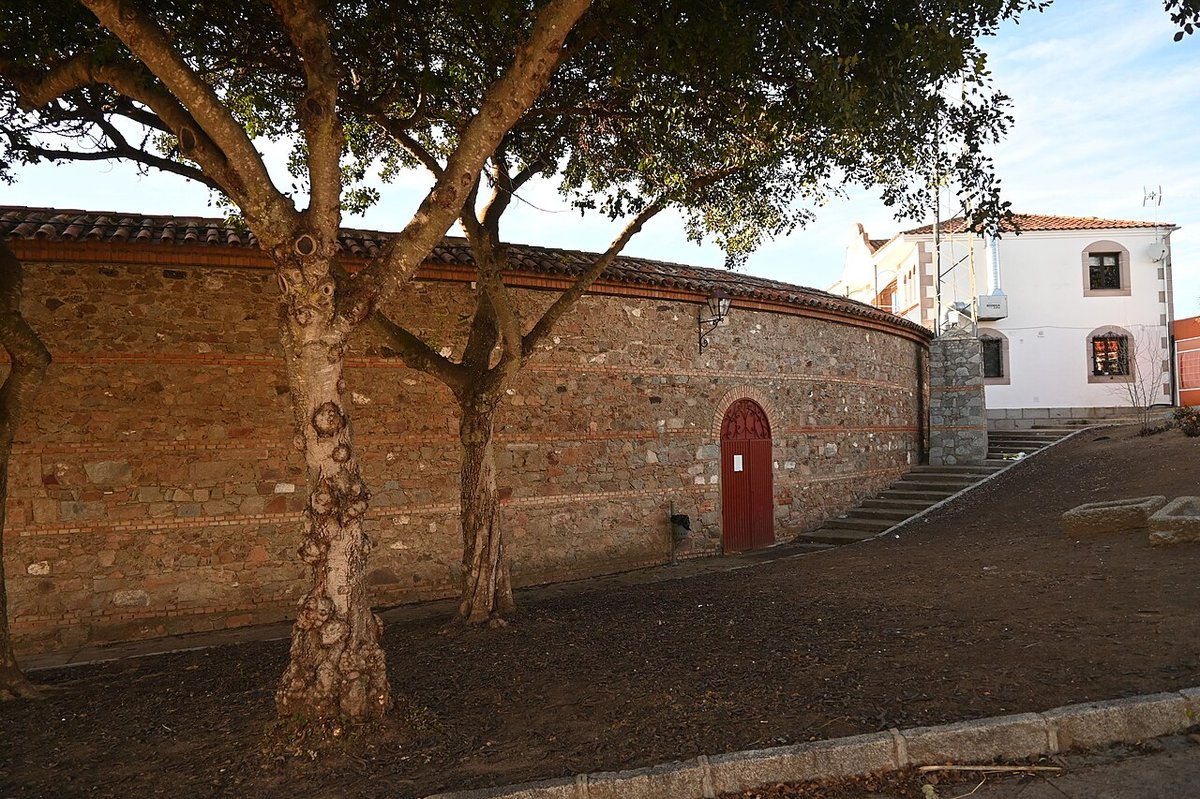
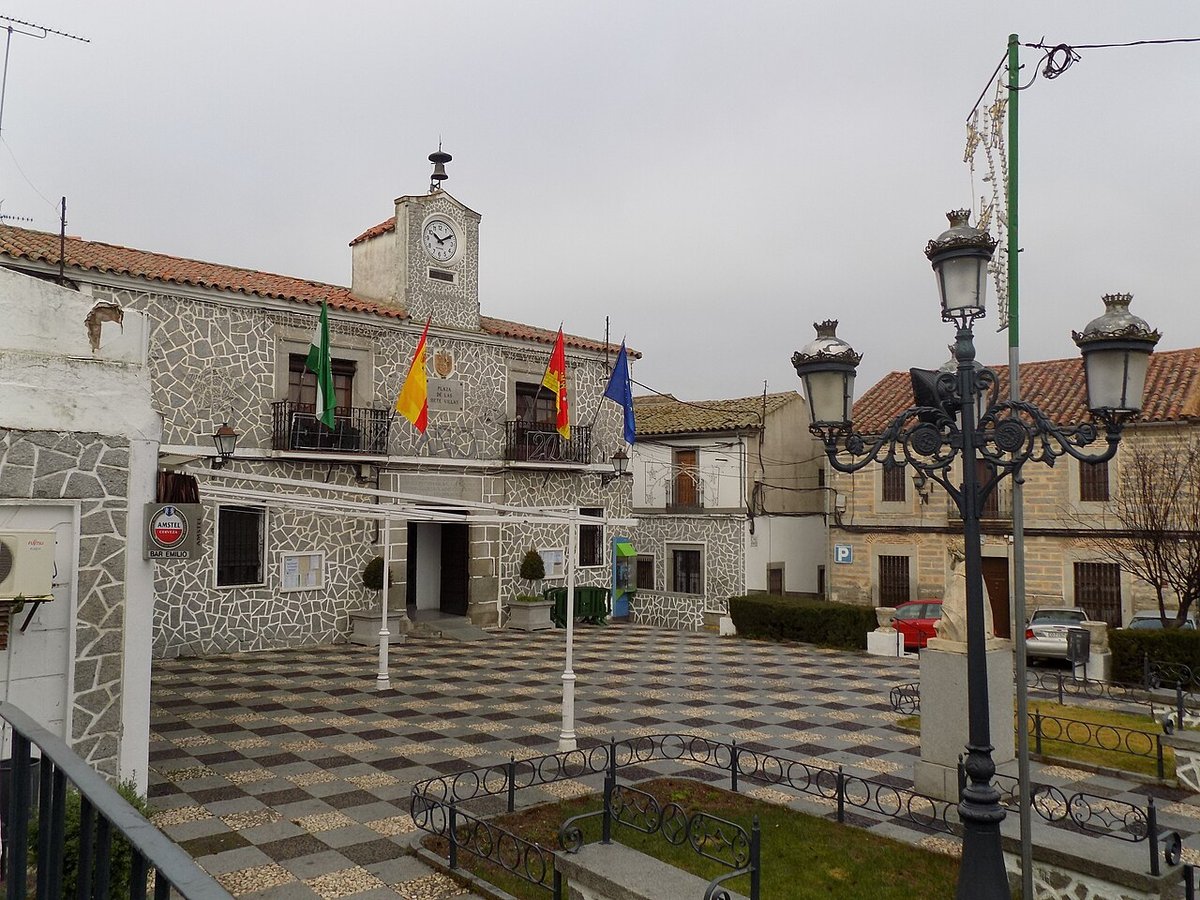
Granite vernacular architecture with flush façades that mirror the region’s identity and a deep tie to livestock and farming traditions.
Hide article Read full article
At eight in the morning, when mist still clings to the low hills of the nearby sierra, tourism in Añora begins with a very specific smell: warm bread and the soft smoke of holm oak. The first light touches the granite blocks of the houses, and the white lime lines that trace their corners start to glow against the grey stone. The square is only half awake at that hour. A neighbour crosses slowly with a newspaper under one arm, and someone drags a metal chair to the doorway of a bar while the air still has a sharp edge.
Stone that tells its own story
A walk through Añora draws attention to how the village is built. No two houses follow exactly the same pattern, yet they all share that combination of granite and lime that feels like a signature here. The white lines running across the façades are not decorative. They mark the boundaries of each home, a practical detail that has become part of the visual identity of the place.
This way of finishing stonework appears throughout Los Pedroches, the wider comarca, where granite has always been readily available. For centuries it was extracted from nearby quarries and shaped into the buildings that still define the area.
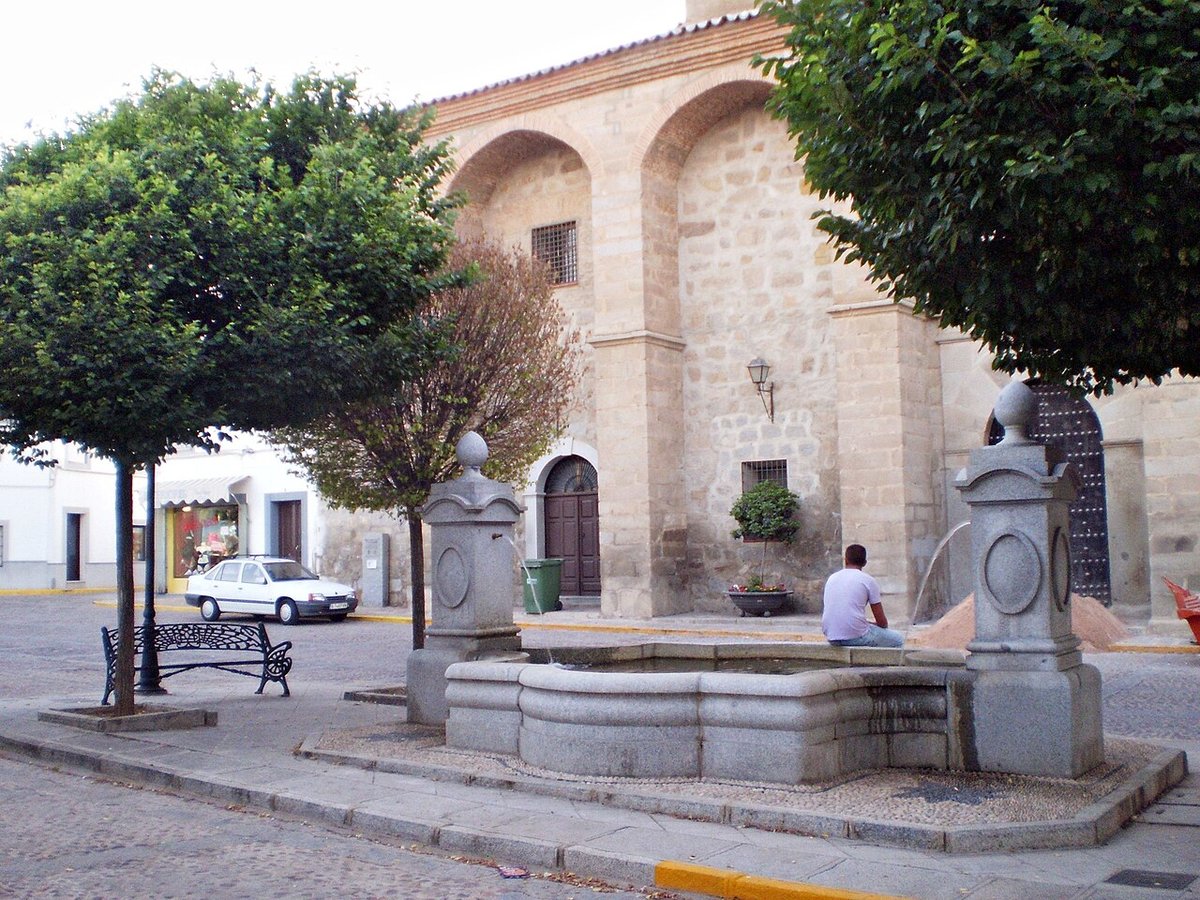
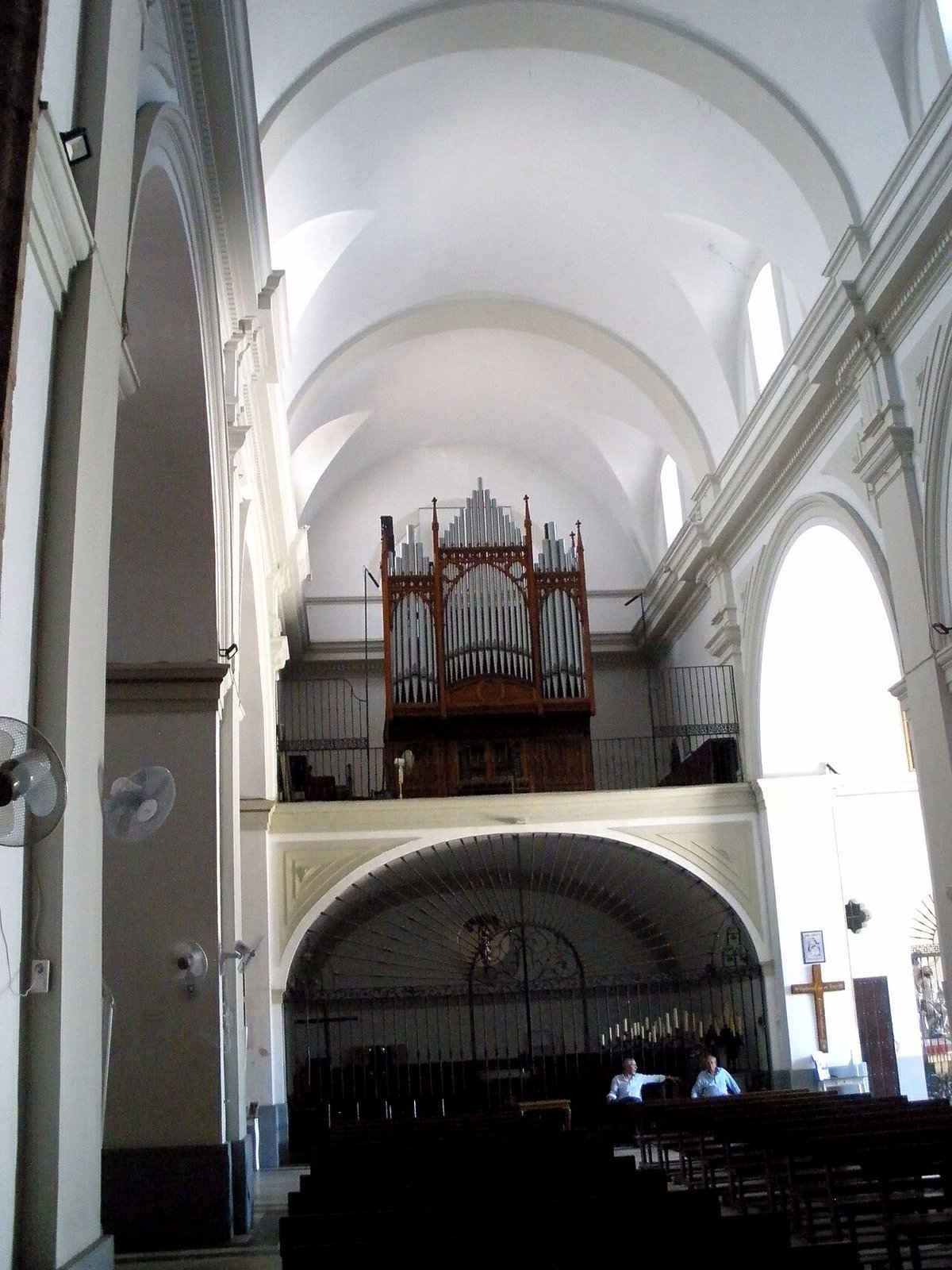
On Calle de San Bartolomé, the church comes into view. Its square tower rises above a base made of large blocks that seem older than expected. The stone entrance sits low, prompting a slight bow of the head on the way in. Inside, the sound changes. The echo is short, and the air carries a mix of wax, wood and the dampness of thick walls. When the door remains open, a blade of light cuts in from the street and settles across the floor slabs. Some of them bear worn inscriptions, traces of centuries of use that remain visible if you look closely.
The taste of the dehesa
By midday, Añora shifts pace. Air drifting in from the dehesas, the open pastureland typical of this part of Spain, brings the scent of warm earth and holm oak. These landscapes are also tied to the curing of Iberian pork, which forms part of daily life as much as the trees themselves.
At the bar counters, simple and substantial dishes begin to appear. Ham from the area is almost always present, often without needing to be requested. The fat softens with the warmth of the room, turning translucent, and its aroma lingers in the air.
Cheeses made from sheep’s milk produced in the comarca are also easy to find. Their flavour tends to be dry and slightly salty, with a grassy note that reflects animals raised on open pasture. Local people often say the best ones arrive in the colder months, when the sheep spend more time out in the dehesa and the milk develops a different character.
When the village heads for the hermitage
Late spring brings a day when Añora is left half empty. People travel out to the ermita of the Virgen de la Peña, located in the countryside a few kilometres from the town centre. The road fills with cars and tractors decorated with holm oak branches, along with families carrying folding tables and cool boxes.
The gathering stretches into the afternoon. Music plays, food is shared, and groups shift their spots as the sun moves across the sky, following whatever shade they can find. It is a day shaped by routine as much as celebration, with a rhythm that repeats year after year.
There are other moments when livestock returns to the streets. In some years, activities linked to transhumance are organised, recalling the seasonal movement of herds that once formed part of everyday life here. Sheep pass slowly through the village, moving between onlookers and raised phones. The shepherd dogs work with quiet focus, a contrast to the noise around them.
Walking out into the dehesa
It does not take much to leave Añora behind and step into the dehesa. Dirt paths begin at the edge of the village, often bordered by stone walls, before opening out into a wide landscape of scattered holm oaks, short grass and a clear horizon. Some of these routes follow old livestock tracks that once connected different towns in the comarca.
After about half an hour on foot, the village fades into the distance. Another kind of silence takes over. Leaves move high above, a distant bell occasionally carries across the land, and birds shift from tree to tree as someone passes by.
Summer requires some care. Early starts or late outings work best, as the heat becomes intense once the sun is high. The shade from the holm oaks offers some relief, though it does not fully counter the temperature.
Timing a visit
Spring is often the most rewarding season for walking in the surrounding area. Grass remains green, and the afternoon light falls gently across the dehesas. Autumn also brings good days, especially when the first rains leave behind the smell of damp earth.
August changes the atmosphere. Many people with family ties to Añora return during that month, and the streets fill with cars and activity that continues late into the evening. A quieter impression of the village is easier to find on weekday mornings.
Winter has its own character. The midday sun can feel mild, yet temperatures drop quickly once it sets. At roughly six hundred metres above sea level, the cold arrives suddenly in the evening, and the stone of the houses holds that chill for hours.
Añora moves at an unhurried pace throughout the year. Time stretches a little here, shaped by small routines and the surrounding landscape. It is a place that rewards taking things slowly and letting the walk set the rhythm of the day.