Full Article
about Cardeña
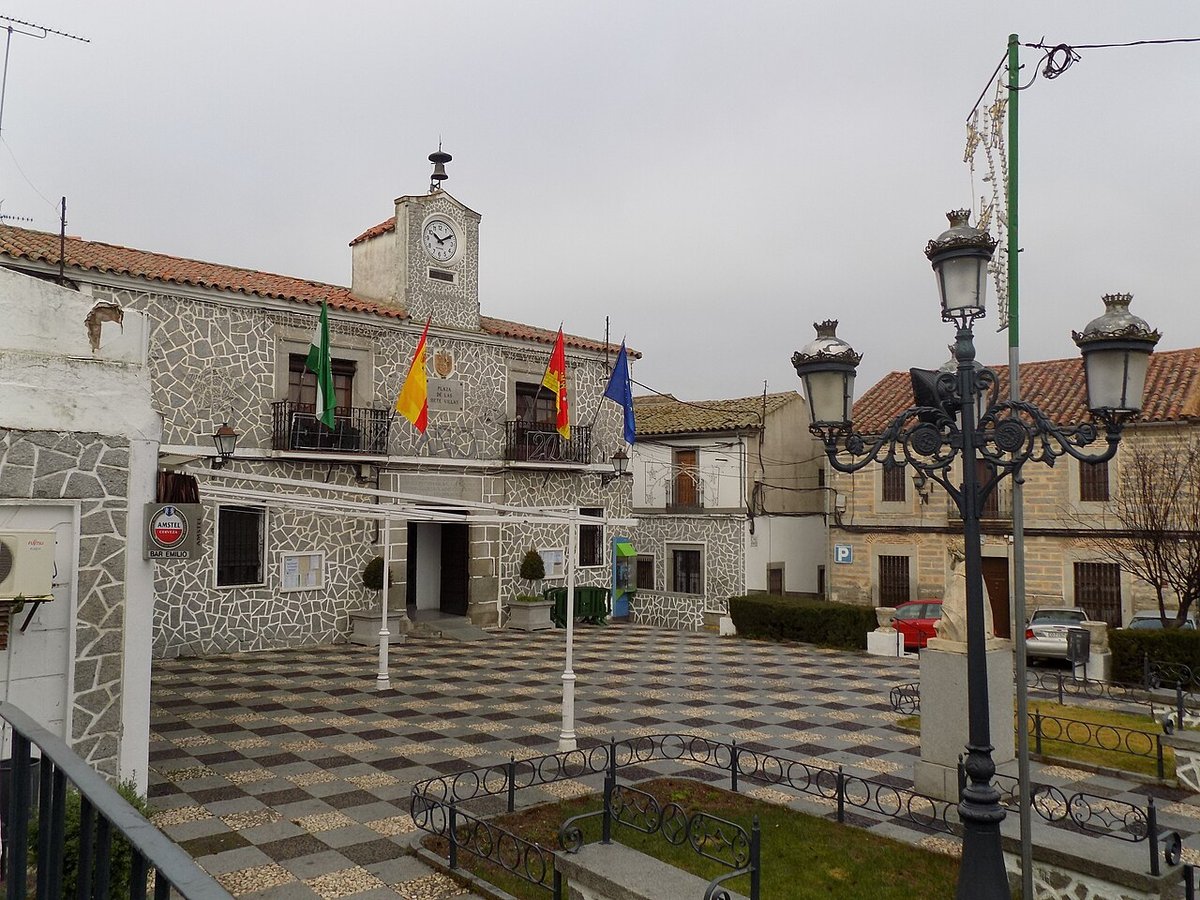
Municipality set in the Sierra de Cardeña y Montoro Natural Park, noted for its holm-oak dehesa and wild habitat of the Iberian lynx.
Ocultar artículo Leer artículo completo
The thermometer on the bank opposite the ayuntamiento reads 6 °C at eleven in the morning, yet the sun is so fierce that walkers strip to shirtsleeves by the second bend of the Camino de la Dehesa. Cardena sits at 748 m on the roof of Los Pedroches, a cork-oil plateau where Extremaduran heat meets Castilian frost. In winter the village can wake to minus eight; in July it flirts with forty. That swing shapes everything: the thick-walled houses, the slow-cooked stews, even the lynx that slink back into the trees before the day grows hot.
Most foreigners thunder past on the A-4, bound for Seville or the prettier, postcard sierras further south. Those who peel off at exit 408 find a working town of 1,437 souls, half of them retired, the rest tied to pigs, pasture and the quarterly cycle of the dehesa. There are no souvenir shops, no flamenco tablaos, no Instagram balconies dripping with geraniums. Instead you get the smell of oak smoke, the clang of a blacksmith’s anvil, and streets wide enough for a tractor to turn without clipping the church wall.
Granite, cork and a church that never quite got finished
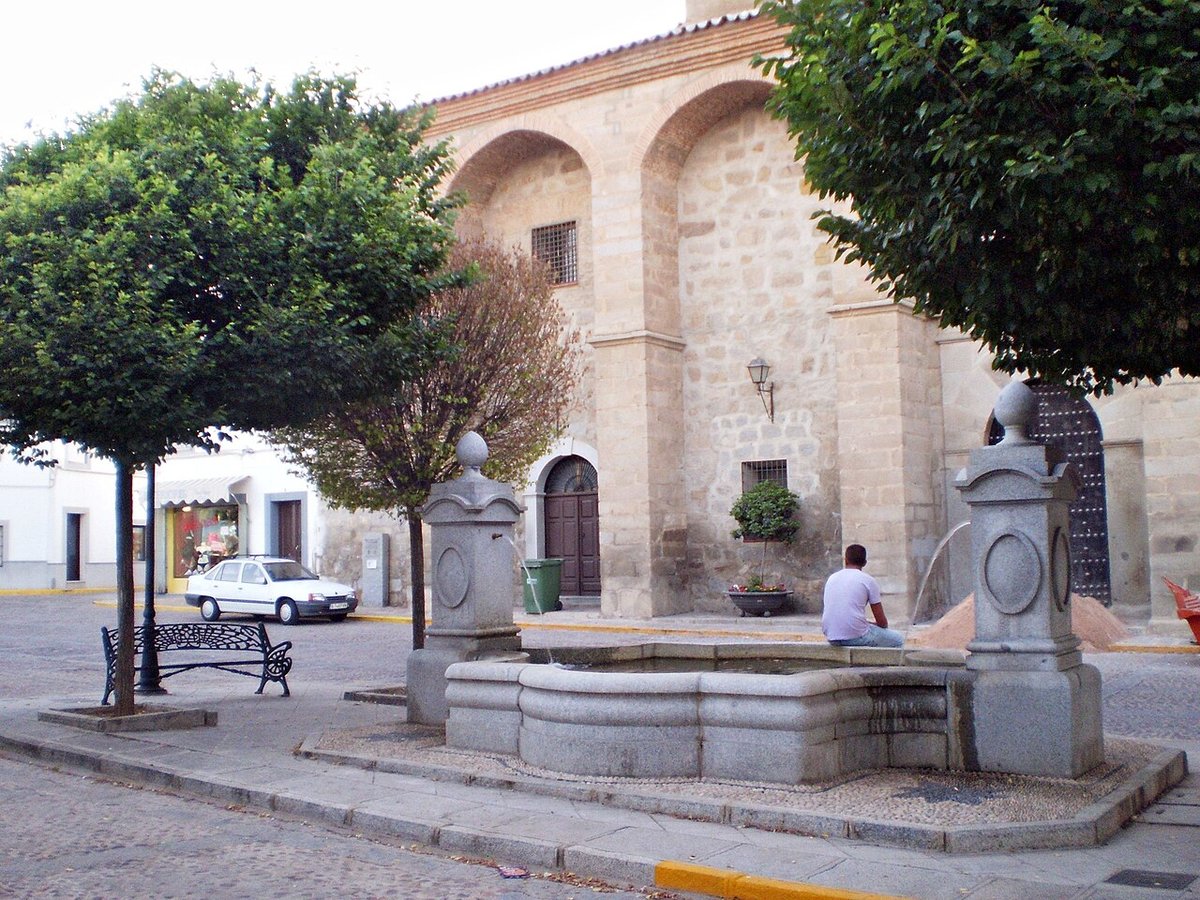
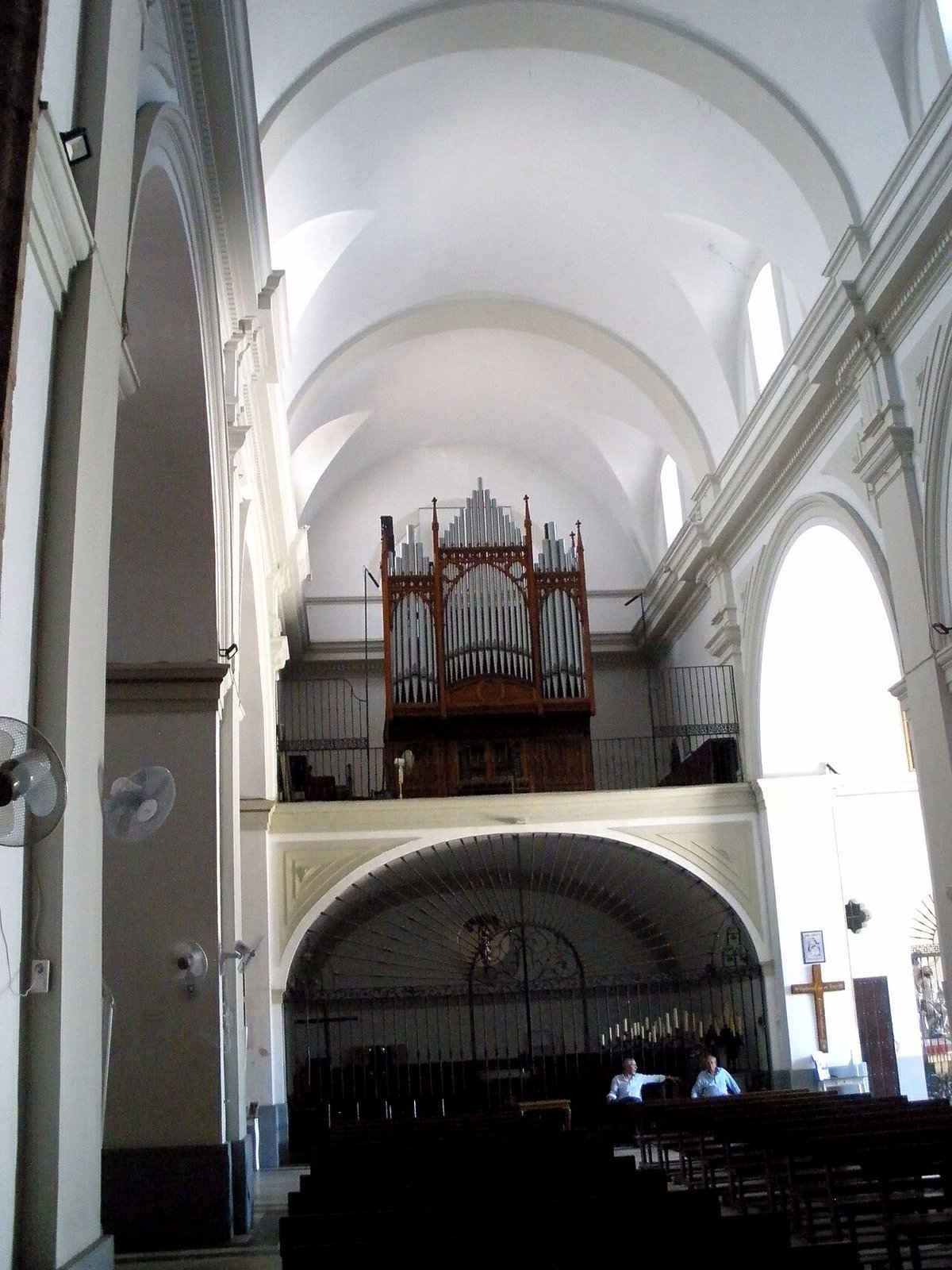
Start in the plaza, where the Iglesia de Nuestra Señora de la Asunción rises like a beige brick wedged between whitewashed neighbours. Begun in the 16th century, paused when the money ran out, patched up in the 18th, it carries the architectural hiccups of a village that has always budgeted carefully. Inside, the single nave is cool and plain; look for the granite font carved with sheaves of wheat and the faint fresco of St Christopher fording a river that looks suspiciously like the nearby Guadalmellato. Mass is at 11:00 on Sundays; the rest of the week the doors stay locked unless the sacristan is in the bar opposite – knock twice and tip a euro.
From the church, follow Calle Real past manor houses whose portals are framed in pink granite quarried 30 km away. The stone is harder than local limestone, so the columns stand proud while the surrounding brick has weathered back. Most houses still belong to farming families; if a wooden gate is ajar you’ll glimpse a patio of packed earth, a well, and perhaps a leg of jamón hanging from a ceiling hook to catch the breeze. There is no prescribed route – the entire historic core is barely four streets by three – but keep an eye out for the 19th-century fuente in Calle Nueva: three brass taps set into a slab, still used by neighbours who mistrust the chlorinated town supply.
When the forest is the monument
Cardena’s real cathedral grows outside the village. The dehesa stretches 70,000 ha in every direction, an open woodland of holm and cork oak trained since medieval times to feed both livestock and wild game. The trees are spaced so that sheep graze beneath while acorns fatten black-footed pigs; every ninth year the cork is stripped, leaving trunks the colour of burnt umber. From the southern edge of town the PR-A 265 footpath drops into this landscape, following an old drove road to the Arroyo de la Plata, three kilometres away. The gradient is gentle, but at 800 m the air is thinner than on the coast – allow forty minutes rather than the optimistic twenty-five suggested on the waymark.
Bring binoculars. Spanish imperial eagles patrol the thermals above the ridge, and the grassy verges are threaded with lynx prints at dawn. There is no ticket office, no interpretation centre, just a wooden fingerpost and, in spring, a carpet of rockrose and lavender. If you want a longer circuit, continue south to the Viejas windmills, stone towers built in the 1890s to grind wheat before the arrival of the electric mill in the village. The round trip is 12 km; carry at least a litre of water per person because the only fountain is back in Cardena.
Jamón weather and mushroom accounts
Altitude makes the town a year-round destination, but seasons taste different. October to May is jamón weather: cool, dry air that coaxes legs of pork to sweat their fat slowly. In the single butcher’s shop on Calle Pablo Iglesias you can buy 100 g of 36-month bellota for €9, sliced so thin you can read the parish newsletter through it. Pair it with a glass of dry fino from nearby Montilla and you have a lunch that costs less than a London sandwich.
Come late October the first rains puff the dehesa floor into a mosaic of mushrooms. Chanterelles, parasols and milk-caps appear overnight; locals mark productive spots with an almost military secrecy. Bar Venta Nueva, on the road to the visitor centre, serves a setas revueltas (scrambled eggs with wild mushrooms) for €8 if the owner has had a good morning. Ask politely and he’ll sell you a paper wrap of cleaned fungi for the same price, but only after you finish your plate – proof that you know how to cook them.
Practicalities the guidebooks skip
Public transport is the biggest hurdle. There are two buses a week from Córdoba – Tuesday and Friday – operated by the regional consortium. The 09:30 service reaches Cardena at 11:15; the return leaves at 14:00, giving you just enough time for lunch and a lap of the village. Car hire is almost obligatory. From Seville airport take the A-4 north, exit 408, then follow the CO-720 for 12 km; the road climbs through wheat and then cork, cresting a ridge where eagles often sit on the crash barriers. Petrol is 5 c cheaper per litre at the Ballenoil self-service just outside the airport – fill up there because the village garage closed in 2022.
Accommodation is limited. The three-star Hotel La Posada de Cardena has 28 rooms built round a courtyard pool; doubles are €65–€85 depending on season, including a buffet that runs to tortilla, local chorizo and coffee strong enough to float a spoon. Book ahead for the August fiestas (12–15 August) when returning emigrants triple the population and every balcony sprouts a flag. Outside those dates you can usually wing it, but don’t expect a receptionist after 22:00 – ring the bell and someone will shuffle downstairs in slippers.
Cash is still king. The only ATM belongs to Unicaja and occasionally refuses foreign cards; Bar Isabel will do cashback if you buy a drink. Mobile signal fades once you leave the main street; download offline maps before setting off on walks. Finally, remember the altitude: sunscreen in winter, fleece in summer, and always a water bottle – the nearest shop selling anything larger than 500 ml is 20 km away in Villanueva de Córdoba.
Leaving the high plain
By six the sun has slipped behind the Sierra Morena and the temperature drops ten degrees in as many minutes. Swifts cut low over the plaza, snapping up insects drawn to the lone streetlamp. Inside Bar Isabel the television mutters the regional news while the barman counts change into a wooden drawer that probably predates the euro. Outside, a farmer in overalls starts his Land Rover, headlights sweeping across stone walls that have seen Napoleon’s troops, civil-war reprisals, and now the slow return of the lynx. Cardena will never make the glossy brochures, and that, for now, is its greatest attraction. Come before someone decides it needs decorating.