Full Article
about El Guijo
Small Roman-founded settlement with a major archaeological site and preserved dehesa landscape, offering quiet, authentic rural life.
Hide article Read full article
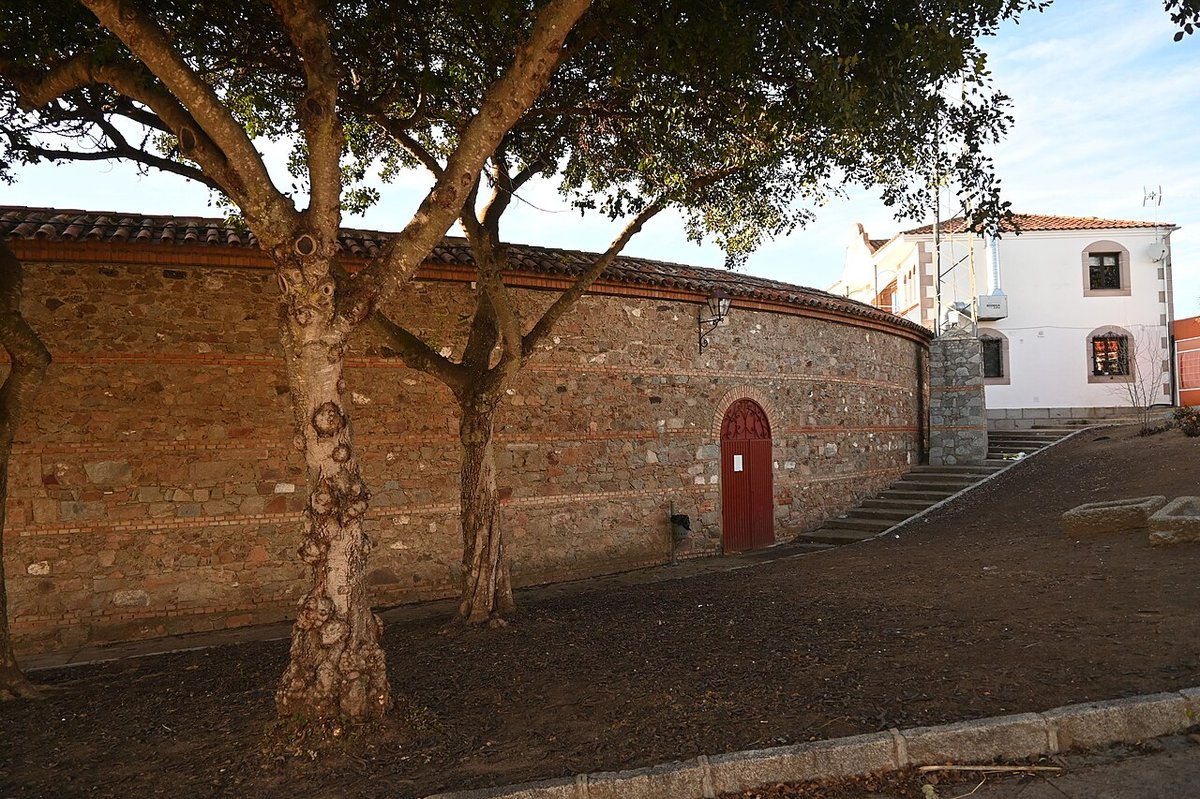
By mid-morning, when the sun still falls at an angle across the holm oaks, El Guijo appears almost without warning among rural tracks and low stone walls. The air carries the smell of damp earth and recently turned grass. There are no grand entrances or large signs. Just white houses, some with weathered paint, and the kind of silence found in small villages where daily life follows the land.
A little over 340 people live here. The dehesa surrounds the village on all sides and sets the pace. This traditional landscape of scattered oaks and pasture is closely tied to livestock, especially the Iberian pig, which is as much a part of the scene as the trees themselves. It shows in nearby pens, in small domestic curing spaces and even in certain smells that drift through the streets when the air shifts.
The square and the church of Santa Ana
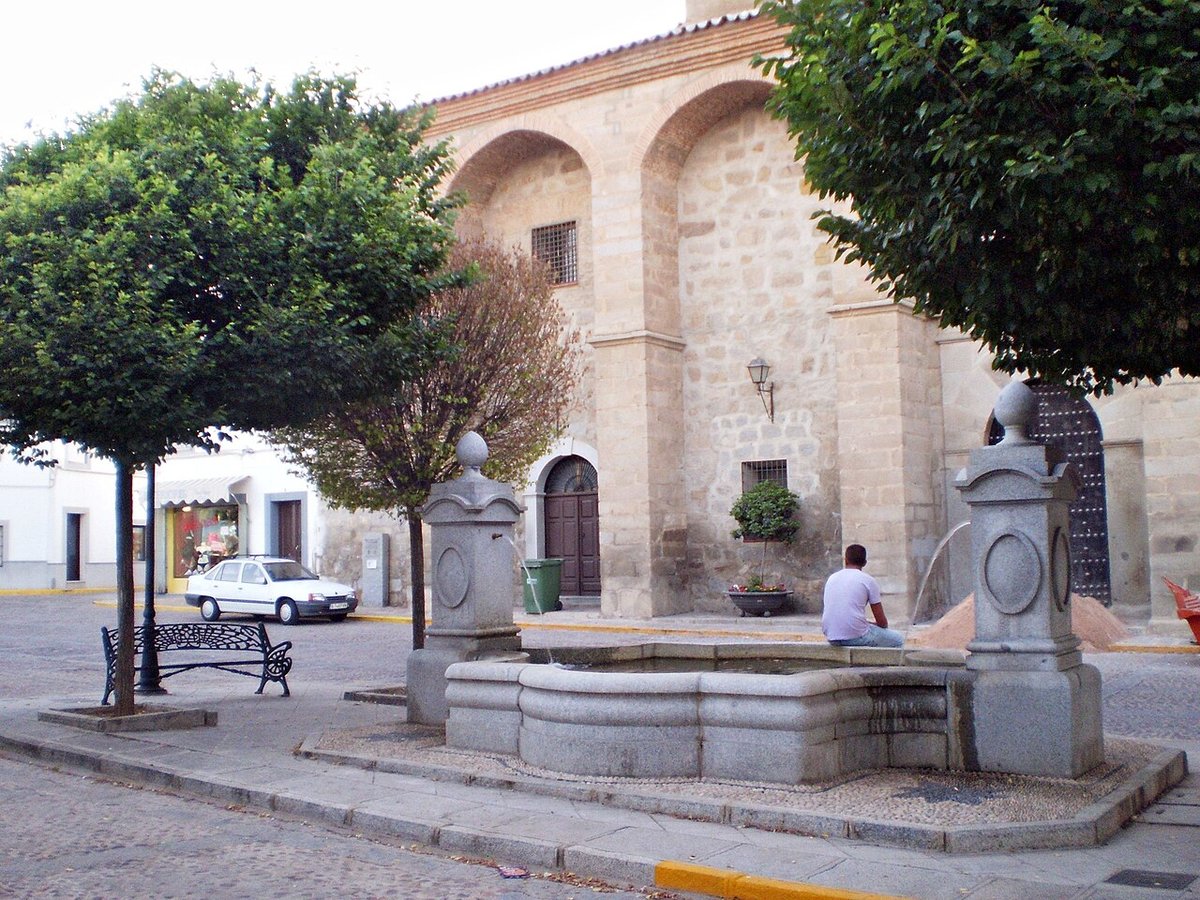
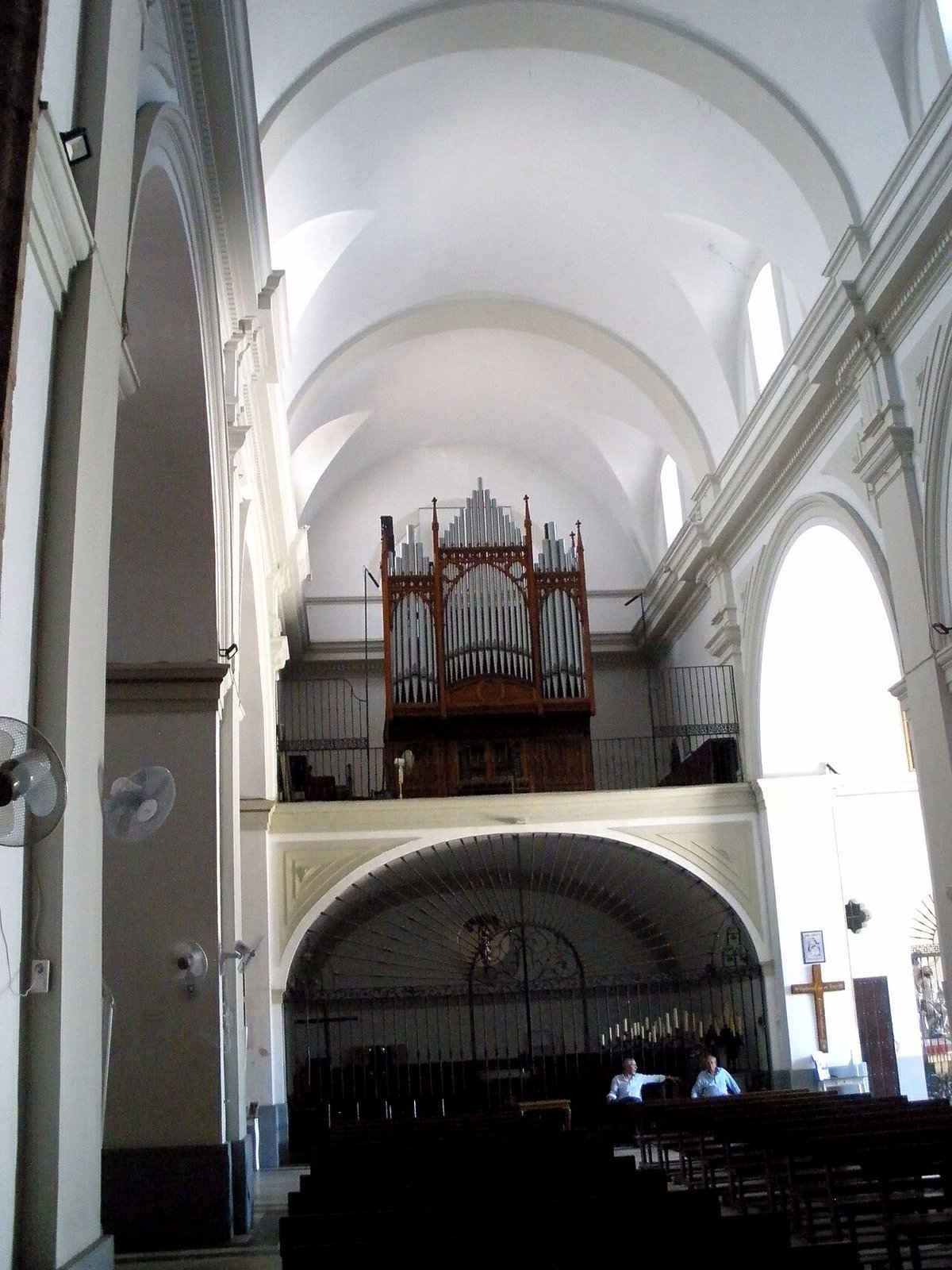
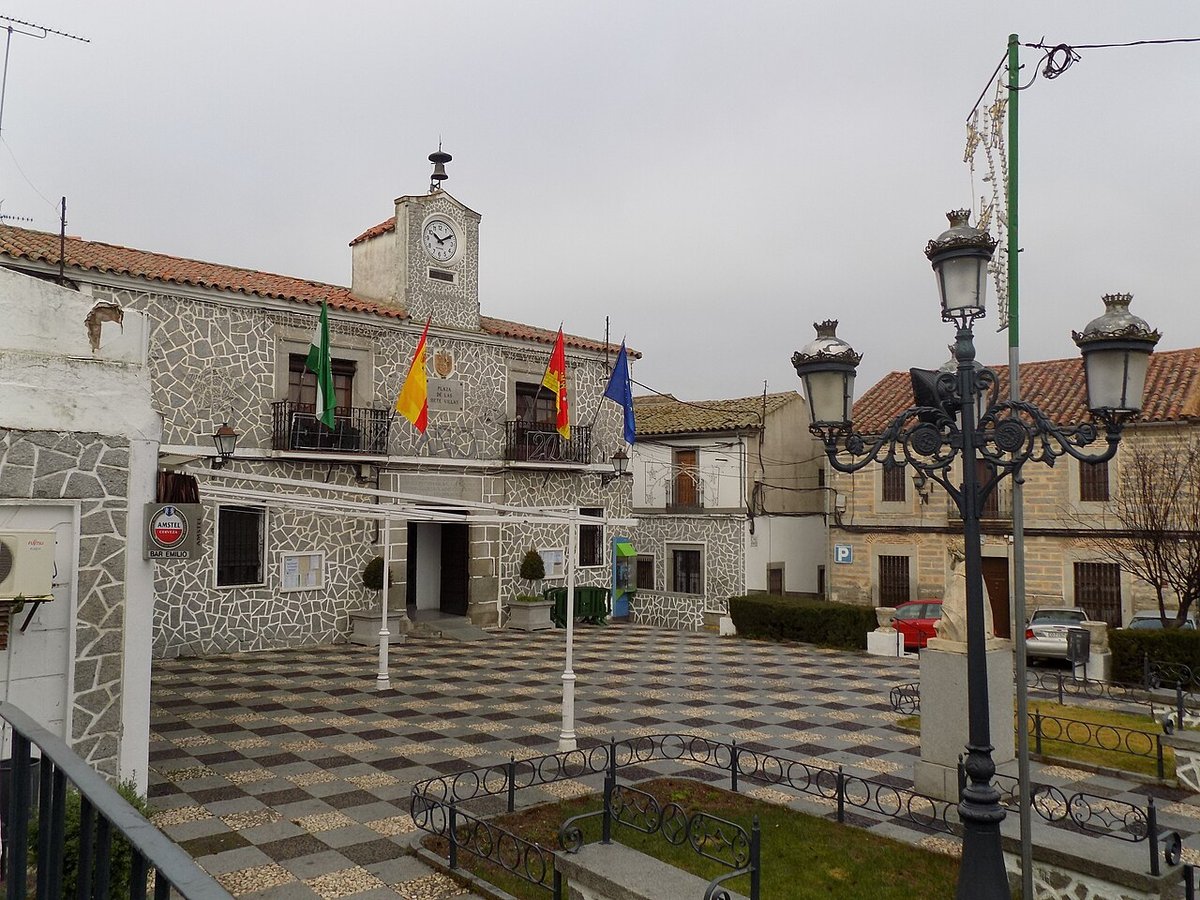
The church of Santa Ana looks over the main square with a calm, steady presence. It is not an imposing building, yet its bell tower can be seen from several points around the village. Towards evening, the tower takes on an ochre tone that contrasts with the white façades nearby.
At that time of day the square moves at an unhurried pace. A conversation leaning against a wall, a door opening, the brief sound of bells. In a place of this size, the square still works as a genuine meeting point rather than a symbolic one. People pass through, pause, and continue, with no sense of rush.
Streets where time lingers
Walking through El Guijo means paying attention to small details. Iron window grilles with simple patterns, wooden doors darkened by age, inner courtyards only just visible from the street.
Most houses rise no more than two storeys. Many follow a practical rural layout: wide spaces for storage, thick walls that keep interiors cool, and rooms designed for agricultural tasks. There are no grand palaces or landmark buildings. What stands out instead is the everyday architecture of the dehesa, shaped by use rather than display.
The streets themselves do not try to guide or impress. They wind gently, sometimes narrowing, sometimes opening onto small corners where little seems to happen. Yet that stillness is part of the place. It allows small sounds to carry, footsteps, a distant voice, a gate closing somewhere out of sight.
Walking into the dehesa of Los Pedroches
Just a few minutes on foot from the centre, dirt tracks begin. Some were once livestock routes, others still connect working farms. They lead straight into the dehesa of Los Pedroches, a landscape that becomes quietly absorbing when explored at a slow pace.
Holm oaks stand widely spaced across open grassland. The ground rises and falls gently, without dramatic changes. There is a broad sense of quiet, broken only by the faint sound of cowbells in the distance or wind moving through the treetops.
These are easy walks when the weather is kind. In summer, it is best to head out early. The sun quickly becomes intense and shade is limited along many stretches. At other times of year, the same paths feel more forgiving, inviting longer, slower walks without much planning.
There is no need to follow a strict route. Often it is enough to walk until the village fades from view and the landscape takes over. The rhythm shifts, and with it, the sense of time.
Winter skies and migrating cranes
When colder weather arrives, the sky changes character. In winter it is quite common to hear cranes before seeing them. Their calls carry from high above as they pass in loose formations, heading towards resting areas within the wider comarca.
With a simple pair of binoculars, other birdlife in the dehesa comes into view. Herons appear around nearby ponds, and birds of prey circle over open clearings. There is no need to travel far to notice them. Often, standing still and waiting is enough.
The openness of the landscape makes these moments feel close, even when the birds are distant. Sound travels easily, and movement stands out against the sky.
Matanza and home cooking
In El Guijo, cooking remains closely tied to the Iberian pig. Hams, cured loins and different types of sausages are part of the household pantry. Morcilla de cebolla, a blood sausage made with onion, appears frequently in family meals.
The matanza, the traditional pig slaughter carried out in winter, still takes place in some homes. It is not a display or an event arranged for visitors. It is a long process that brings the family together and fills courtyards with smoke, spices and conversation.
During autumn, some people head out to search for mushrooms in the nearby oak groves. Níscalos and setas de cardo can appear when rainfall has been favourable. It requires a good knowledge of the land, and care is needed to respect private properties.
When to visit El Guijo
Spring changes the colour of the dehesa completely. Grass grows between the oaks, and the landscape becomes brighter and more vivid. Autumn also offers a balanced season, with mild temperatures and clear skies that suit walking.
In summer, heat builds quickly after midday. At that time of year, it makes sense to move early in the morning or wait until late afternoon. Then the village opens up again, windows wide, and a little more air moves through the streets.
El Guijo does not aim to impress at first glance. It unfolds slowly, through small details, quiet routines and a landscape that stays constant while everything else shifts around it.