Full Article
about El Viso
Town known for its Auto Sacramental de los Reyes Magos, declared of tourist interest, and for its artificial beach on the La Colada reservoir.
Hide article Read full article
El Viso and the logic of the dehesa
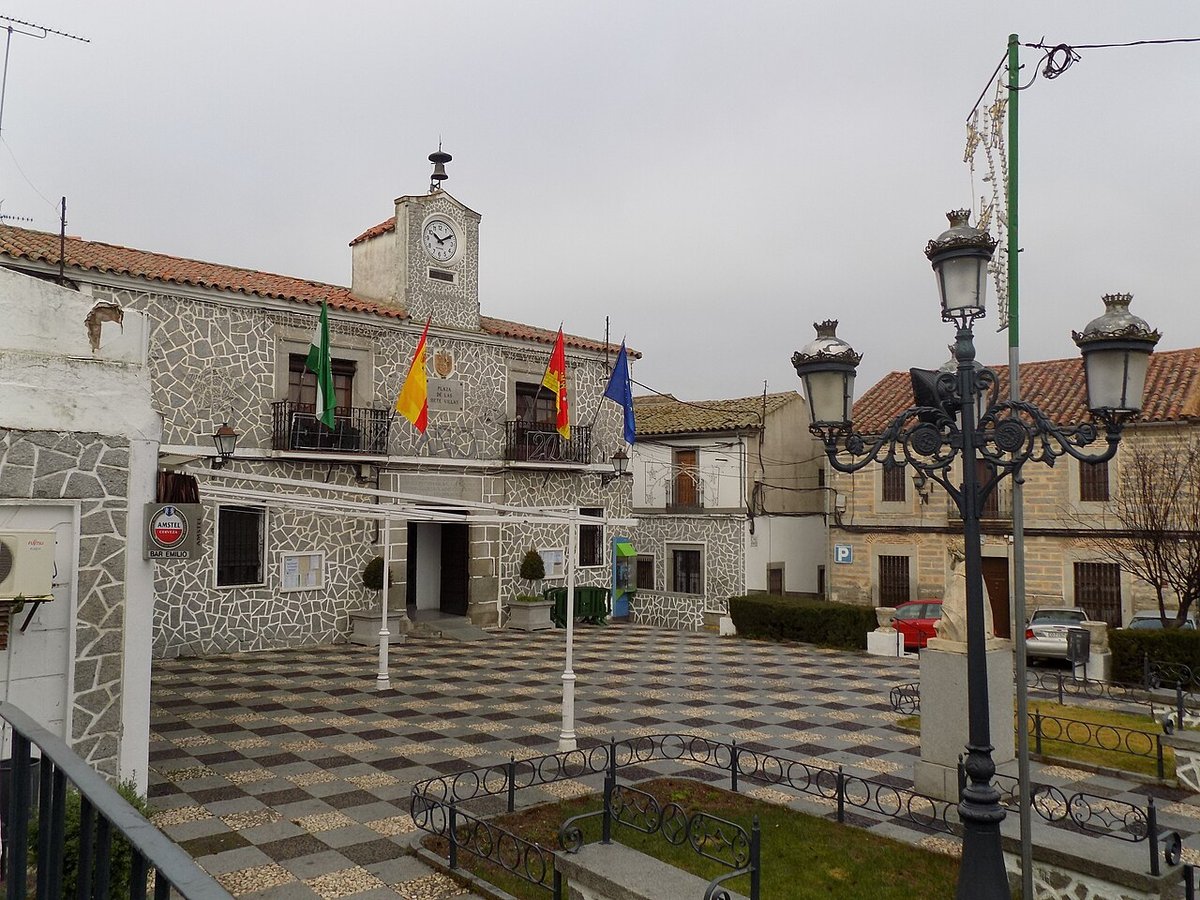
El Viso sits on a gentle rise in the northernmost part of Córdoba province. This slight elevation is the first clue. It was not built for defence or as a staging post, but to occupy a workable point within the vast, rolling terrain of Los Pedroches. The view from any edge of the village confirms it: a sea of holm oaks, stone walls, and grazing land stretches to the horizon. The architecture here—clustered white houses, granite details—feels like a direct consequence of the land.
A square bullring as a public space
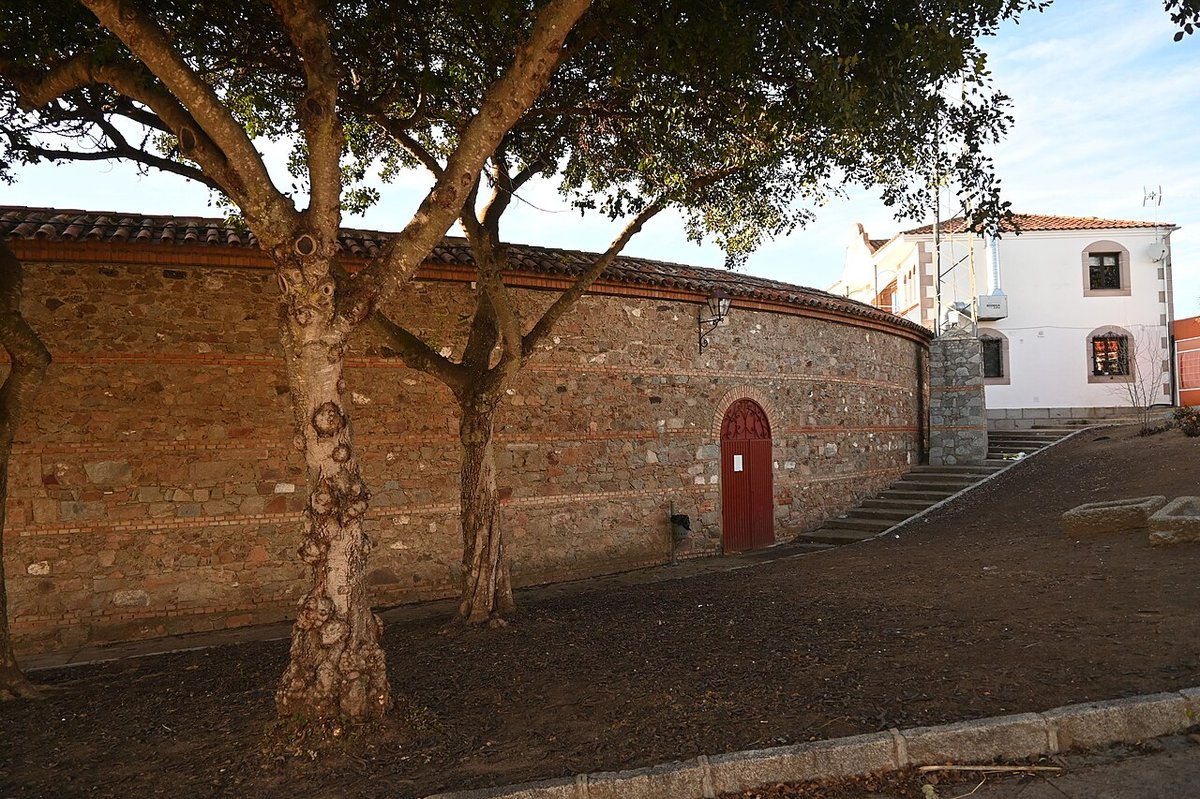
The bullring is the first thing many notice, precisely because of its shape. It is square, not round. Constructed from local materials, it resembles a fortified plaza mayor more than a dedicated arena. Its integration into the street grid is complete; you walk past its walls as you would any other building.
Historically, these square plazas de toros were common in this region, built for community gatherings as much as for bullfighting. The one in El Viso still functions as a public venue. Inside, the wooden balconies and simple structure underline its everyday role. It served as a natural centre for village life, a multipurpose enclosure whose form was dictated by local tradition and pragmatism.
Architecture of a pastoral economy
The history of Los Pedroches is a history of pasture. Medieval charters granted vast tracts of dehesa to military orders for livestock, primarily the Iberian pig. El Viso, like other villages here, consolidated as an administrative and residential hub for that pastoral world. You can read this in the buildings.
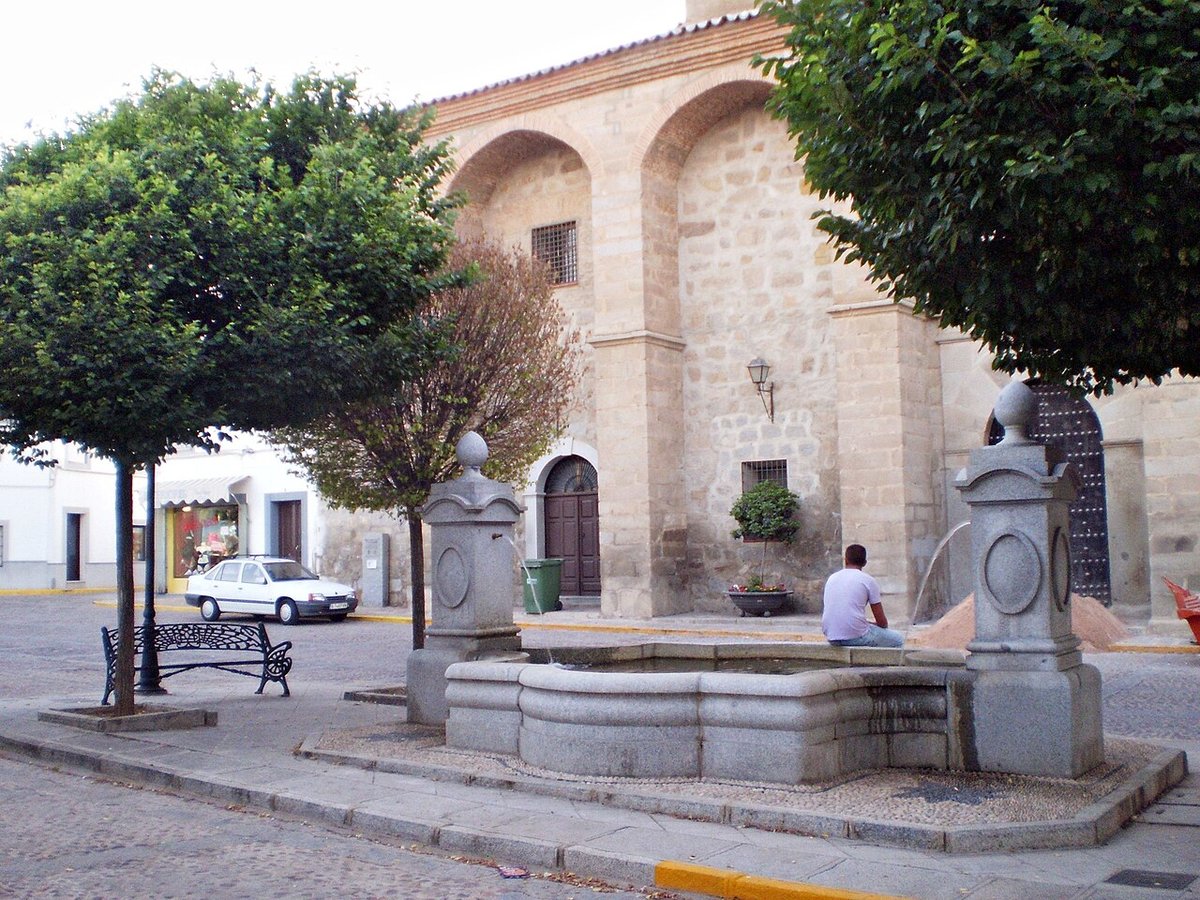
Houses are built with thick walls and large, interior courtyards. These were working spaces, used for stabling animals or storing grain. The granite doorframes and lintels seen throughout the town are not decorative; they are the most durable stone available locally. This is popular architecture that makes direct use of its environment, designed for the routines of farming life.
A cuisine defined by the matanza
Local cooking finds its roots in the matanza, the annual pig slaughter. This was a winter event that structured the calendar and ensured a year’s supply of food. Dishes are consequently hearty and preservation-oriented.
Cocido de coles is a typical example: a stew of chickpeas, cabbage, and various pork cuts. Recipes vary between households, but the principle is constant—making thorough use of the animal. The flavours are robust, developed from necessity. Eating here means tasting a system of self-sufficiency that revolved around the holm oak forest and the pig.
The view from El Calvario
A short walk leads to a chapel on a hillock at the town's edge, known as El Calvario. The climb takes only minutes. From here, the organisation of the landscape becomes legible.
You see the pattern of the dehesa: holm oaks deliberately spaced to allow grass to grow beneath, networks of dry-stone walls defining pastures, dirt tracks connecting farmsteads. El Viso appears in context, one small node in an extensive agricultural system. The view explains why the village exists here and not elsewhere.
Moving through the town
There is no prescribed route. Wandering the quiet streets is the point. Notice how the houses turn blank, whitewashed façades to the south to deflect the heat. Peek through open gates to see those interior courtyards, some still with troughs or old milling stones.
The pace is slow. Most visitors combine a stop here with others in Los Pedroches, where villages are separated by just a few kilometres of oak-dotted pasture. It’s a landscape best understood by car, but one that asks you to get out and walk.
El Viso doesn’t offer monuments in the conventional sense. It offers coherence. The bullring, the granite doorways, the stew, and the view from the hill all tell the same story: of a community shaped by its relationship with a working forest.