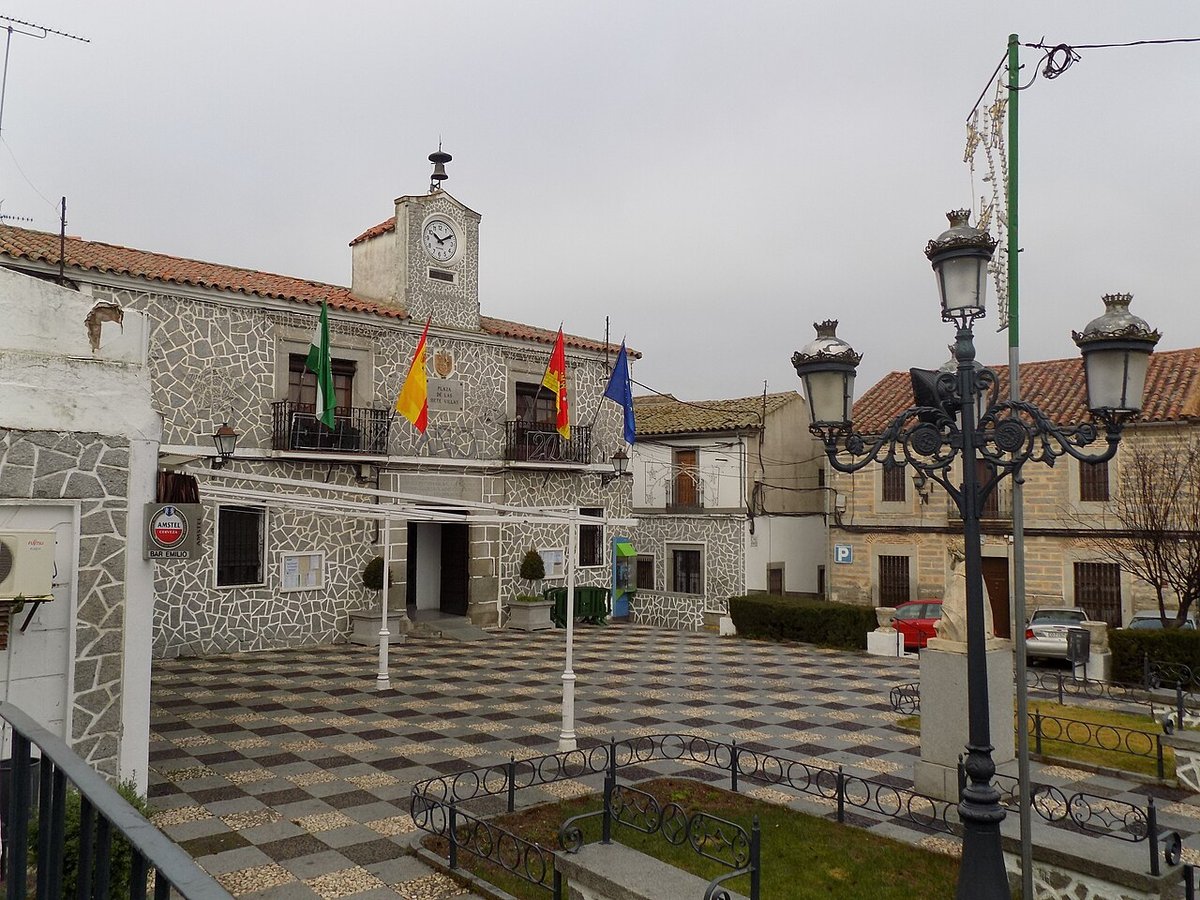
Vista aérea de Torrecampo
Instituto Geográfico Nacional · CC-BY 4.0 scne.es
Andalucía · Passion & Soul

Torrecampo

The only queue in Torrecampo forms behind a Sunday-morning churro van that parks beside the stone cross in Plaza de España. By the time the oil is ...

992 inhabitants · INE 2025
575m Altitude

Why Visit

Mountain PRASA Museum Torrecampo Visit the PRASA Museum

Best Time to Visit

spring

Feria de las Mercedes (September) mayo

Things to See & Do
in Torrecampo

Heritage

  • PRASA Museum Torrecampo
  • Church of San Sebastián
  • Chapel of the Virgen de Gracia

Activities

  • Visit the PRASA Museum
  • Hermitage Route
  • Hiking

Festivals
& & Traditions

Fecha mayo

Feria de las Mercedes (septiembre), Romería de la Virgen de Veredas (mayo)

Las fiestas locales son el momento perfecto para vivir la autenticidad de Torrecampo.

Full Article
about Torrecampo

A town with a rich historical, artistic and archaeological heritage, home to one of the most interesting local museums in the region, housed in a manor house.

Ocultar artículo Leer artículo completo

The only queue in Torrecampo forms behind a Sunday-morning churro van that parks beside the stone cross in Plaza de España. By the time the oil is hot, half the village has arrived: fathers still in cycling clips, teenagers who’ve rolled out of bed at eleven, grandparents who remember when the square was dirt. Foreign number plates are rare enough that the van man will guess your accent before you open your mouth and automatically dust the pastries with less sugar because “los ingleses don’t like it too sweet”.

Five hundred and seventy-five metres above sea level, the village sits on the northern lip of Los Pedroches, a rolling plateau of holm-oak pasture that feels more Extremadura than postcard Andalucía. There is no cathedral, no alcázar, no busker with a looping pedal. What you get instead is space, cheap coffee and a front-row seat on how rural Córdoba actually works when the tour coaches aren’t looking.

A walkable pocket of granite and whitewash

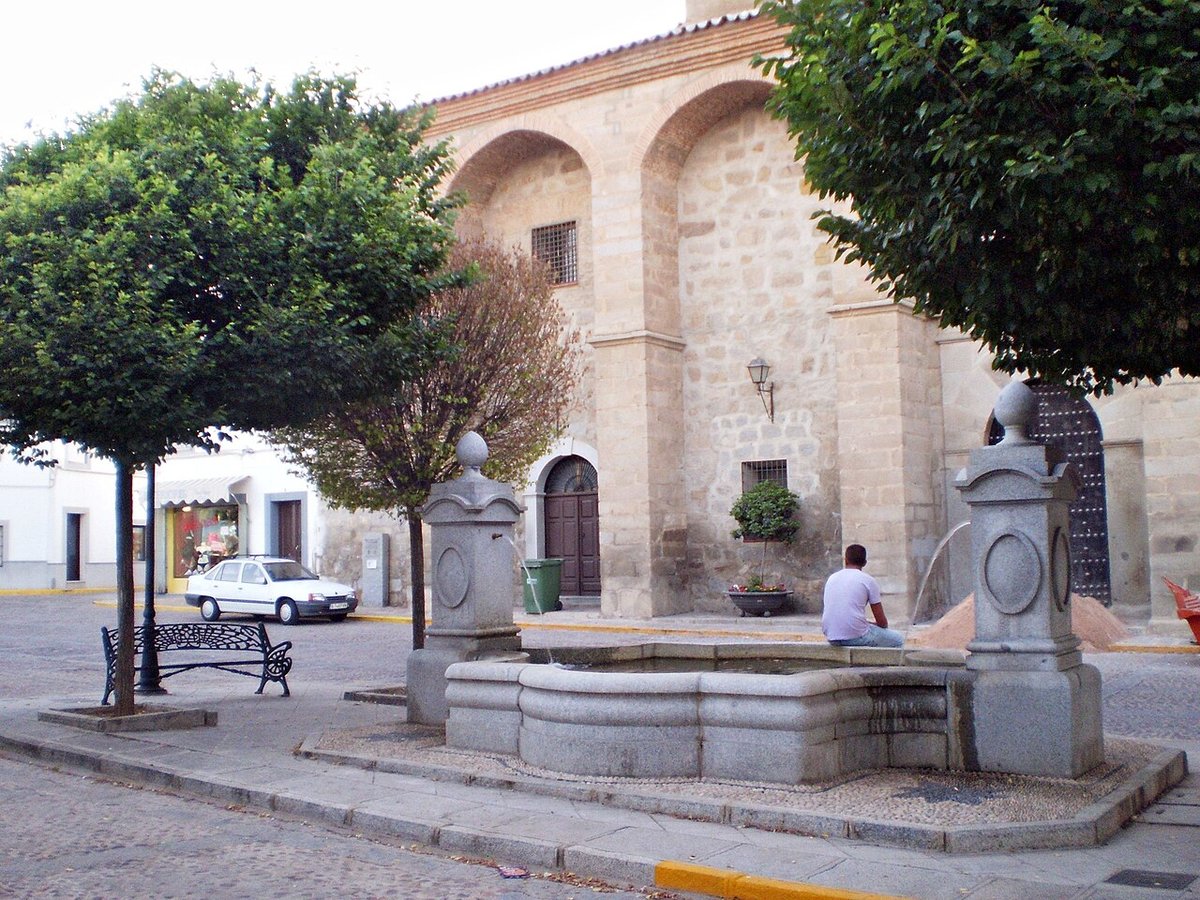
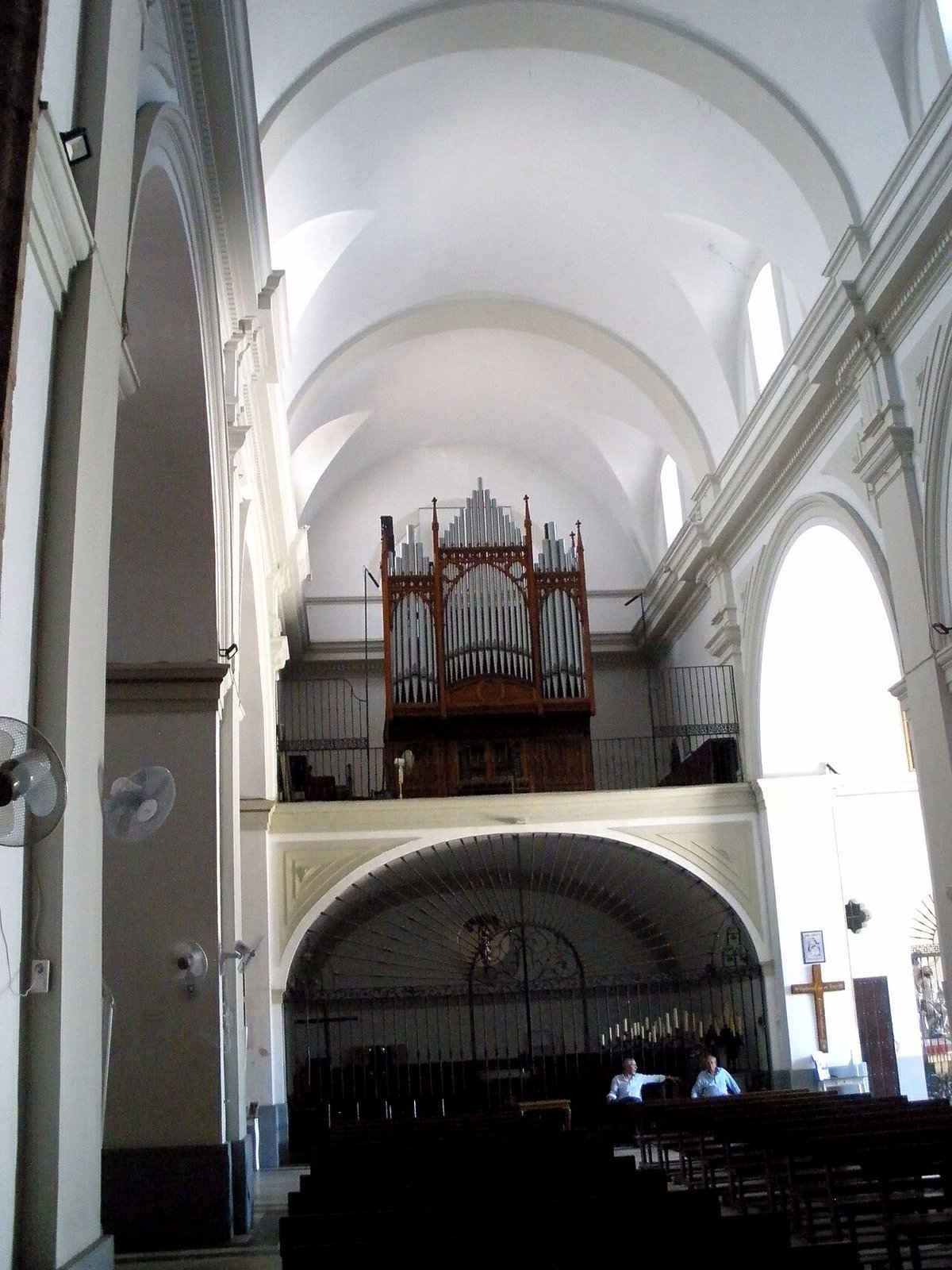
Start at the top. The parish church of Nuestra Señora de las Veredas squats on the highest cobbled lane, its bell tower patched so many times the brickwork resembles a collage. Inside, the air smells of candle wax and damp stone; a 17th-century altarpiece gilded with American gold stares down on pews that rarely fill. The door is usually unlocked – if not, the keys live with the sacristan two doors down, and she’ll insist you sign a visitors’ book that ends each month with more chickens drawn than names.

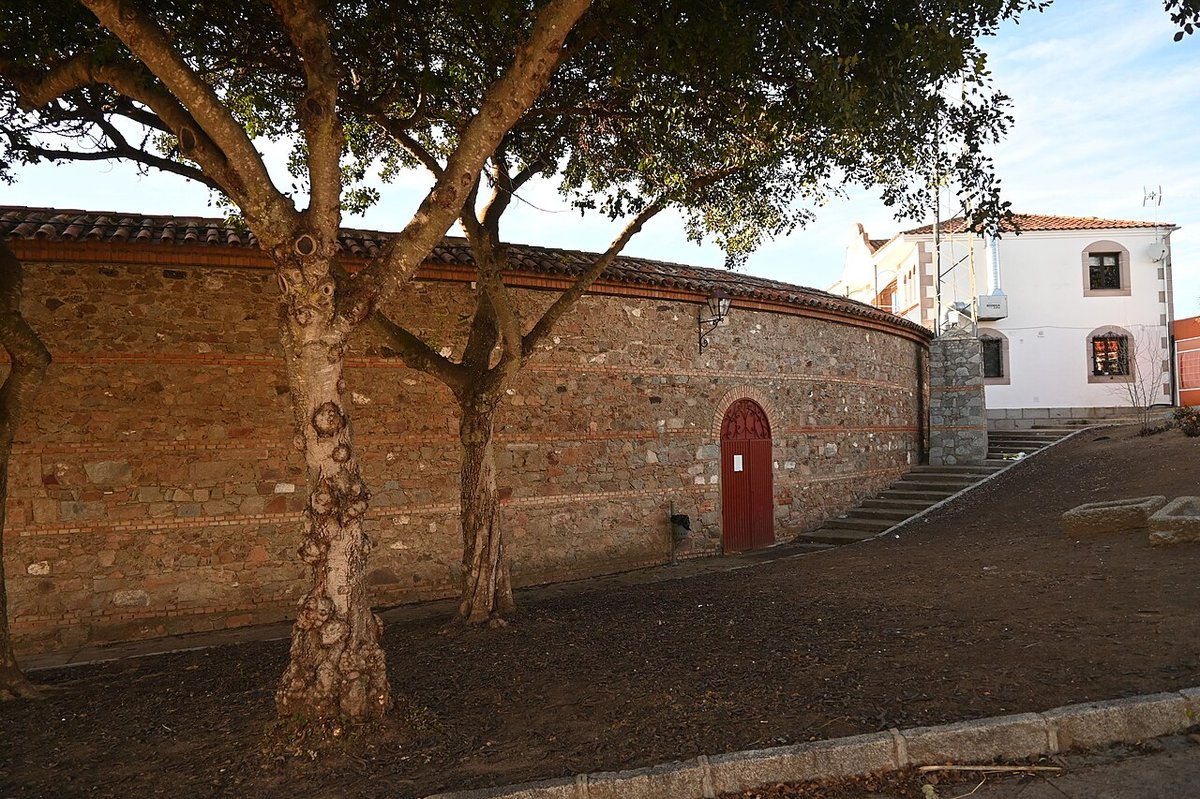
From the church door you can see the whole urban plan: two concentric rings of lanes, houses the colour of fresh yoghurt, roofs weighted with rounded stones against the wind that barrels across the meseta in February. Every third doorway has a name-stone: “José 1748”, “Antonia y Paco 1959”. The newer cement patches are painted over so the walls keep their rhythm. It takes twenty minutes to circumnavigate the centre, forty if you stop to read the hand-written carnival posters or to watch the olive cooperative load a lorry with plastic drums of extra-virgin.

The only formal museum is a single room beside the town hall, open Tuesday to Friday 11-13:00, admission free. Inside are threshing boards, a 1920s radio the size of a fridge, and a photo of the day electricity arrived in 1952. Explanations are in Spanish only, but the caretaker enjoys demonstrating how the wooden screw-press worked and will send you away with a sprig of dried lavender “para el viaje”.

Dehesa that starts where the pavement ends

Leave the last streetlamp behind and you are instantly inside one of Europe’s oldest man-made landscapes. Holm oaks scatter across ochre grass like parkland designed by a giant who lost interest. The ground is springy with last autumn’s acorns; Iberian pigs ate the rest, their ham now curing in stone sheds and selling for €90 a kilo in Tokyo. Way-marked paths are sporadic, but the old drovers’ routes still braid the pasture; if you can read a gate hinge you won’t get lost. A four-kilometre circuit heads south to the abandoned Cortijo del Fraile, its roof open to the sky since the Civil War. Take water – the only bar is back in the square and mobile coverage vanishes after the first ridge.

Dawn is the money shot. At seven the mist sits in the valleys so only the oak crowns show, each one wearing a crown of egrets. Buzzards rise on the thermals; wild boar retreat into the scrub. You will probably meet a shepherd on a quad bike, two sheepdogs balanced on the back rack like luggage. A raised hand is enough greeting; conversation is optional.

Summer hikers should start early. July temperatures touch 38 °C by eleven, and shade is limited to the width of an oak trunk. In winter the plateau can dip below freezing at night – glorious cobalt days, but the wind finds every zip. Spring brings meadows of lavender and poppies, plus the risk of muddy ruts that will coat hire-car alloys in burnt-orange clay.

Calories and caffeine

Food is filling, not fancy. Bar El Paraíso opens at 07:00 for farmers who’ve been up since five. A tostada with crushed tomato, oil and a whisper of garlic costs €1.80; coffee is 70 ¢ if you stand at the counter, 90 ¢ on the terrace. They close at 15:30 sharp – the owner pulls the shutter even if you’re mid-sip, so finish promptly.

For lunch, Casa Paco has four tables and a hand-written menu that rarely strays beyond braised pork, flamenquín (think breaded ham-and-cheese cigar) and salmorejo thick enough to hold a spoon upright. A three-course menú del día with wine is €12; they’ll swap the second course for a smaller portion for children, but don’t ask for gluten-free bread – you’ll get a shrug and a packet of crisps.

Evening choices shrink further. One Chinese-run bar serves plates of jamón to locals who pretend the owner is from Galicia, and a summer-only pizzeria sets up plastic tables outside the cultural centre. The nearest restaurant with tablecloths is in Pedroche, 13 km away; book ahead on weekend nights or you’ll be turned away by eight.

When the village lets its hair down

Torrecampo’s big night is 15 August, when the fiesta programme prints a corrida poster featuring a Miura bull and three Andalusian matadors. Plastic seating goes up in the main square; tickets start at €35 and sell out in the baker’s shop two weeks earlier. If blood sports offend, come the previous weekend instead for the encierro de vaquillas: heifers with padded horns chase teenagers round improvised fencing, everyone collapses laughing, and no one pretends it’s art.

April’s romería hauls the Virgin’s statue four kilometres into the dehesa for a picnic mass. Families arrive in flat-bed trucks decked with bunting, unload folding tables and spend the afternoon passing around litre bottles of rebujito (manzanilla and 7-Up). Visitors are handed a plastic cup without being asked where they’re from.

The third weekend in October is La Matanza, technically a gastronomic conference, actually an open-air masterclass in turning a pig into every possible edible. Tickets (€15) include a plate of presa iberica grilled over holm-oak embers and a glass of local red. Vegetarians are welcomed, given an extra portion of cheese, and still leave smelling of smoke.

Getting here, staying over, keeping sane

You will need wheels. Seville airport is 1 h 50 min west, Málaga 2 h 15 min south; both have competitive car-hire fleets. The last petrol before the hills is at Villanueva de Córdoba – fill up there because the village pump closes at 18:00 and only takes cash. Public transport is theoretical: one school bus leaves Córdoba at 14:00 and returns at 07:00 next morning, but drivers refuse non-students outside term time.

Accommodation is limited to three options. Casa Rural La Dehesa is a converted 19th-century townhouse with four rooms (doubles €65 B&B, no single supplement). Sheets are line-dried, Wi-Fi patchy, and the owner brings coffee to your door at whatever hour you request – write it on the check-in card. Slightly outside town, Complejo La Encina pools six studios around a shared garden; kitchens mean you can self-cater when everything shutters on Monday. Campers can pitch at Arroyo de la Tía María, 4 km south, where facilities amount to a cold shower and a view, but it’s free and the night sky is properly dark.

Bring cash. The solitary ATM swallows cards for sport and can stay empty until the security van makes its Thursday round. Shops observe the classic siesta (14:00-17:30) and most bars close on Monday – plan a picnic or drive to the motorway services at A-4 junction 408. English is thin on the ground; a cheery “buenos días” and a willingness to mime go further than Google Translate blaring from a phone.

Leave expectations of souvenir tat at home. What you take away is subtler: the sound of acorns pinging off a hire-car roof, the smell of oak smoke drifting from a ham-drying loft, an unsolicited churro offered because you looked cold. Torrecampo will not change your life, but it might slow it down to a speed where a stone bench and a flask of coffee count as an afternoon well spent.

Key Facts

Region
Andalucía
District
Los Pedroches
INE Code
14062
Coast
No
Mountain
Yes
Season
spring

Livability & Services

Key data for living or remote work

2024
ConnectivityFiber + 5G
HealthcareHealth center
EducationElementary school
Housing~5€/m² rent · Affordable
Sources: INE, CNMC, Ministry of Health, AEMET

Official Data

Institutional records and open data (when available).

  • Posada del Moro
    bic Monumento ~0 km
  • Ermita Nuestra Señora de Gracia
    bic Monumento ~0.4 km
  • Ermita de la Virgen de las Veredas
    bic Monumento ~6.2 km

Planning Your Visit?

Discover more villages in the Los Pedroches.

View full region →

More villages in Los Pedroches

Traveler Reviews