Full Article
about Villanueva de Córdoba
Heart of acorn-fed Iberian ham in Valle de los Pedroches, with a stunning dehesa and notable civil and religious heritage.
Hide article Read full article
A town born among holm oaks
To make sense of Villanueva de Córdoba, it helps to go back to the late 15th century. Local accounts say that several residents of Pedroche fled an epidemic and settled among holm oaks. They named the first settlement Encinaenana, a name that feels less odd once you look at the landscape that surrounds the town.
This is Los Pedroches, a comarca where the dehesa sets the tone. Holm oaks stretch as far as the eye can see, dirt tracks wind between estates, and the horizon always seems slightly further away than expected. The oak woodland here is often described as one of the largest in Europe. Whether or not it is the largest, walking through it makes clear why the Iberian pig lives as it does in this part of Spain.
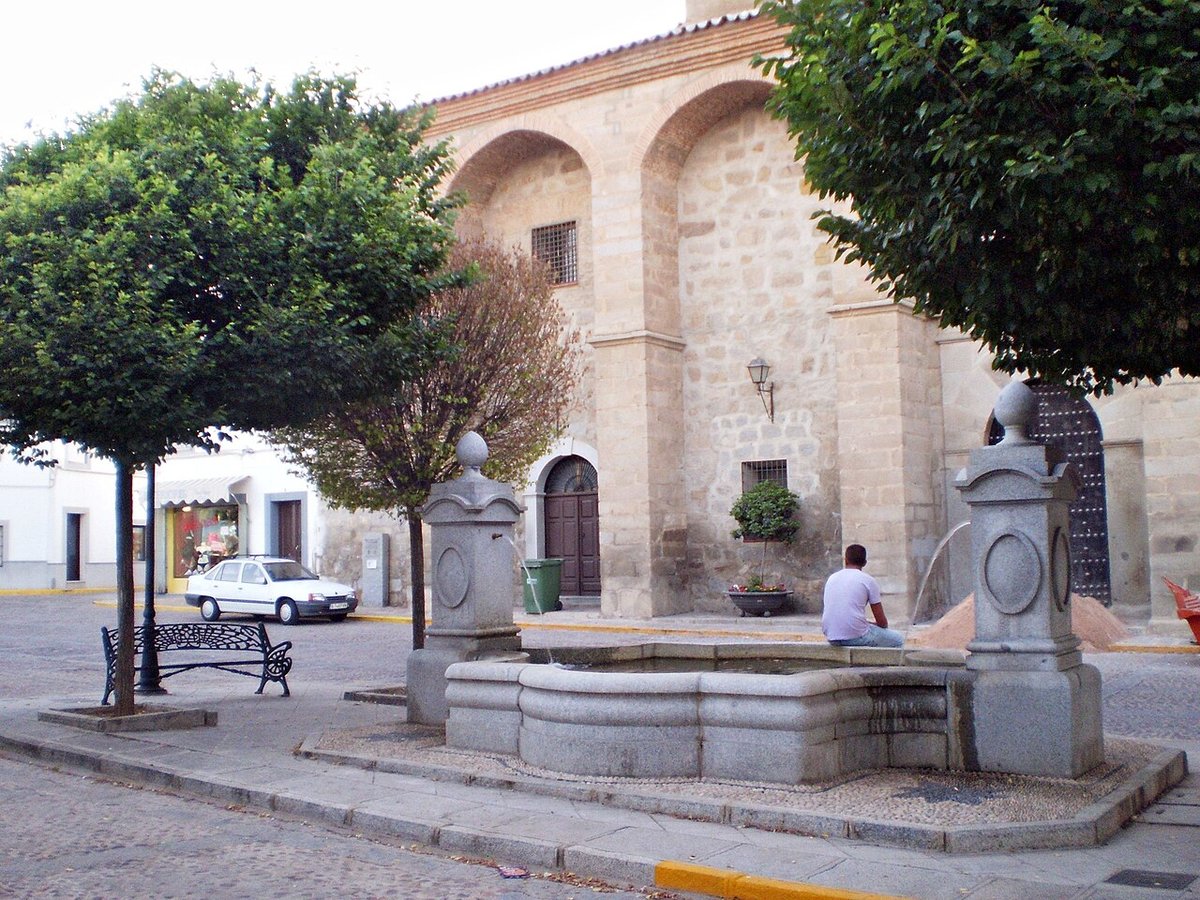
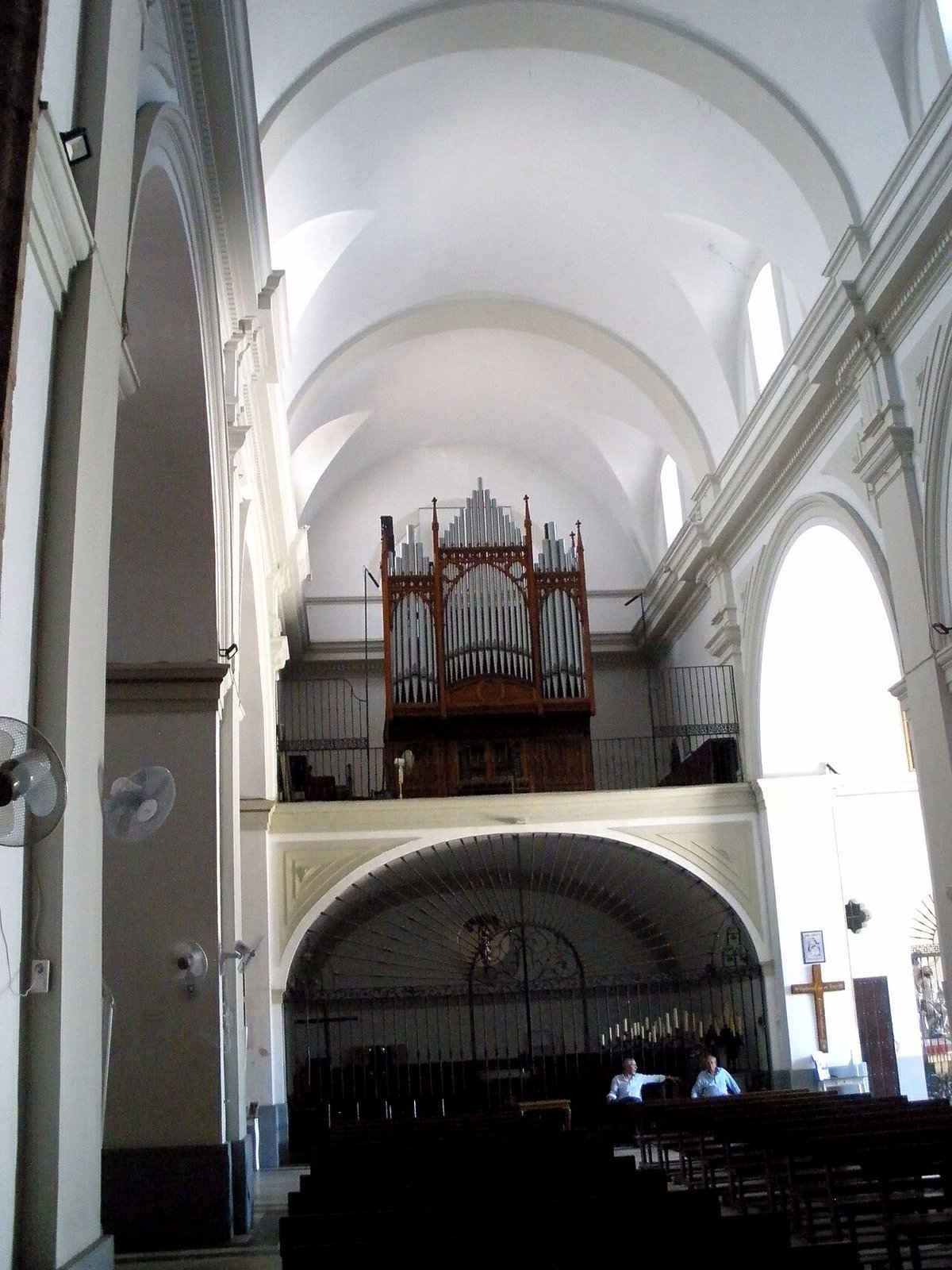
Over time, the settlement grew and by the 16th century it had official recognition as a villa. From that period comes the Iglesia de San Miguel, the building that draws the eye when you reach the centre. Inside, there is an unusual detail: a wooden floor. It creaks underfoot like the boards of an old ship. It is said to be one of the few churches in Andalusia that still keeps this kind of flooring, with pieces arranged in geometric patterns.
The dehesa and the logic of the acorn
In Villanueva de Córdoba, the dehesa is not a scenic backdrop but a way of life. Between autumn and the end of winter comes the montanera, the period when Iberian pigs feed on the acorns that fall from the holm oaks. Watching one of these animals move through the woodland makes a local joke easy to understand: here, the pig eats better than many people.
The culture around the Iberian pig is present across the town, though not in a staged or showy way. There is no sense of a theme park built around ham. Instead, it appears in quieter forms: family-run bodegas, traditional drying spaces, and people who have spent their lives working in this trade. On colder days, certain streets carry the smell of curing, a mix of salt, fat and time.
There is also a small but telling detail in how locals talk about it. Some prefer to say that what matters here is not the ham, but the acorn. It is a way of shifting the focus from the end product to the landscape that makes it possible. In that sense, the dehesa is not just a setting but the starting point for everything that follows.
A shelter that was never needed
One historical detail often overlooked is the air-raid shelter from the Spanish Civil War. Built in a zigzag shape, it measures around 70 metres. Its purpose was to protect the population in case of bombing, although, according to local accounts, it was never actually used.
Today it can be visited on certain occasions. The entrance is near a school, which creates a striking contrast. Children head out to play while, beneath their feet, there is a tunnel designed for one of the most difficult periods of the 20th century.
San Miguel, Virgen de Luna and something sweet
The main day in the town’s calendar is San Miguel, celebrated on 29 September. Another important event is the romería of the Virgen de Luna, closely tied to the wider Los Pedroches area. When the image is brought into the town, the atmosphere shifts. Paths fill with people, horses appear, and whole families follow the procession.
On the sweeter side, there is a local speciality known as navajas jarotas. Despite the name, they have nothing to do with knives. They are small, crisp pastries made from puff pastry and sugar. The name seems to come from travelling vendors who once sold both knives and sweets at fairs and markets. Over time, what remained was the edible part of that story.
Taking it in slowly
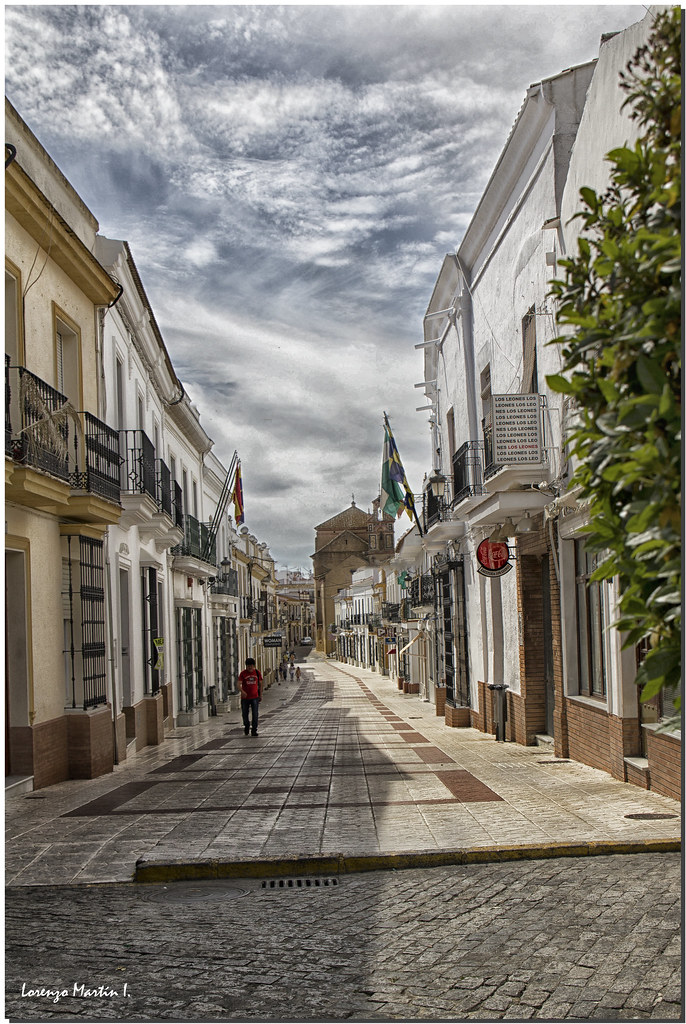
Villanueva de Córdoba does not compete with the places that appear on every tourist poster, and that is part of its appeal. The interest lies less in a single monument and more in the overall feel: the dehesa that surrounds it, the unhurried pace, the ease of conversation with locals.
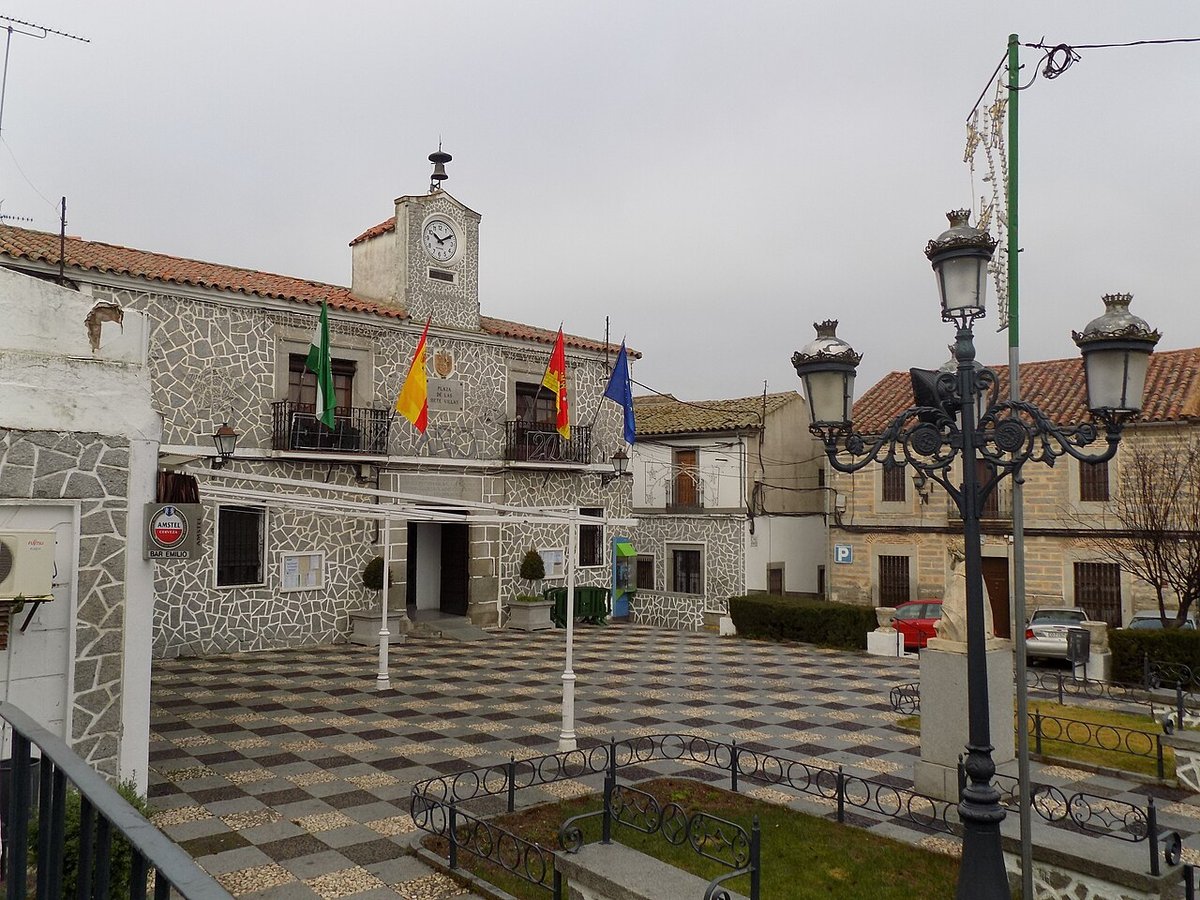
A visit here is best approached without rushing. A walk through the centre leads naturally to the Iglesia de San Miguel, where the wooden floor announces each step. From there, the tracks that circle the town offer a way to see the landscape that shapes everything else. If the air-raid shelter is open, it adds another layer to the story.
After a few hours, a pattern begins to emerge. The town itself is only part of the picture. What really defines Villanueva de Córdoba is what grows around it and, above all, what falls from the holm oaks. Those acorns explain much of the character of Los Pedroches, and they quietly connect the landscape, the animals and the daily life of the place.