Full Article
about Villaralto
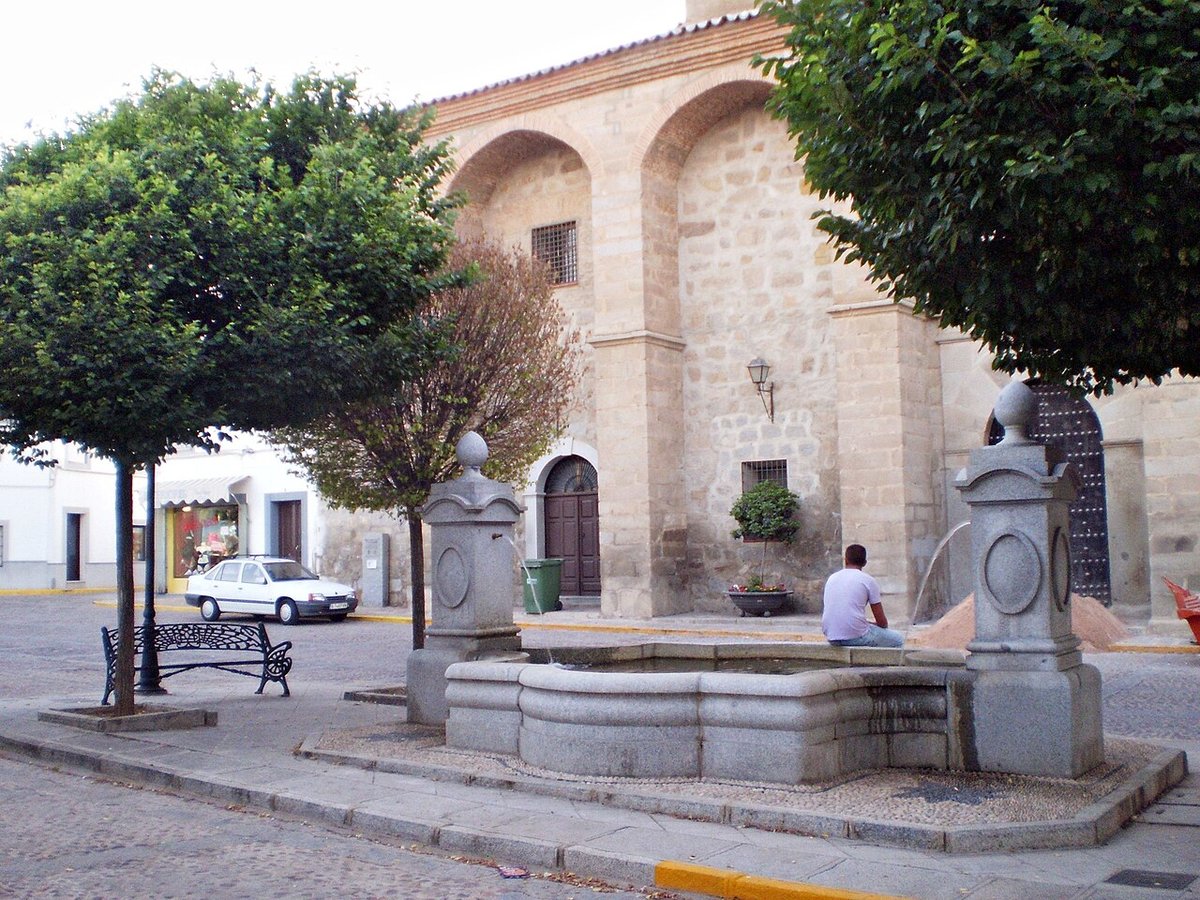
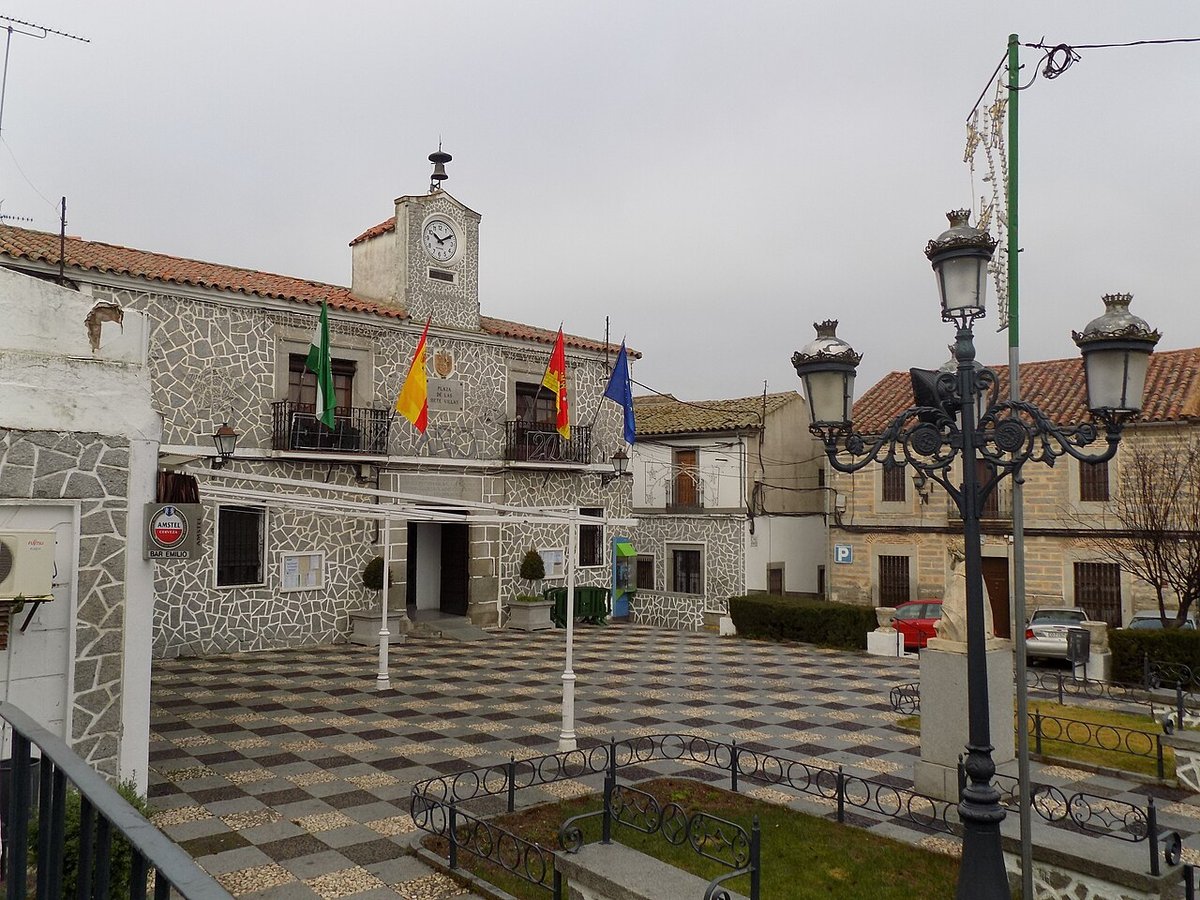
Village known for its many wells with granite curbstones and a church whose tower stands out on the plain of the comarca.
Hide article Read full article
A different kind of stop in Los Pedroches
Tourism in Villaralto does not work like it does in places that circulate widely on Instagram. The rhythm here is closer to visiting a friend who lives in the countryside, where the plan is simple: a walk, a look at the landscape, a bit of conversation, and something good to eat. No rush, no need to organise anything special.
Villaralto sits in the comarca of Los Pedroches, in the north of the province of Córdoba, with a population of around a thousand people. At about 585 metres above sea level, the village is surrounded by dehesa, a traditional Spanish landscape of open woodland used for grazing. Here, the setting matters far more than any individual monument.
A small and steady town centre
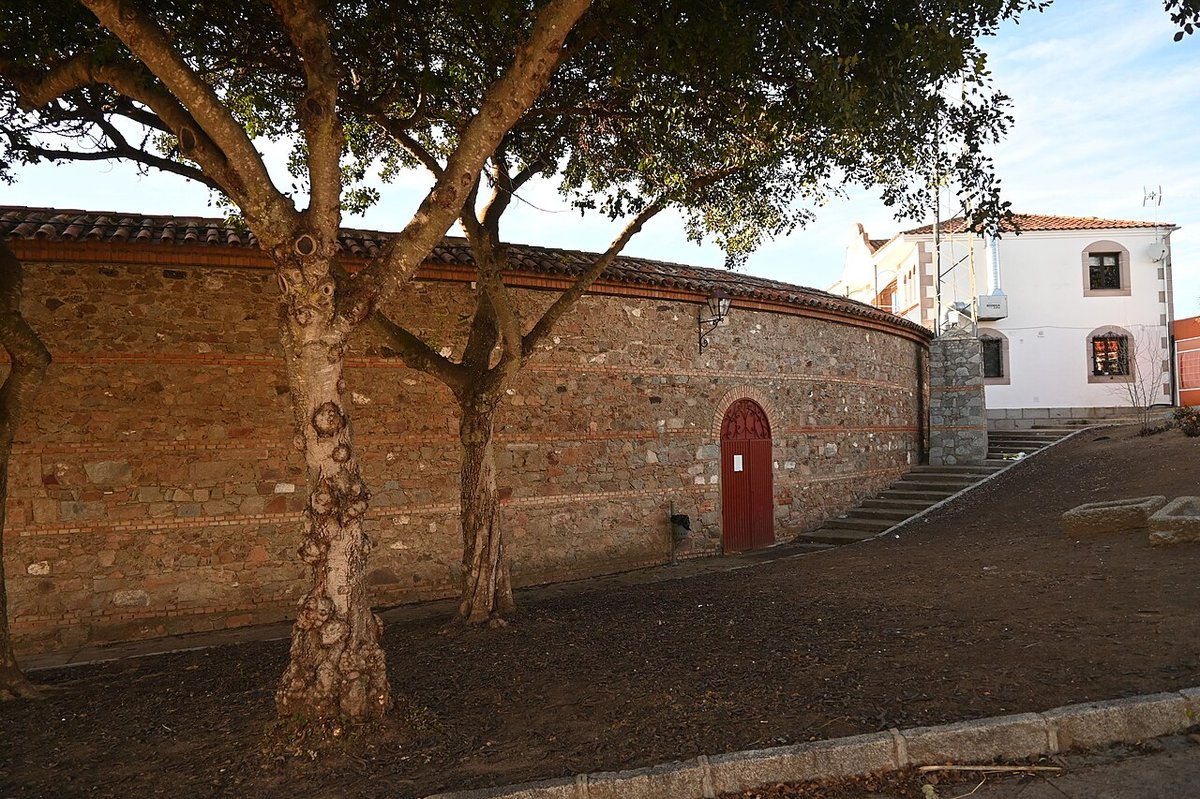
The streets in the centre keep their long-established layout. Whitewashed houses line the way, with iron window grilles and inner patios where potted plants peek over the walls. It is not a monumental historic quarter, yet it has that sense of continuity where daily life still moves along the same streets it has used for generations.
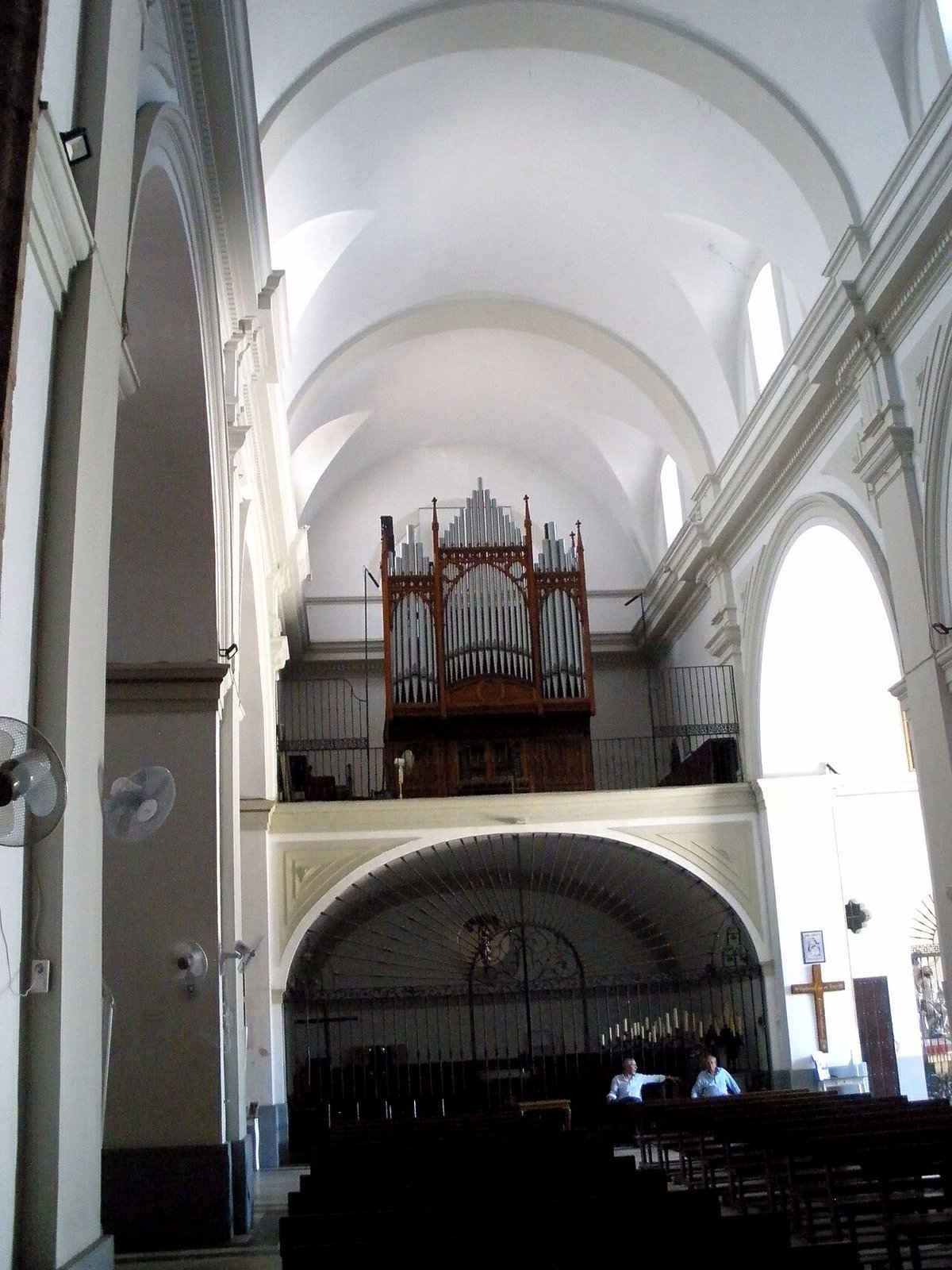
The parish church of the Inmaculada Concepción occupies one of the central spots. The current building dates back several centuries, often placed around the 16th century. From the outside it is quite restrained, much in keeping with many churches in the Córdoba hills. Inside, it holds altarpieces and religious objects that have been there for a long time. Even so, the real interest lies less in a single visit to the church and more in the overall feel of the village.
The dehesa that defines everything
To understand Villaralto, it helps to step beyond the last houses and walk a little. Almost immediately, the landscape opens into the dehesa of Los Pedroches, with holm oaks and chaparros, a type of low oak typical of the area.
At first glance, it can seem simple. Stay a while and more begins to appear. Iberian pigs move among the trees, cows graze slowly, a kite circles overhead, and dry branches shift in the wind. The detail builds gradually, and that is part of the experience.
Livestock farming still plays a central role here, and the Iberian pig is as much a part of the landscape as the trees themselves. It is common to see fenced estates where animals roam fairly freely for much of the year. This is not a staged rural scene but an active working environment that shapes how the area looks and feels.
Easy paths for unhurried walks
There is no need to plan a complex route. From the village itself, rural tracks lead into the dehesa within minutes.
These are flat, straightforward paths, the kind you walk without checking the time. In summer there is dust underfoot; after rain, mud. Along the way, thyme and rosemary grow wild. For those who pay attention to birds, there is usually some movement: kestrels, azure-winged magpies known locally as rabilargos, and hoopoes with their distinctive shape.
What stands out most, though, is how quiet it can be. Walking for a while without encountering anyone is entirely normal. That sense of stillness is part of Villaralto’s appeal.
Food shaped by the land
Cooking in this part of Los Pedroches revolves around what the land provides. Iberian pork features heavily, along with cured sausages and solid, filling dishes that were once prepared to sustain long working days outdoors.
Meat stews are common, as are migas in colder weather, a traditional dish made from breadcrumbs. There are also gazpachos here, often thicker than many expect. Alongside savoury dishes, homemade sweets appear, typically made with honey or nuts and closely tied to family traditions.
It is not a complicated cuisine. It is the kind you understand quickly after trying a couple of dishes, rooted in practicality and local ingredients.
Local life and celebrations
The local calendar tends to revolve around religious celebrations and fairs connected to the countryside. The village’s patron is the Inmaculada Concepción, whose presence is felt throughout the year.
There are also fairs and gatherings linked to agriculture and livestock, which makes sense in a comarca where the countryside still shapes daily life. These events are more oriented towards residents than visitors, and that is reflected in the atmosphere. They feel like part of the village’s routine rather than something staged for outsiders.
Is it worth the visit?
Villaralto is not a place to fill an entire weekend with scheduled visits. In many ways, that is the point.
It works better as a quiet stop while travelling through Los Pedroches. A walk around the village, a short wander into the dehesa, some time spent watching the afternoon pass. Then you leave with a clearer sense of how this region works.
Travel does not always have to be about places that try to impress. Villaralto leans in the opposite direction, and that is precisely what gives it its character.