Full Article
about Vélez-Blanco
Renaissance jewel crowned by an imposing castle; historic-artistic ensemble of great value
Hide article Read full article
A slow morning in the heights
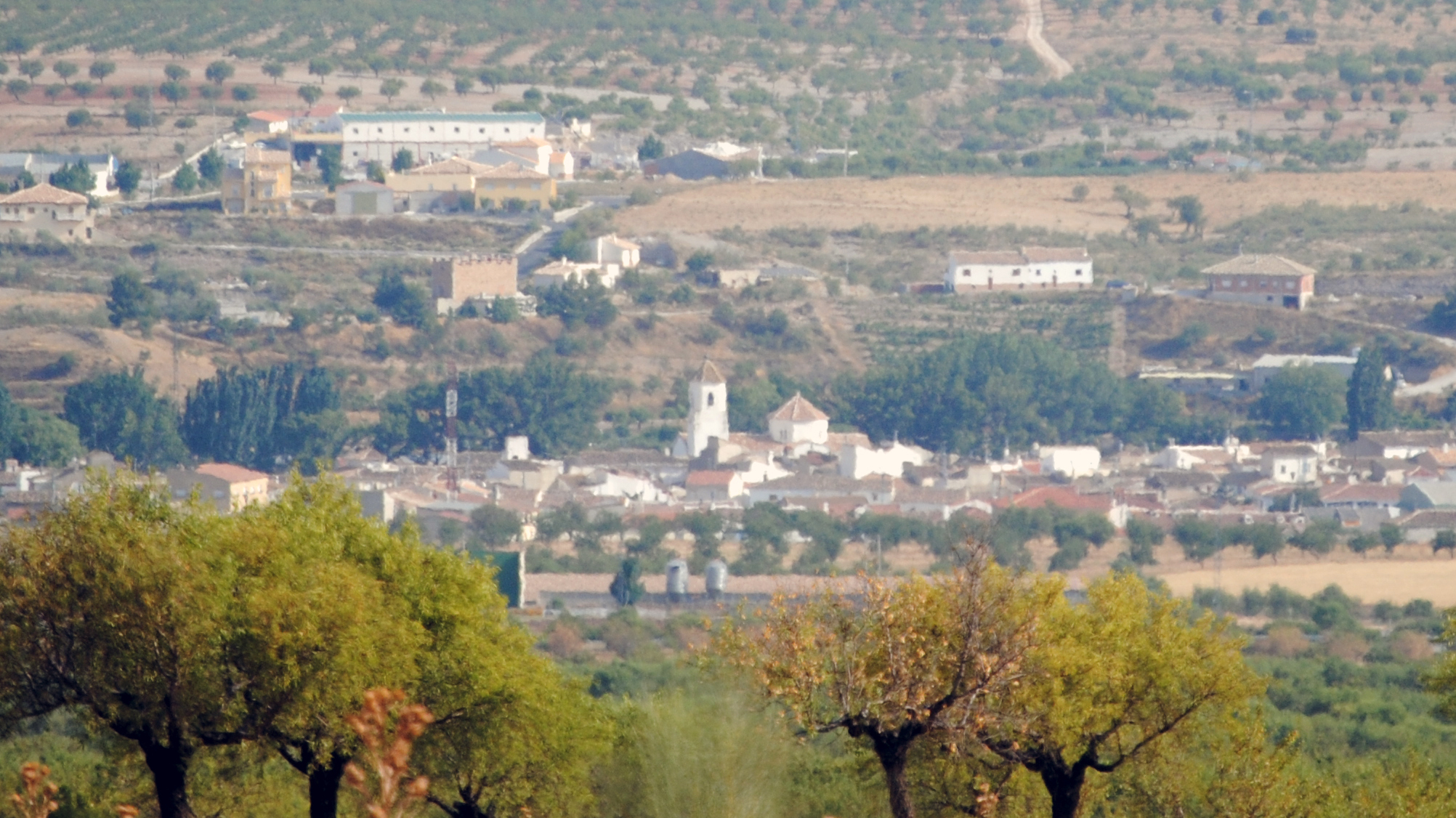
At eight in the morning, in the main square of Vélez-Blanco, the air still carries the smell of fresh bread from a nearby bakery. Shutters lift gradually and the clearest sound is footsteps on the cobbles. Light arrives at an angle, soft enough to make the whitewashed façades almost blend into the sky. That early hour sets the tone for how things work here: calmly, at the pace of a mountain village set more than a thousand metres above sea level, right beside the pine forests of the Sierra de María.
The streets rise and fall in short but steady slopes. White houses, dark iron grilles, the occasional pot of geraniums breaking up the uniform walls. Many doorways still include reused old քարstone and thick wooden doors. When a breeze comes down from the sierra, it slips through the corners and carries dry leaves downhill.
The castle above the valley
The outline of the Castillo de Vélez-Blanco is visible from almost anywhere in the village. It stands at the highest point, where the slope becomes steeper, and walking up requires patience. The climb is continuous, and by mid-morning the sun makes itself felt.
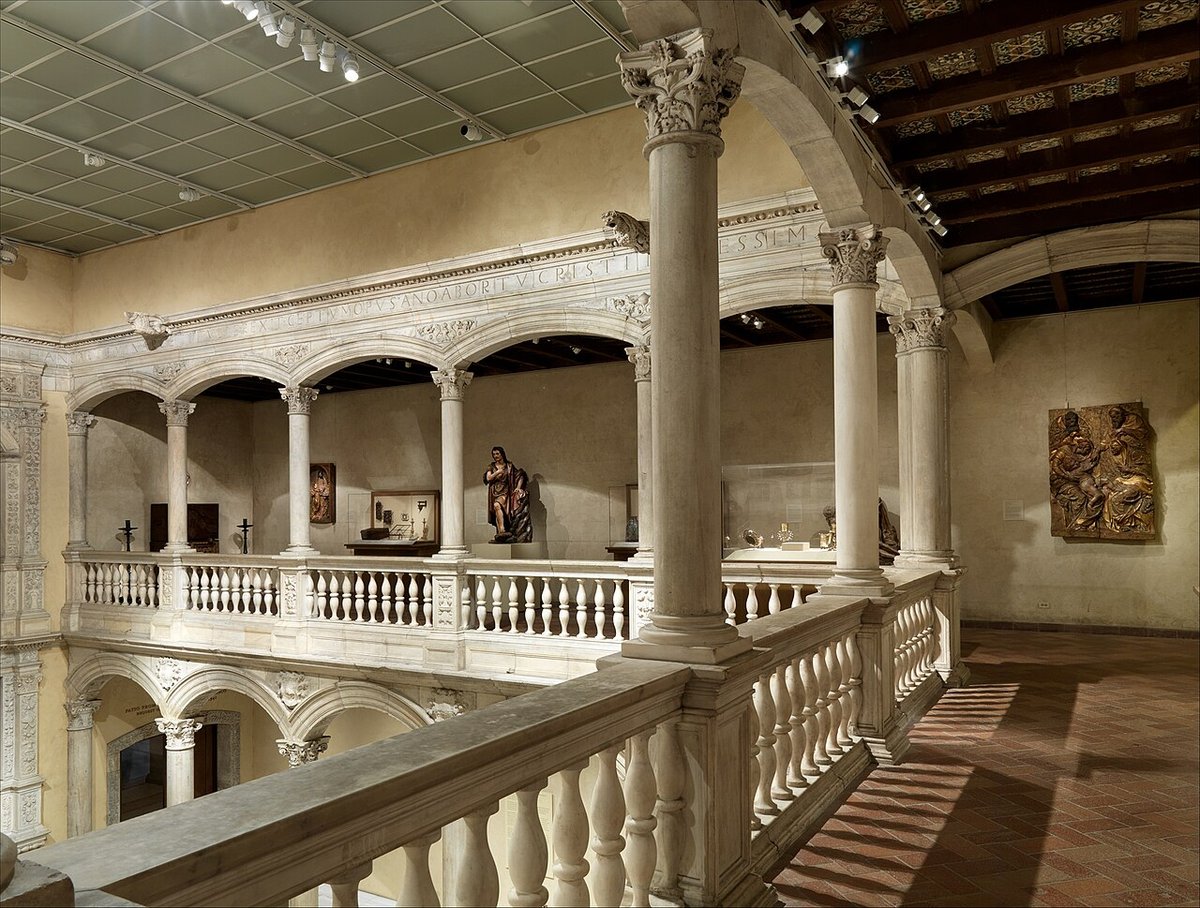
The current fortress dates from the 16th century and keeps a stark appearance, pale stone set sharply against the sky. Its famous Patio de Honor, an elaborate Renaissance courtyard, was dismantled in the early 20th century and ended up in the Metropolitan Museum in New York. What remains here are the walls, the towers and its commanding position over the surrounding region. From the top, the view stretches across a patchwork of dry fields, pine-covered hills and, on clear days, much of the Los Vélez area.
It makes sense to go up early or later in the afternoon. At midday, the stone reflects the heat and the climb feels longer than it looks from below.
The church and the quiet of the old town
The Iglesia de Santiago occupies one of the higher points of the old town. From the outside, it combines brick, stone and sections of whitewash. Inside, traces remain of the Mudéjar tradition that continued after the Christian conquest, a style shaped by Islamic craftsmanship within Christian buildings. It is not an ornate church. Quite the opposite: dark wood, filtered light and the soft echo that fills the space when the door opens.
Around it, the streets narrow considerably. Some barely allow a car through and require careful manoeuvring. If arriving by car, it is usually easier to leave it in the lower part of the village and continue on foot through the centre.
The Cueva de los Letreros and the Indalo
A few kilometres from the village, within the natural park, lies the Cueva de los Letreros. It is not a deep cave but rather a rock shelter carved into the mountainside. On its walls are prehistoric paintings that are among the best known in the province.
One of these figures eventually became the Indalo, a small human-like symbol with raised arms holding an arch over its head. Today it appears on many houses across Almería and has become a kind of emblem of the region.
Access is usually organised through guided visits, and it is worth checking ahead as numbers are limited. The setting itself invites a slower pace: low scrub, pale rock and a clean kind of silence when no one else is around.
Walking the Sierra de María–Los Vélez
Vélez-Blanco sits right next to the Parque Natural Sierra de María–Los Vélez, an area of clear contrasts. Lower slopes are dry and open, while higher ground gives way to dense pine forests. In winter, the air is cold and crisp. In summer, the heat builds through the central hours of the day.
Marked walking routes start from different points within the park. Some loop around rocky formations and old farmsteads known as cortijos. Others climb towards higher summits such as the Pico de María, which rises above two thousand metres. That ascent requires a bit more preparation and attention to the weather, as conditions can change quickly at altitude. In winter, snow or ice is not unusual.
Closer to the village, there are also traces of older rural life: abandoned cortijos, circular threshing floors and water cisterns carved into rock. They offer small clues to how people lived here when the local economy depended almost entirely on agriculture.
Food from the sierra
The cooking in this area is filling and closely tied to the mountain environment. Migas, a dish based on fried breadcrumbs, remain common on colder days, often accompanied by seasonal ingredients or products from traditional pig slaughtering. There are also game stews, especially in winter, and local versions of gazpacho that differ completely from the chilled southern classic. Here it is usually thicker and served hot.
Honey from the sierra and olive oil from the surrounding region are regular parts of the table.
When the village changes pace
For much of the year, Vélez-Blanco is quiet. That shifts during certain dates in the festive calendar. Celebrations linked to Santiago, around mid-summer, fill the square with music and people, and the rhythm of the village briefly becomes something else before settling back into its usual calm.