Full Article
about Vélez-Rubio
Commercial capital of the region; noted for its striking Baroque church and stately architecture.
Hide article Read full article
Morning light on the Castellón
At eight in the morning, mist still clings to the slopes of the Castellón while fresh bread crackles in the hands of people stepping in and out of a bakery on the square. The smell of warm dough mixes with something sweet, closer to honey and almond. Vélez Rubio wakes gently at this hour: half-raised shutters, brief chats at doorways, and cool air drifting down from the sierra even when the day is set to turn hot.
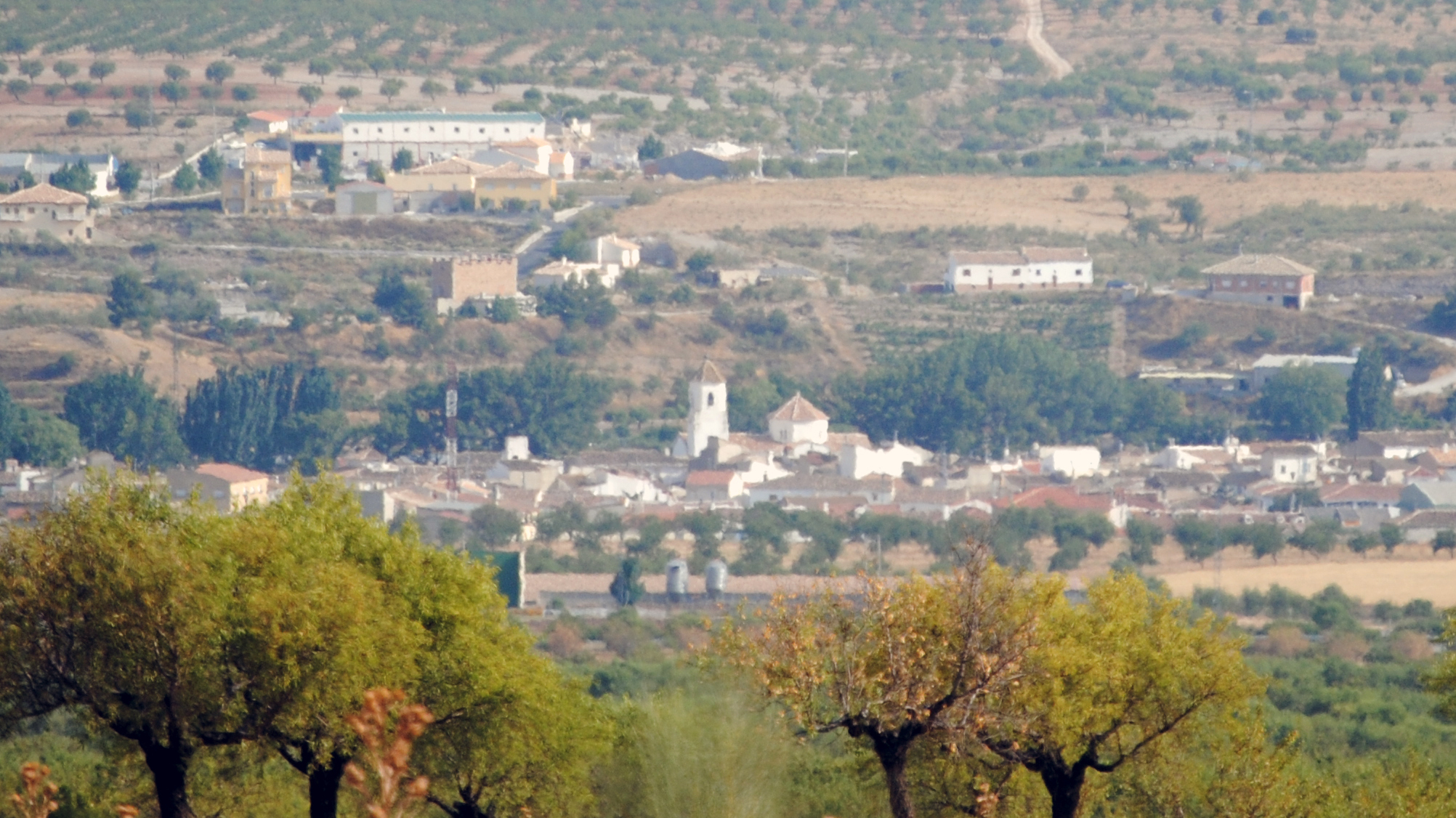
From the viewpoint on Cerro del Castellón, the vega spreads out in greens and ochres that shift with the seasons. The town adjusts itself to the incline as best it can, whitewashed houses seeming to climb the hillside. Below sits the Iglesia de la Encarnación, large, its baroque façade taking on a golden tone at first light. The settlement has Andalusí roots, the old name appears in sources as Ballix or Vélez, and its position explains why it grew here. This was a place to watch over the natural passage between inland areas and the coast.
Echoes of the Marquesado
Walking through the old quarter brings that history into view without much effort. Stone doorways, balconies with heavy ironwork, coats of arms on some façades. For centuries the territory formed part of the Marquesado de los Vélez, and traces of that period remain in the scale of certain houses and the layout of a few streets.
On Calle de la Alborada, a woman sets a chair outside while a breeze passes through that would have faded elsewhere by now. The altitude is noticeable. Midday heat can be intense in summer, yet early and late in the day the air cools again.
Food comes up in conversation with the ease of repetition. Gurullos on properly cold days, olla de trigo for special occasions. There is also gazpacho velezano, served hot here, which can catch visitors off guard if they are expecting the chilled versions found in other parts of Spain. The names stay the same, the way they are eaten changes with the place.
Climbing the Castellón
The walk up to the Castillo del Castellón takes a while on foot if done unhurriedly. It is best to start when the sun has eased off, as there are stretches without shade. At the top are remains of the old fortress and an ancient cistern that still collects water when it rains.
From this height the geography becomes clear: the vega opening towards Murcia, the drier reliefs nearby, and further off the mountains of the Sierra de María. Wind is common up here, and on clear days the sky has that very clean blue typical of higher inland areas.
Days when the town fills up
During Semana Santa, the central streets take on a different rhythm. Processions move along narrow slopes and the sound of drums echoes between the façades. Many residents who live elsewhere return for these days.
August brings another shift with the fiestas patronales, usually concentrated over several days at the start of the month. At night, chairs come out onto the street and conversations run longer than usual. Anyone looking for complete quiet may prefer a different week in summer.
At the end of December there is also a festive day linked to the Día de los Inocentes, a date in Spain associated with jokes and pranks. In Vélez Rubio, humour takes centre stage and the tradition remains very much alive.
The sierra beyond the town
Early morning, before the sun warms the stones, the route of the Fuentes del Pinar offers a good walk among Aleppo pines. The path passes several traditional springs where the water runs cold even in summer. Not all of them flow with the same strength, something normal in mountain areas, but the route keeps that mix of shade, damp air and the scent of resin.
In the alquerías of Redovas, traces of older Andalusí settlements are still visible. Rammed earth walls, irrigation channels, small agricultural terraces that speak of a time when every drop of water mattered. Close by lies the Sierra de María, with higher peaks and a landscape that changes quickly: dense pinewoods, dry ravines, and in winter a touch of snow on the upper ground.
As evening falls back in town, the light slips behind the Castellón and street lamps come on one by one. The square fills again with low voices. At that hour, Vélez Rubio recovers something that goes unnoticed during the day: pauses between conversations, and the cool sierra air drifting down through the streets once more.
When to go
Spring is often a good time for walking in the surrounding area, when the countryside is green and temperatures are still mild. Late summer and early autumn bring a softer heat and a drier, more golden landscape. In July and August the sun is strong at midday, so it makes sense to move around early or towards the evening.