Full Article
about Málaga
Cosmopolitan capital with a rich Phoenician and Roman history, birthplace of Picasso and a vibrant cultural hub with world-class museums.
Hide article Read full article
Málaga is that friend who's always more interesting than they seem
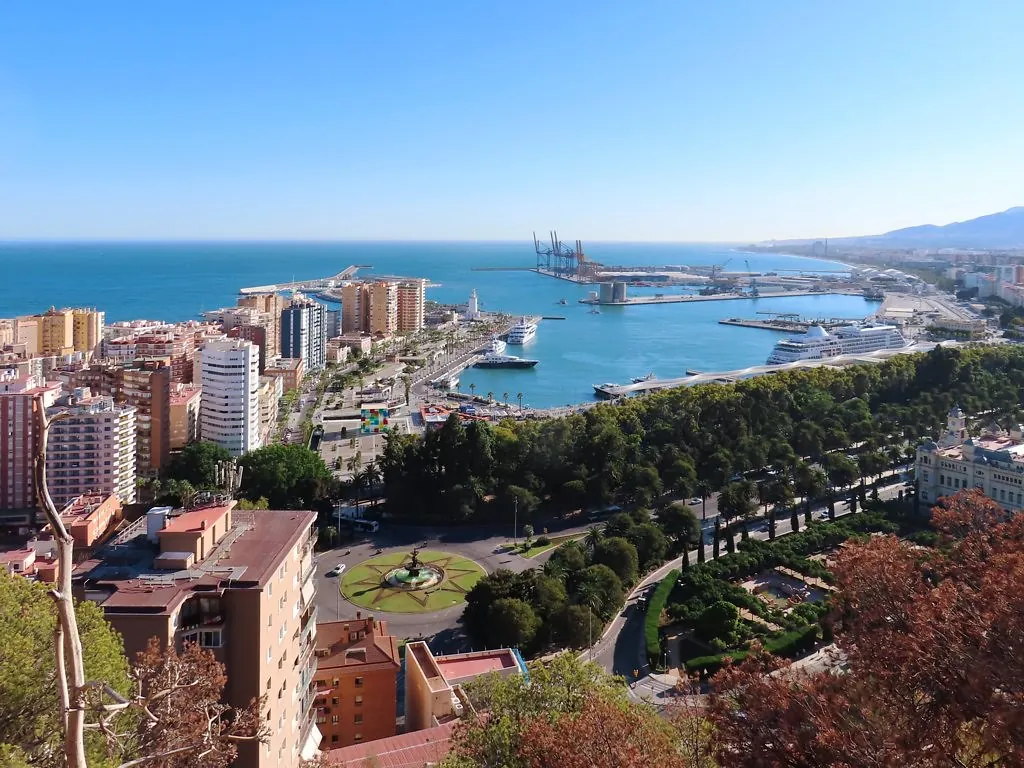
You know how some places get a reputation and just roll with it? Málaga could have done that. Beach, sun, airport. Easy. But it doesn't. The moment you walk from the station toward the sea, you feel it. The air smells like salt and fried fish, not sunscreen. There are people heading to work, not just to the beach. It feels like a city that happens to have a coast, not the other way around.
My first stop is always for espetos. Those sardines skewered on a cane and grilled over a boat of sand. It’s not fancy food. It’s smoky, a bit charred, and you eat it with your fingers. That’s the tone here. Things are straightforward.
The centre has layers, like an onion you don't mind peeling
The old town doesn't hit you with grandeur all at once. You wander down a normal shopping street and suddenly there's a Roman theatre tucked into the hill, with people sitting on the ancient steps eating ice cream. Right above it is the Alcazaba. Calling it a fortress feels too stiff; it's more like a layered garden with walls and ridiculous views over the rooftops to the port. You instantly get why they built it here.
Then there's the Cathedral, La Manquita. The "one-armed lady." One tower is finished, the other looks like they just stopped halfway through lunch and never came back. I've heard three different stories about why. The point is, it's lopsided. It has character because of a flaw.
Museums pop up when you least expect them. The Picasso Museum is in a old palace that feels lived-in, not like a sterile gallery. It shows his work from start to finish, and you leave feeling like you got the gist without being overwhelmed. It’s manageable.
You eat well by following your nose
Forget complex tasting menus. Food in Málaga speaks clearly.
Take ajoblanco. It looks like a plain white soup. Then you taste it: cold, garlicky, with ground almonds and grapes floating in it. It’s weirdly refreshing on a hot day.
Porra antequerana is its thicker, more serious cousin. It’s basically a tomato-and-bread dip so dense your spoon could stand up in it. You spread it on toast or just eat it with a fork.
And then there are the berenjenas con miel de caña – fried aubergine with sugarcane molasses. Sounds wrong, tastes completely right. Sweet and savoury in a way that makes you order a second plate.
Festivals here take over the streets
They don't do quiet contemplation in corners during Semana Santa here. They do brass bands, massive floats called tronos that inch through crowds, and an atmosphere that’s more communal than solemn.
Come August, the Feria changes the gear entirely. By day, horse carriages clip-clop past women in flamenco dresses in the centre. By night, everyone heads to the fairground for the casetas, which are less private tents and more open-sided parties where you can just wander in.
But my favourite is Noche de San Juan on the beach. Families grill sardines on tiny BBQs at midnight, friends jump over bonfires for luck, and by dawn your shoes are full of sand and your hair smells of woodsmoke for days.
Getting out of town is easier than you think
You can be in a different world within an hour.
The Caminito del Rey used to be terrifying – a crumbling walkway pinned to a cliff face. Now it’s safe, but don’t think that means tame. You’re still walking along sheer rock with a river gorge far below your feet. It’s spectacular in the true sense of the word.
Head east into the Axarquía and you're in raisin country.Villages like Moclinejo cling to hillsides covered in vines.When I was last there,in September,the paseras were out – flat stone terraces where grapes dry into moscatel raisins under the sun.It smells sweet and dusty.If you want to walk it off,the Gran Senda de Málga is a long-distance path broken into stages.Locals often do just one section as a solid day hike.
A couple of things I learned
Trying to see everything in Málaga misses the point.It's better to pick a neighbourhood and let things happen.Get up early and see the market being set up.Have lunch where you see handwritten chalkboards.Midday on the eastern beaches like Pedregalejo has its own slow rhythm.
Summer,in July and August,brings a different energy.It's busier,louder,and hotter.April or October show you a calmer version of exactly same streets.The light is softer,and you can actually get a seat at that bar with good espetos