Full Article
about Gádor
Orange-growing town of the Lower Andarax; citrus farming meets cement industry.
Hide article Read full article
A village that faces the valley
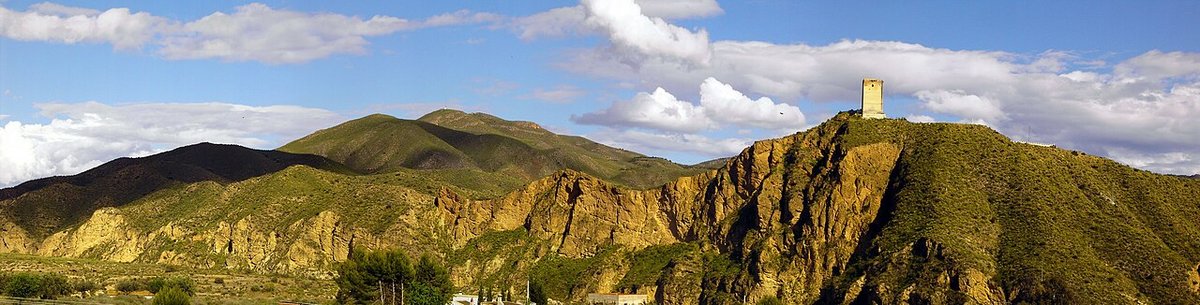
At six in the evening, February light turns the orange groves copper across the Andarax valley, spread like an uneven blanket. From the road coming from Almería, Gádor appears almost all at once: a patchwork of white houses clinging to the hillside, with the Castillejo crowning the top of the hill. After rain, the air carries the smell of damp earth. On some late winter days, the scent of orange blossom begins to drift in from the orchards.
Gádor sits within the Metropolitan area of Almería and lives oriented towards the valley. It is not a place shaped around visitors. It remains an agricultural town that functions as such, with tractors moving in and out and irrigation channels still setting the pace of the fields.
The sound of water and daily life
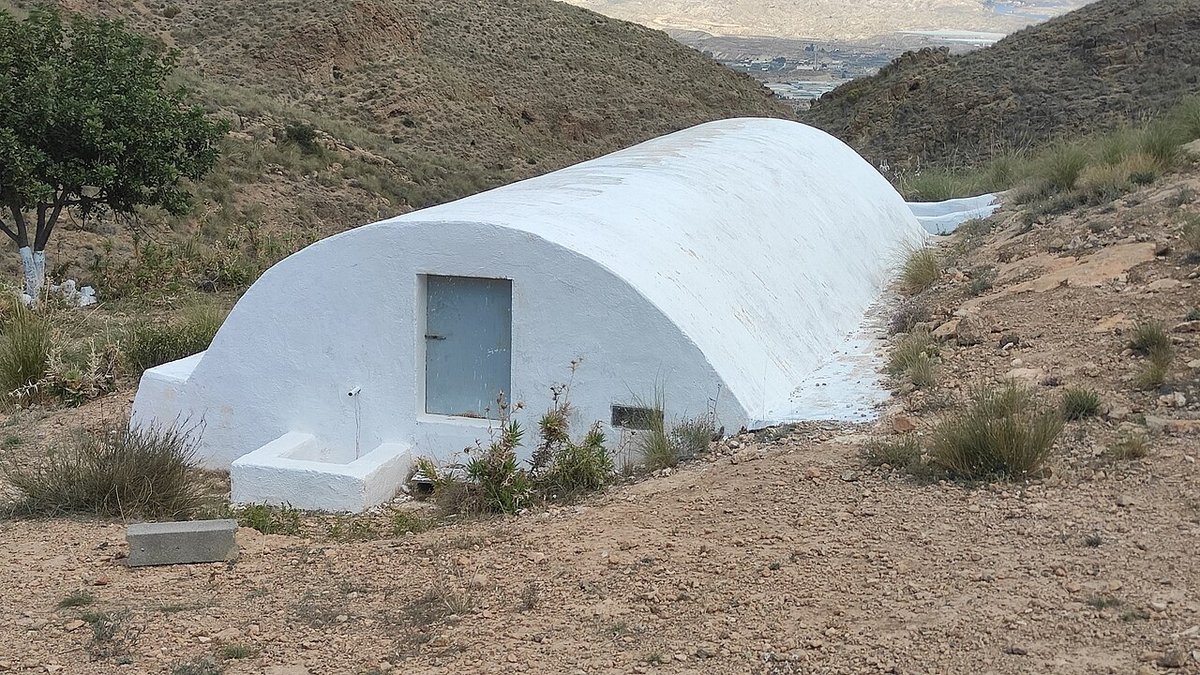
Water runs through Gádor in a very literal way. The acequias, traditional irrigation channels, still follow routes organised during the Andalusí period to distribute water from the Andarax across the farmland. Walk near the crops and there is a constant background of water stepping down through levels, sometimes blending with blackbirds and, at intervals, the hum of an irrigation pump.
During the driest months, small controlled burns appear along the edges of plots to clear stubble. Smoke rises slowly and leaves a rough, earthy smell that belongs to working land.
Calle Ancha offers a clear sense of the town’s daily rhythm. A rug is shaken from a balcony, a conversation stretches from one pavement to the other, children leave school with backpacks that seem almost too large for them. There are no shop windows designed for a weekend crowd. Instead, there are long-established bars, half-lowered shutters during siesta hours, and neighbours who know each other by name.
Layers in the Sierra de Gádor
The Sierra de Gádor holds traces of different periods, although they are not always clearly marked. Near the hill of Quinciliana, archaeological remains have been identified that some researchers link to settlements from late antiquity or the Byzantine period. On the ground, what can be seen today is mostly scattered stones and sections of wall partly hidden by scrub.
The marks left by mining are easier to recognise. During the 19th century, the sierra experienced intense mineral extraction, especially lead and also sulphur, which drew workers to the area. Openings to old galleries remain on the slopes, along with abandoned structures and the faint lines of former mining paths. Many of these entrances are closed or unstable, so it is best to view them from the outside rather than attempt to go in.
Among older residents, stories from those harsher years in the sierra still circulate: accidents, low wages, and a way of life far removed from what is seen today in the cultivated valley below.
February, Candelaria and the smell of baking
Gádor shifts its rhythm in early February during the celebrations of the Virgen de la Candelaria. The image is brought down from the hill and the town fills with activity from early in the day.
Many homes prepare hornazos de aceite, round breads with a boiled egg set in the centre. Torta frita and other sweets also appear, eaten warm and often with the hands. The streets take on a mix of scents: wax, rosemary, and freshly baked dough.
Autumn brings the festivities of the Virgen del Rosario. By then the valley has changed colour, the afternoons feel softer, and in the yards the bleating of young goats can be heard while the land prepares for winter.
In many houses, cooking remains closely tied to the local landscape. Dishes such as rabbit with heavily browned garlic or slow stews that spend hours over the heat continue to be part of everyday food.
The Castillejo at day’s end
The climb to the Castillejo makes most sense towards the end of the day, when the heat begins to ease. The stones have absorbed hours of sun and release a dry warmth typical of inland Almería.
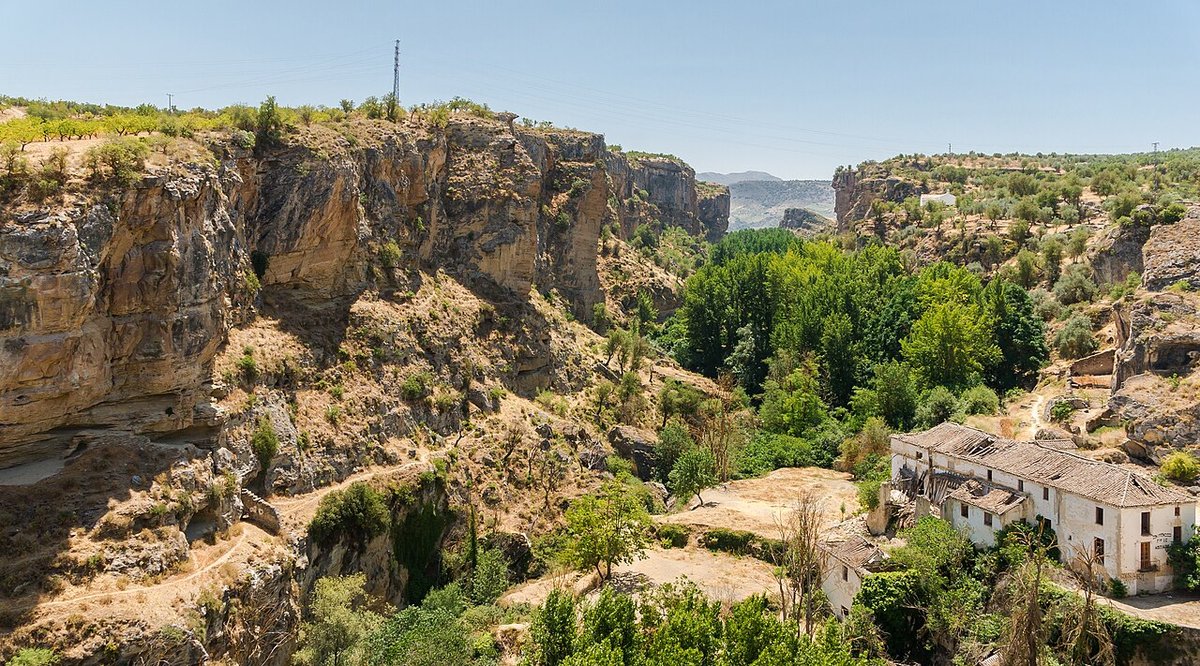
What remains of the old fortification is mainly sections of rammed-earth wall and outlines that suggest the shape of the enclosure. The setting around it matters as much as the structure itself. From the top, the Bajo Andarax opens out fully. Agricultural plots appear carefully drawn, the river winds through vegetation, and further away the pale shine of some greenhouses becomes visible.
When wind comes down from the sierra, it carries the scent of thyme and low scrub. In the distance, the sound of a tractor may still be heard working while daylight lasts.
Walking the valley and its edges
The surroundings of Gádor include agricultural tracks and paths that lead into the sierra. Some locals speak of small pools known as the Baños de la Reina, linked to older stories from the area. They are not always signposted, so asking in the town is advisable if you want to find them.
Anyone heading out on foot should carry water, even on days that seem mild. The sun here can quickly change character, and in the sierra there are long stretches without shade.
A note on the climate
Summer heat in the Andarax valley is dry and can easily exceed 35°C in July and August. Conditions can feel intense, especially in open areas exposed to the sun.