Full Article
about Huércal de Almería
A residential and industrial municipality next to the capital; it still has areas of traditional irrigated farmland and farmhouses.
Ocultar artículo Leer artículo completo
The market stalls arrive before dawn. By eight o’clock on a Monday the main streets are grid-locked with white vans, cardboard boxes of peppers and awnings the colour of over-ripe tomatoes. It feels like someone has transplanted a slice of urban Madrid onto a grid of low, whitewashed houses. This is Huércal de Almería: not a postcard pueblo but a working town that happens to have a church ceiling worth crossing the province for and a climate that turns every shadow into prime real estate.
A town that forgot to be picturesque
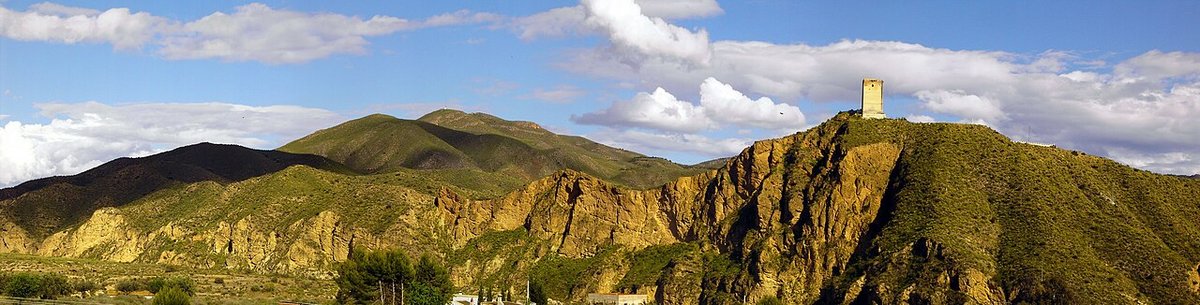
Most visitors race straight past the slip-road, bound for the postcard villages of the Alpujarras or the sand-dunes of Cabo de Gata. They expect olive groves and geraniums; instead they get solar-panel fields, plastic-greenhouse shimmer on the horizon and a population of 18,500 who shop, commute and argue in Spanish at full volume. Huércal sits 94 m above sea level on the semi-arid plain, eight kilometres from Almería city and light-years from the marketing brochures. The surrounding landscape is scrubby ramblas (dry river gullies), almond terraces and the occasional cortijo whose walls look baked into the earth. Come after rain—rare but not impossible—and the scent of wet thyme drifts across the road. Come in July and the thermometer will lick 40 °C before lunchtime; even the geckos look exhausted.
What to do when there are no sights
Start with the Iglesia de la Inmaculada Concepción on Plaza Nueva. From the outside it is a modest sandstone box, but step inside and a Mudejar timber roof, all interlaced triangles and caramel-coloured pine, hovers above the nave like an upside-down ship’s hull. The ceiling was restored in 2019 and still smells of sawdust and incense. Mass times are posted on the door; slip in between services and the sacristan will usually let you look around if you leave a euro in the box.
After that, follow the market noise. Stalls snake through Calle Ancha and Calle Granada: pyramids of artichokes, buckets of olives the size of squash balls, hams clamped in wooden stands while the vendor shaves off translucent slices. Prices are scrawled in felt-tip—three euros a kilo for the broad beans, five for the manchego wedge. Bring cash; the card machine is still a novelty here. By 13:30 the awnings come down and the streets are hosed clean, so time a visit for late morning if you want the full theatre.
When the shutters clatter up again at 17:30 (18:00 in summer) the town reverts to domestic routine. Grandmothers perch on plastic chairs outside their front doors; teenagers circle the square on bikes. There is no tourist office, no hop-on bus, no flamenco tablao. Instead you join the paseo: walk the length of Avenida de Andalucía, buy a 90-cent café con leche in a glass from Bar Central, and listen to the click of dominoes on the back table.
Eating without the fanfare
Huércal’s restaurants are built for appetite, not Instagram. Casa Rafael on Calle San Sebastián is part wedding venue, part neighbourhood canteen; British residents come for the proper chips, Spaniards for the grilled octopus. The menú del día runs to €12–14: garlic soup, pork fillet and chips, a quarter-bottle of house wine included. If you are self-catering, the Monday market doubles as grocery run—buy a crusty barra, a fist of Manchego and a punnet of loquats, then head for the picnic tables in the small park behind the health centre. In winter, locals cook migas—fried breadcrumbs laced with chorizo and grapes—on rainy days. You will not find it on a board; ask at Bar Los Amigos if the sky looks threatening.
Walking where the rain does not reach
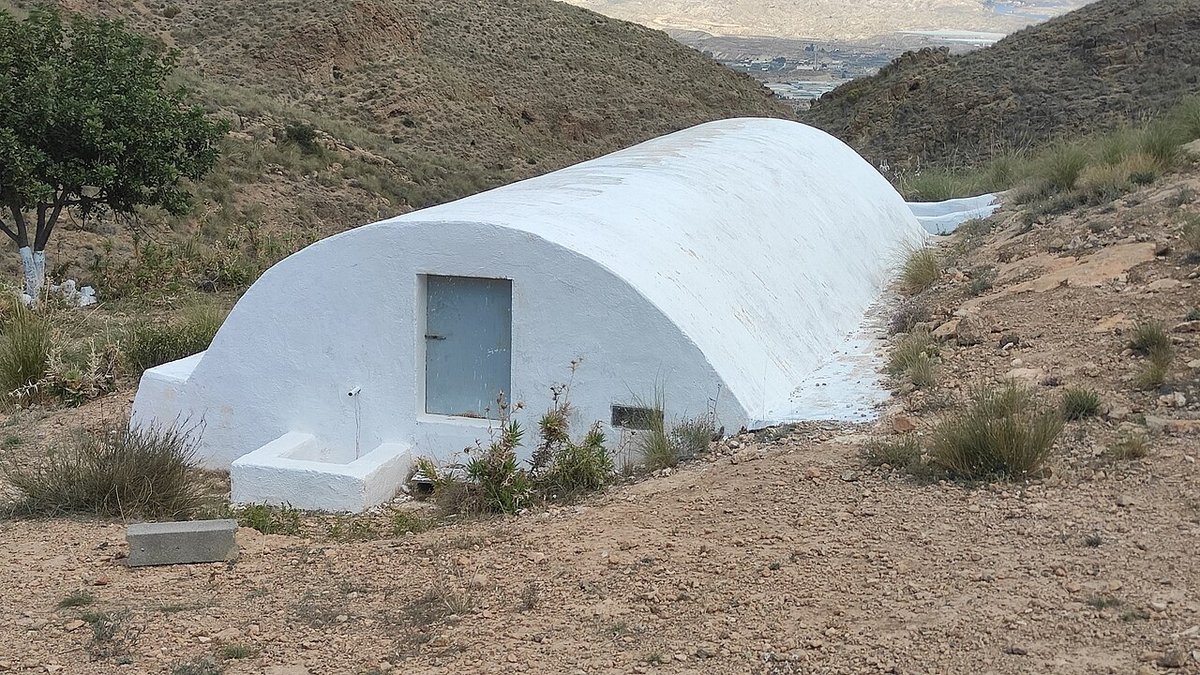
The town edges straight into countryside. A 45-minute loop heads south-east along the rambla, past abandoned farmhouses and greenhouses where tomatoes ripen in perlite. The path is flat, stony and shade-free; take water, a hat and SPF even in February. For something hillier, drive ten minutes to the foothills of the Sierra de Gádor. A track signed “Cerro de San Cristóbal” climbs 350 m through rosemary and discarded almond shells; the summit gives a straight-line view across the plastic sea to the Cabo de Gata lighthouse. In summer, start at sunrise; by 09:00 the rock radiates heat like a storage heater in reverse.
Winter is gentler—daytime 18 °C, nights 7 °C—but many rental flats lack central heating. Pack layers and expect to see your breath indoors at dawn. The plus side is silence: you can have the trails to yourself apart from the odd goat herd.
When the town lets its hair down
Fiestas here are for neighbours, not tour operators. The big date is 8 December, Día de la Inmaculada: a procession carries the Virgin around the square while a brass band competes with fireworks that sound like faulty scaffolding. In mid-August the place throws a week-long summer party: foam cannon for the kids, late-night disco on the fairground, and a paella pan wide enough to bathe a toddler. Visitors are welcome but there are no bilingual programmes; simply stand where the crowd thickens and follow the flow. Semana Santa is low-key—three processions, no national television—and Cruces de Mayo in early May drapes the alleyways with paper flowers and temporary bars selling chilled fino for a euro a glass.
Getting here, staying sane
Almería airport is 20 minutes away by car; EasyJet flies direct from London-Gatwick three times a week in summer. If the fares are brutal, Alicante is a fallback—ALSA coaches run to Almería city in 3 h 40 min, then local bus 20 reaches Huércal in fifteen minutes. Car hire unlocks the region: the Cabo de Gata beaches are 35 minutes south, the city’s Alcazaba fortress ten minutes west. Without wheels you are hostage to a bus that winds down on Sundays and stops altogether on Christmas Day.
Monday market blocks every central street from 07:00 to 14:00. Arrive before ten or use the sign-posted aparcamiento on the ring-road; after that you will be circling like a vulture. Do not confuse Huércal de Almería with Huércal-Overa, 70 km up the A-7; sat-navs routinely send bewildered motorists to the wrong church. And carry cash—cards are still regarded with suspicion in the bread queue.
Worth it?
Huércal will not change your life. It offers no cliff-top castle, no artisanal gelato, no boutique hotel with rooftop infinity pool. What it does give is a slice of daily Andalucía minus the selfie sticks: a ceiling worth craning your neck for, a market that smells of soil and sea salt, and a bar where the coffee price has not moved since 2019. Stay a night, stock up on almonds, then head for the coast. Or simply time your visit so you are back in Almería city before siesta hour ends and the sun reasserts its authority.