Full Article
about Viator
Municipality tied to the Legion’s military base; close to the capital and a transport hub.
Ocultar artículo Leer artículo completo
The 07:43 commuter train from Viator to Almería carries only three carriages, yet on weekdays every seat is taken by airport staff in neon vests and sixth-formers clutching coursework folders. Five minutes later the carriage windows frame nothing but plastic-greenhouses stretching to the horizon, a sight that makes first-time visitors wonder whether they’ve alighted in the right Spain at all. This is the western edge of the Campo de Dalías, Europe’s winter salad bowl, and the village that services it is functional, flat and almost entirely ignored by the guidebooks.
A Grid That Predates the Guidebooks
Viator’s main drag, Avenida de los Juegos del Mediterráneo, was laid out in the 1960s when planners assumed everyone would drive. Pavements are wide enough for two abreast, yet most pedestrians still walk in the cycle lane because it’s smoother. The architecture is concrete-rendered and sun-bleached, painted in the municipal palette of ochre and dusty rose that Andalucía reserves for places nobody photographs. There is no mirador, no horseshoe arch, no geranium-draped balcony—just low-rise apartment blocks whose ground floors host bargain bakeries, a driving school and a Chinese bazar that sells everything from hamster cages to flamenco fans.
Turn off the avenue, however, and the scale shrinks to human. Calle Ancha narrows to the width of a single lorry; residents pull metal bistro chairs onto the tarmac at dusk and talk across the street without raising their voices. The oldest houses still have the original barley-sugar chimneys designed for cooking with grape-vine cuttings. If you smell burning wood at midday in July, someone is grilling sardines the old way—outdoors, over embers, before the sun climbs too high.
One Church, One Bar, One Square
The guide-length version of Viator fits into a single block. The sixteenth-century Iglesia de Nuestra Señora de las Angustias dominates a pocket-handkerchief plaza paved with local marble so pale it reflects heat like a mirror. The bar on the corner, Casa Paco, opens at 06:30 for field-workers and does not close until the television finishes broadcasting the late-night lottery. Order a café con leche and you receive a glass cup sitting in a metal holder, the sort British Rail retired in 1988. Stay for a second drink and the barman brings a complimentary choto al ajillo—lamb braised in gentle garlic, closer to Lancashire hotpot than anything Mediterranean. Locals treat the place like their living room: toddlers weave between tables, grandfathers play dominoes with the volume turned resolutely up.
Sunday mass still sets the weekly rhythm. At 11:00 the church bell rings twice; by 11:15 the square is impassable for pushchairs. After the priest intones the final blessing, worshippers cross the road to the bakery and buy a rosca de pan the size of a steering wheel. It will be stale by Tuesday, so halves are sliced and frozen—practicality over romance, every time.
Where the Sea Meets Plastic
Viator sits 95 m above sea level on an alluvial plain carved by the Andarax river. You cannot see the Mediterranean until you drive three kilometres south-east, yet the village smells of salt whenever the levante wind blows. In the 1970s growers replaced vines with greenhouse plastic; now the coast works as a climatic safety valve. On August afternoons when the mercury nudges 42 °C, residents pack cool-bags and head for Playa de Costacabana, ten minutes by car, where the sand is greyish but the water shallow enough for non-swimmers. They return at sunset, skin tight with salt, just in time for the square to fill and the temperature to drop ten degrees in as many minutes.
Winter is the secret season. January daytime highs hover round 17 °C, ideal for the flat agricultural paths that radiate from the cemetery. Walk south along the rambla and you pass lemon trees weighed down with fruit the colour of Sainsbury’s bags. Plastic crackles like distant fire as farmers vent their tunnels; the sound mixes with church bells and the occasional Ryanair 737 descending into Almería. It is neither pastoral nor industrial—just the soundtrack of Europe feeding itself.
Sausage Queue Economics
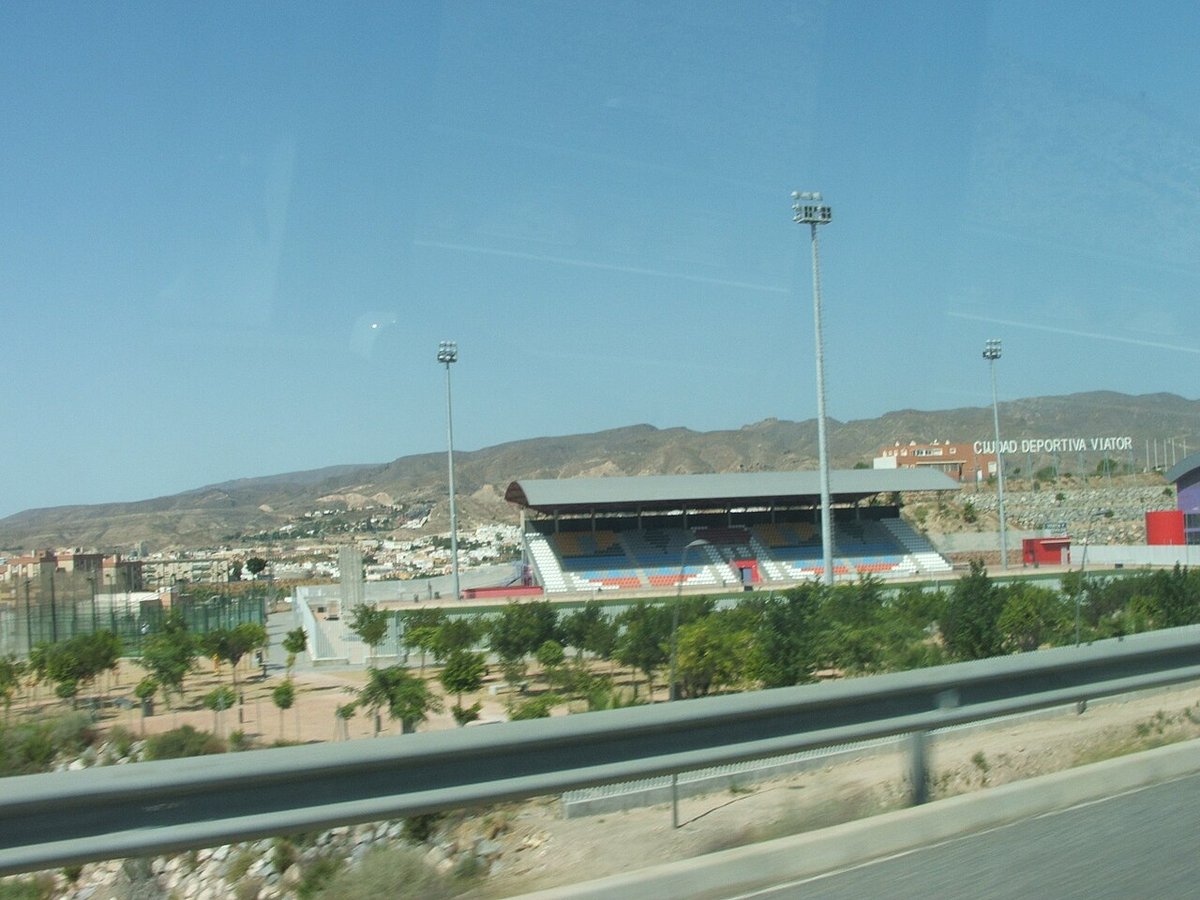
The annual Fiesta de la Longaniza, held every second Sunday in October, is the only day the village feels crowded. Coaches from Murcia and Granada disgorge day-trippers who queue 40 minutes for a £1.50 roll stuffed with local pork sausage spiced with clove and pepper. Arrive before 10:30 and you can watch the butchers link the sausages in one continuous 300-metre chain; by 13:00 it has all been grilled and sold. The British motor-homers who overnight in the free aire behind the sports pavilion treat the event like a free brunch, then escape to the coast before the brass-band starts tuning.
For the rest of the year gastronomy is modest. Lunch menus del día cost €9–11 and consist of soup thick enough to stand a spoon in, followed by pork shoulder and a slab of flan. Vegetarians get migas—fried breadcrumbs with garlic and grapes that taste like stuffing rescued from Christmas. Pudding is usually borrachillos, finger-sized sponges soaked in rum and sugar, best approached after sharing a carafe.
Last Train, Last Call
Practicalities are straightforward but tilted toward the Spanish timetable. The airport bus does not serve Viator; a taxi on the meter is €17 if you insist on “tarifa oficial”, €25 if you look too tired to argue. The village train station has no staff after 14:00; buy your return ticket to Almería immediately or carry enough coins for the solitary machine. There is no ATM in the centre—the nearest is inside the Repsol garage on the ring-road, a twelve-minute walk past ranks of greenhouse contractors’ vans.
Stay the night and you will discover why Spaniads use Viator as a verb: “voy a viator” means “I’m off to bed early before an early flight.” The Hotel Torreluz annex has 32 identical rooms overlooking a lettuce packing plant; double rates drop to €45 once airline crews have block-booked their quota. Walls are thin enough to learn the departure times of every Gatwick flight without opening the curtains.
Worth the Detour?
Viator will never compete with the hill-top hamlets that clutter Instagram. It offers no castle, no craft market, no sunset selfie point. What it does provide is a five-minute lesson in how most southern Spaniards actually live: between plastic and sea, church and field, working to a timetable that long-haul visitors rarely notice. Drop in on your way to the Cabo de Gata beaches or the Alcazaba fortress, linger over a second coffee, then leave before the bell tolls again. The village will not mind— it has planes to unload and lettuces to pack, and the 07:43 train waits for no one.