Full Article
about Jaén
Provincial capital at the foot of Cerro de Santa Catalina; noted for its Renaissance cathedral and olive oil production.
Hide article Read full article
A city that smells of oil and warm stone
Jaén sits more than five hundred metres above sea level, and it does not match the usual image many people have of an Andalusian capital. There is no sea breeze and no dominant scent of orange blossom. Instead, the air carries something earthier: freshly pressed olive oil and sun-warmed stone.
That identity is no coincidence. The surrounding province stretches out in waves of olive groves as far as the eye can see, and the city feels shaped by that landscape. It is present in the smell, the light, and the rhythm of daily life.
A capital that slips under the radar
Jaén is often overlooked. With more than one hundred thousand inhabitants and its status as a provincial capital, it still tends to be passed by on routes between Granada and Córdoba.
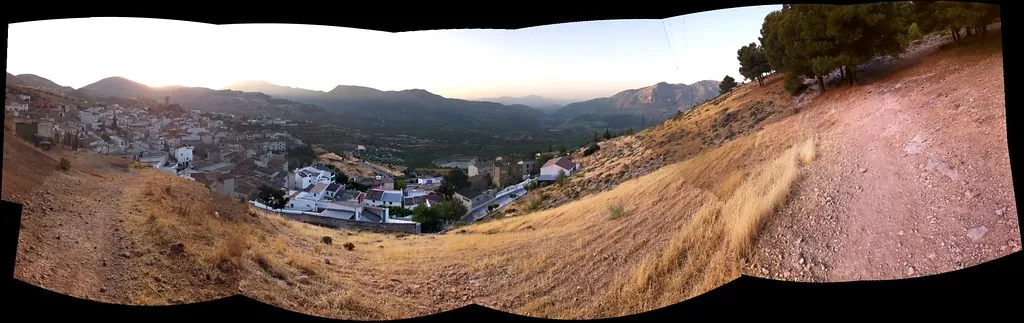
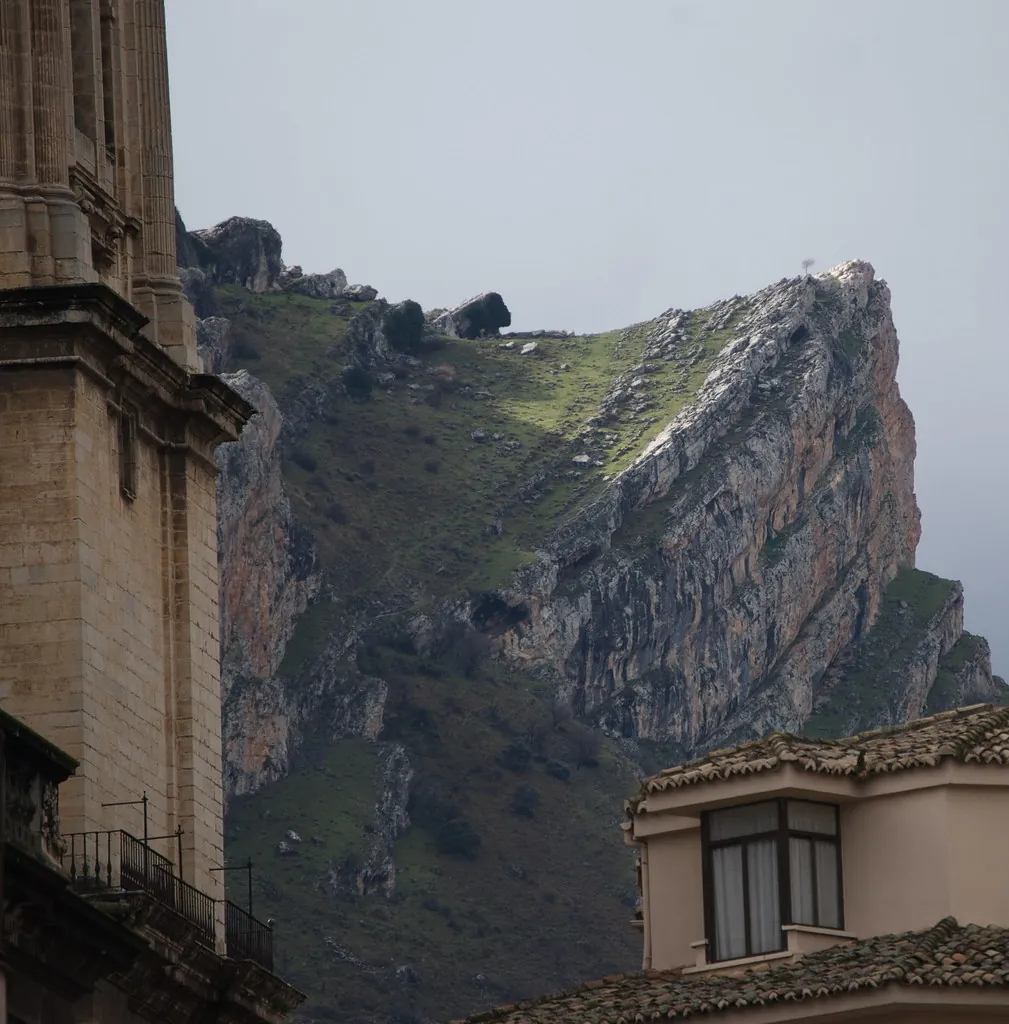
That is surprising, because there is plenty here. The cathedral dominates the skyline of the old town, with the kind of solid, imposing presence that comes from a building constructed over generations. Around it, the historic centre clings to the hillside. Streets rise and fall in quick succession, creating a layout that feels anything but flat.
The climb to the Castillo de Santa Catalina makes that clear. What might seem like a gentle walk soon turns into a steady sequence of uphill stretches. At the top, the effort makes sense. The view opens out across the whole city: pale rooftops, the cathedral anchoring the centre, and beyond it all, an expanse of olive groves reaching towards distant hills. It is the kind of viewpoint that helps place everything in context.
History beneath the surface
The cathedral is one of the city’s defining landmarks. Its interior is vast, with a strong Renaissance character and a sense of order and symmetry. The design feels deliberate, aiming to impress without excessive decoration. Construction began in the 16th century on the site of the former main mosque, something that appears in many Andalusian cities. The long building process brought together different phases and styles, yet the final result remains cohesive.
Even so, one of the most striking places in Jaén lies underground.
The Arab Baths beneath the Palacio de Villardompardo often catch visitors off guard. They are far larger than expected for something hidden in the centre of the city. Inside, vaulted rooms stretch out under low ceilings punctuated by star-shaped skylights. Light filters through these openings, creating a calm and slightly otherworldly atmosphere. Walking through the spaces, it is easy to imagine how they functioned nearly a thousand years ago.
Eating in Jaén: where olive oil leads
In Jaén, olive oil is not just an ingredient in the background. It defines the food.
It appears everywhere, shaping the flavour of bread, vegetables and meat. Dishes often arrive with a sheen that reflects its importance in the local kitchen.
Grilled espárragos trigueros are a good example, served glistening as if they have come straight from the groves. Andrajos, a traditional stew made with pieces of dough and typically prepared with cod or rabbit, may sound unfamiliar at first glance on a menu. Once tasted, it becomes clear why it has remained part of the local repertoire for generations.
Then there is ajo blanco with grapes. A cold almond-based soup paired with fruit can seem unusual on paper. At the table, it works.
If the visit coincides with Semana Santa, the atmosphere shifts noticeably. Processions move through the narrow streets, drawing crowds into the centre. Even for those unfamiliar with these religious traditions, the sense of occasion is hard to miss.
Beyond the city limits
Using Jaén as a base opens up a wide range of nearby options. Within less than an hour by car, the landscape changes to include castles, quiet towns and long roads cutting through olive groves.
The Ruta de los Castillos y las Batallas links several municipalities across the province. It provides a reason to take a slow drive, stopping here and there before continuing on.
In Baños de la Encina, the Castillo de Burgalimar stands out immediately. Its long walls and aligned towers give it a solid, imposing appearance. It is considered one of the best-preserved Islamic fortifications on the peninsula. From inside, the surrounding landscape helps explain why it was built in that precise location.
For something more relaxed, there are also adapted walking stretches along the río Guadalquivir in the area. These are not demanding routes, nor are they meant to be. They offer a chance to walk, slow down and see the city from a different angle.
Is Jaén worth a stop?
Jaén does not try to compete with the better-known Andalusian destinations. It does not follow the same patterns or offer the same immediate appeal. What it does provide is a different perspective on the region, one shaped by olive oil, history that is still tangible, and a setting that reveals itself gradually.
For those willing to pause rather than pass through, that difference is precisely the point.