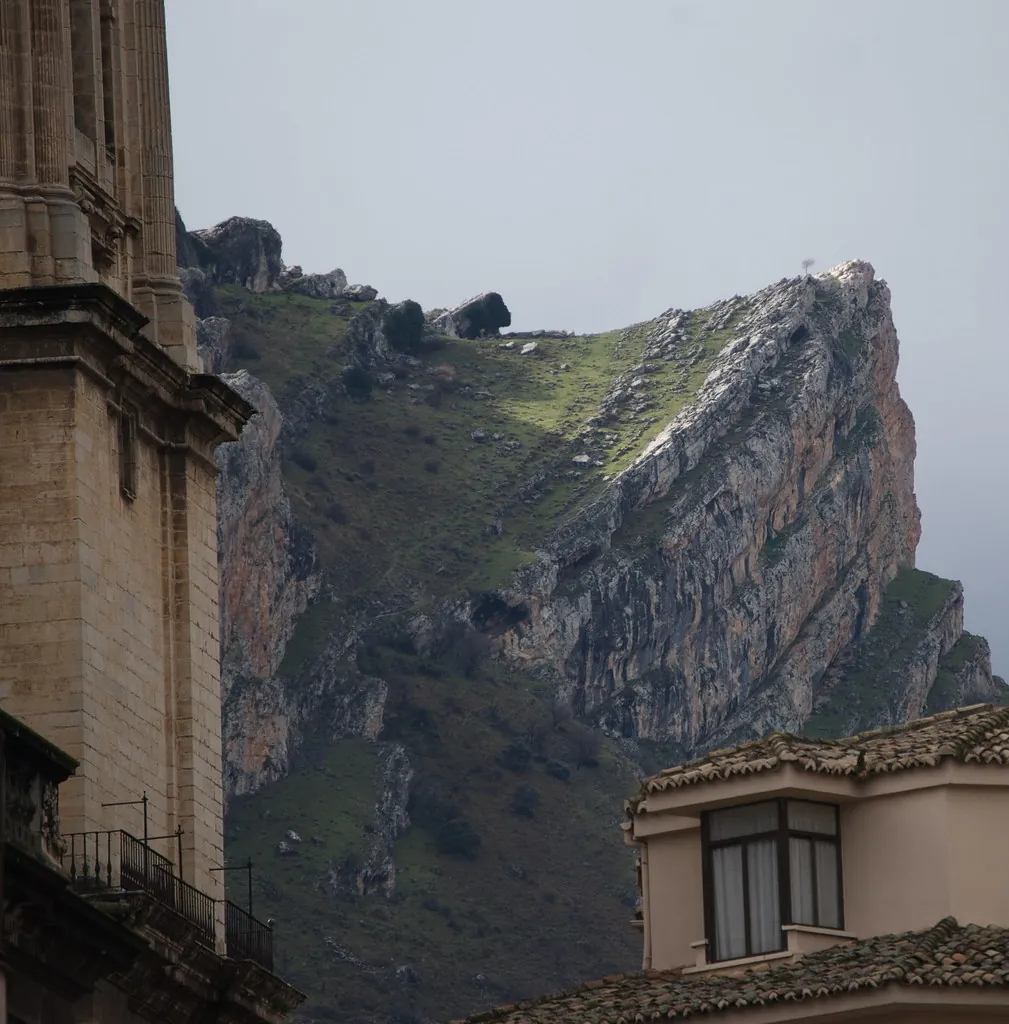
Vista aérea de Jamilena
Instituto Geográfico Nacional · CC-BY 4.0 scne.es
Andalucía · Passion & Soul

Jamilena

The morning mist lifts differently at 765 metres. From Jamilena's highest streets, the world below appears in layers: first the immediate rooftops,...

3,319 inhabitants · INE 2025
765m Altitude

Why Visit

Church of the Nativity Garlic Route

Best Time to Visit

summer

August Fair (August) septiembre

Things to See & Do
in Jamilena

Heritage

  • Church of the Nativity
  • Hermitage of San Francisco
  • Main Fountain

Activities

  • Garlic Route
  • Hiking in the Sierra de la Grana
  • Local cuisine

Festivals
& & Traditions

Fecha septiembre

Feria de Agosto (agosto), Nuestro Padre Jesús (septiembre)

Las fiestas locales son el momento perfecto para vivir la autenticidad de Jamilena.

Full Article
about Jamilena

Town known for its garlic industry and proximity to the capital

Ocultar artículo Leer artículo completo

The morning mist lifts differently at 765 metres. From Jamilena's highest streets, the world below appears in layers: first the immediate rooftops, terracotta tiles weathered to copper, then the endless olive groves rippling across the landscape like a silver-green tide, and finally the distant outline of Jaén's cathedral, barely visible twenty kilometres away. This is not one of Andalusia's showpiece villages. There's no dramatic gorge, no Moorish fortress perched impossibly on a cliff. Instead, Jamilena offers something increasingly rare: a working Spanish village that hasn't bothered to reinvent itself for tourists.

The Arithmetic of Altitude

Three thousand three hundred souls live here, give or take. The altitude matters more than you might think. Summer nights cool down properly, unlike the coastal ovens where temperatures hover stubbornly in the thirties after midnight. Winter mornings can bite, with frost crystallising on the windscreens of cars parked along Calle Real. The air tastes different too, thin and clean, carrying the metallic scent of olive leaves and something else—perhaps the accumulated centuries of agricultural labour that have shaped every contour of this land.

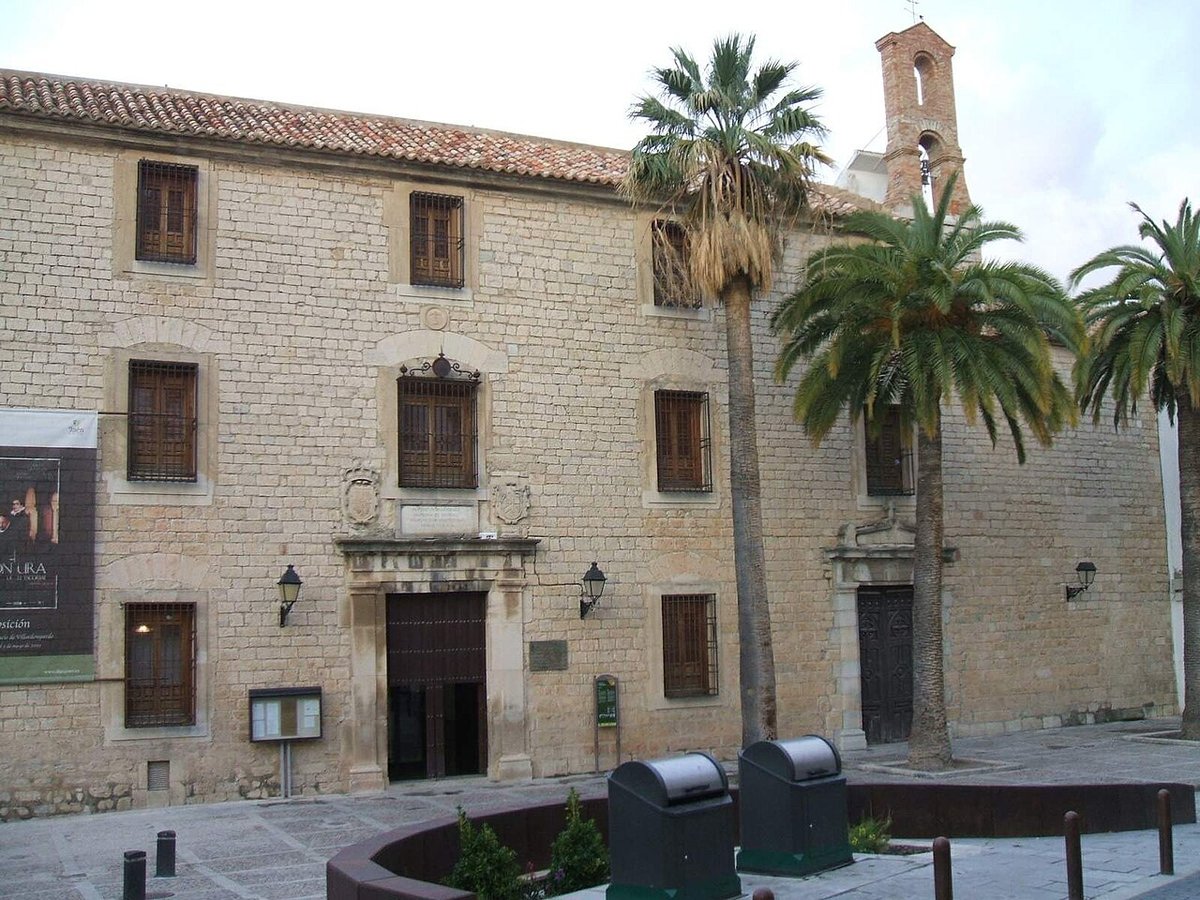
The village centre reveals itself gradually rather than dramatically. Start at the Iglesia de San Andrés, whose stone facade has witnessed architectural fashions come and go since the sixteenth century. Inside, the retablos tell their own story of shifting tastes and available materials, though you'll need patience to appreciate them properly. The church opens sporadically; locals suggest morning visits when the caretaker is most likely to be around, though they shrug when asked for specific times. This is that sort of place.

Wander downhill and the streets narrow, whitewash giving way to bare stone in places where twentieth-century renovations stripped away centuries of limewash. Some houses retain their original wooden doors, iron studs rusting into abstract patterns. Others display the telltale signs of recent money: aluminium windows, fresh paint in colours that would make purists wince. It's honest, this mixture of preservation and pragmatism. Nobody's pretending this is a living museum.

Oil and Earth

The olive harvest defines Jamilena's rhythm more surely than any calendar. From October through January, the village wakes to mechanical harvesters rumbling along the access roads. The sound carries, metallic and insistent, from groves that stretch to every horizon. During these months, breakfast conversations revolve around yield predictions and market prices. Even the village bars adjust their schedules, opening earlier to accommodate workers who've been in the groves since dawn.

Visit an almazara—oil mill—during production and you'll understand why locals speak of their crop with something approaching reverence. The process hasn't changed fundamentally in centuries, though stainless steel has replaced stone and hydraulics have superseded donkey power. At Cooperativa San Andrés, fourth-generation growers explain the difference between early harvest oils, sharp and peppery, and the milder late-season varieties. Tastings happen informally, poured into plastic thimbles that seem almost insultingly casual for liquid that retails at fifteen euros per half-litre in British delicatessens.

Walking the grove tracks requires no special equipment, just sensible footwear and water. The paths are essentially farm roads, wide enough for tractors, bordered by dry stone walls that divide properties established during land reforms of the nineteenth century. After rain they're muddy; during summer they're dusty. Either way, they offer perspectives unavailable from the village streets. Look back and Jamilena appears properly anchored to its ridge, the church tower marking centre like a pin in a map.

What Passes for Entertainment

The village's social life centres on Plaza de España, a modest square where elderly men play cards under plane trees and mothers push prams in slow circuits. Evenings see the paseo, that quintessentially Spanish ritual where generations merge in clockwise perambulation. Teenagers eye each other across generations of family connections while their grandparents discuss tomorrow's weather with the certainty of people who've seen it all before.

Food follows agricultural logic. Winter means hearty stews based on whatever the pig yielded during autumn matanzas, flavoured with bay leaves from trees that grow wild along the railway line. Summer brings gazpacho, properly made with yesterday's bread and olive oil pressed from local groves. At Bar California, migas arrive as a mountain of fried breadcrumbs studded with chorizo and grapes, enough to defeat most appetites. The owner, Jesús, learned the recipe from his grandmother and sees no reason to modify it for modern tastes. He's probably right.

The Practical Matter of Getting There

Reaching Jamilena without a car requires determination bordering on masochism. Buses from Jaén run twice daily except Sundays, when service drops to once. The journey takes forty minutes along the A-316, winding through olive country that becomes progressively more dramatic as altitude increases. Hire cars make infinitely more sense, particularly for combining village time with Jaén's cathedral and Arab baths. Granada airport lies ninety minutes south; Málaga adds another forty-five minutes but offers more flight options.

Accommodation options remain limited, which explains why most visitors base themselves in Jaén and visit as a day trip. The solitary Airbnb property—a restored town house with original beams and modern plumbing—books months ahead during spring and autumn. Summer sees availability increase as temperatures rise into the uncomfortable thirties, though the altitude makes nights bearable. Winter brings bargains but also the risk of weather that can isolate the village when snow dusts the surrounding peaks.

When the Crowds Come

Late November transforms Jamilena completely. San Andrés celebrations draw expatriate families who've scattered across Europe, returning to demonstrate success through expensive cars and designer clothes. The population swells to perhaps five times normal, streets clog with vehicles bearing German and French number plates, and suddenly every bar offers full menus rather than the usual truncated selection. Prices edge upward; locals roll their eyes but accept the annual invasion with good grace.

August's feria brings different crowds—younger, louder, more interested in all-night revelry than religious processions. The plaza hosts concerts where sound systems compete with neighbouring villages, creating a peculiar acoustic landscape where bass lines merge across kilometres of olive groves. Sleep becomes optional. For three days, Jamilena parties like a much larger town, then collapses exhausted until the harvest begins.

The rest of the year, peace returns. Whether that's recommendation or warning depends on what you seek from Spanish villages. Jamilena won't change your life. It offers no epiphanies, sells no dreams. What it does provide is increasingly precious: authenticity without self-consciousness, a place where tourism remains incidental rather than essential. Come for the olives, stay for the honesty, leave before the silence becomes oppressive.

Key Facts

Region
Andalucía
District
Metropolitana de Jaén
INE Code
23051
Coast
No
Mountain
No
Season
summer

Livability & Services

Key data for living or remote work

2024
ConnectivityFiber + 5G
TransportTrain 12 km away
HealthcareHospital 9 km away
EducationHigh school
Housing~5€/m² rent · Affordable
Sources: INE, CNMC, Ministry of Health, AEMET

Official Data

Institutional records and open data (when available).

  • Fortaleza de la Muña
    bic Castillo/Fortaleza ~2.8 km

Planning Your Visit?

Discover more villages in the Metropolitana de Jaén.

View full region →

More villages in Metropolitana de Jaén

Traveler Reviews