Full Article
about Los Villares
Mountain municipality near the capital, known for its wicker crafts.
Hide article Read full article
A village that wakes early
At eight in the morning, the sun has barely cleared the horizon, yet the air already carries the smell of freshly baked bread mixed with the dry scent of olives at the oil press. In Plaza de Feijóo, a man climbs onto his tractor, cap pulled low, a flask of coffee balanced between his knees. Los Villares wakes without hurry, like many villages around Jaén where the day begins before the noise.
There is no rush to fill the streets. Doors open gradually, voices remain low, and the rhythm feels set by routine rather than schedule. It is the kind of place where mornings stretch out, shaped by work and habit rather than urgency.
Streets drawn with a ruler
Walking through Los Villares brings a small surprise. The streets meet at right angles, as if the whole village had been planned with a set square. That is not typical in Andalucía, where towns often adapt themselves to hillsides in more irregular ways. Here, the layout is noticeably orderly.
This is usually linked to a 16th-century foundation, during the reign of Charles V, when several new settlements were established in the area. Whatever the reason, the result is clear: a grid of straight streets cutting across the hill. It makes getting lost unlikely, although walking uphill is almost inevitable.
Whitewashed and stone façades stand side by side, each with small differences that become visible when moving slowly. A green-painted grille, a neat line of geranium pots, a half-open door releasing the smell of an early stew. From one window, a cat watches the street as if it has always been there.
In the so-called Casa del Vizconde, the courtyard still hints at a Renaissance past. Rounded arches, worn stone and a coat of arms softened by time and weather remain in place. Today, the building sits quietly within everyday village life. There is no formal visitor route and no long explanation panel, just a brief reference and the sense that these walls have taken on different roles over the years.
Water that appears, water that stays
A few kilometres from the centre, in the direction of the reservoir, the river Frío begins in a way that feels almost unreal. At El Nacimiento, the water emerges directly from the rock, clear and steady, as though a hidden gate beneath the ground has been opened.
On hot days, people from the village often come here with cool boxes and folding tables. The water remains genuinely cold even in summer, with the slightly mineral taste typical of natural springs. From this point, the river continues through olive groves before feeding into the Quiebrajano reservoir.
The reservoir interrupts the continuity of the olive landscape. From higher ground, the surface of the water appears enclosed by rounded hills. A path follows part of the shoreline, where early in the day the dominant sounds are birds and wind. When water levels drop, especially in autumn or after dry summers, submerged trunks and branches begin to show.
This is not a developed bathing area, and there are no large facilities. It is a place for taking things slowly, with whatever you bring along.
Nights when everything shifts
There are moments when the pace of the village changes. One of them is the night of San Juan, around 23 June. Houses that belong to families living elsewhere open again, tables appear in the street, and the atmosphere stretches well into the early hours. Pine and rosemary branches burn on the bonfire, and younger people jump over the flames while older residents watch from a short distance.
The pilgrimage of San Isidro, traditionally held in May, has a different tone. Carts leave the village heading towards Cerro de la Cruz, decorated with green branches and paper flowers. Some horses are dressed for the occasion, and guitars are never far away. Songs begin without much planning once people settle in the countryside to eat.
The food reflects the setting. Simple dishes such as tortilla, cured meats from the winter slaughter and hand-cut bread are shared. Wine travels in large containers or plastic bottles. Presentation matters little here; being present matters more.
Food that speaks plainly
On Saturday mornings, the municipal market becomes more active. Among the stalls are locally made cured meats, including chorizo and morcón, which many families still prepare after the winter slaughter. They come without elaborate packaging or long stories. People buy them because they already know them.
Bread arrives still warm when it has just come out of the oven, its crust firm to the touch. It is used to accompany straightforward dishes such as gachas de matanza, made with flour, olive oil and water, sometimes with chard or pieces of pork belly. The mixture is stirred slowly over the heat until it thickens, then eaten directly from the plate.
Another common preparation after the slaughter is bollo de chicharrones, a dense bread filled with pieces of fried pork fat. It keeps for several days if stored properly, although it rarely lasts that long.
Reaching Los Villares
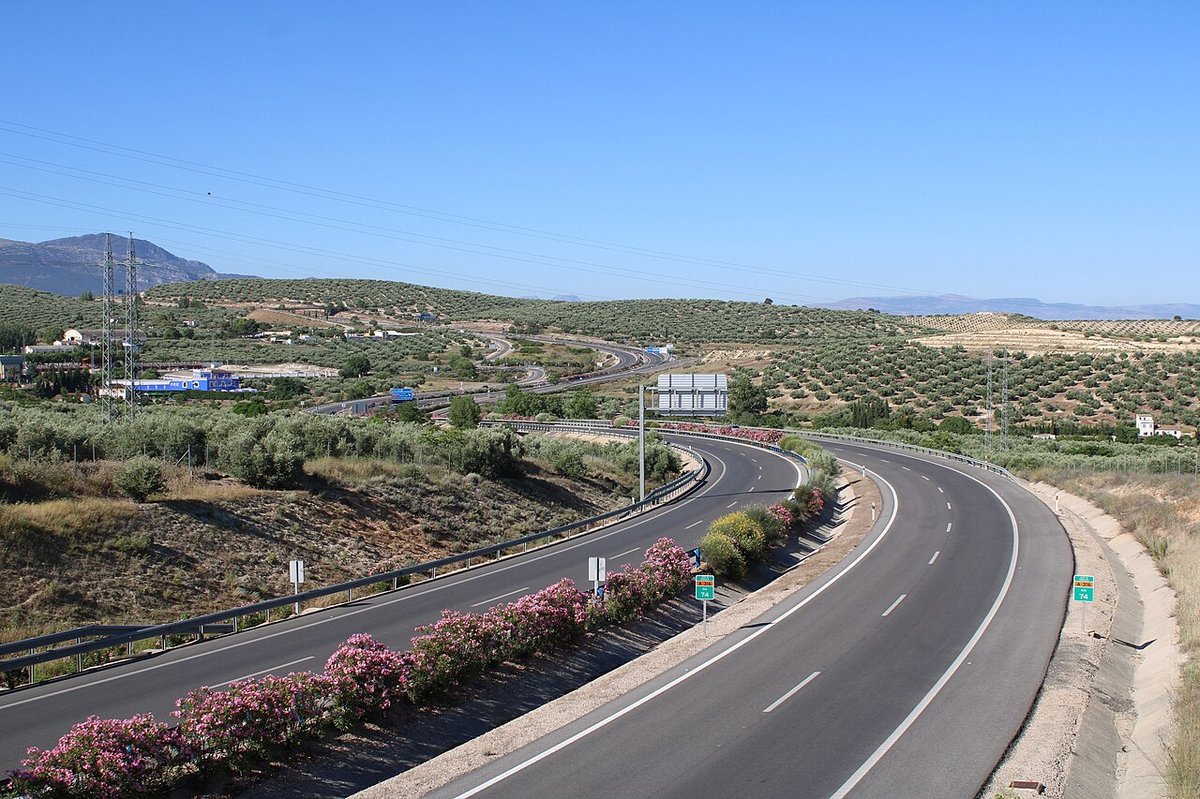
Los Villares lies very close to the city of Jaén. The journey is made by road in just over ten kilometres, climbing towards the hills through olive groves. The turn-off is usually well signposted, although at night the entrance to the village can be easy to miss.