Full Article
about Mancha Real
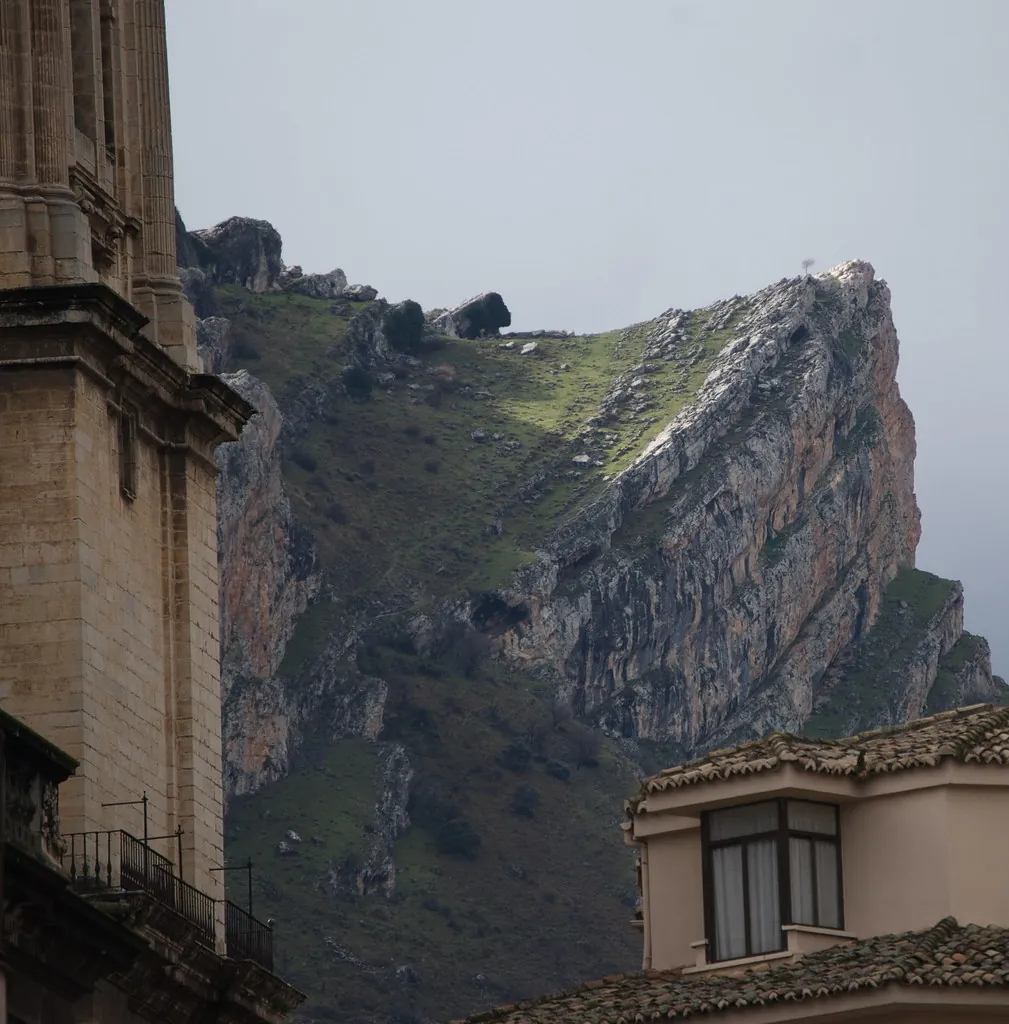
Key industrial and olive-growing center at the foot of Peña del Águila
Hide article Read full article
The scent of fresh bread from the panadería meets the dry, chalky smell of earth at dawn. In Plaza de la Constitución, the autumn light hits the stone benches first, leaving the rest of the square in cool shadow. Shop shutters are still down. This is when you hear the town’s rhythm: the distant rumble of a tractor heading out, the quiet talk from a bar where farmers are having coffee.
Mancha Real is part of Jaén’s metropolitan area, but its pulse comes from the land. Olive groves press in from all sides, a sea of grey-green that changes the very quality of the light and air. In pruning season, the air carries a green, sappy sharpness. Later, when the harvest begins, a softer, fruitier note hangs around the almazara, the oil mill. This isn’t a curated landscape. It’s a working one, and that fact shapes everything here.
The glow of a borrowed tradition
On a cold March night, Mancha Real sets fire to its own falla. It’s an odd sight this far south, a tradition borrowed from Valencia and made local. The monument, built from wood and cardboard, towers in a square. Its origins are practical, linked to the old furniture workshops that once operated here. Now, it’s purely for the town.
The burning doesn’t create a deafening spectacle. It’s a slow consumption. Thick smoke drifts into the bare branches of the plane trees, carrying the smell of charred paper and pine resin. Families stand around in coats, hands in pockets, watching the flames lick higher. They stay until the structure collapses into a heap of glowing embers, talking quietly as the heat fades.
The climb to Peña del Águila
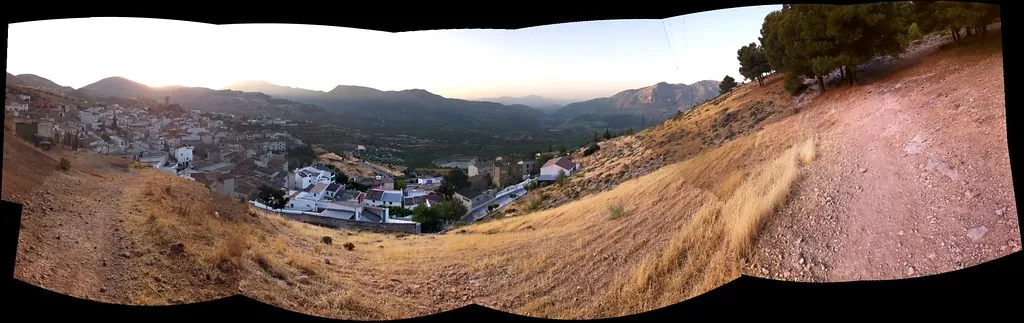
Behind the last houses, a dirt track of reddish earth leads uphill. Aleppo pines give way to scrubland—rockrose, thyme, wild rosemary that releases its scent when brushed against. The climb is steady, not steep. After about forty minutes, the path ends at Peña del Águila.
From here, the town’s logic is visible. Its streets form a neat grid, a plan laid down in the sixteenth century. Beyond it, nothing but olives. A monochrome of orderly trees rolls over every hill until it bleeds into the haze at the horizon. Come early if you walk in summer. The sun gets direct and heavy by mid-morning, and shade is scarce once you leave the pines behind.
On breadcrumbs and bitter almonds
The table here is built on three things: good bread, new oil, and whatever is in season. Migas are a staple when the air turns cold—breadcrumbs fried in olive oil until crispy. Here, they’re often served with slices of orange or grapes, a sweet contrast to the salty fat.
Pipirrana is another anchor. It relies on ripe tomatoes, finely chopped onion, and a generous pour of local oil. Some households take time to peel the cucumber and remove its seeds for a finer texture.
Look for gusanillos in bakery windows. These almond pastries are rolled into loose curls. They’re crumbly and not too sweet, with that distinct bitter finish of good almond.
Cristo de la Salud: a weekend in late August
For most of the year, the image of Cristo de la Salud is just part of the street furniture in its niche. In late August, it’s brought out. The town changes tone.
Front doors open directly onto the pavement. People bring out chairs. Some place eucalyptus branches or potted basil by their doorsteps, so the procession passes through pockets of fragrance. The sound is a mix of marching band tunes, overlapping conversations, and the clink of glasses filled with ponche, a homemade punch steeped with cinnamon and anise.
It feels like a neighbourhood event that simply grew to include everyone.
The harvest sets the calendar
Life here is tied to the campaña, the agricultural cycle. Autumn and winter belong to the olive harvest. Then, tractors dragging trailers full of black and green fruit rumble through the streets at all hours. The air near the mills is thick with the grassy, peppery smell of oil being pressed.
At over seven hundred metres above sea level, morning fog is common in these months. It settles in the valleys between the groves and sometimes slips into town, muffling sounds until late morning.
Parking is usually easy except around midday, when people are out doing their errands. Traffic has a casual disorder to it. If someone offers you a coffee in a bar, don’t check your watch. The conversation will likely stretch longer than you planned, measured in stories, not minutes. That pace tells you more than any guidebook could