Full Article
about Mengíbar
Historic communications hub; home to the Iberian site of Iliturgi
Ocultar artículo Leer artículo completo
The tractor drivers clock in at dawn. By the time the church bell of Santiago Apóstol strikes eight, the first laden trailers are already rattling across the old bridge towards the cooperative mill. That low mechanical rumble, mixed with the smell of crushed olives and diesel, is the soundtrack of Mengíbar—an Andalucian town that works for its living rather than poses for postcards.
Olive Oil on Tap
Mengíbar sits 323 m above sea level on a shelf of rust-red soil that supports one of the densest olive groves on the planet. From almost any street corner the view ends in a corrugated wall of silver-green trees; only the cathedral tower of Jaén, 11 km to the north, pokes above them. The crop dictates the pace of life: pruning starts after Christmas, flowering finishes by May, and the harvest months—October to February—turn the outskirts into a 24-hour operation. Walk the dirt lanes at sunset and you’ll pass workers stacking plastic crates, each stamped with the name of a British supermarket chain that will bottle the oil months later.
The town itself is functional rather than pretty. Post-war apartment blocks line the Avenida de Andalucía, and the riverfront car park doubles as a Saturday livestock market. Yet the centre keeps a modest dignity: 18th-century manor houses with wrought-iron balconies, geraniums in paint-tin pots, and the Plaza de la Constitución where old men still wear flat caps and threadbare jackets even when the thermometer nudges 30 °C. The bars open at seven for breakfast brandy; by ten the counter is littered with saucers and the air is thick with cigarette smoke and talk of wholesale prices.
What You’ll Actually See
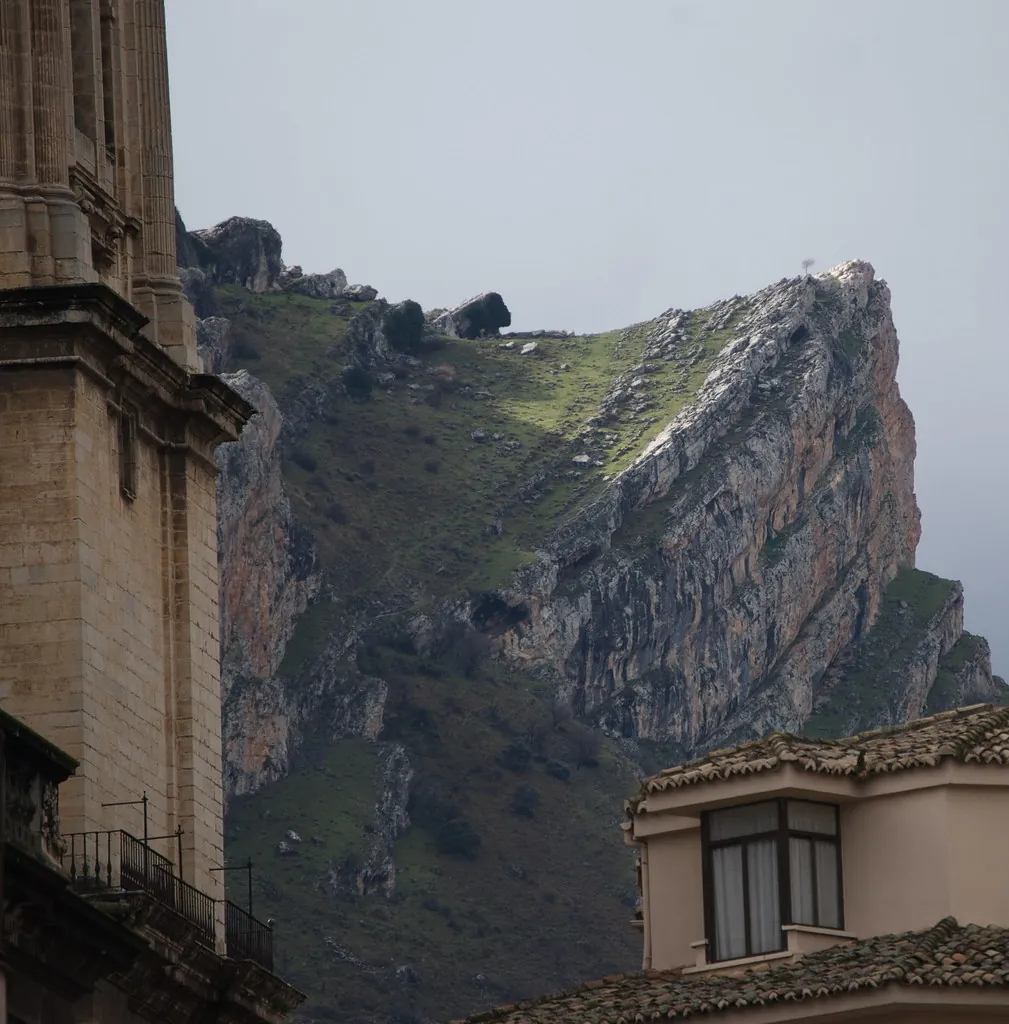
Start with the Iglesia de Santiago Apóstol, a late-Gothic shell dressed up with Renaissance add-ons. The tower is the local compass—lose your bearings in the olive maze and it reappears like a lighthouse. Inside, the baroque retablos are worth the detour if you like gold leaf and bleeding saints; otherwise the real attraction is the cool darkness after a hot walk. A five-minute stroll south brings you to the Convento de San José, now part council offices, part cultural centre. Only the portal and a fragment of cloister survive, but the stone is warm in the afternoon light and you’ll have it to yourself.
The casco histórico is compact; allow forty minutes. Calle Ancha widens unexpectedly to reveal the 19th-century Palacio de Mengibar, today a four-star hotel whose courtyard serves the town’s only olive-oil ice-cream—order it even if you’re lactose-queasy; the flavour is closer to vanilla than greenhouse. From here a lattice of alleys drops towards the river Guadalbullón, where a 16th-century bridge carries farm traffic. Stand on the parapet at dusk and you’ll see bats hunting above the water and, beyond, the silhouettes of mechanical harvesters like lunar rovers against the grove.
Eating Without the Fanfare
British visitors expecting tapas ‘scenes’ should reset expectations. Mengíbar does traditional plates designed for field hands: thick gazpacho of bread and game in winter, migas flecked with morcilla, and bowls of andrajos—irregular pasta ribbons cooked with hare when the hunter has been lucky. Portions are large and prices low; most menus are chalked on boards, not translated.
Restaurante General Reding on Calle Virgen de la Victoria is the safe choice. The secreto ibérico (£9) arrives sizzling on a terracotta tile; ask for chips instead of the standard Andaluz fries if you must. Pimientos asados make a gentle starter for chilli-shy palates. House red comes in 500 ml carafes and tastes better after the second glass. Sunday lunch is family-only chaos—book or starve. If you’re self-catering, the Mercadona on the ring-road stocks Tetley tea and Marmite alongside jamón; it shuts on Sunday afternoons, so plan ahead.
Walking Among Giants
You don’t need hiking boots, but do bring shoes you don’t mind dusting red. A signed 6 km loop, the Ruta del Olivar Centenario, starts behind the health centre and circles through gnarled trees older than the Queen. Interpretation boards (Spanish only) explain grafting techniques; the real education is watching a two-man crew beat the upper branches with long flexible poles, the olives raining onto nets like green hail. Early November is prime time: mornings smell of sap and wood smoke, and the cooperatives offer free tastings straight from the steel tanks—peppery enough to make you cough.
Serious walkers can link to the Cañada de las Hazadillas, an old drove road that heads north-east towards the sierra. The gradient is gentle for 8 km, then climbs sharply into pine forest and views back over a sea of olives that looks almost black under cloud. In July that climb is a furnace; April and late September are kinder, with wild thyme along the path and vultures overhead.
When the Day-Trippers Leave
Most foreigners treat Mengíbar as a cheap bed for Jaén or the Cazorla mountains. That works: the A-4 slip road is two minutes from the hotels, parking is free, and fuel at the Repsol on the industrial estate undercuts motorway services by 12 c a litre. But staying the night has advantages. The bars don’t rush you, the church bell marks the hours, and the smell of crushed olives drifts through open windows like incense.
Evenings centre on the Plaza. Children kick footballs until midnight; grandparents guard handbags and judge passing outfits. During fiestas in July temporary bars sell buckets of ice-cold lager for €2 and the mayor makes an awkward speech. Semana Santa is quieter—three processions, no seats for rent, everyone standing in doorways with coats over their pyjamas. If you happen to be here in September the livestock fair brings horseboxes, prize bulls and a ferris wheel that squeaks until dawn.
Getting There, Getting Out
Fly to Málaga or Seville with easyJet or Ryanair; Mengíbar is 1 h 45 min up the A-4, toll-free and well-signed. There’s no direct public transport from the UK: take the train to Jaén and then the hourly local bus (25 min, €2.10). A taxi from the airport costs around £140—cheaper than Ubeda but still painful.
Accommodation is limited. The 17th-century Palacio de Mengibar has 29 rooms from £75, including a decent breakfast with local honey. The modern Hotel Xauen on the ring-road is half the price and twice as quiet, though you’ll drive for dinner. Both have UK plugs at reception and won’t laugh at your adaptor.
Leave before lunch on checkout day if you’re heading into the Sierras—supermarkets thin out and picnic supplies dwindle to crisps and tinned tuna. Fill the tank, buy a litre of just-pressed oil from the cooperative shop (€6, bring your own bottle) and accept that you’ve seen an Andalucian town that keeps its charm in the groves, not on the postcards.