Full Article
about Torredelcampo
A dynamic municipality near Jaén; major olive-oil producer with extensive woodland.
Hide article Read full article
Among the olive groves
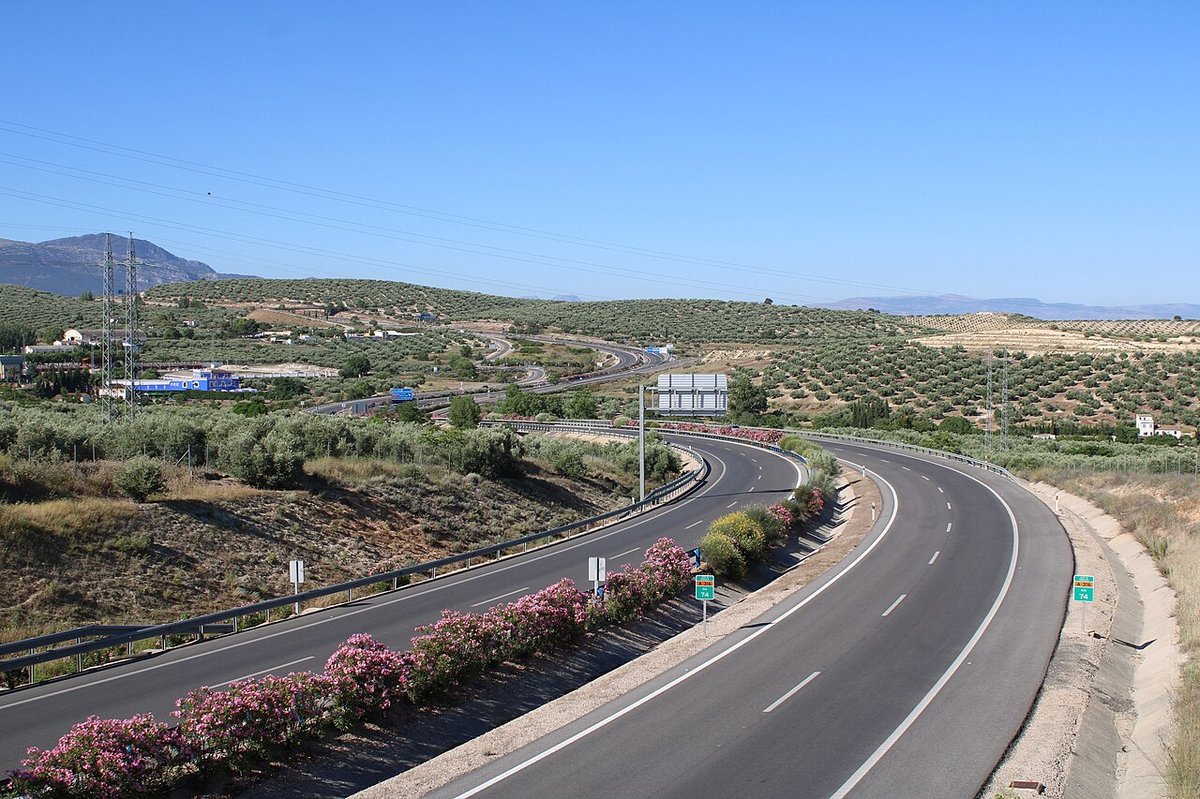
Torredelcampo lies just to the west of the city of Jaén, set within the wide expanse of olive-growing countryside that surrounds the provincial capital. From the road, the municipality is easy to recognise: an almost uninterrupted spread of olive trees, typical of much of the Metropolitan area of Jaén. Although only a few kilometres from the city, the town has a distinct rhythm of its own, closely tied to agricultural work and olive oil production.
Early in the day, before the heat settles in, the landscape around the town takes on a silvery tone as the wind stirs the leaves of the olive trees. It is a familiar scene here. Lorries move in and out of cooperatives, workers return from the fields, and bakeries open their doors from the early hours.
Life in Torredelcampo reflects this setting. The connection with the land is not decorative or occasional. It shapes daily routines, local economy and the look of the surroundings, where the olive grove is a constant presence rather than a backdrop.
A name with medieval roots
The name Torredelcampo points to a defensive origin. During the Middle Ages, there was likely a tower or small fortification here, linked to the system that controlled the territory around Jaén. For centuries, this area functioned as a frontier between Christian kingdoms and the Nasrid Kingdom of Granada.
Medieval documents mention the settlement after the Castilian conquest of Jaén in the 13th century. Like many nearby villages, it became associated with military orders and territorial structures that organised both defence and repopulation.
Over time, that early rural nucleus grew around a parish church and a network of streets that still retain an irregular layout. The pattern reflects gradual growth rather than a planned foundation, with streets adapting to the terrain and the needs of the community as it expanded.
San Bartolomé at the centre
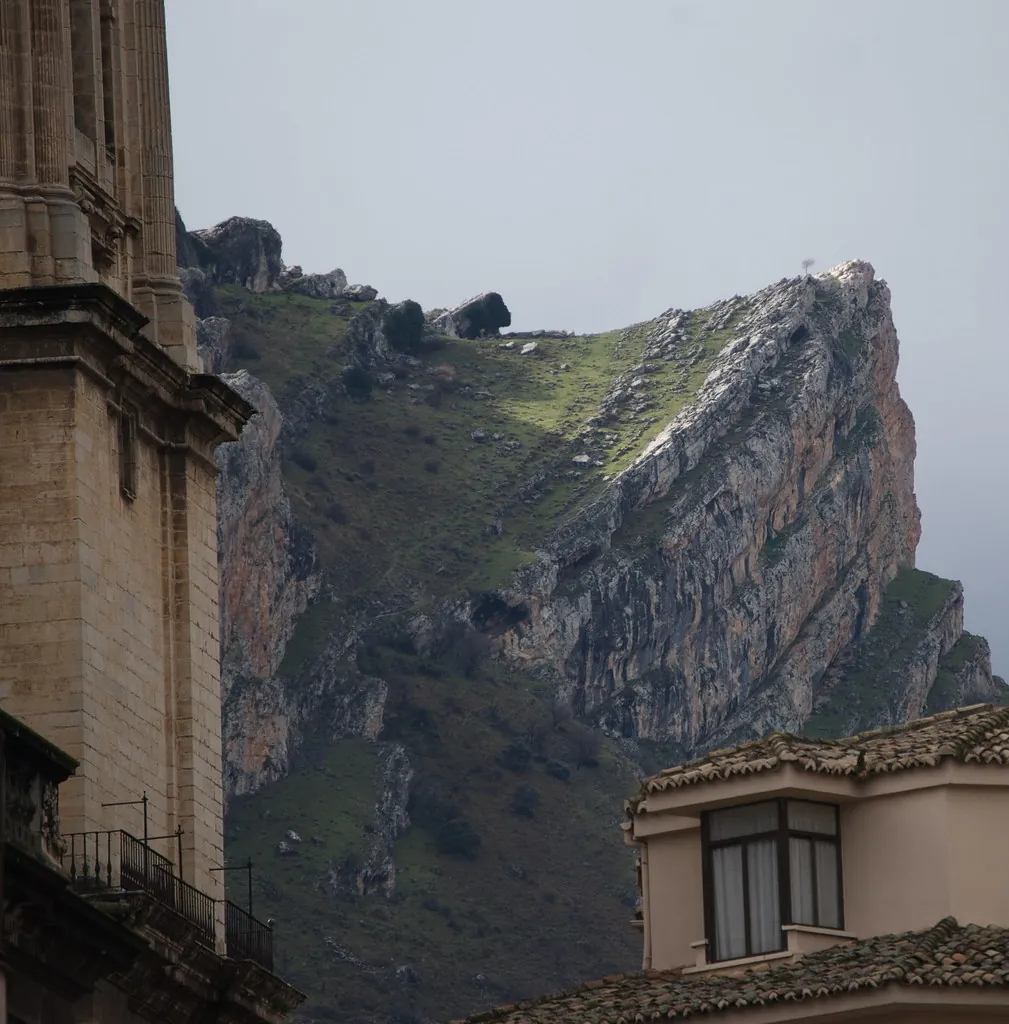
At the heart of the old town stands the parish church of San Bartolomé. The current building dates from between the 16th and 17th centuries and follows a Renaissance style that spread widely across the Jaén countryside after the Christian conquest.
Construction extended over several decades. Different master builders took part, many of them connected to workshops active in Jaén and nearby towns. That long process explains the mix of styles visible today: a clearly Renaissance base alongside later elements that lean towards the Baroque.
Inside, several devotional images remain important to local religious life. One of the most notable is the Cristo de la Vera Cruz, which local tradition places in the parish for several centuries. The authorship of the sculpture is not fully documented. It is often linked to Andalusian sculptors associated with the circle of Martínez Montañés, although firm evidence is not always available.
During Semana Santa, the image is carried through the streets of the centre. Much of the town takes part, including people who return specifically for those days, reinforcing the strong connection between tradition and community.
Along the Vía Verde del Aceite
The municipality is almost entirely covered by olive groves. At first glance the landscape may seem uniform, but closer attention reveals subtle variations. There are shallow valleys where vegetation grows more densely, traces of old orchards near streams, and agricultural tracks linking scattered plots of land.
One of the clearest ways to experience this setting is along the Vía Verde del Aceite. This route follows the path of a former railway line that once connected mining and agricultural areas of the province. Today it is used for walking and cycling, passing close to Torredelcampo through stretches of olive trees.
The route is gentle, as expected from a former railway, and can be followed without much difficulty. Along the way, old railway elements have been repurposed, and there are occasional shaded spots where it is possible to pause.
In spring, the olive trees are in bloom and the air carries the scent of thyme and wild herbs. The surroundings feel more varied at this time of year, with small changes in colour and texture breaking up the continuity of the groves.
Sweets that remain part of daily life
Traditional sweets continue to be prepared in many homes in Torredelcampo, often linked to the calendar of local festivities. Among the most common are pestiños, made from dough fried in olive oil, flavoured with anise and coated with honey.
They appear especially during Semana Santa and other celebrations, although some bakeries and workshops in the town prepare them throughout the year. The recipe is simple and widely known across Andalusia, yet each household tends to defend its own version.
Alongside pestiños, it is common to find rosquillos de anís and pastries made with flaky dough. These arrived later, when local baking began to incorporate ingredients and techniques that travelled along regional trade routes.
Finding your way around
Torredelcampo is only a short distance from Jaén and can be reached بسهولة by road. There are also regular bus connections with the city.
The centre is easy to explore on foot. The parish church, the town hall and several streets in the old quarter bring together most of the historic buildings.
Rather than a place defined by large monuments, Torredelcampo is understood through its setting and everyday life. The olive groves, the pace of work tied to the land, and the persistence of local traditions give the town its character.