Full Article
about Torredonjimeno
Town with a rich historical legacy where a Visigothic treasure was found; strong industrial activity
Hide article Read full article
A castle the colour of toast
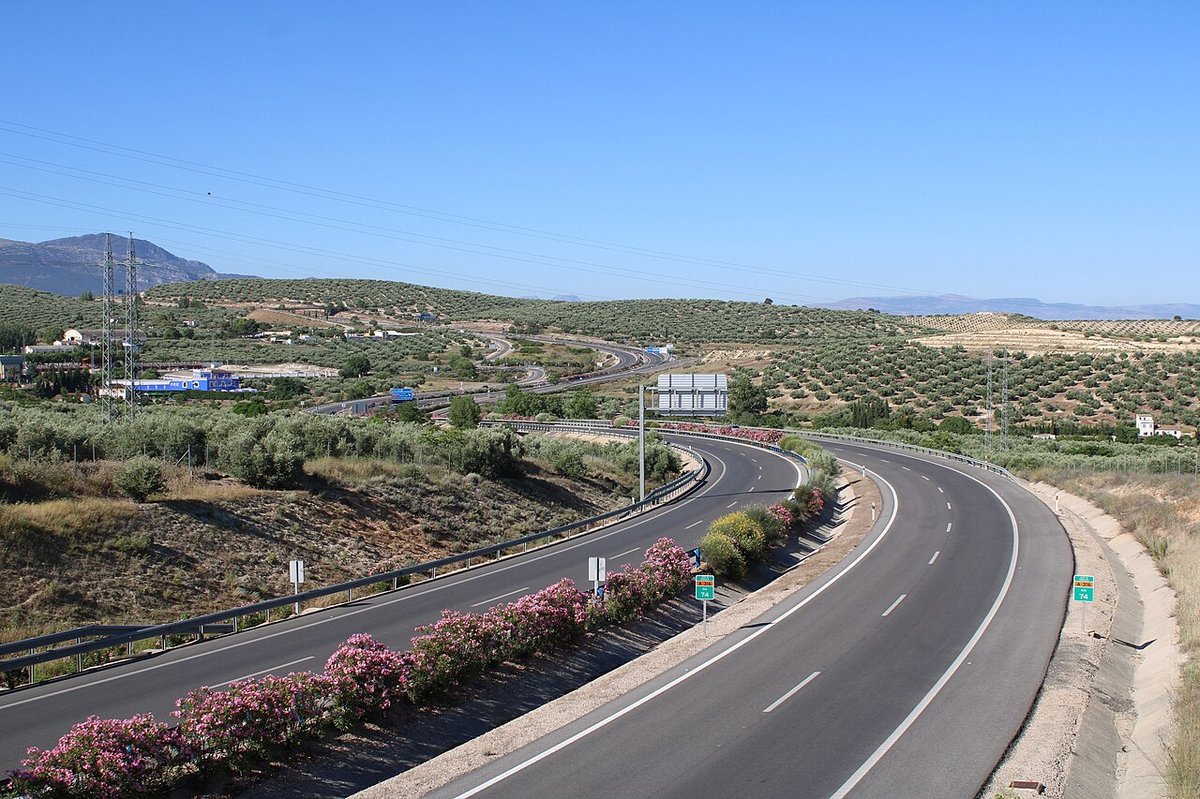
The castle of Torredonjimeno looks as if it were made from sliced bread. That warm, toasted stone, the brick edging along the top, the compact outline: the whole thing has the air of a loaf left in the oven a little too long. And there it stands, centuries later, watching over the A‑316 and an ocean of olive trees that seems to stretch without end.
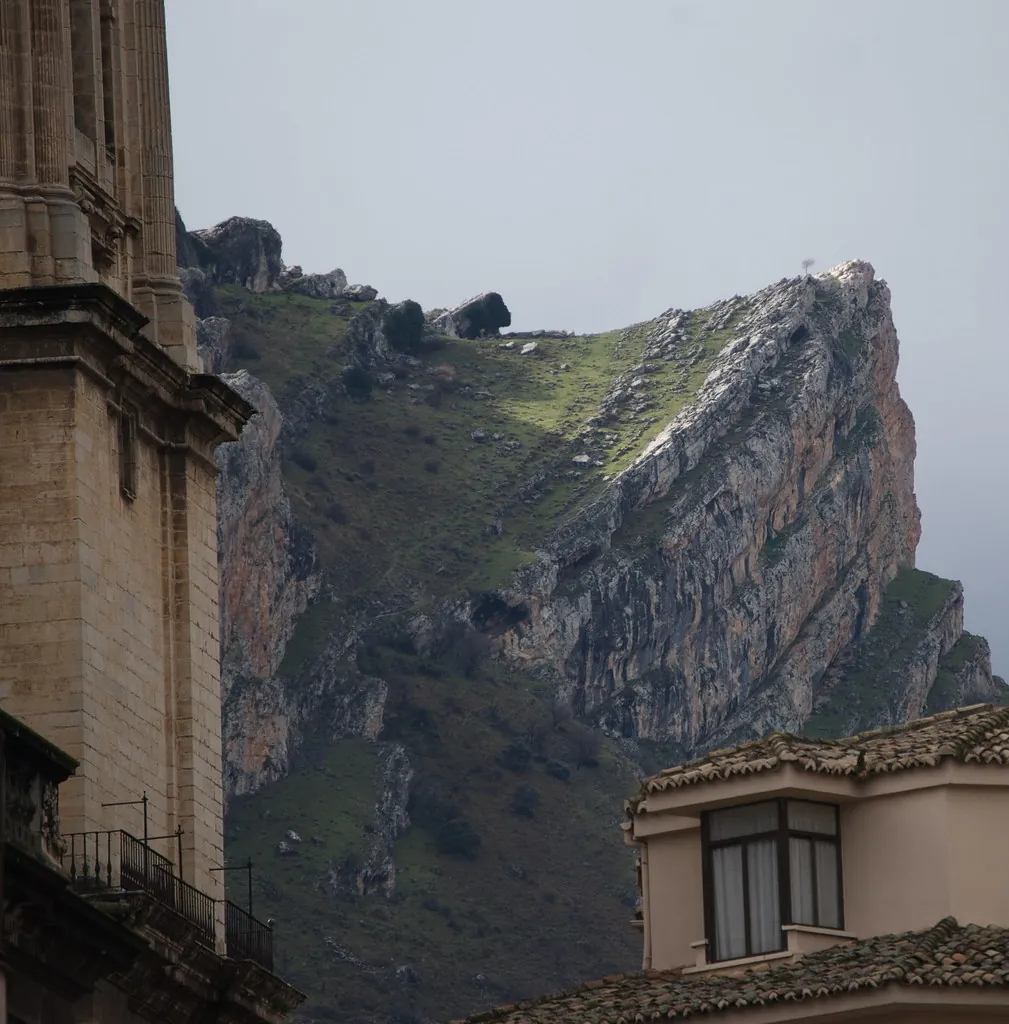
Torredonjimeno sits in the province of Jaén, in the heart of olive country. From above, the view explains everything. Straight roads cut through regimented groves. The town gathers close to its fortress. Jaén is relatively near. The landscape sets the tone before you even step into the streets.
Life in La Tosiria
Just over thirteen thousand people live here. They are known as toxirianos, and the town is also called La Tosiria, a name you will hear with quiet pride. Houses are generally low-rise, the streets fairly wide, and there is a main promenade where, on some Sundays, the smell of must and fried food hangs in the air.
This is not a picture-postcard village. It is a working town. During the olive harvest, lorries loaded with olives pass through. Workshops linked to olive oil production form part of the local economy. People greet each other by first name, and there is a certain directness in the way daily life unfolds. Turn up in flip-flops in November and you might raise an eyebrow.
Ask about food, though, and the tone shifts. Mention andrajos or any typical dish and you will be given a careful explanation, possibly along with clear directions to the right street. The hospitality here is practical. People help, but without fuss.
Inside the castle walls
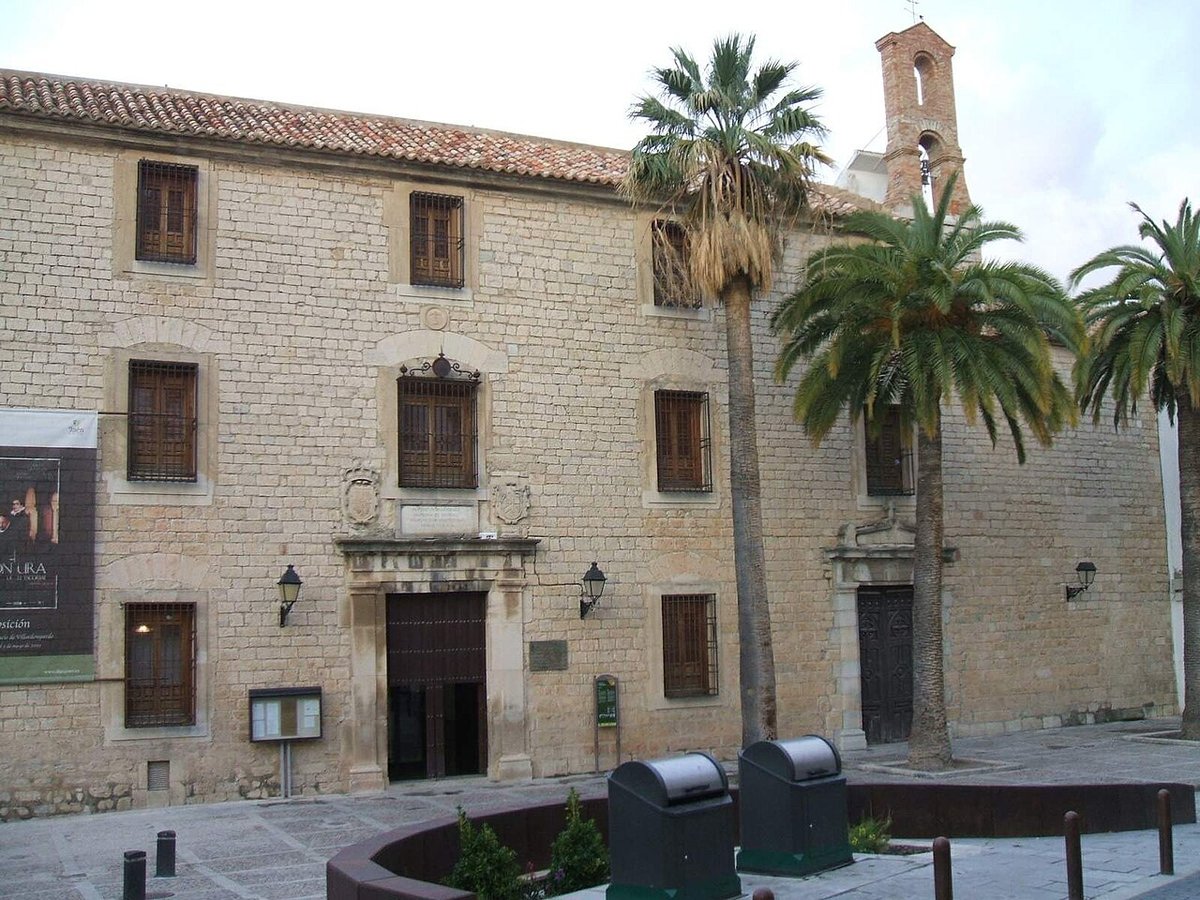
The Castillo de Torredonjimeno is the town’s defining landmark. From the outside it appears solid, almost block-like. Once inside, its layout makes more sense: a central courtyard, defensive walls, the keep known as the torre del homenaje, and several rooms that have been restored over time.
Guided visits are sometimes organised by the town hall or the municipal tourist office. They tend to combine historical background with anecdotes from local life, which gives the place a different dimension. One story often told is that in the 16th century, one of the early treatises on bullfighting was written in Torredonjimeno. For many visitors, that comes as a surprise, especially those who assume such texts originated elsewhere.
Another tale circulates widely in the town. According to local tradition, two daughters of a former alcaide, or governor, of the castle were taken captive in the medieval period and later came to be venerated. The documentary record is not entirely clear, yet the story remains part of local memory.
If access to the torre del homenaje is possible, the climb is worthwhile. From the top, the geography of the area becomes clear in a single glance: the straight lines of the roads, the olive groves fading into the distance, and the sense of being in a landscape shaped by agriculture over centuries.
Hearty cooking and homemade must
The cooking in Torredonjimeno feels designed for anyone who has spent a morning working outdoors. Andrajos are a good example. The name refers to strips of dough simmered in a substantial stew, often with rabbit. It sounds modest. When the broth is properly made, it is deeply satisfying.
Migas also appear frequently, particularly in cooler months. Here they are often served with fruit such as melon or grapes, depending on the season, alongside the savoury elements. The sweet and savoury combination works better than it might seem on paper.
Then there is homemade mosto, freshly pressed grape must that appears in many houses and bars during the season. It looks like innocent grape juice. After a second glass, conversations with the person at the next table can feel unexpectedly familiar. It is part of the social rhythm of the town at certain times of year.
Walking among olive trees
The countryside around Torredonjimeno is threaded with agricultural tracks used for walking or cycling. This is not mountain hiking in the style of the Sierra de Cazorla. The dominant presence here is the olive grove.
One walk often recommended by locals leads towards an old mill known as the Molino del Cubo. The route passes between plots of olive trees until a sturdy building comes into view, combining features of a mill and a small fortification. It is not a grand monument. It has the solid air of a place that worked for centuries.
Continuing along the tracks in the area, it is possible to reach the Torre Fuencubierta, an isolated watchtower rising among the olives. The surrounding landscape preserves traces of different historical periods, including the Spanish Civil War, which left visible marks on some structures. History here is not confined to display panels. It appears in walls, in towers, in the layout of the land.
When the town fills up
The main annual celebrations are the fiestas patronales of San Cosme and San Damián, held towards the end of September. At that point the town is at its busiest. There are open-air dances, local social clubs known as peñas, and a noticeable increase in activity on the streets.
In some years a medieval market or historical re-enactment takes place around the castle. These events tend to draw families and visitors from the surrounding area, bringing a different atmosphere to the fortress and its surroundings.
Carnival also has a presence here, marked by long gatherings around the table and local comparsas, the groups that perform songs and satirical pieces typical of the season in many parts of Spain.
If dates are flexible, it is wise to avoid the most intense days of July and August. The heat in the Jaén countryside can be relentless, and the town becomes very quiet at certain hours.
The rhythm of everyday Torredonjimeno
Torredonjimeno does not compete with the major tourist names in the province. In many ways, that works in its favour.
What defines the place is its everyday pace: the castle presiding over the town, olive groves in every direction, and the impression that life here follows patterns that have changed slowly. A walk through the centre, a climb up to the castle, a solid meal and an evening stroll along the olive tracks as the light fades are enough to form an honest picture of La Tosiria.
It is a town shaped by work, food and memory, where the fortress still keeps watch and the olive trees remain the constant backdrop.